Genmaicha
Genmaicha is a Japanese green tea blend combining steamed tea leaves with roasted or puffed brown rice, celebrated for its mild, savory, and nutty flavor.
Genmaicha is a Japanese green tea blend combining steamed tea leaves with roasted or puffed brown rice, celebrated for its mild, savory, and nutty flavor.
Originating in Japan, Genmaicha emerged as a practical blend of common green teas—typically Bancha or Sencha—with roasted brown rice. While its exact breeder and date of creation remain undocumented, this tea developed as an accessible, everyday beverage favored for its affordability and comforting taste.
Genmaicha belongs to the green tea category, derived from the Camellia sinensis var. sinensis plant. Unlike single-varietal teas, it is defined by its blend of steamed green tea leaves with roasted or puffed brown rice, placing it within Japan’s traditional green tea family but distinguished by its unique additive.
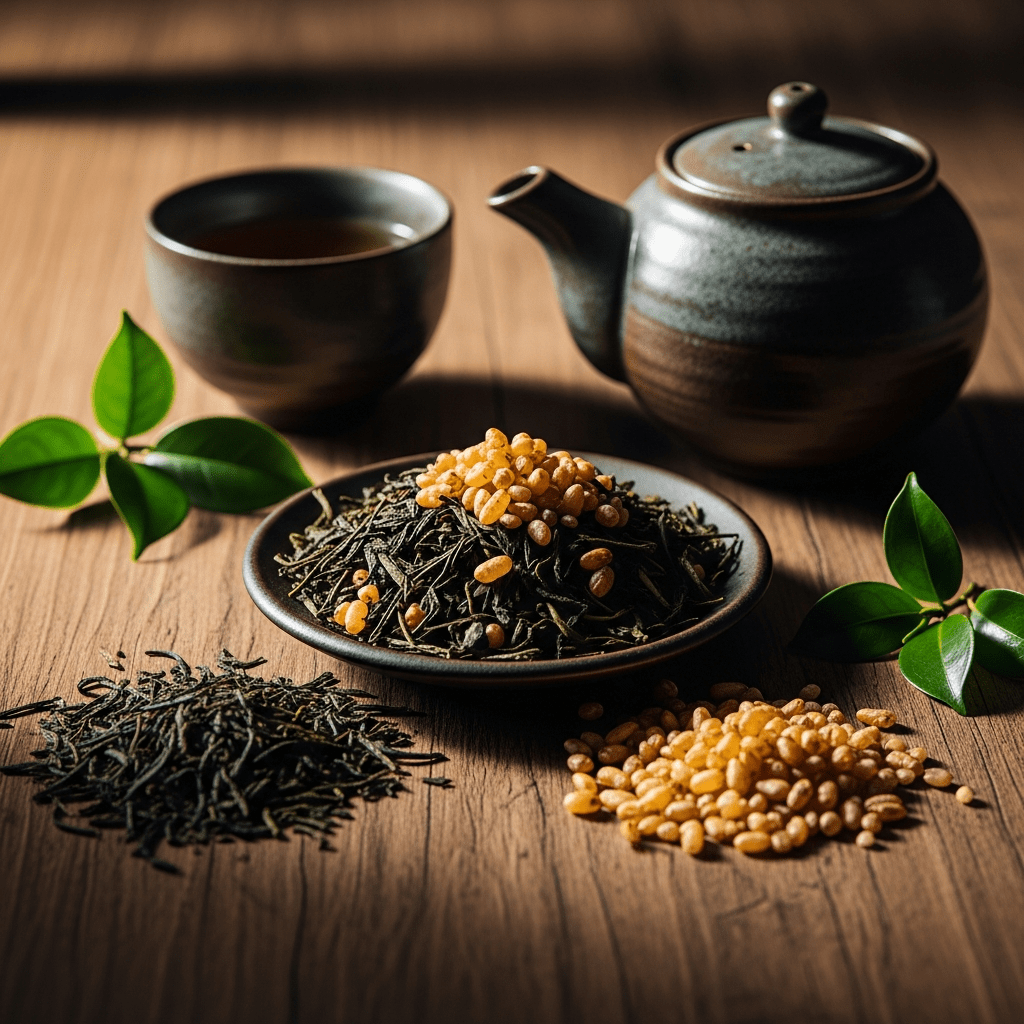
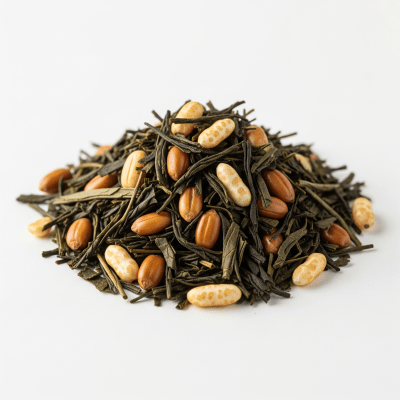
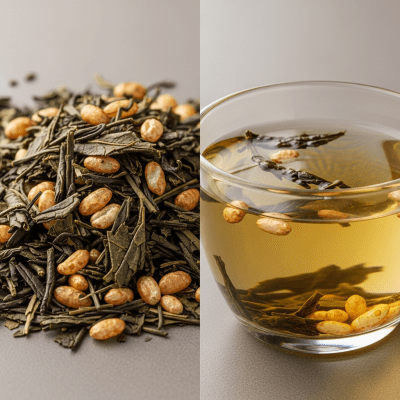
The tea blend features a mix of green tea leaves and golden to light brown roasted rice grains. Leaf size and color vary depending on the base tea: Bancha leaves are larger, coarser, and pale green, while Sencha leaves are smaller, tender, and deep green. The rice adds a toasted, popcorn-like visual and textural contrast.
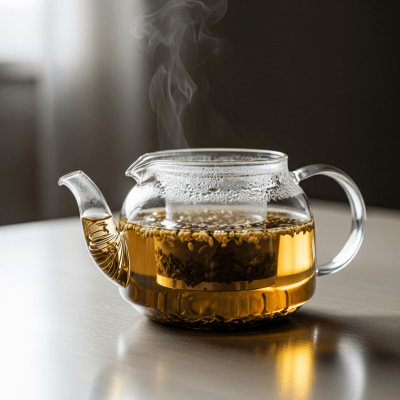
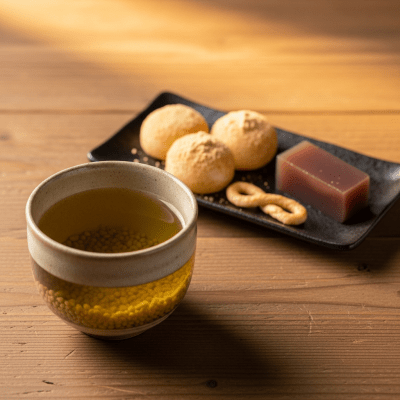
Genmaicha is prepared by steeping the blend in hot water at 70–80°C for 1 to 3 minutes, releasing a gentle infusion that balances grassy, vegetal notes with warm, nutty aromas. It is commonly consumed as a soothing everyday tea, appreciated for its low bitterness and mild flavor, making it especially suitable for beginners or those seeking a comforting cup.
Bring this kind into your world illustrated posters, mugs, and shirts.
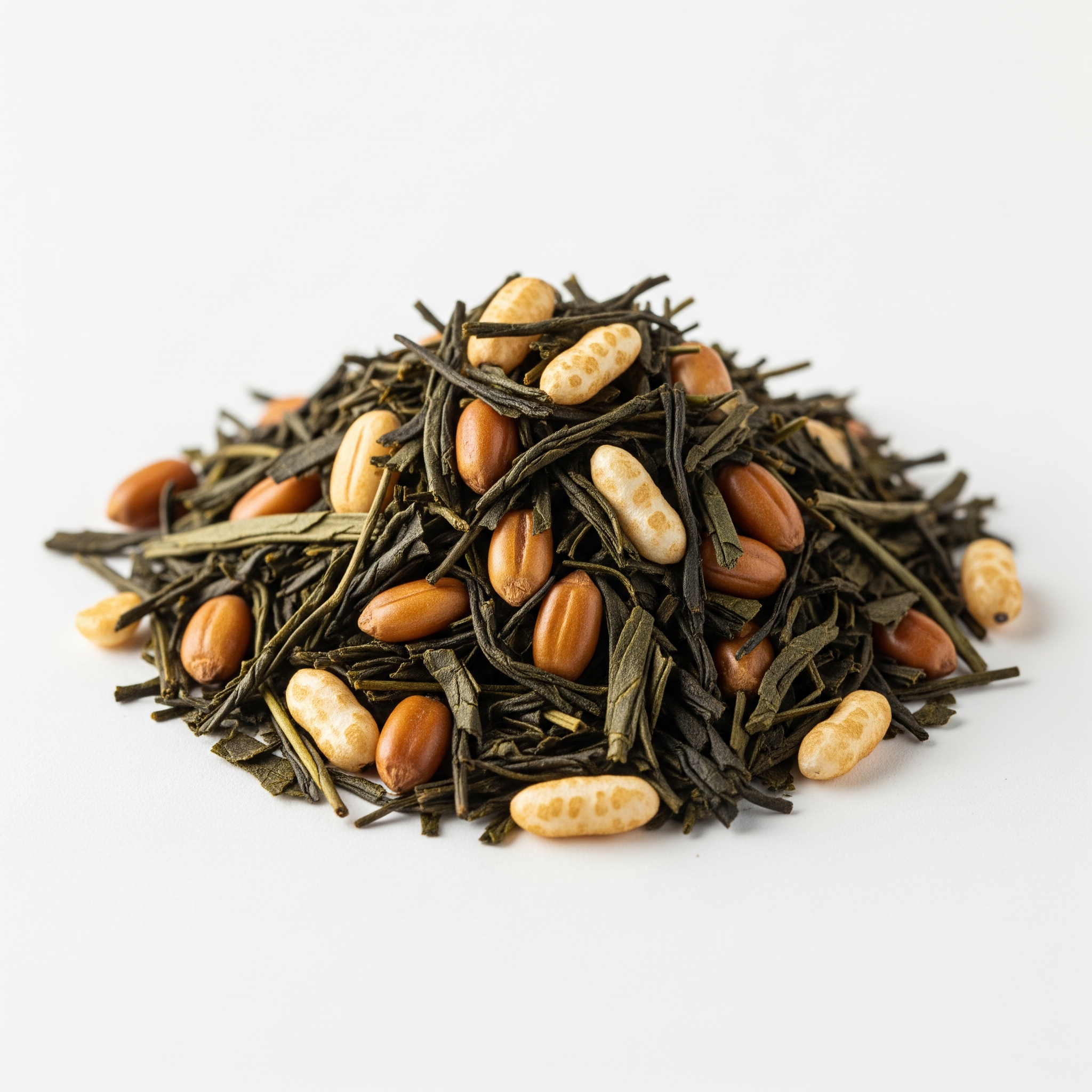
Archival print, museum-grade paper
Buy Poster
Stoneware mug, dishwasher safe
Buy Mug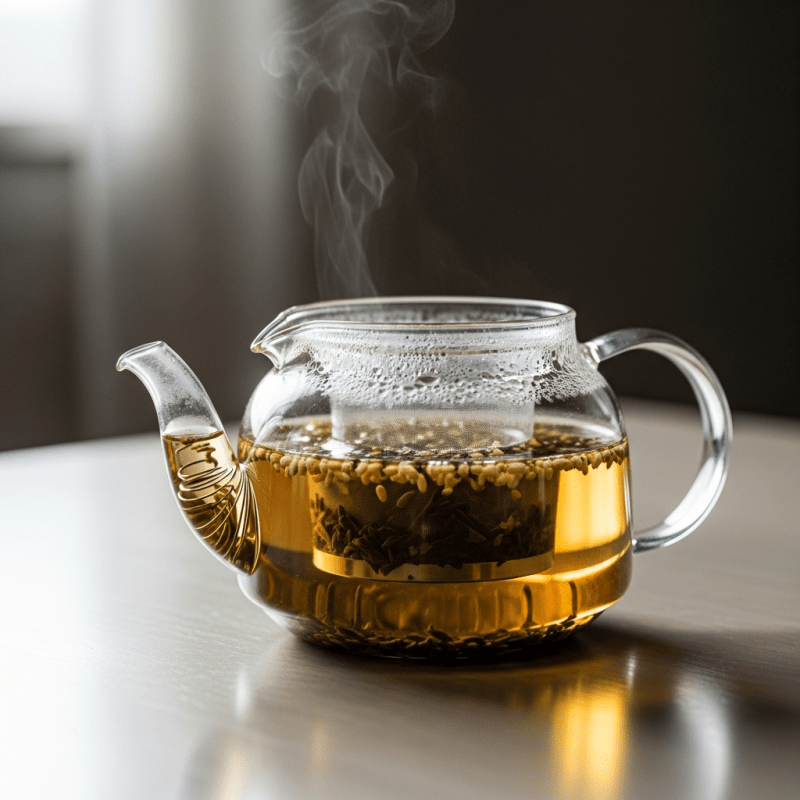
Soft cotton tee, unisex sizes
Buy ShirtTraditionally associated with affordability and humble origins, Genmaicha has evolved from a staple of lower-income households to a beloved tea enjoyed across Japan. It holds cultural value as a symbol of simplicity and warmth, often appearing in daily life rather than formal ceremonies, reflecting Japan’s rich tea heritage in an accessible form.
Genmaicha offers a harmonious flavor combining the grassy, vegetal freshness of steamed green tea with a warm, nutty, and slightly toasted aroma from the roasted rice. The infusion is mild and smooth, with low bitterness and a subtle sweetness reminiscent of popcorn, making it both comforting and approachable.
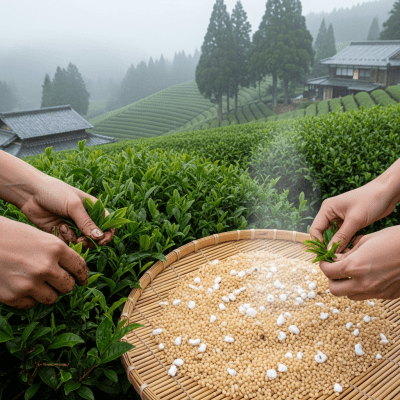
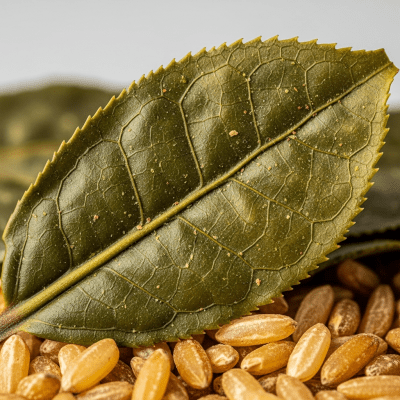

The base tea leaves undergo steaming to halt oxidation, preserving their green character. After drying, the leaves are blended with roasted or puffed brown rice, which is prepared separately by dry roasting or popping. This blending process creates the signature balance of flavors unique to Genmaicha.
Genmaicha is widely consumed across Japan as an everyday tea, served hot in both loose leaf and tea bag forms. It is appreciated for its gentle taste and affordability, often enjoyed during meals or as a calming beverage throughout the day. While not typically central to formal tea ceremonies, it remains a cultural staple in Japanese households.
Genmaicha combines the antioxidants and mild caffeine of green tea with the digestive benefits of roasted brown rice. It is reputed to aid digestion, provide gentle stimulation without jitters, and offer a soothing effect thanks to its low bitterness and balanced flavor profile.
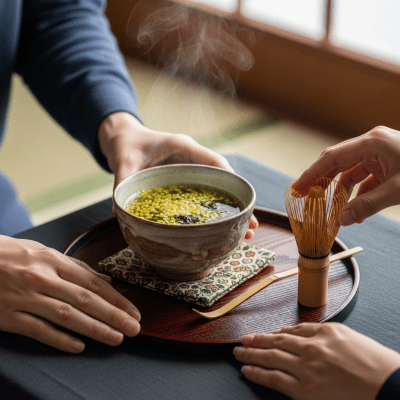
Regional variants of Genmaicha include blends using different base teas such as Sencha Genmaicha and Bancha Genmaicha, which influence leaf size and flavor intensity. Another popular variant is Matcha-iri Genmaicha, which incorporates powdered green tea (matcha) for a richer color and deeper taste, reflecting regional preferences and traditions.