Longjing
Longjing, also known as Dragon Well, is a celebrated Chinese green tea from Hangzhou, Zhejiang province, renowned for its flat, spear-shaped leaves and delicate, sweet flavor profile.
Longjing, also known as Dragon Well, is a celebrated Chinese green tea from Hangzhou, Zhejiang province, renowned for its flat, spear-shaped leaves and delicate, sweet flavor profile.
Originating from the West Lake region of Hangzhou in Zhejiang province, Longjing tea has a storied history dating back to the Tang dynasty (618–907 CE). It gained imperial recognition during the Qing dynasty when Emperor Qianlong honored it as a distinguished tea. This traditional cultivar descends from local landraces of Camellia sinensis var. sinensis, cultivated for centuries without a known specific breeder.
Longjing belongs to the green tea category, characterized by unoxidized leaves that retain their fresh, vegetal qualities. It is a subtype of Chinese green tea, processed through pan-firing to halt oxidation, which preserves its bright color and delicate flavor.
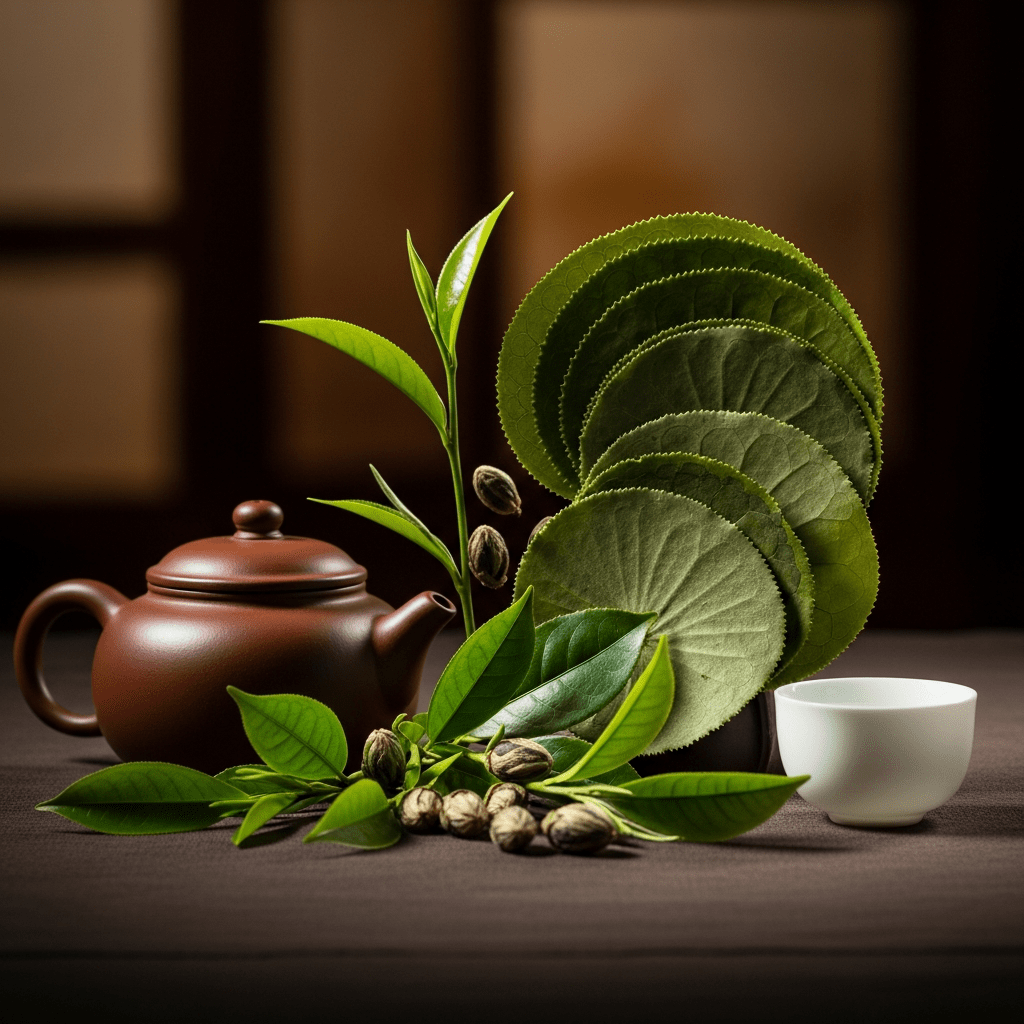
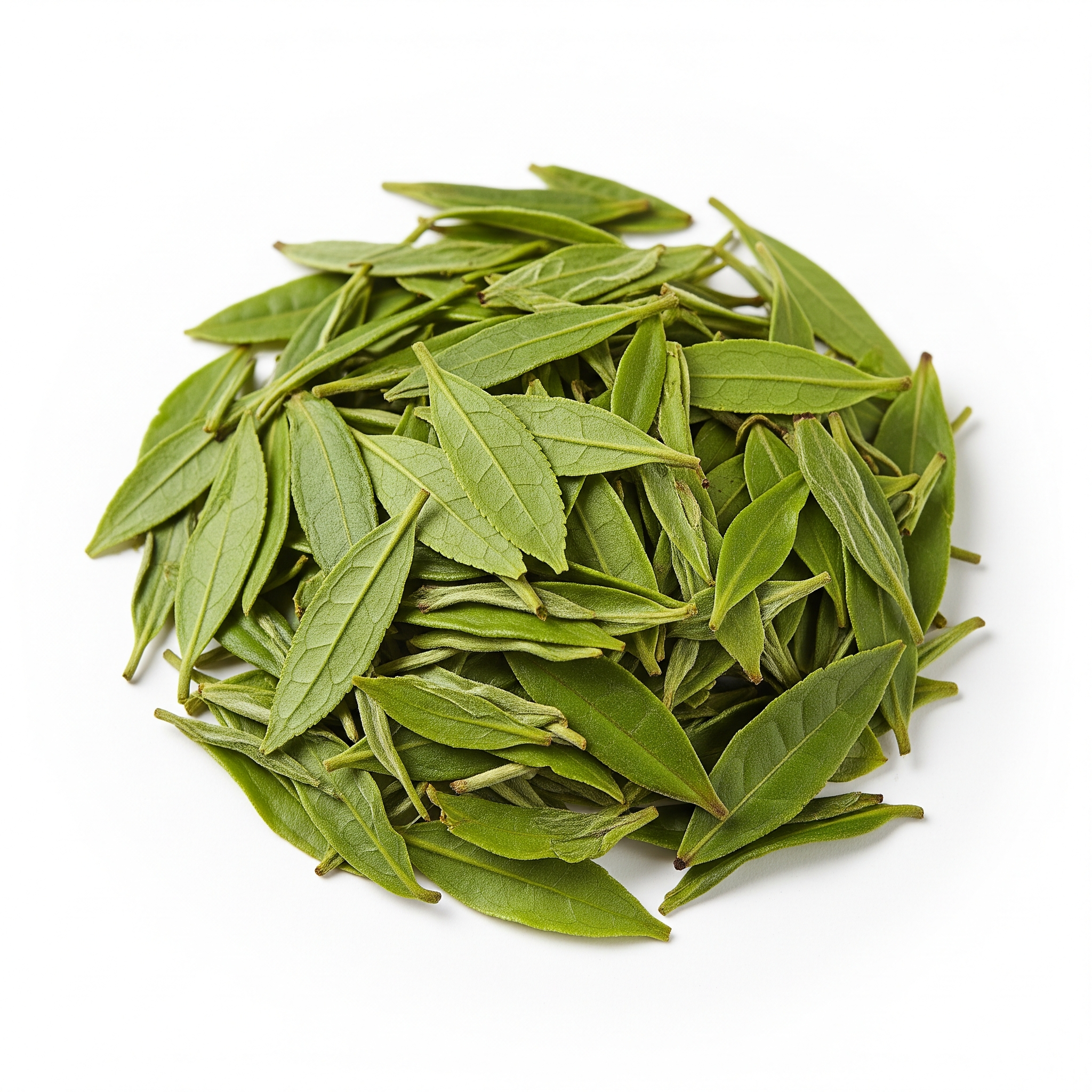
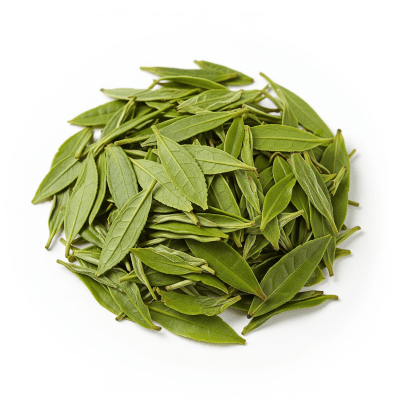
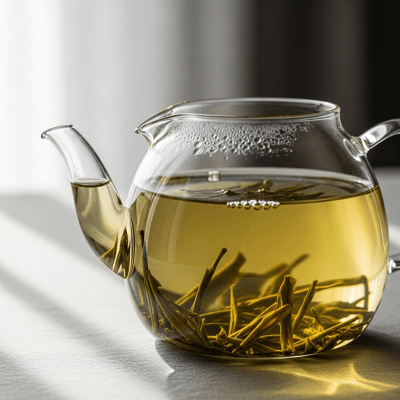
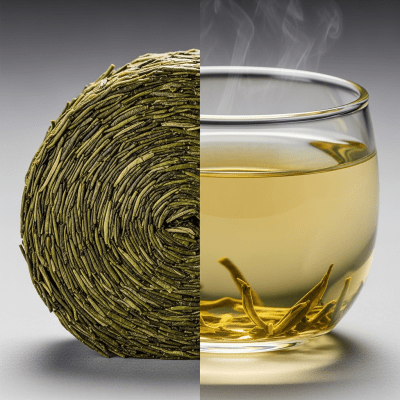
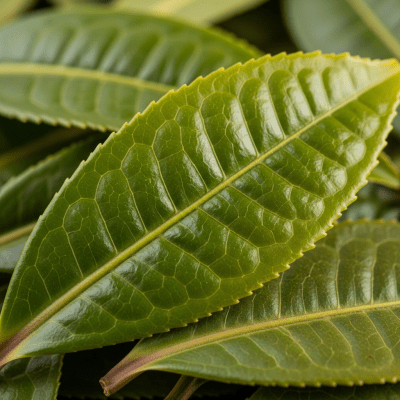
The tea’s leaves are small, tender, and pale green before processing. After pan-firing, they become flat, smooth, and spear-shaped—a hallmark of Longjing’s craftsmanship. The brewed liquor is a pale yellow-green, inviting and clear.
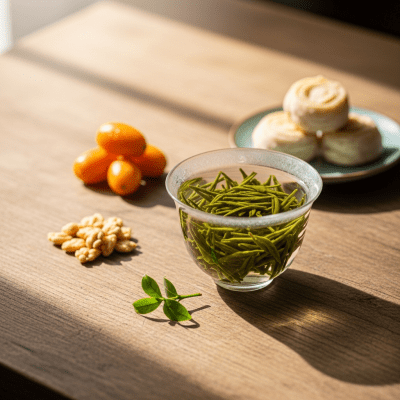
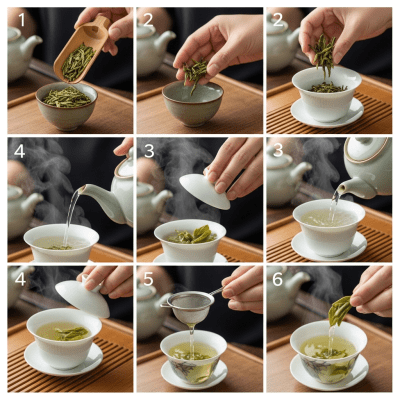
Longjing is prized for its gentle, sweet taste and toasty chestnut aroma. It is traditionally brewed plain, often served in glass cups to showcase the elegant leaf shape as it unfurls. Its delicate flavor and aroma make it a refined choice for daily enjoyment and special occasions alike.
Bring this kind into your world illustrated posters, mugs, and shirts.
Archival print, museum-grade paper
Buy Poster
Stoneware mug, dishwasher safe
Buy Mug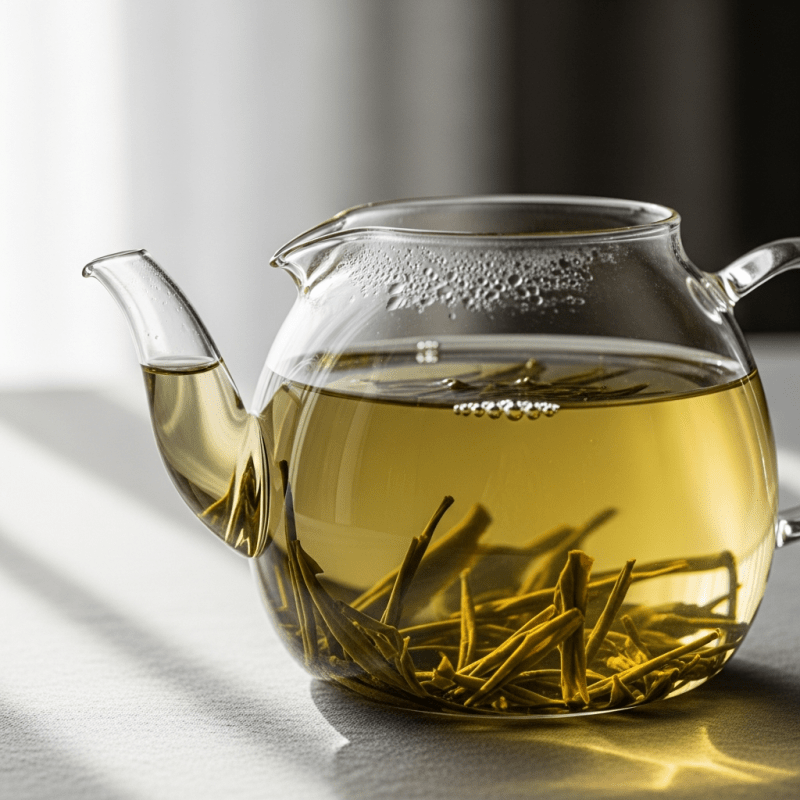
Soft cotton tee, unisex sizes
Buy ShirtHighly esteemed in Chinese culture, Longjing tea holds imperial status since the Qing dynasty and is deeply tied to the West Lake region’s identity. It appears in art and literature as a symbol of refinement and tradition, embodying centuries of tea craftsmanship and regional pride.
Longjing offers a sweet and mellow taste with fresh vegetal notes reminiscent of tender greens. Its aroma carries a distinctive toasty, chestnut-like character, complemented by a lingering umami finish that adds depth and complexity to each sip.
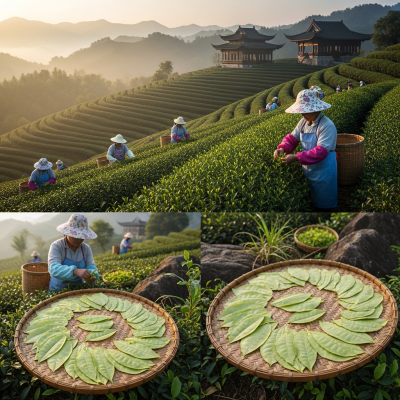
Longjing undergoes a careful pan-firing process that halts oxidation immediately after picking. Leaves are hand-pressed flat in a hot wok, shaping their signature form while drying. This artisanal method preserves the tea’s freshness and imparts its characteristic aroma and flavor.
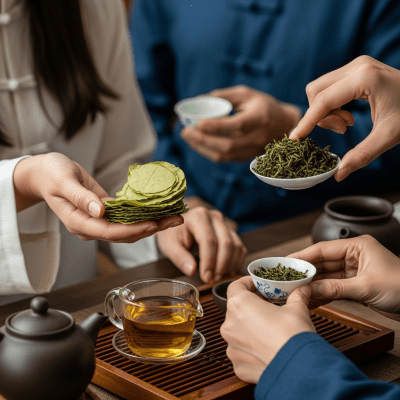
Longjing is traditionally enjoyed plain, often served in transparent glass cups to admire the unfolding leaves. It holds ceremonial importance in Chinese tea culture and is a favored gift and symbol of hospitality, reflecting its esteemed status both domestically and internationally.
Like many green teas, Longjing is rich in antioxidants and polyphenols, which may support cardiovascular health and aid in digestion. Its gentle caffeine content provides a mild stimulant effect without overwhelming the senses, making it a balanced choice for daily wellness.
Within the West Lake region, notable Longjing variants include Shi Feng Longjing, Mei Jia Wu Longjing, and Xihu Longjing. Each reflects subtle differences in terroir, harvest timing, and leaf quality, offering a range of nuanced flavors while adhering to traditional processing standards.