Silver Needle
Silver Needle is a distinguished Chinese white tea made exclusively from young, unopened leaf buds, prized for its delicate flavor and silvery, needle-like appearance.
Silver Needle is a distinguished Chinese white tea made exclusively from young, unopened leaf buds, prized for its delicate flavor and silvery, needle-like appearance.
Originating in China's Fujian province, particularly the Fuding and Zhenghe counties, Silver Needle dates back to the late 18th century during the Qing Dynasty. It derives from local white tea cultivars, with no specific breeder documented, and has since become a hallmark of premium white tea production.
Silver Needle belongs to the white tea category, a major tea type characterized by minimal processing and no oxidation. It is classified botanically under Camellia sinensis, primarily using the Da Bai (var. fujianensis) and Xiao Bai cultivars, setting it apart by its exclusive use of tender leaf buds.
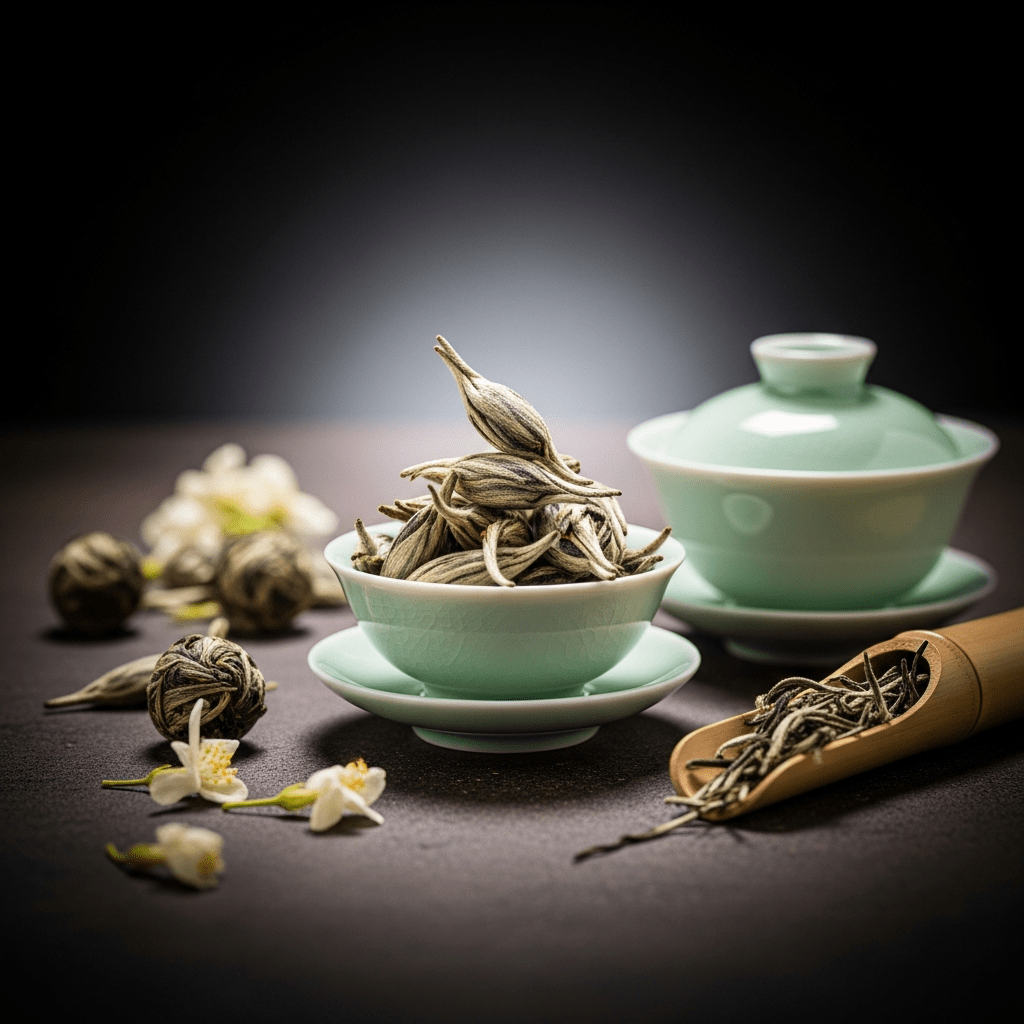
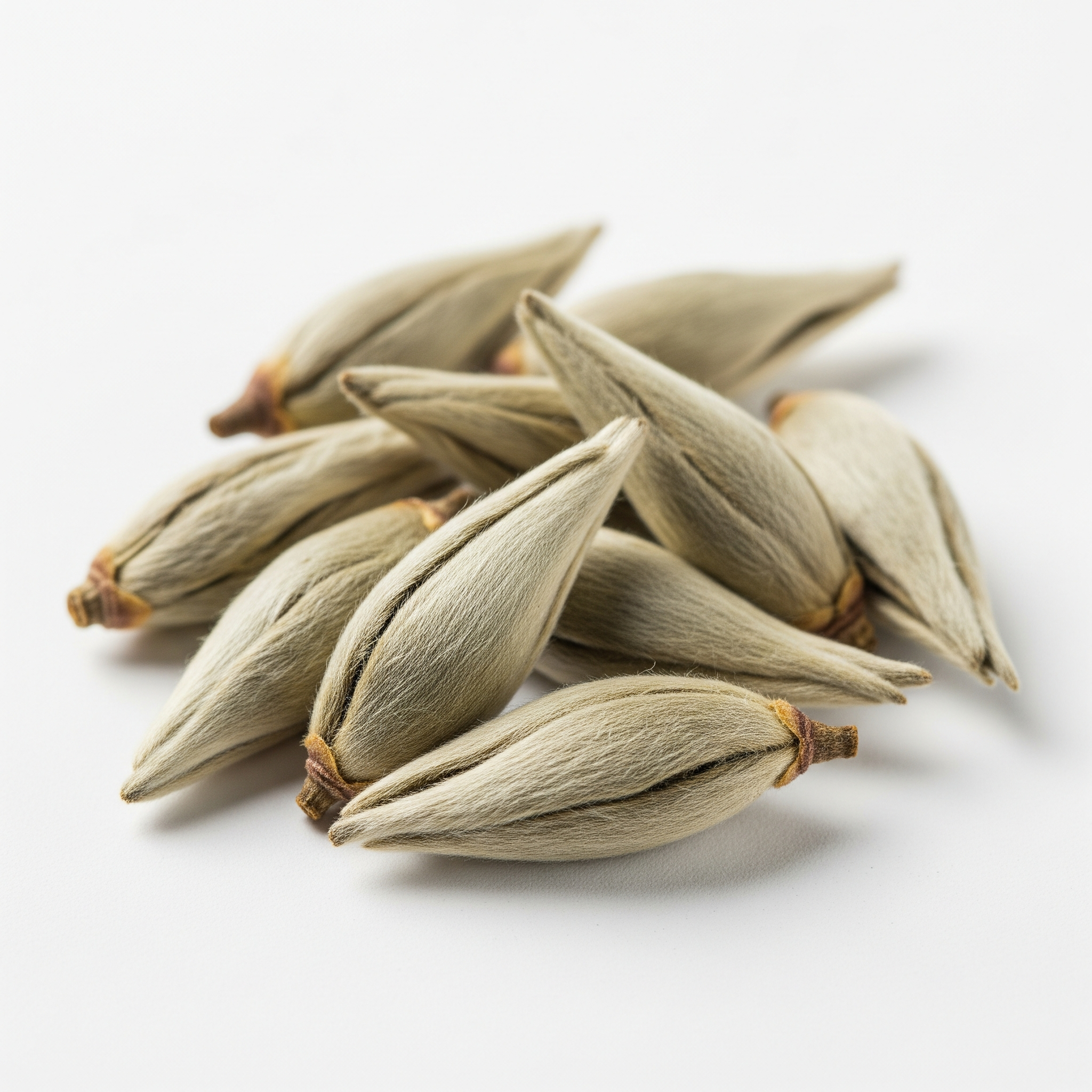
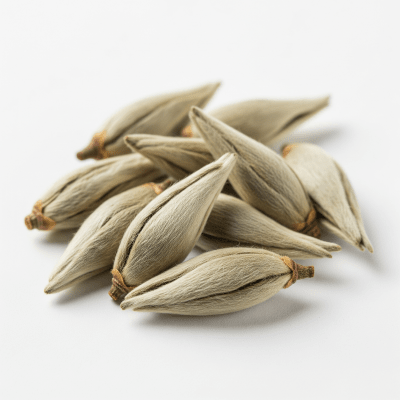
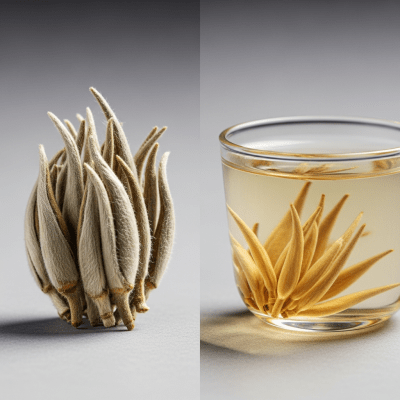
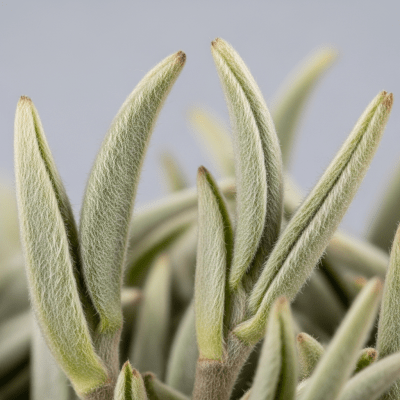
Silver Needle tea leaves are young, unopened buds covered in fine silvery-white hairs known as trichomes. These buds are plump, straight, and uniform, typically measuring 2 to 3 centimeters in length, giving the tea its signature slender, needle-like appearance.
Harvested selectively in early spring, Silver Needle undergoes gentle withering under sunlight or controlled conditions followed by careful drying without rolling or oxidation. This preserves its natural chemical profile, resulting in a pale liquor with subtle sweetness and floral notes. It is brewed at low temperatures to maintain its delicate character and is often reserved for premium or ceremonial use.
Bring this kind into your world illustrated posters, mugs, and shirts.
Archival print, museum-grade paper
Buy Poster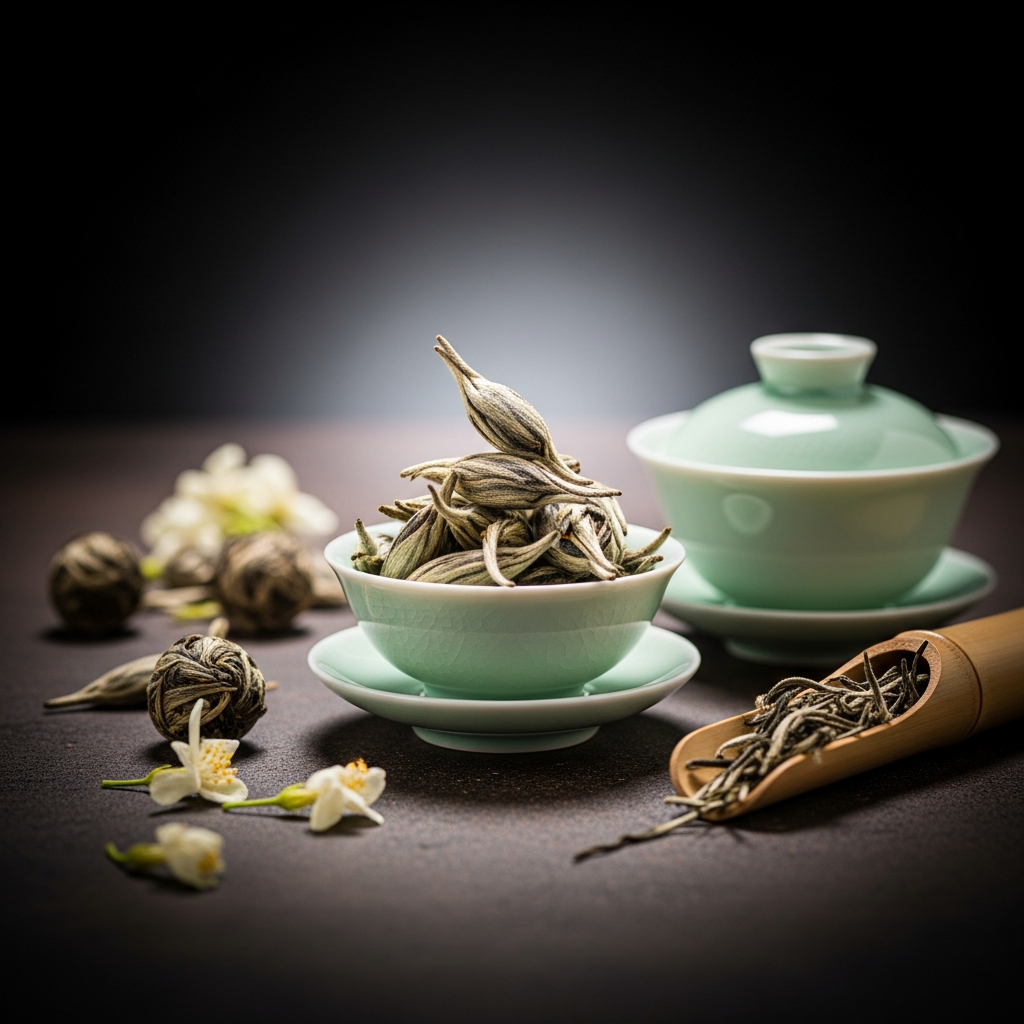
Stoneware mug, dishwasher safe
Buy Mug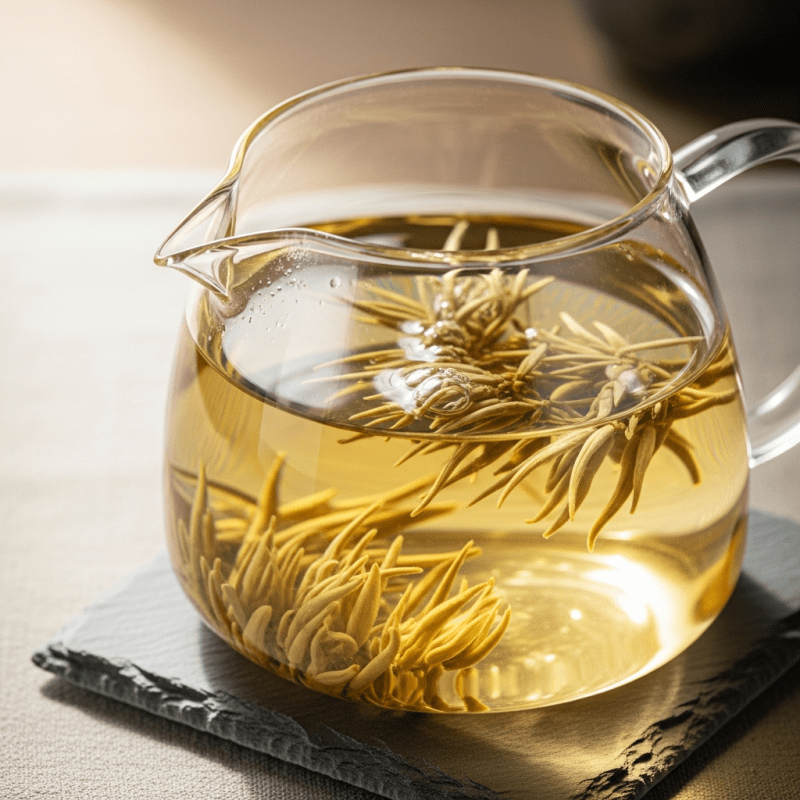
Soft cotton tee, unisex sizes
Buy ShirtRegarded as the highest grade of Chinese white tea, Silver Needle holds a revered place in tea culture. It is frequently gifted and featured in formal tea ceremonies, symbolizing refinement and purity. Its esteemed status reflects centuries of tradition within Fujian's tea heritage.
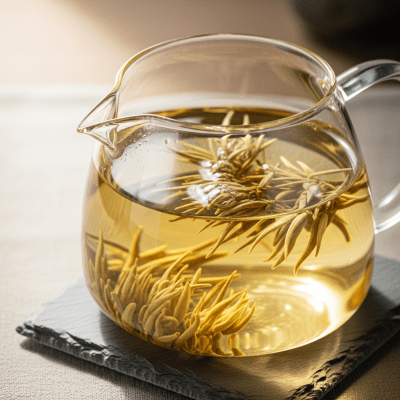
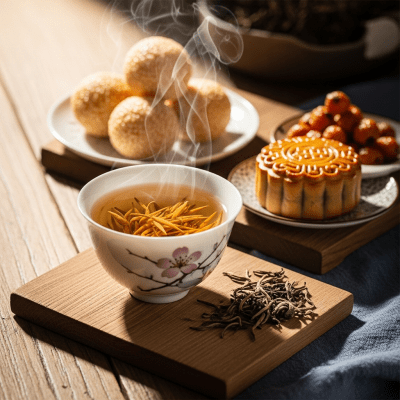
Silver Needle produces a pale, clear liquor with a subtle, sweet flavor profile. Tasting notes often include delicate hints of honeysuckle, melon, and a lingering floral aroma that together create a refined and soothing sensory experience.

Processing Silver Needle involves minimal intervention: freshly plucked buds are withered under natural sunlight or controlled environments to reduce moisture, then gently dried—often by air or low-temperature ovens. No rolling or oxidation occurs, preserving the buds' natural integrity and delicate flavors. Commercial grading typically assesses bud size and uniformity, with certifications verifying authenticity.
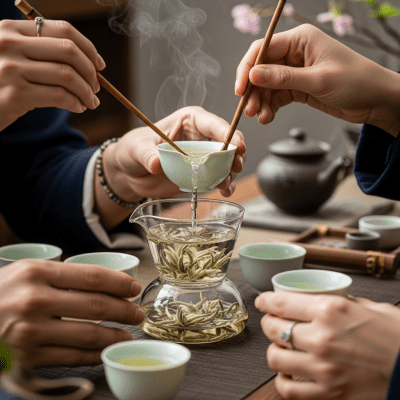
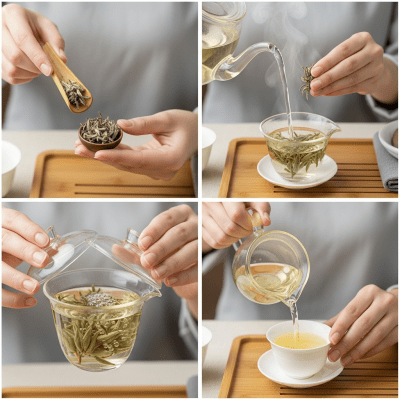
Silver Needle is traditionally brewed at lower temperatures to highlight its subtle notes and is often enjoyed in ceremonial or premium contexts. It is esteemed in Chinese tea culture as a symbol of elegance and purity, frequently presented as a gift or used in formal tea ceremonies to honor guests.
Known for its gentle processing, Silver Needle retains high levels of antioxidants and polyphenols, which are associated with health benefits such as supporting the immune system and promoting cardiovascular health. Its mild caffeine content and soothing floral qualities make it a favored choice for relaxation and wellness.
Within Fujian province, two notable regional variants exist: Fuding Silver Needle and Zhenghe Silver Needle. These differ primarily in bud thickness and subtle flavor distinctions, influenced by cultivar selection and local processing nuances, offering tea enthusiasts a range of refined expressions within the Silver Needle category.