Anji Bai Cha
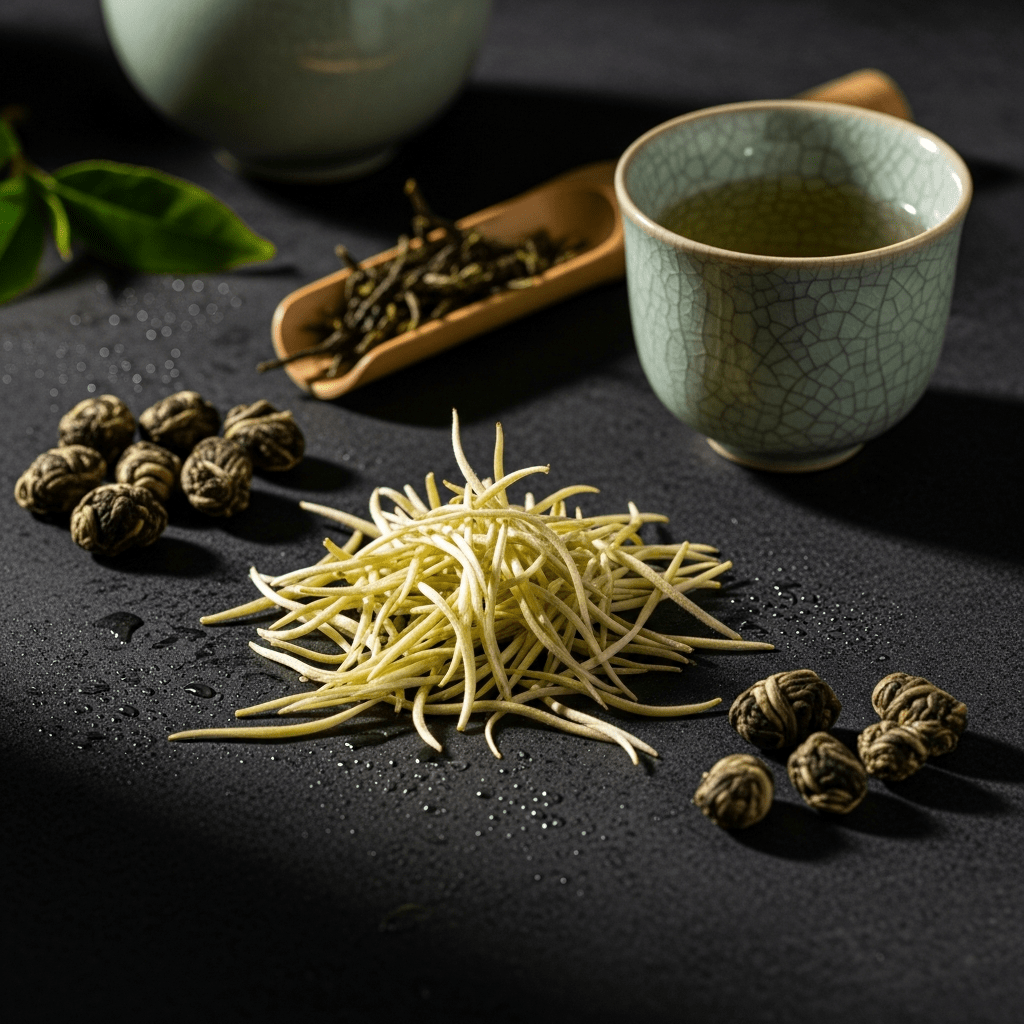
Anji Bai Cha is a rare Chinese green tea celebrated for its pale, almost white-green leaves and its delicate, mellow flavor.
Anji Bai Cha is a rare Chinese green tea celebrated for its pale, almost white-green leaves and its delicate, mellow flavor.
Originating from Anji County in Zhejiang Province, China, Anji Bai Cha was first discovered in 1982 as a natural mutation of Camellia sinensis var. sinensis. Since then, local farmers and research institutes have cultivated and preserved this unique tea cultivar without formal breeding institutions.
Classified as a green tea, Anji Bai Cha belongs to the broader family of teas derived from the Camellia sinensis plant, specifically the var. sinensis botanical variety. Its defining characteristic is minimal oxidation, placing it firmly within the green tea category despite its pale leaf color.
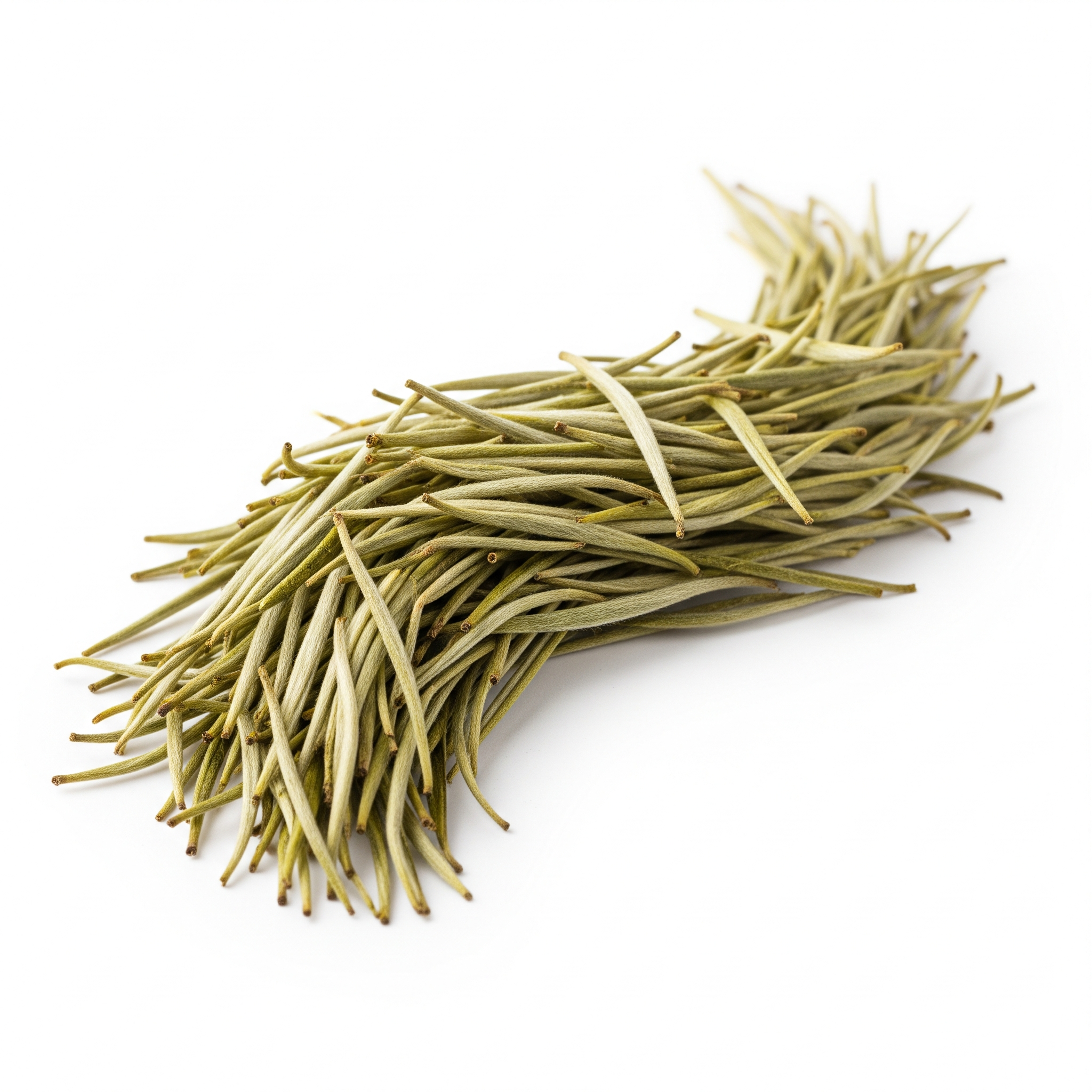
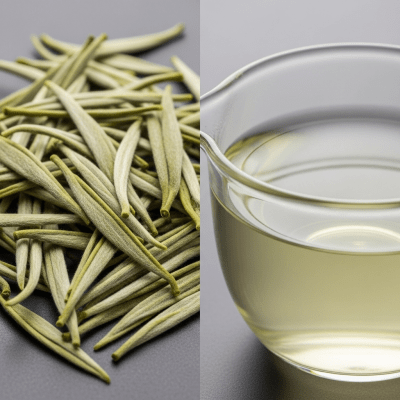
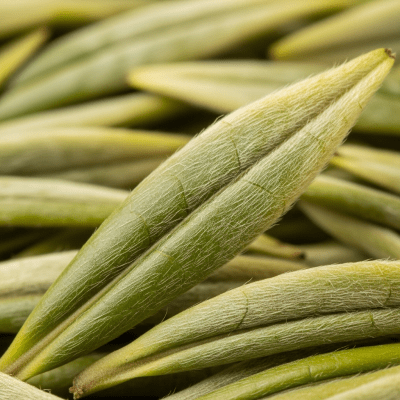
The tea leaves of Anji Bai Cha are strikingly pale, almost white-green during the early spring flush when chlorophyll levels are low. They are long, narrow, and tender with pointed tips and fine serrations, reflecting their delicate nature and unique genetic traits.
Anji Bai Cha is harvested within a brief 30–40 day window in early spring, yielding a limited quantity each year. Its leaves are carefully processed with minimal oxidation and gentle pan-firing to preserve their light color and fresh, mellow taste. The tea is prized as a premium loose-leaf variety, enjoyed primarily for its subtle floral aroma and gentle sweetness.
Bring this kind into your world illustrated posters, mugs, and shirts.
Archival print, museum-grade paper
Buy Poster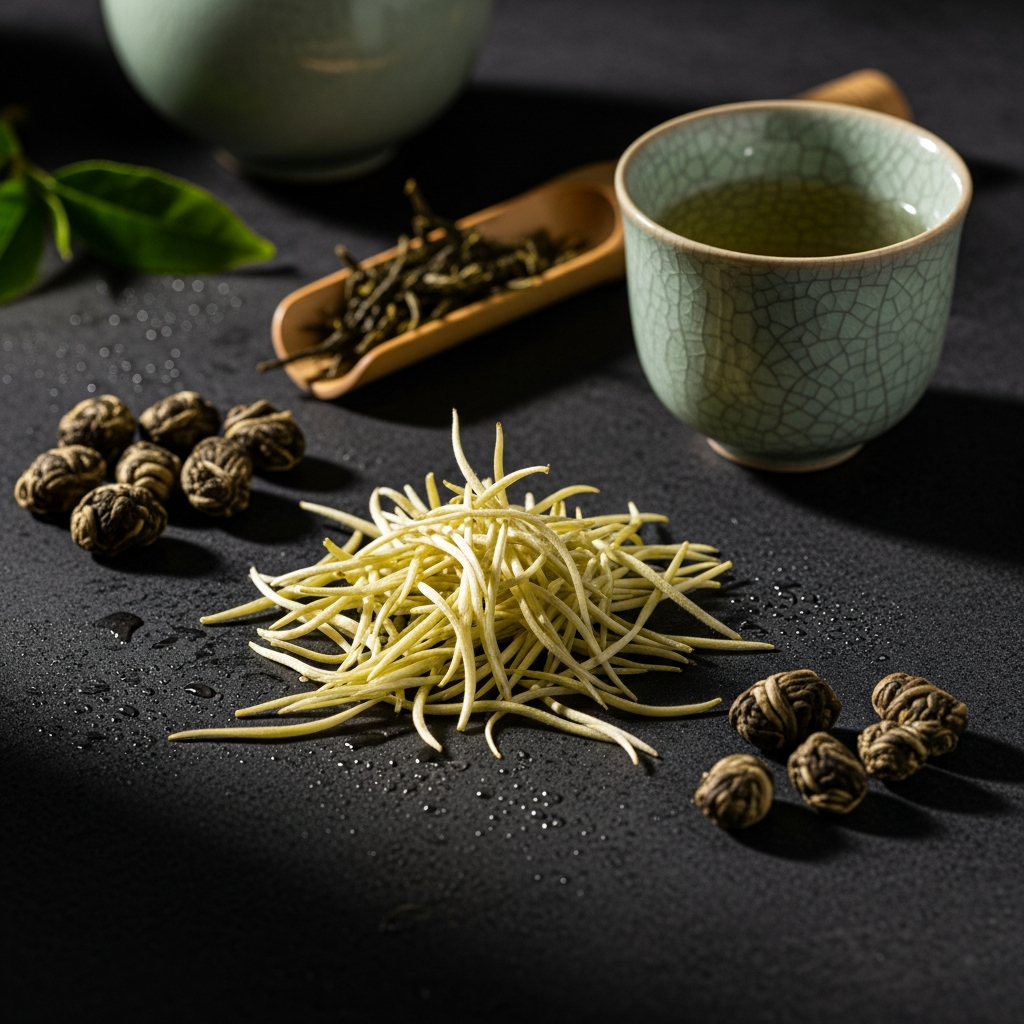
Stoneware mug, dishwasher safe
Buy Mug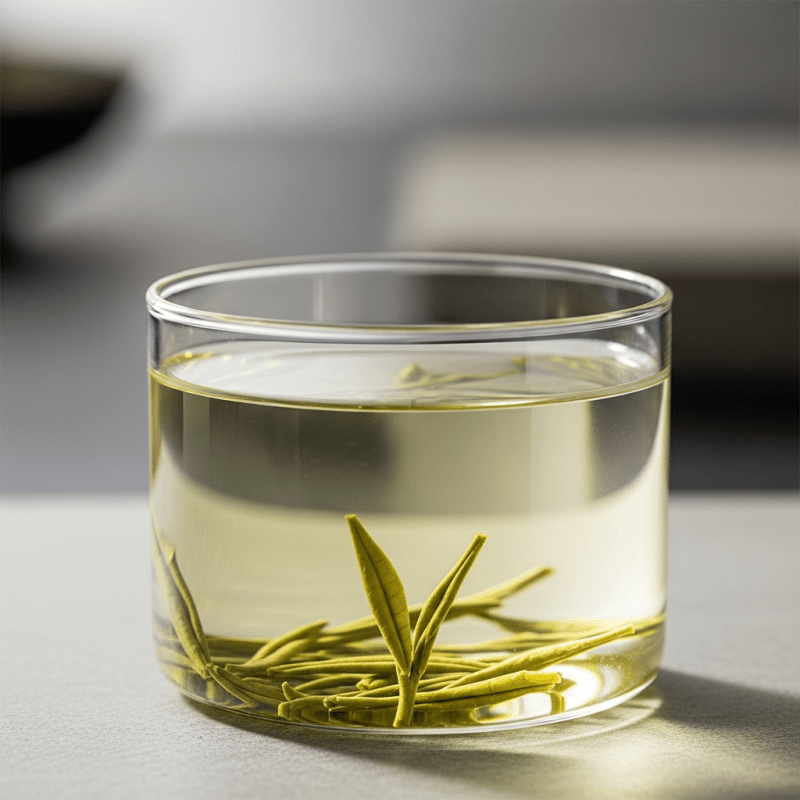
Soft cotton tee, unisex sizes
Buy ShirtWhile Anji Bai Cha does not have a widely documented ceremonial role, it holds cultural importance as a regional specialty of Anji County. Its name, meaning "Anji White Tea," highlights the unique pale leaf color, distinguishing it within Chinese tea culture despite being a green tea by processing.
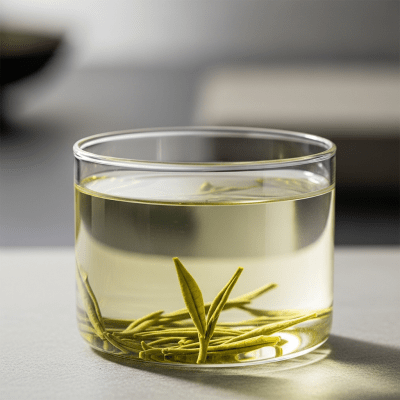
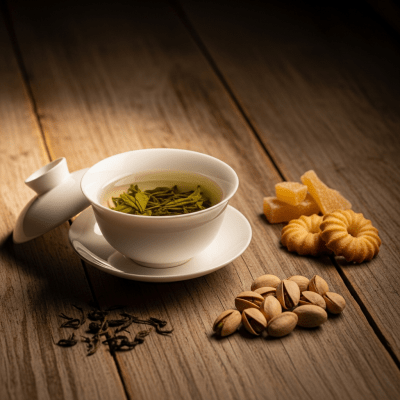
Anji Bai Cha brews a pale yellow-green liquor with a subtle floral aroma. Its flavor is gentle and mellow, featuring a delicate sweetness with very low astringency, making it exceptionally smooth and approachable among green teas.
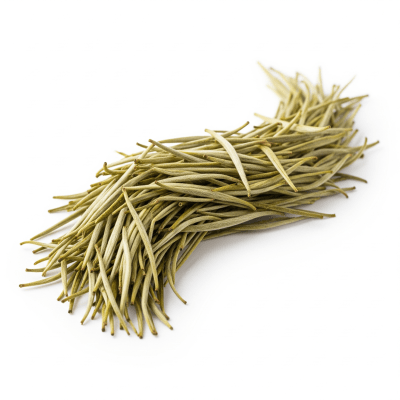

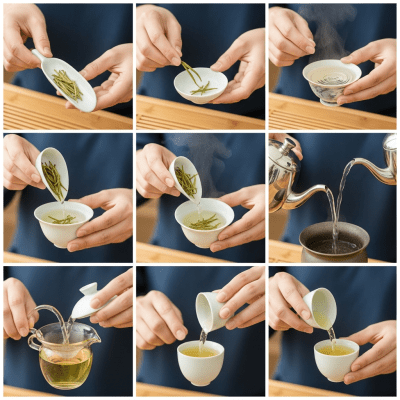
The processing of Anji Bai Cha involves minimal oxidation to preserve its fresh character. After harvesting, the leaves undergo careful pan-firing to halt enzymatic activity and maintain their pale color. This gentle treatment ensures the tea retains its delicate aroma and mellow flavor.
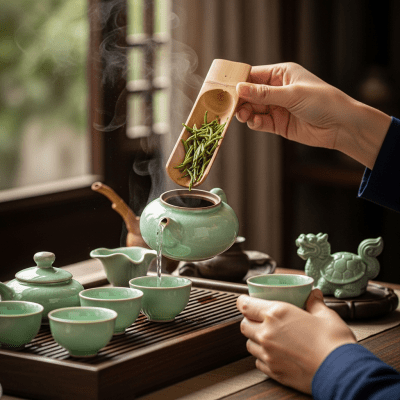
Primarily consumed as a premium loose-leaf tea, Anji Bai Cha is enjoyed plain to highlight its subtle flavors. While not strongly tied to formal ceremonies, it is esteemed in Chinese tea culture as a prized regional specialty and is increasingly appreciated in international specialty tea markets.
Like many green teas, Anji Bai Cha is reputed to offer health benefits including antioxidant properties and gentle stimulation from natural caffeine. Its delicate processing helps preserve beneficial compounds, contributing to its reputation as a refreshing and healthful beverage.
Authentic Anji Bai Cha is strictly limited to Anji County, Zhejiang Province, with no widely recognized regional variants. The name "Anji White Tea" is sometimes used interchangeably, but genuine production remains geographically and stylistically specific to this area.