White Tea
White tea is a minimally processed variety made from the young leaves and buds of Camellia sinensis, prized for its delicate flavor, pale infusion, and subtle aroma.
White tea is a minimally processed variety made from the young leaves and buds of Camellia sinensis, prized for its delicate flavor, pale infusion, and subtle aroma.
Originating in Fujian province, China, white tea has a rich history dating back to the Tang and Song dynasties (618–1279 CE). It evolved as a traditional regional practice rather than through a single breeder or institution, with cultivars like Da Bai (Large White) and Da Hao (Large Hair) becoming well known.
Classified within the Camellia sinensis family, white tea stands apart as a non-oxidized tea category, distinguished by its minimal processing that preserves the natural integrity of young buds and leaves. It belongs to the broader group of true teas alongside green, black, oolong, yellow, and pu-erh teas.
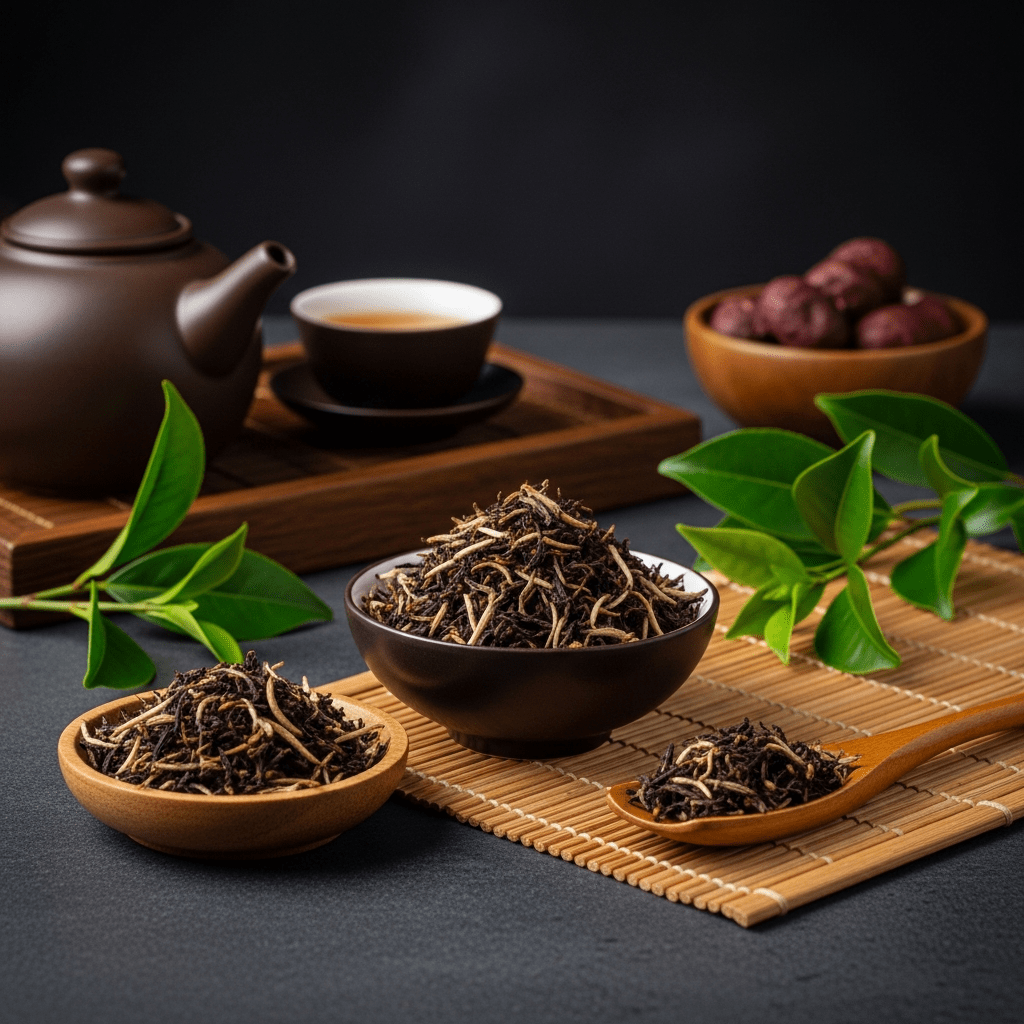
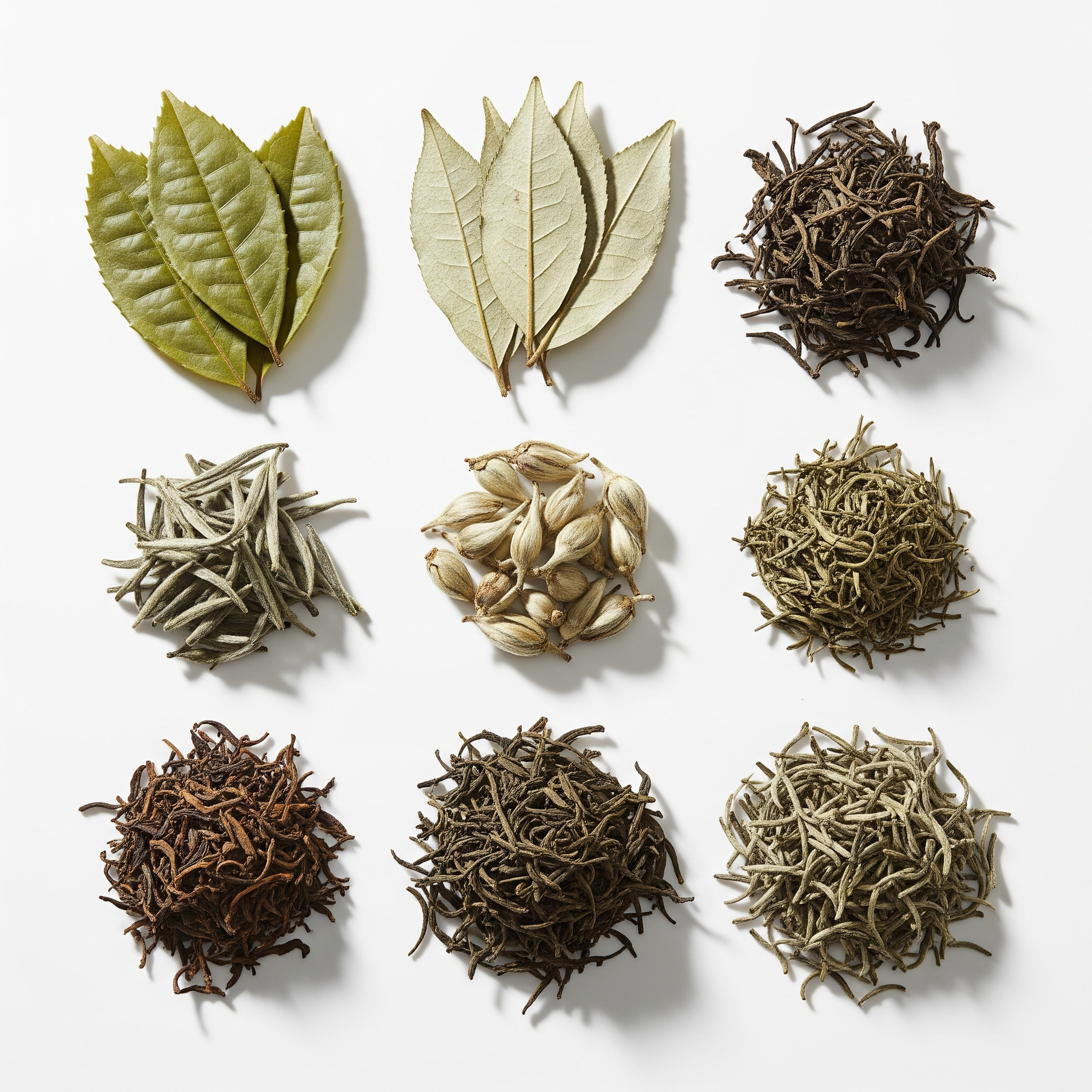
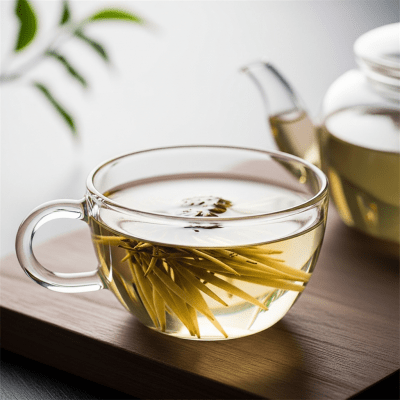
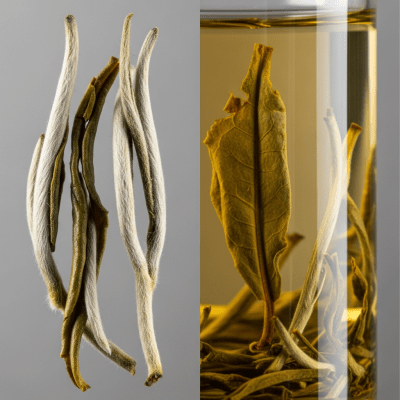
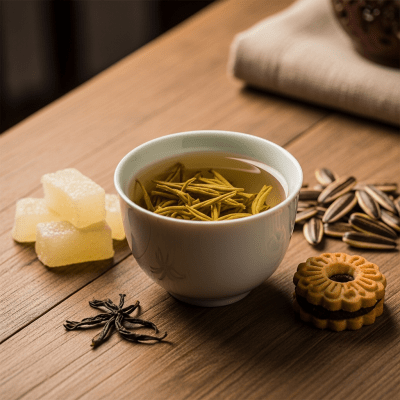
White tea leaves are small and tender, covered in fine silvery-white hairs that give the tea its name. The foliage displays a pale green to silvery hue, reflecting its youthful harvest. The dry leaves often appear delicate and downy, while brewed tea yields a pale golden infusion.
White tea is primarily harvested in early spring, selecting only the youngest buds and first leaves. Its gentle processing involves withering and drying without rolling or oxidation, preserving natural enzymes and antioxidants. This careful handling results in a tea prized for its subtle sweetness and light floral character, often enjoyed plain to appreciate its delicate nuances.
Bring this kind into your world illustrated posters, mugs, and shirts.
Archival print, museum-grade paper
Buy Poster
Stoneware mug, dishwasher safe
Buy Mug
Soft cotton tee, unisex sizes
Buy ShirtIn Chinese culture, white tea holds a revered place as a symbol of purity and refinement, often associated with health and longevity. It appears in traditional ceremonies and is celebrated in art and literature for its understated elegance. Globally, white tea has gained recognition as a premium health beverage, embodying a connection to ancient tea traditions.
White tea offers a delicate and lightly sweet flavor, often accompanied by subtle floral and vegetal notes. Its aroma is gentle and fresh, while the brewed liquor presents a pale golden color that reflects its soft and refined character.
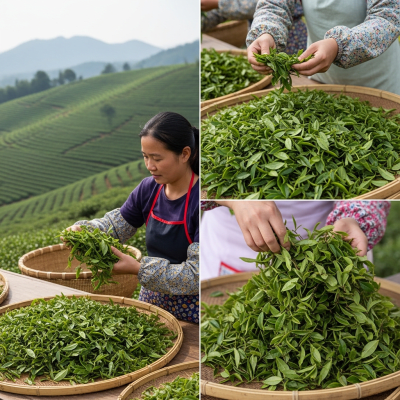

White tea undergoes minimal processing, primarily involving two key steps: withering and drying. The leaves and buds are carefully plucked, then allowed to wither naturally to reduce moisture, followed by gentle drying to preserve their natural enzymes and polyphenols. Unlike other teas, white tea is neither rolled nor oxidized, maintaining its fresh and delicate qualities.
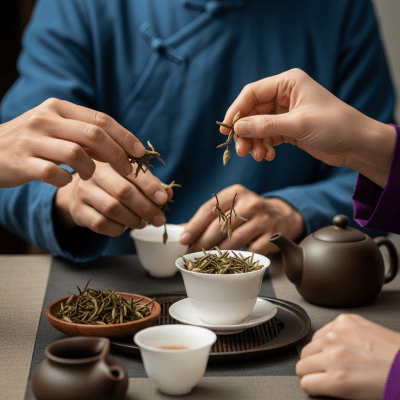
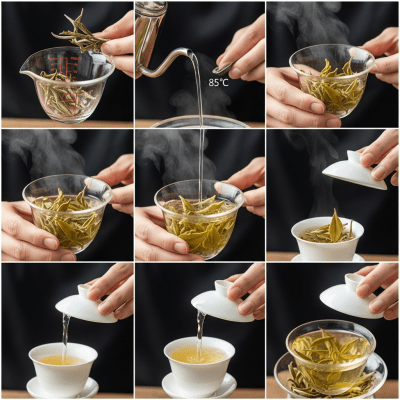
White tea is traditionally brewed with lower water temperatures and shorter steeping times to highlight its subtle flavors. It is often enjoyed plain, without additives, and can be steeped multiple times. In China, it is appreciated in informal and ceremonial contexts alike, while internationally it is embraced as a premium, healthful beverage.
Renowned for its high antioxidant content, white tea is believed to support cardiovascular health, boost the immune system, and provide anti-aging benefits. Its gentle processing helps retain polyphenols and catechins, compounds associated with reducing inflammation and promoting overall wellness.
While Fujian province remains the heartland of white tea production, notable regional variants include Silver Needle (Baihao Yinzhen), made exclusively from buds, and Bai Mudan (White Peony), which blends buds with young leaves. Other regions such as Yunnan and Sri Lanka produce white-style teas, though these differ in naming conventions and processing nuances from the traditional Fujian types.