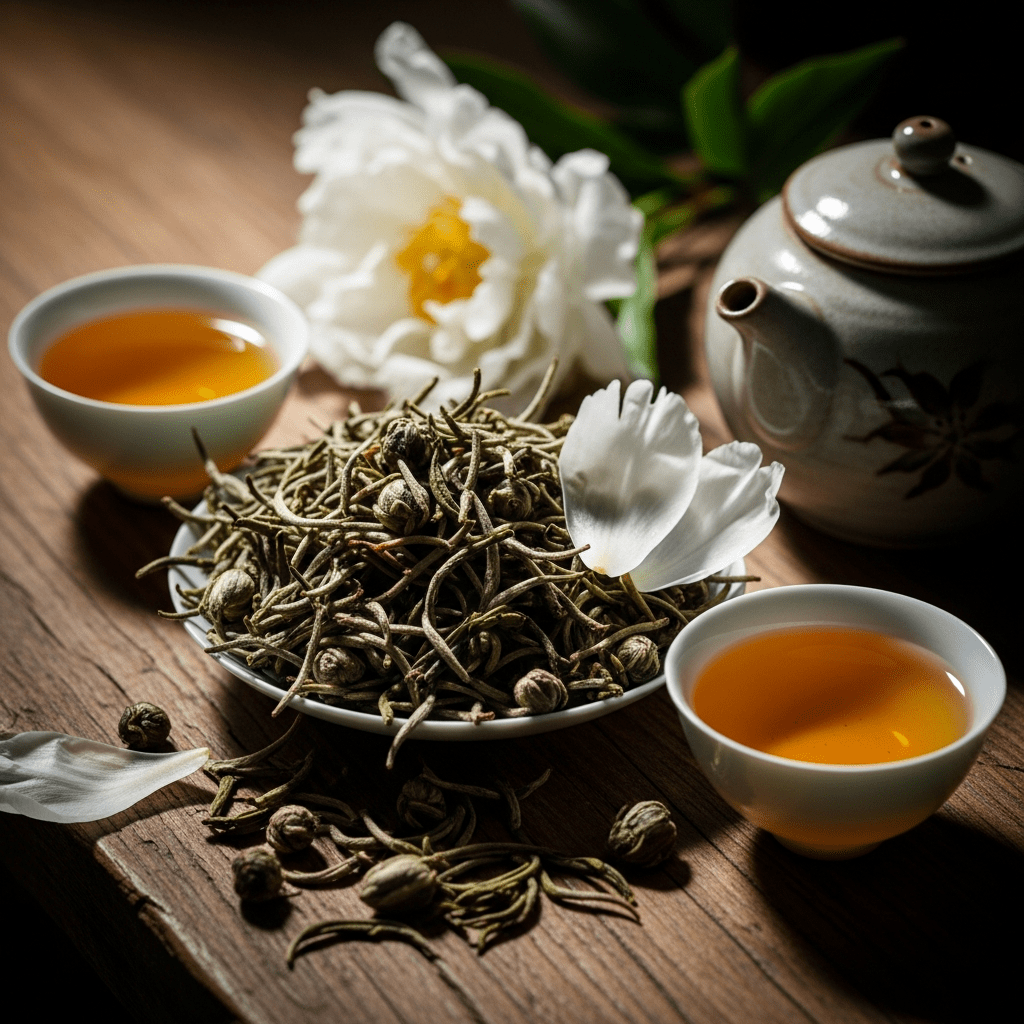
Bai Mudan
Bai Mudan, or White Peony, is a celebrated Chinese white tea known for its delicate floral aroma, mild sweetness, and a fuller body achieved by using both young buds and the first two leaves.
Bai Mudan, or White Peony, is a celebrated Chinese white tea known for its delicate floral aroma, mild sweetness, and a fuller body achieved by using both young buds and the first two leaves.
Originating from Fujian Province in China, particularly the Fuding and Zhenghe counties, Bai Mudan emerged as a popular white tea in the late 20th century. It developed following the tradition of Silver Needle tea, utilizing the Da Bai cultivar native to the region, though its exact historical inception remains undocumented.
Bai Mudan belongs to the white tea category within the broader family of teas derived from Camellia sinensis. It is classified by its minimal processing and the inclusion of both buds and young leaves, distinguishing it from other white teas like Silver Needle, which uses only buds.
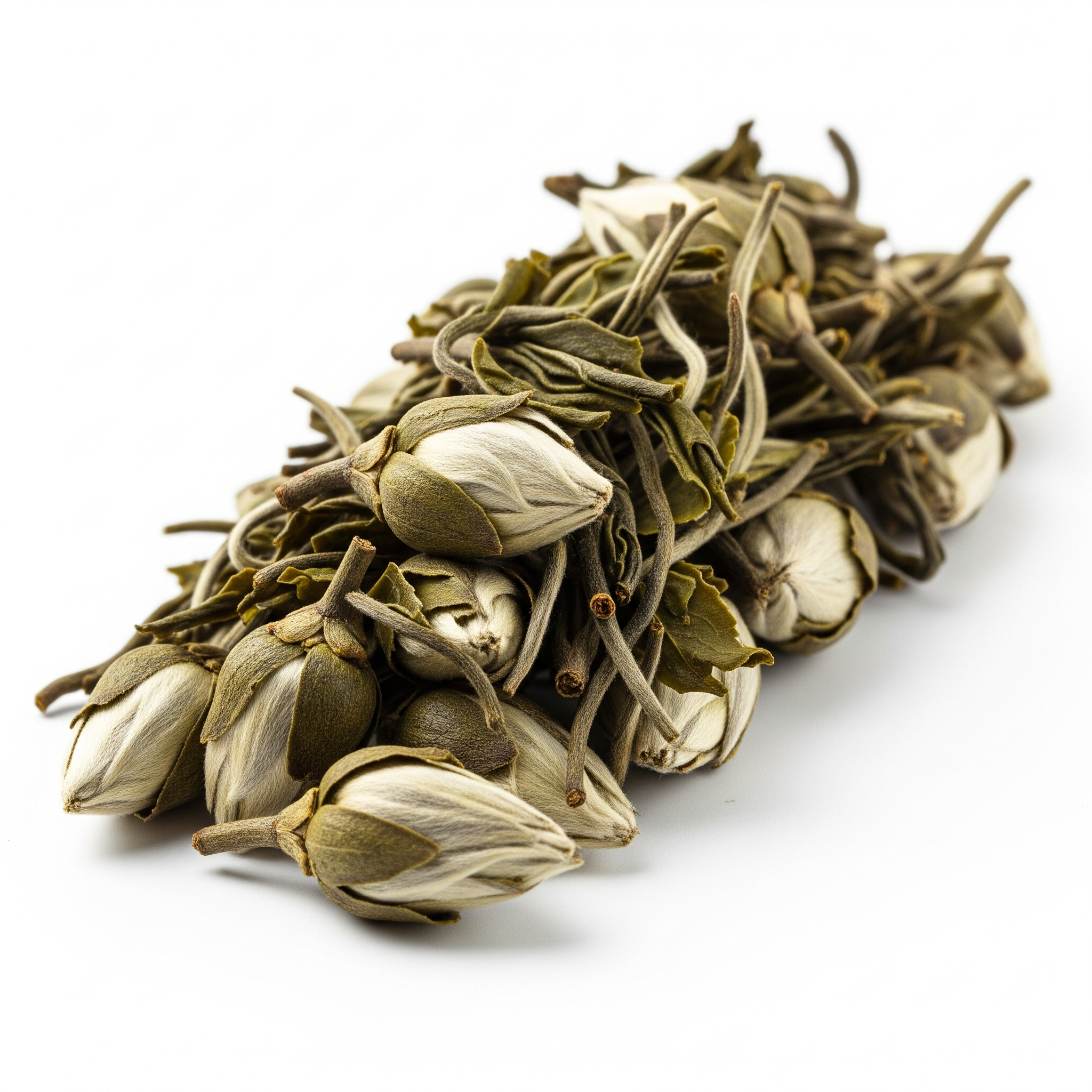
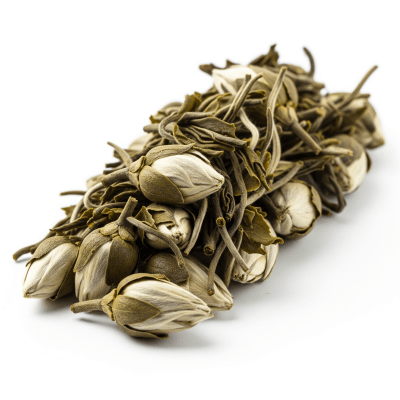
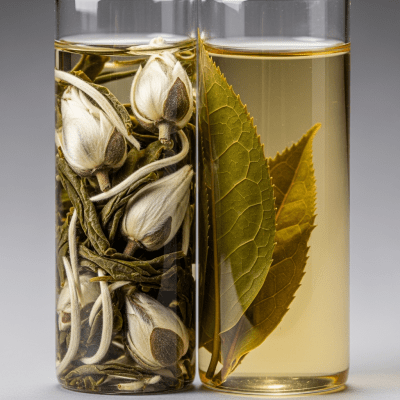
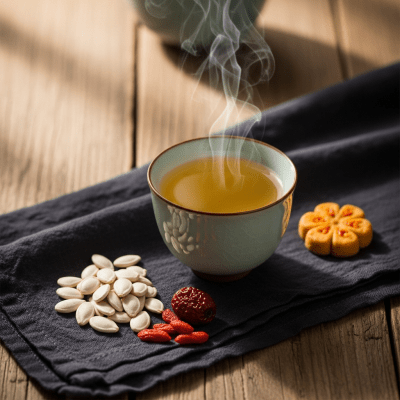
The tea leaves of Bai Mudan are large and broad, featuring fine silvery-white hairs called trichomes on the buds and upper leaf surfaces. When brewed, the liquor displays a pale yellow to light gold hue, reflecting its gentle processing and fresh leaf content.
Bai Mudan is harvested by plucking the terminal bud along with the next one or two young leaves. It undergoes natural withering—either sun or indoor—followed by gentle drying without rolling or oxidation. This careful handling preserves its delicate flavors and aroma, making it suitable for both loose leaf and compressed cake forms.
Bring this kind into your world illustrated posters, mugs, and shirts.
Archival print, museum-grade paper
Buy Poster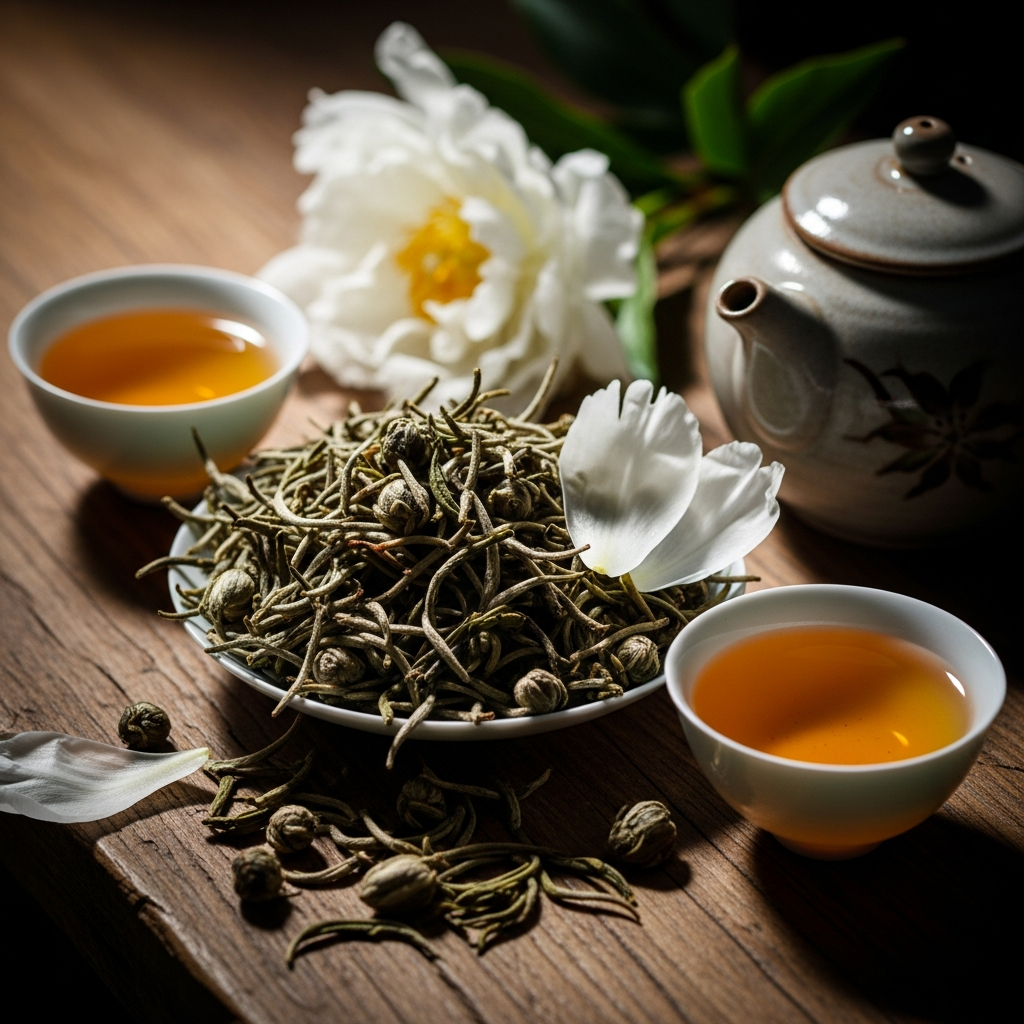
Stoneware mug, dishwasher safe
Buy Mug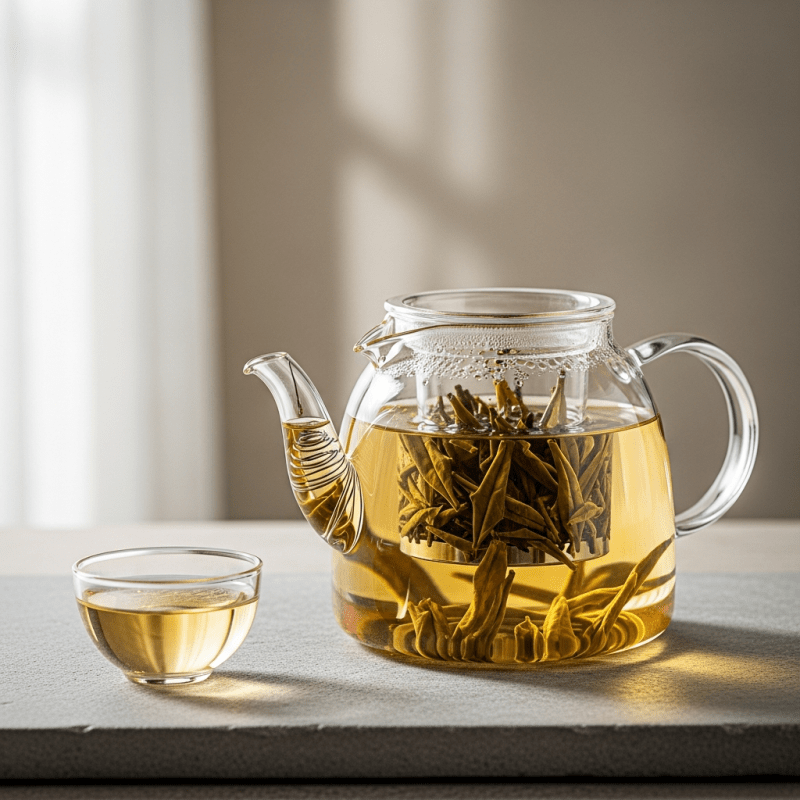
Soft cotton tee, unisex sizes
Buy ShirtAs a staple of Chinese white tea tradition, Bai Mudan holds cultural value especially in Fujian Province, where it is recognized under national standards. It represents a balance between delicacy and fuller flavor, often enjoyed in everyday tea rituals and appreciated by connoisseurs worldwide.
Bai Mudan offers a floral and sweet aroma with subtle vegetal notes. Its flavor is more robust and fuller-bodied than other white teas like Silver Needle, delivering a gentle yet pronounced taste experience that balances delicacy with depth.

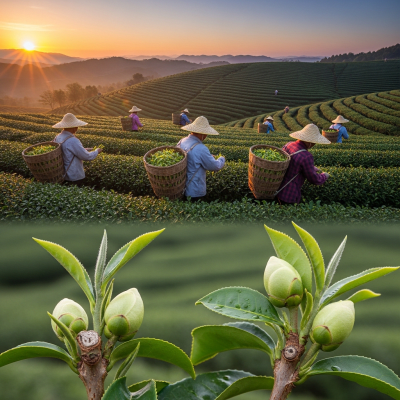
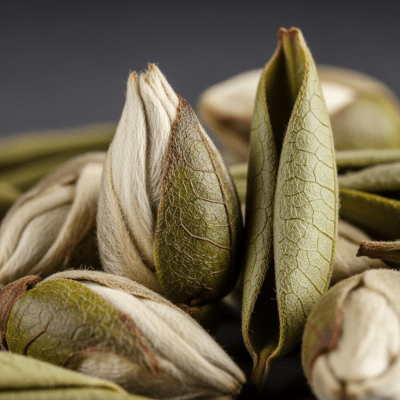
The processing of Bai Mudan involves minimal intervention: freshly plucked buds and leaves are withered naturally—either under the sun or indoors—and then gently dried. There is no rolling or oxidation, preserving the tea's fresh and delicate character.
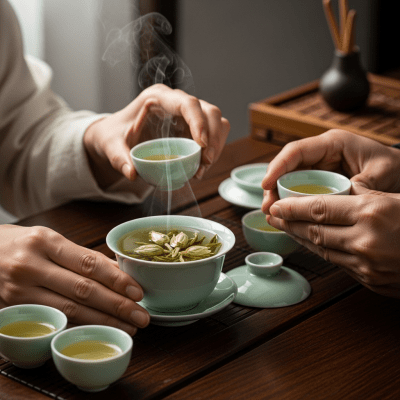
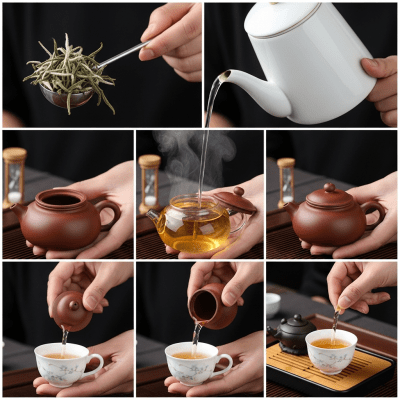
Bai Mudan is traditionally brewed as loose leaf tea, often steeped multiple times to reveal evolving flavors. It is also pressed into cakes for aging or convenient storage. While not tied to a specific ceremony, it enjoys widespread appreciation in Chinese tea culture and global specialty tea markets.
Like other white teas, Bai Mudan is reputed for its antioxidants and mild caffeine content, which may support gentle stimulation and overall wellness. Its minimal processing helps retain natural polyphenols thought to contribute to health benefits.
Two primary regional variants of Bai Mudan are recognized: Fuding Bai Mudan and Zhenghe Bai Mudan. These differ slightly in leaf-to-bud ratios and subtle processing nuances, reflecting local terroir and traditional practices within Fujian Province.