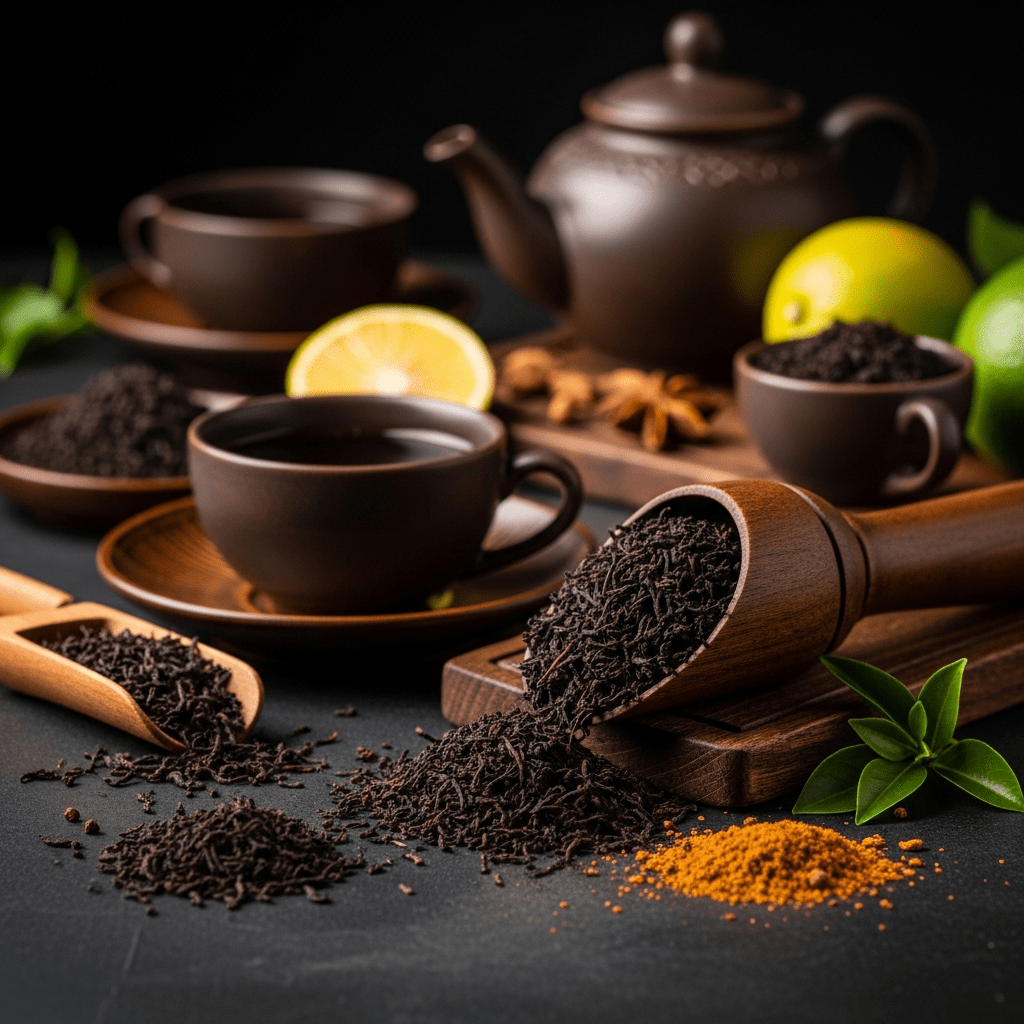
Ceylon Tea
Ceylon Tea is a distinguished black tea from Sri Lanka, celebrated worldwide for its brisk, lively character and distinctive citrusy notes.
Ceylon Tea is a distinguished black tea from Sri Lanka, celebrated worldwide for its brisk, lively character and distinctive citrusy notes.
Originating in mid-19th century Sri Lanka, then known as Ceylon, this tea emerged after British planters introduced Camellia sinensis following a devastating coffee blight. The first commercial plantation was established in 1867 by James Taylor at Loolecondera Estate, marking the beginning of a thriving tea industry that blends both var. sinensis and var. assamica varieties.
Ceylon Tea belongs to the black tea category, produced from fully oxidized leaves of the Camellia sinensis plant. It encompasses several regional subtypes shaped by altitude and terroir, fitting within the broader taxonomy of orthodox black teas prized for their quality and diversity.
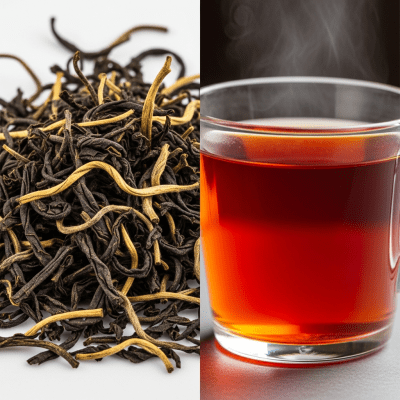
The tea leaves are medium to large, dark green, and glossy, typically harvested as two leaves and a bud. When brewed, Ceylon Tea yields a bright, golden to reddish liquor that is visually inviting and indicative of its brisk flavor profile.
Primarily processed through orthodox methods involving withering, rolling, full oxidation, drying, and sorting, Ceylon Tea serves versatile roles—from a refreshing plain brew to a robust cup with milk or iced tea. Its brisk astringency and citrus notes make it a favored choice for both single-origin enjoyment and blending.
Bring this kind into your world illustrated posters, mugs, and shirts.

Archival print, museum-grade paper
Buy Poster
Stoneware mug, dishwasher safe
Buy Mug
Soft cotton tee, unisex sizes
Buy ShirtAs a major export of Sri Lanka, Ceylon Tea holds significant cultural and economic importance. It is symbolized internationally by the iconic Lion Logo certification, representing authenticity and heritage. The tea features prominently in global markets and local traditions, embodying Sri Lanka’s rich agricultural legacy.
Ceylon Tea offers a bright and lively liquor with a golden to reddish hue. Its flavor is brisk and astringent, often accompanied by refreshing citrus notes, subtle spice, and delicate floral undertones. These sensory qualities vary by region, reflecting the tea’s terroir and altitude.
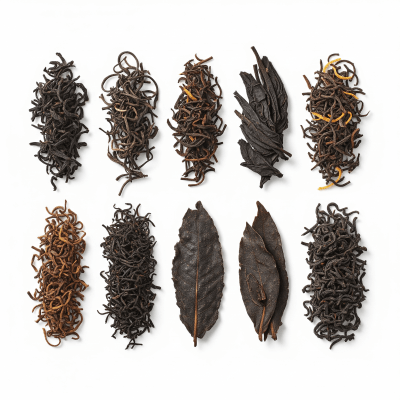





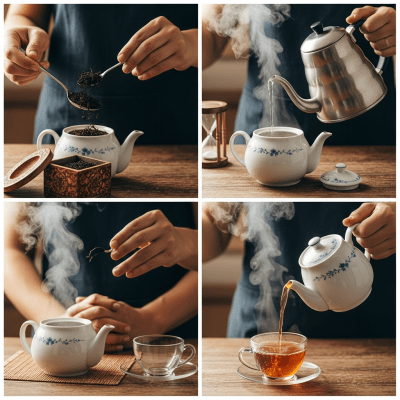
The production of Ceylon Tea involves full oxidation through orthodox processing steps: withering to reduce moisture, rolling to shape leaves and release enzymes, fermentation (oxidation) to develop color and flavor, drying to halt oxidation, and sorting to grade the leaves. Some estates also produce CTC teas for commercial blends.
Ceylon Tea is enjoyed worldwide in multiple serving styles—plain, with milk, or iced. It holds a prominent place in both everyday drinking and formal tea culture, prized for its versatility and quality. The tea’s export status also makes it a cultural ambassador of Sri Lanka’s heritage.
Rich in antioxidants and naturally caffeine-containing, Ceylon Tea is reputed to support alertness and cardiovascular health. Its polyphenols contribute to potential anti-inflammatory effects, while its moderate caffeine content offers a gentle energy boost.
Ceylon Tea’s character shifts with its growing altitude and region. Notable variants include: