
Yunnan Green Tea
Yunnan Green Tea is a distinctive category of green teas from Yunnan Province, China, celebrated for its vibrant green liquor, brisk flavor, and fresh floral and chestnut-like aromas.
Yunnan Green Tea is a distinctive category of green teas from Yunnan Province, China, celebrated for its vibrant green liquor, brisk flavor, and fresh floral and chestnut-like aromas.
Originating in Yunnan Province, southwestern China, Yunnan Green Tea traces its roots to one of the earliest tea-growing regions in the world. Cultivated from indigenous large-leaf tea trees of Camellia sinensis var. assamica, these teas have been produced for centuries in high-altitude, misty environments that foster slow leaf growth and concentrated flavors. While no single breeder or institution is credited with its development, local varieties like Yunwu (Cloud Mist) reflect the region's rich tea heritage.
Classified within the green tea family, Yunnan Green Tea is a non-oxidized tea derived from the Camellia sinensis plant, specifically the assamica variety. It stands apart from other Chinese teas like black (Dian Hong) and pu-erh by its processing method and fresh, unoxidized character.
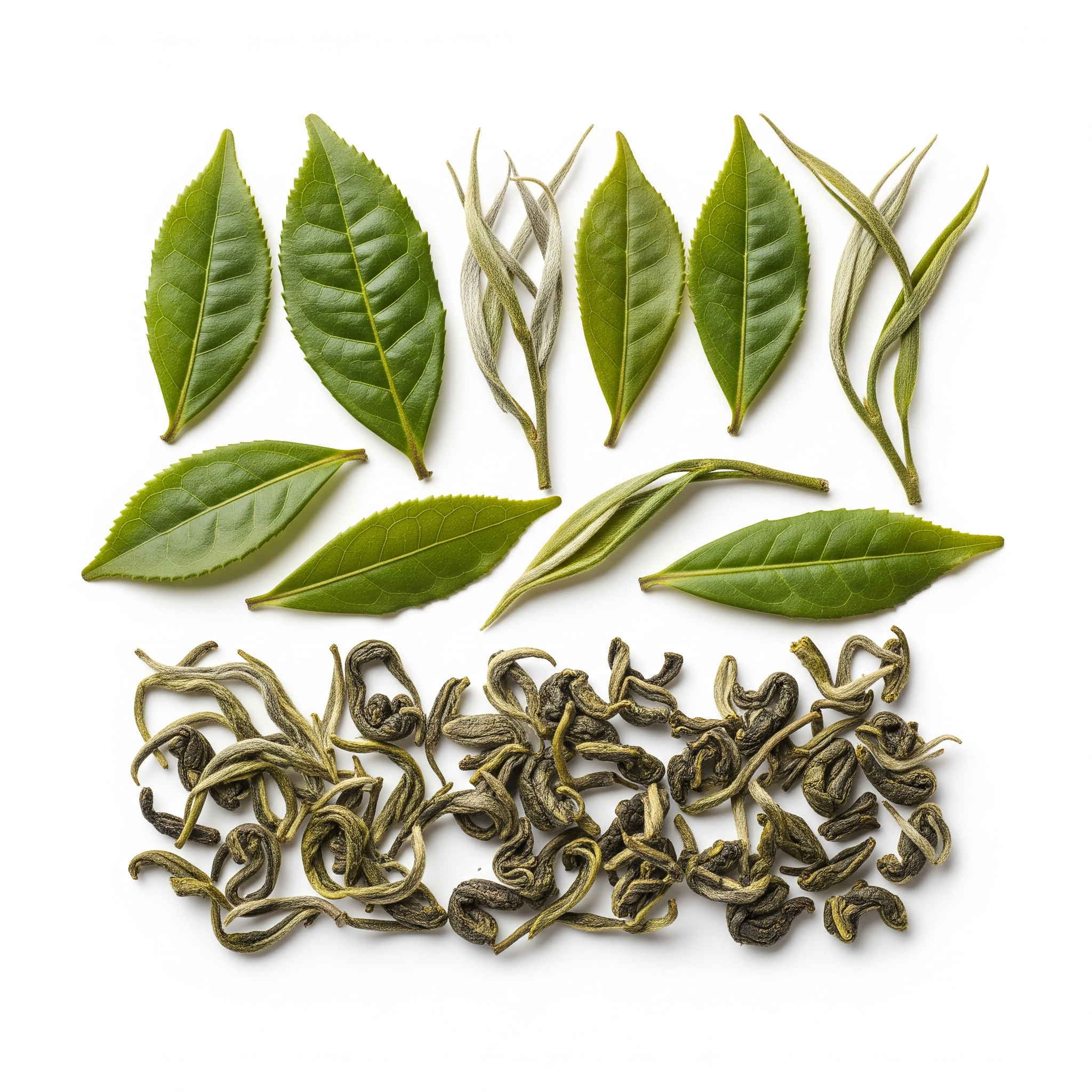
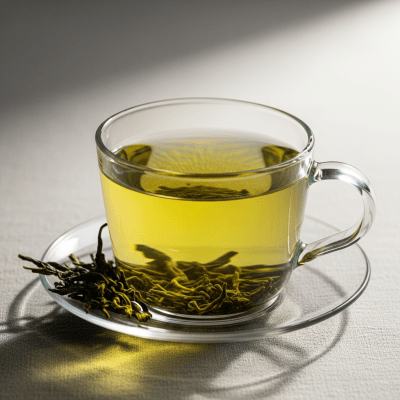
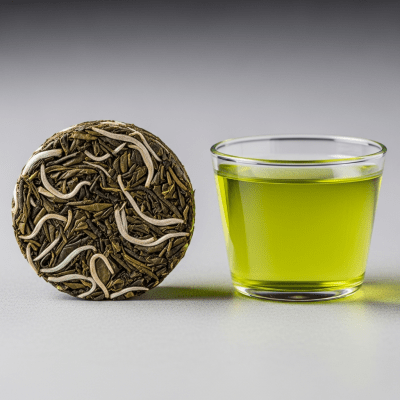
The tea leaves are large and elongated, exhibiting a deep green color with prominent serrated edges. When brewed, Yunnan Green Tea produces a clear yellow-green liquor that visually reflects its freshness and careful processing.
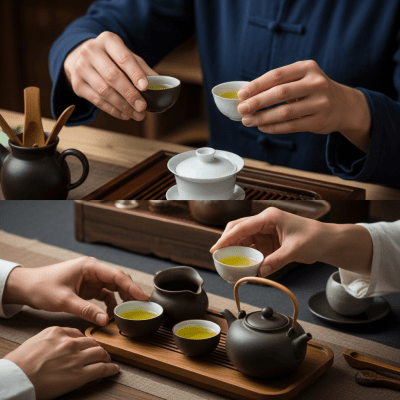
Primarily consumed as a loose-leaf infusion, Yunnan Green Tea is prized for its brisk and refreshing taste. It is often prepared simply to highlight its natural floral and chestnut notes, making it a favored choice for daily drinking and connoisseur appreciation alike.
Bring this kind into your world illustrated posters, mugs, and shirts.
Archival print, museum-grade paper
Buy Poster
Stoneware mug, dishwasher safe
Buy Mug
Soft cotton tee, unisex sizes
Buy ShirtWhile Yunnan Green Tea does not have a specific ceremonial role widely documented, it embodies the deep cultural heritage of Yunnan Province as a birthplace of tea cultivation. Its varieties and regional names appear in local markets and contribute to the identity of Chinese green teas on the global stage.
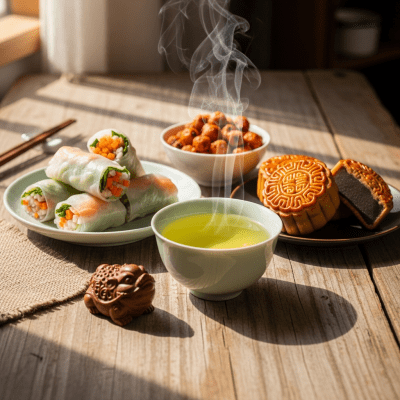
Yunnan Green Tea offers a clear yellow-green infusion characterized by a brisk, refreshing taste. The flavor profile typically features fresh floral notes complemented by subtle chestnut undertones, creating a balanced and lively sensory experience that distinguishes it from other green teas.
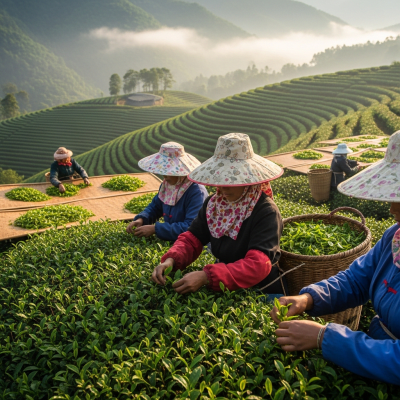
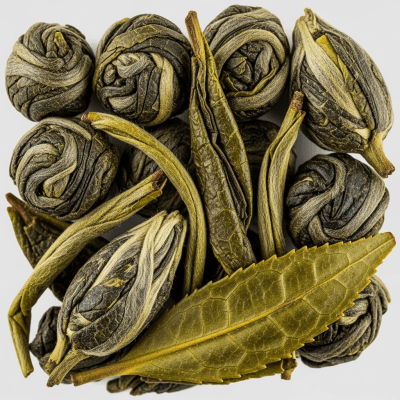
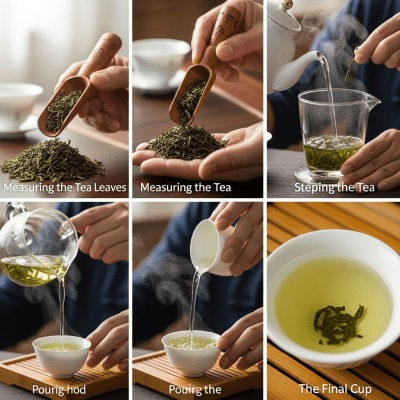
The leaves undergo minimal processing to preserve their green character. Key steps include pan-firing or steaming to halt oxidation, followed by rolling to shape the leaves and drying to lock in freshness. This careful treatment ensures the tea retains its vibrant color and delicate aromas.
Yunnan Green Tea is commonly enjoyed as a loose-leaf infusion, often brewed simply to showcase its natural flavors. While not central to formal tea ceremonies, it holds a valued place in daily tea drinking across China and increasingly in international markets, appreciated for its clarity and briskness.
Like many green teas, Yunnan Green Tea is reputed to offer antioxidant properties and support general wellness. Its moderate caffeine content provides a gentle stimulant effect, while its natural compounds may contribute to digestion and metabolic health.
Within Yunnan Green Tea, regional variants such as Yunwu (Cloud Mist) and Mao Feng reflect subtle differences in leaf shape, processing nuances, and flavor profiles. These variations arise from local terroir, elevation, and artisanal practices, enriching the diversity of this tea category.