Gyokuro
Gyokuro is a premium Japanese green tea renowned for its distinctive shade-grown cultivation, which imparts a rich umami flavor and pronounced natural sweetness, making it one of Japan’s highest-grade teas.
Gyokuro is a premium Japanese green tea renowned for its distinctive shade-grown cultivation, which imparts a rich umami flavor and pronounced natural sweetness, making it one of Japan’s highest-grade teas.
Originating in Japan around 1835, Gyokuro was first developed by Yamamoto Kahei of the Yamamotoyama tea company in Uji, Kyoto Prefecture. This tea is defined by its unique processing style rather than a specific cultivar, though cultivars like Asahi, Yamakai, and Saemidori are commonly used. Its creation marked a refined approach to green tea production, emphasizing shading techniques to enhance flavor.
Gyokuro belongs to the green tea category within the broader Camellia sinensis family, specifically derived from the var. sinensis botanical variety. It is classified by its processing method—shade-grown with no oxidation—setting it apart from other green teas like sencha and matcha.
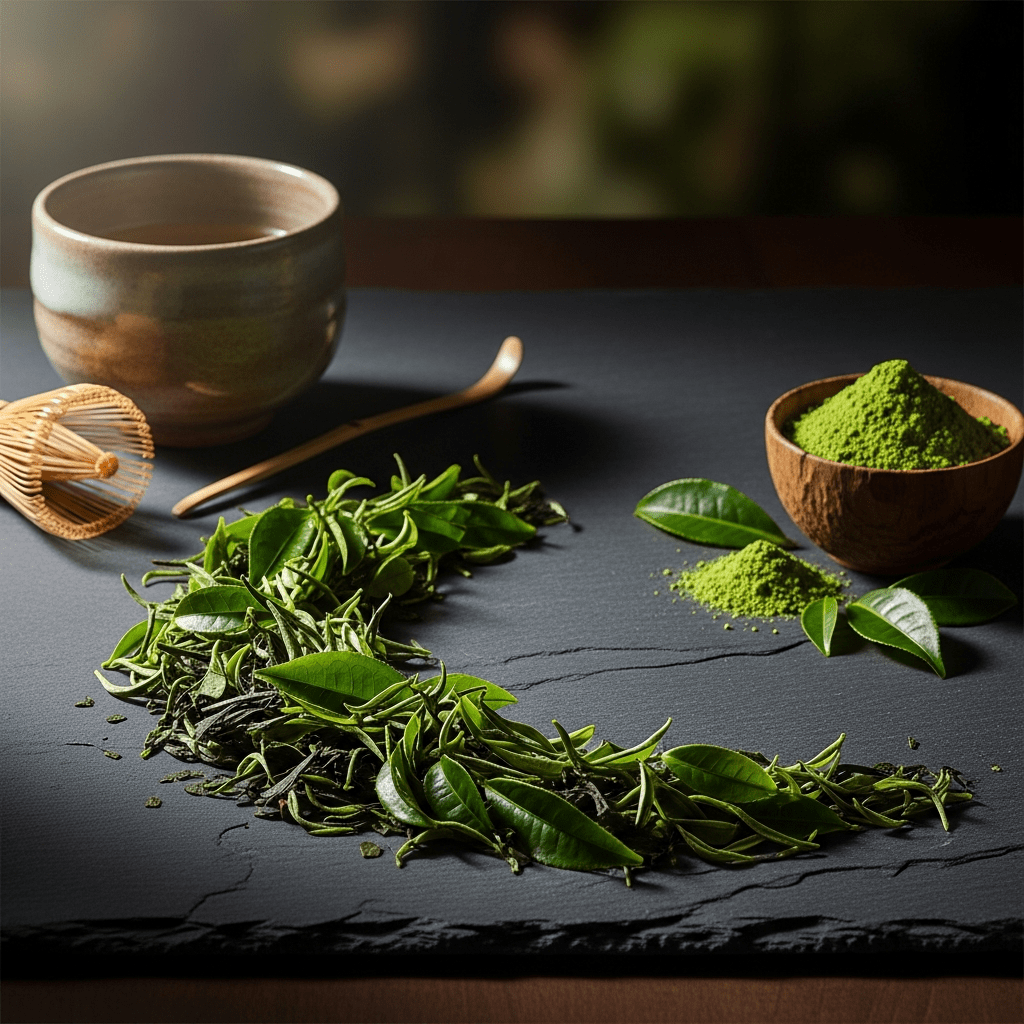
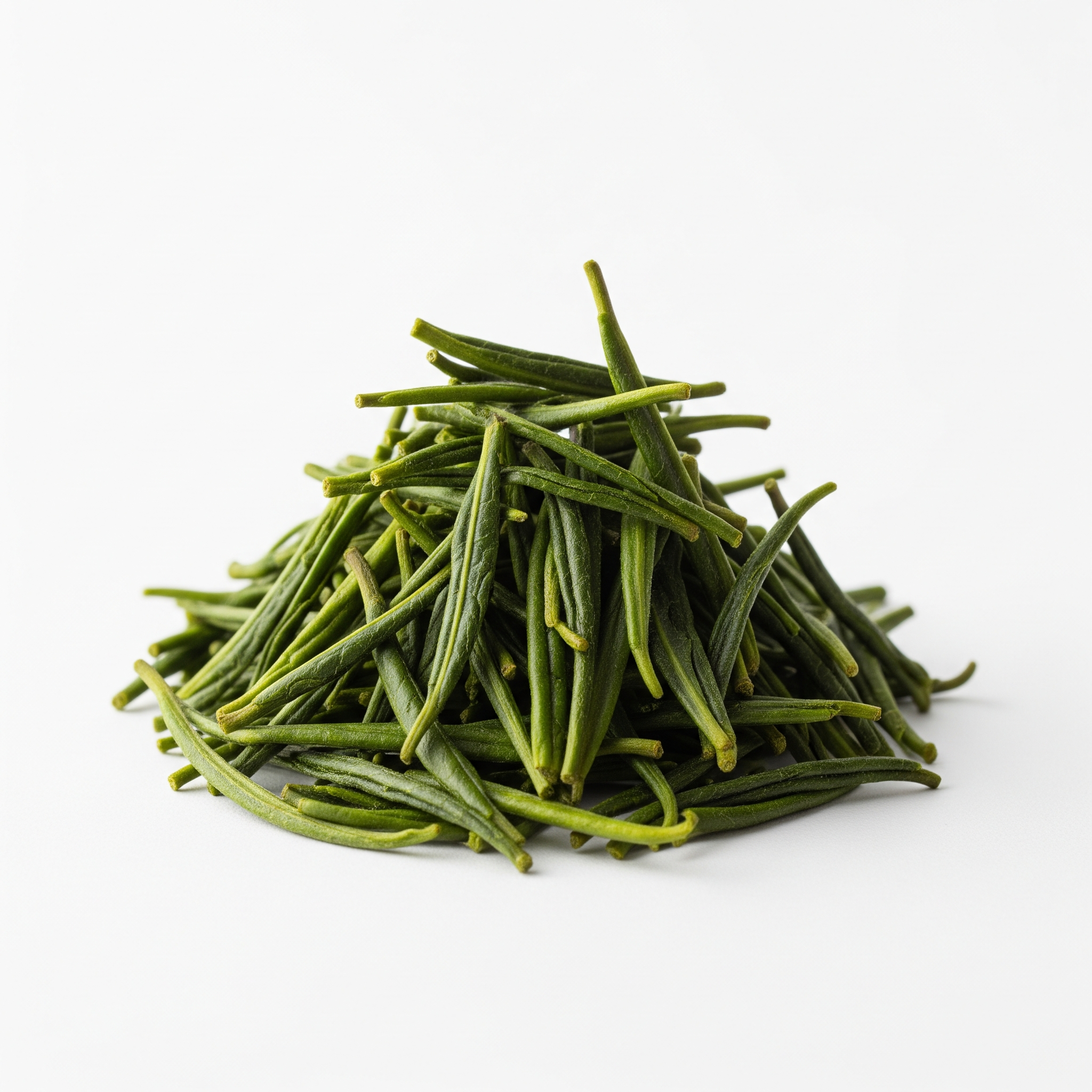
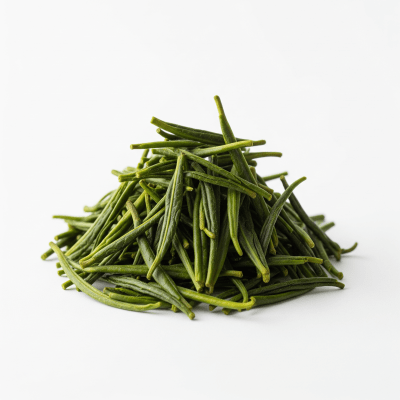
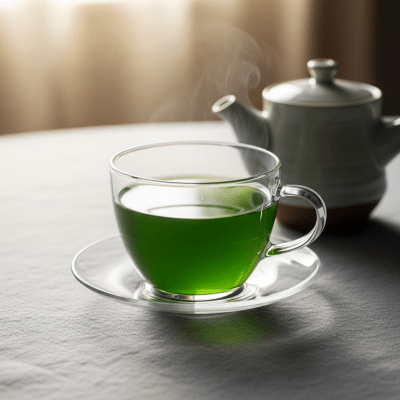
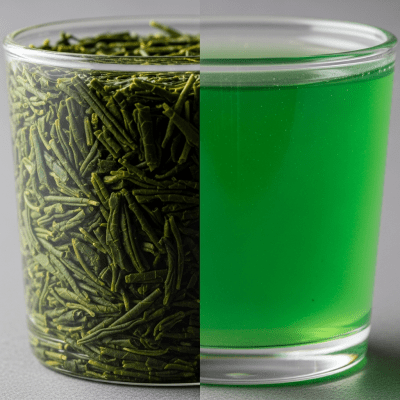
The leaves of Gyokuro are small to medium in size, narrow, and exhibit a deep green color with a soft texture, a direct result of the shading process that increases chlorophyll content. The brewed liquor is vivid green, reflecting the tea’s freshness and careful handling.
Gyokuro is cultivated by shading tea plants for 20 to 30 days before harvest, which slows leaf growth and enhances amino acids like L-theanine. The leaves are then steamed to halt oxidation, rolled, and dried with great care to preserve their delicate qualities. It is brewed at low temperatures (50–60°C) to bring out its signature sweetness and umami, typically enjoyed as a luxury tea reserved for special occasions.
Bring this kind into your world illustrated posters, mugs, and shirts.
Archival print, museum-grade paper
Buy Poster
Stoneware mug, dishwasher safe
Buy Mug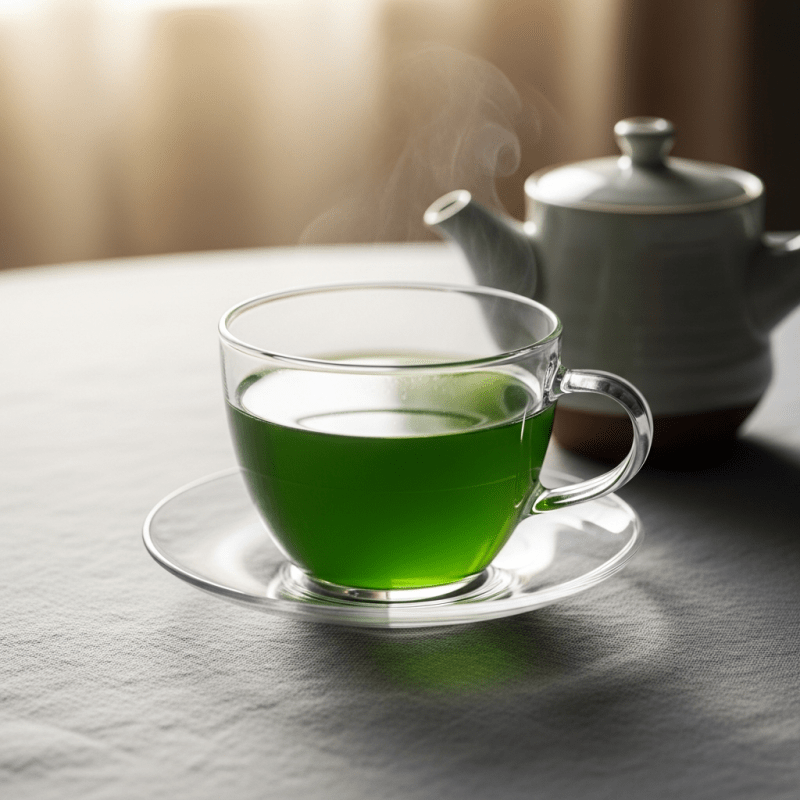
Soft cotton tee, unisex sizes
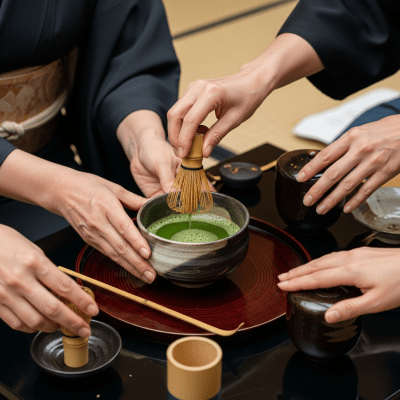
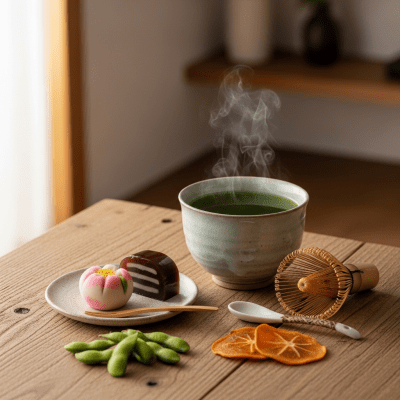
Buy ShirtIn Japan, Gyokuro holds a prestigious place in tea culture, often associated with formal tea drinking ceremonies and regarded as a symbol of refinement and hospitality. Its name, meaning "jade dew," reflects the tea’s esteemed status and the cultural appreciation for its delicate flavor and vibrant color.
Gyokuro offers a sweet and savory flavor profile rich in umami, accompanied by vegetal notes and a thick, smooth mouthfeel. Bitterness is minimal due to the shading process, which increases amino acids and reduces catechins responsible for harshness, resulting in a mellow and lingering taste experience.
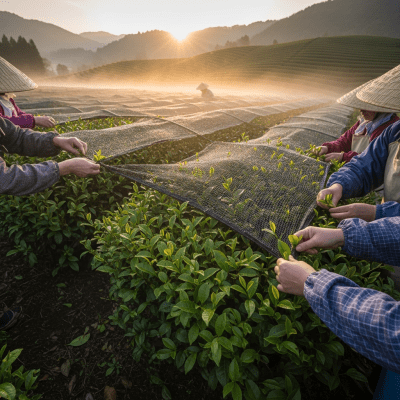

The production of Gyokuro begins with shading the tea plants for 20 to 30 days using straw mats or synthetic covers to block 85–90% of sunlight. This encourages chlorophyll and amino acid accumulation. After harvest, leaves are steamed promptly to prevent oxidation, then carefully rolled and dried to maintain leaf integrity and freshness. The absence of oxidation classifies it firmly as a green tea.
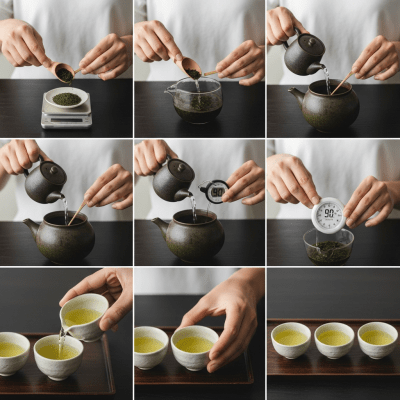
Gyokuro is traditionally brewed at low temperatures and consumed in small quantities to savor its delicate umami and sweetness. It is often reserved for formal occasions and special hospitality in Japan, reflecting its status as a luxury tea. Multiple infusions are common, allowing drinkers to experience evolving flavors across brews.
Rich in amino acids like L-theanine and antioxidants, Gyokuro is reputed to promote relaxation, mental clarity, and overall well-being. Its high chlorophyll content and minimal oxidation preserve beneficial compounds, making it a nourishing choice among green teas.
Notable regional variants of Gyokuro include Uji Gyokuro from Kyoto Prefecture, Yame Gyokuro from Fukuoka, and Okabe Gyokuro from Shizuoka. Each region’s unique climate and soil contribute subtle differences in flavor and aroma, with Uji and Yame particularly celebrated for their superior quality and traditional cultivation methods.