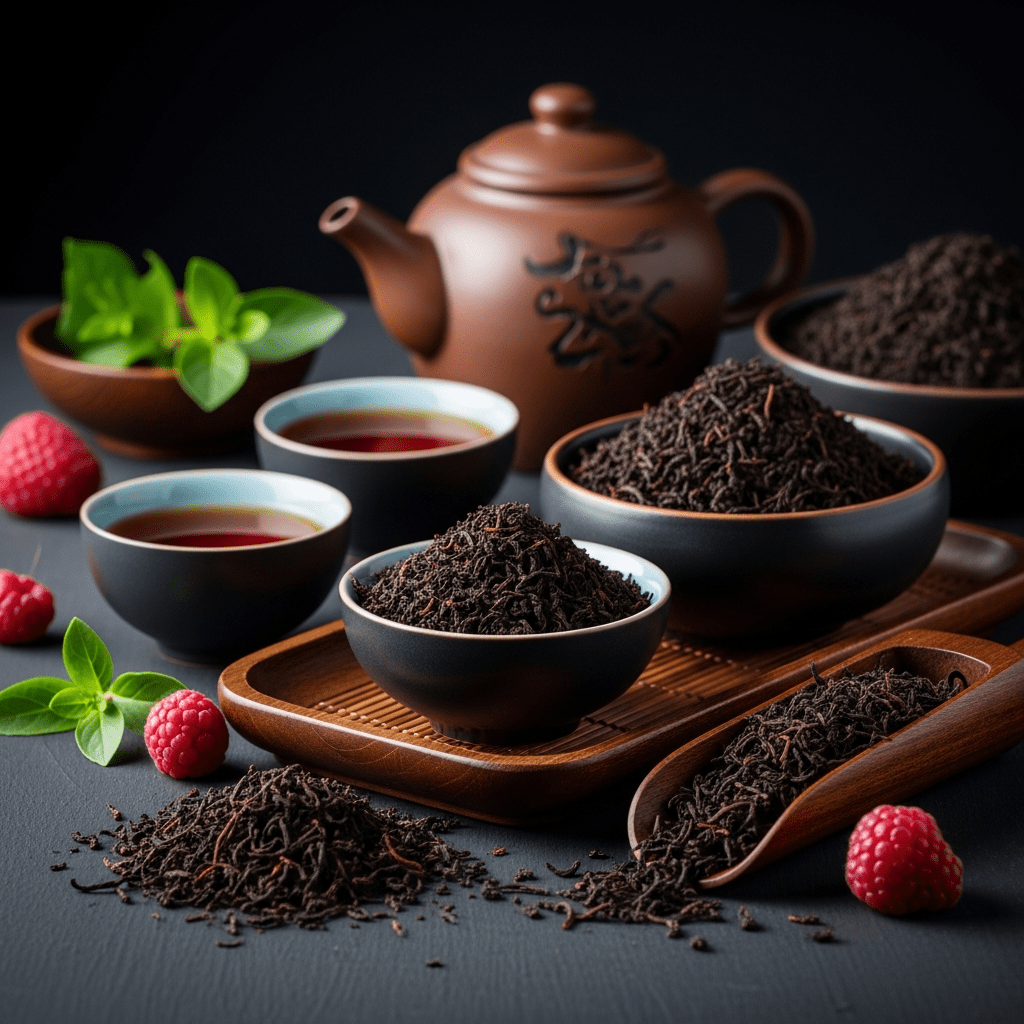
Black Tea
Black tea is a fully oxidized tea made from the leaves of Camellia sinensis, known for its dark color, robust flavor, and higher caffeine content, making it one of the most widely consumed tea types worldwide.
Black tea is a fully oxidized tea made from the leaves of Camellia sinensis, known for its dark color, robust flavor, and higher caffeine content, making it one of the most widely consumed tea types worldwide.
Black tea originated independently in several regions, with the earliest known production traced to China's Fujian province in the 17th century. It later expanded to India and Sri Lanka during the British colonial era, where commercial plantations were established in Assam, Darjeeling, and Ceylon, shaping its global prominence.
Classified as a fully oxidized tea within the broader family of Camellia sinensis products, black tea includes varieties from two main botanical varieties: var. sinensis (China) and var. assamica (India and Sri Lanka). It stands alongside green, oolong, white, yellow, and pu-erh teas as a major processing category.
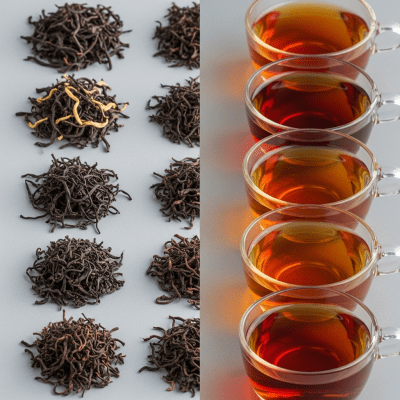
Black tea leaves vary in size and shape depending on region and cultivar. Chinese types typically feature smaller, thinner leaves, while Indian and Sri Lankan varieties have larger, broader leaves. The brewed liquor is characteristically dark amber to reddish-brown, reflecting its full oxidation.
Black tea is processed through withering, rolling, full oxidation, and drying, resulting in a shelf-stable product that retains flavor for up to two years. It is brewed with hot water and consumed plain or enhanced with milk, sugar, lemon, or spices, adapting to diverse cultural preferences worldwide.
Bring this kind into your world illustrated posters, mugs, and shirts.
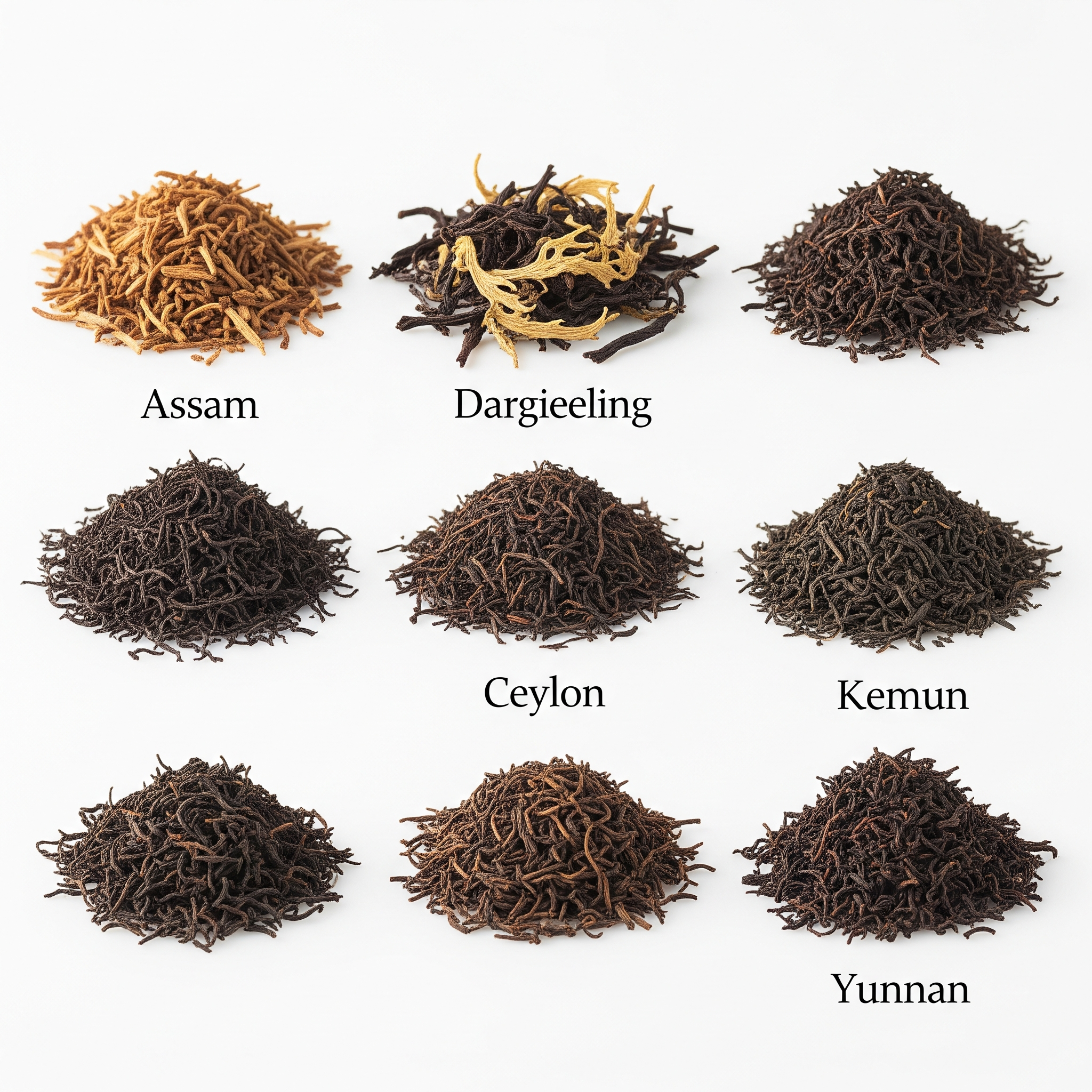
Archival print, museum-grade paper
Buy Poster
Stoneware mug, dishwasher safe
Buy Mug
Soft cotton tee, unisex sizes
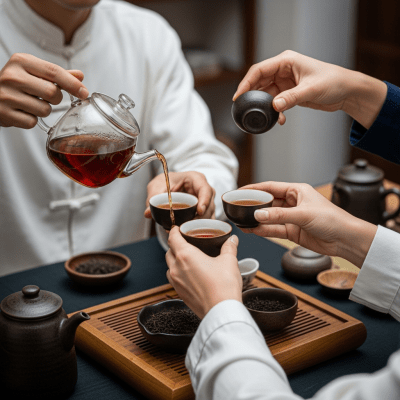
Buy ShirtAs the foundation of many global tea traditions, black tea holds cultural importance in ceremonies and daily life. It is central to British afternoon tea, Russian samovar rituals, and Indian masala chai, symbolizing hospitality, social bonding, and regional identity.
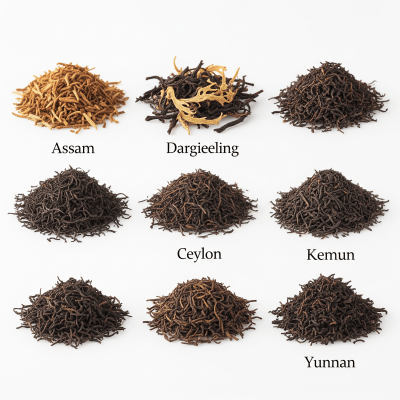
Black tea offers a wide range of flavor profiles depending on origin and processing. It can be malty and brisk as in Assam and Ceylon teas, floral and delicate like Darjeeling and Keemun, or smoky and robust as found in Lapsang Souchong. The aroma often carries notes of earthiness, spice, and sometimes subtle sweetness.

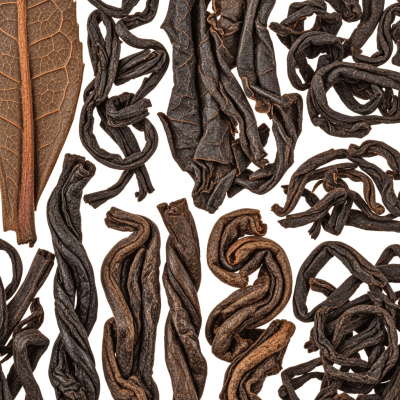
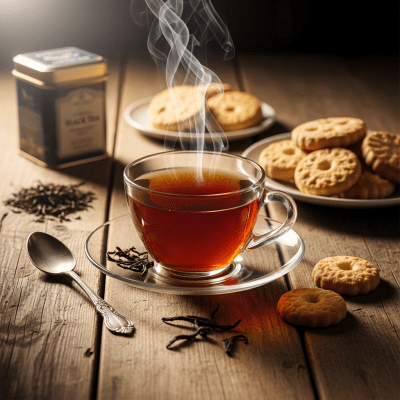

Black tea production involves several key steps: withering to reduce leaf moisture, rolling to bruise leaves and release enzymes, full oxidation where leaves darken and flavor develops, followed by drying to halt oxidation and preserve the tea. Two main shaping methods prevail: orthodox whole-leaf processing and CTC (crush, tear, curl), which produces smaller, uniform particles suited for tea bags.
Black tea is enjoyed worldwide in diverse serving styles: plain, with milk, sugar, lemon, or spices. It forms the basis of cultural beverages such as British afternoon tea, Indian masala chai, and Russian samovar tea. Its versatility and robust flavor make it a staple in both casual and ceremonial contexts.
Black tea is valued for its stimulating caffeine content and antioxidants formed during oxidation. It is reputed to support cardiovascular health, improve alertness, and aid digestion. While less studied than green tea, black tea contributes beneficial polyphenols and can be part of a balanced diet.
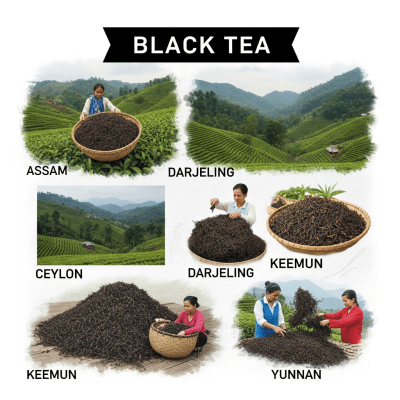
Notable regional variants of black tea include Assam, Darjeeling, and Nilgiri from India; Ceylon from Sri Lanka; Keemun, Yunnan, Lapsang Souchong, and Dianhong from China; and Kenyan black tea. Each region imparts unique characteristics shaped by local cultivars, climate, and processing traditions, offering a rich spectrum of flavors and aromas.