Origin Story

Benifuuki was developed in Japan in 1993 by the National Institute of Vegetable and Tea Science (NIVTS). It is a hybrid cultivar created by crossing the Assamica variety "Benihomare" with the Chinese variety "Darjeeling No. 6," combining traits from both parent plants to suit Japanese cultivation and processing methods.

Classification

Classified within the green tea category, Benifuuki belongs to the species Camellia sinensis and incorporates botanical varieties var. assamica and var. sinensis. Its processing as a non-oxidized tea places it firmly among Japanese steamed green teas, though it also adapts well to oolong-style processing due to its Assamica heritage.

Appearance or Form

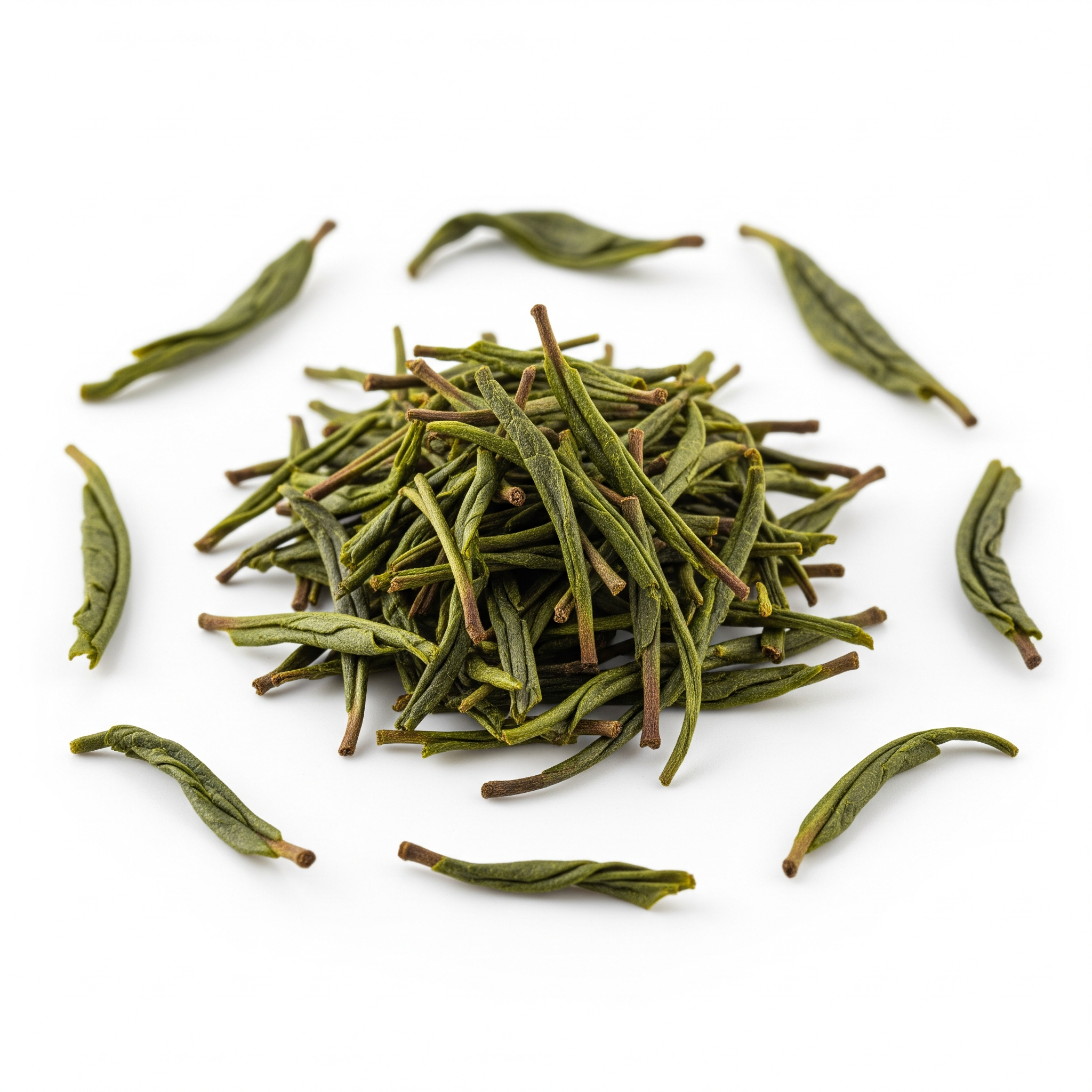
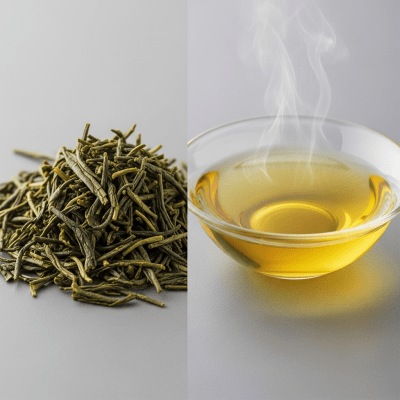
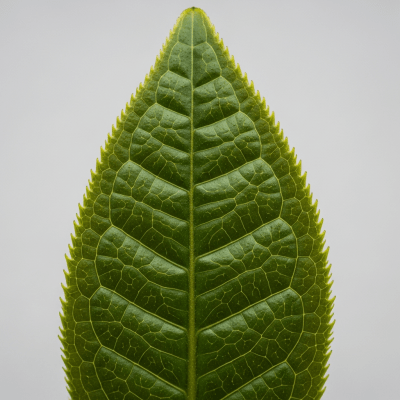
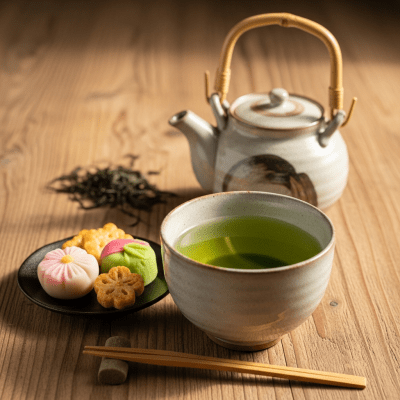
Benifuuki leaves are medium to large in size, dark green, and feature slightly serrated edges typical of Assamica-influenced cultivars. The tea liquor presents a clear infusion with a brisk character, reflecting its fresh and vibrant leaf morphology.

Behavior or Usage

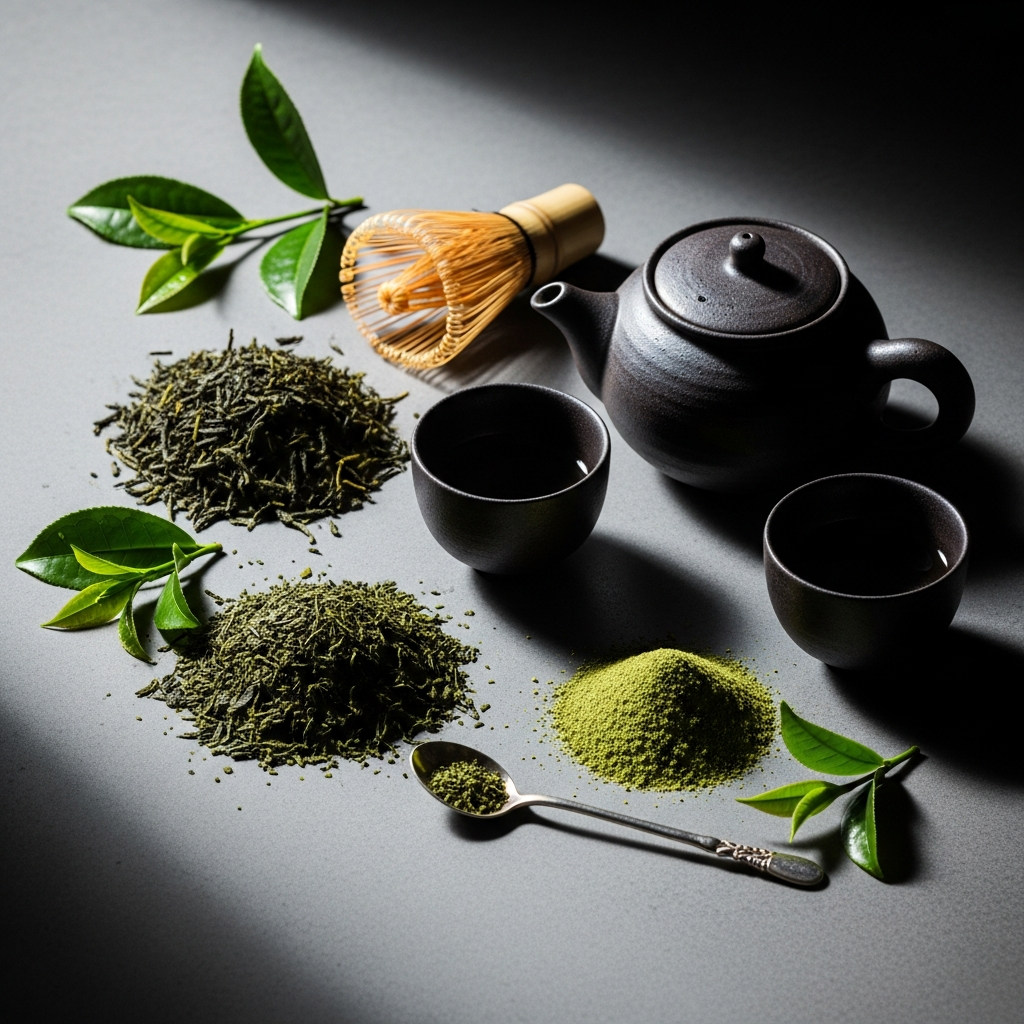
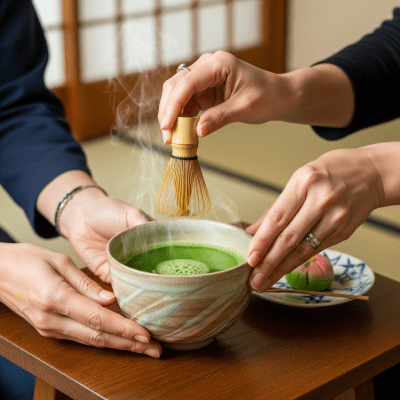
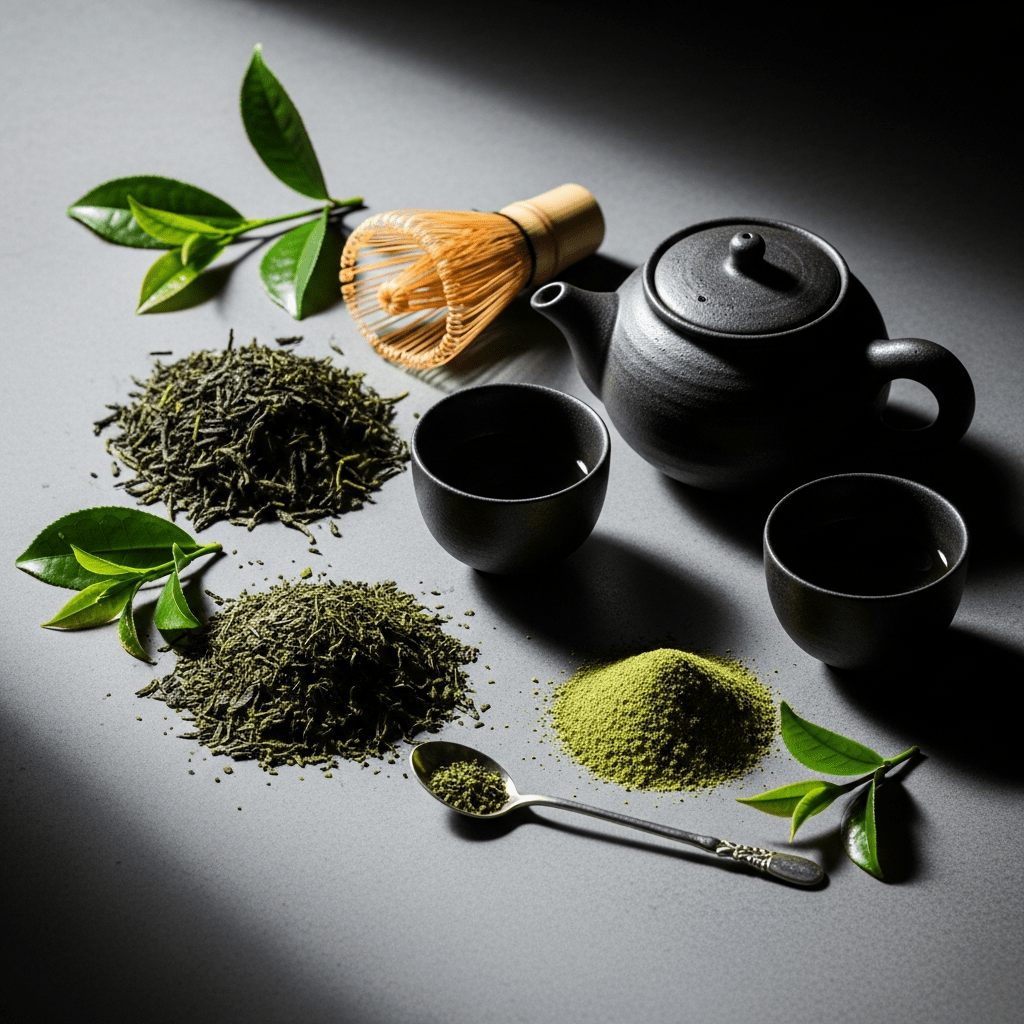
Primarily processed through steaming, rolling, and drying, Benifuuki is used to produce green tea with a distinctive bitterness and astringency attributed to its methylated catechins. It is available in loose leaf, powdered, and bottled forms, catering to diverse consumption preferences and facilitating both traditional and modern tea experiences.

Merchandise & Prints

Bring this kind into your world � illustrated posters, mugs, and shirts.

Benifuuki Benifuuki Poster

Benifuuki Poster

Archival print, museum-grade paper

Benifuuki Benifuuki Mug

Benifuuki Mug

Stoneware mug, dishwasher safe

Benifuuki Benifuuki Shirt

Benifuuki Shirt

Soft cotton tee, unisex sizes

Attributes & Insights

Taxon-Specific Insights

🌍Cultural Significance

While Benifuuki does not hold a widely documented ceremonial role, it is recognized in Japan as a distinct cultivar valued for its health-related properties and robust growth. Its cultivation in regions like Kagoshima and Shizuoka reflects local agricultural innovation and contributes to Japan's rich tea culture.

📌Notable Facts

  • Benifuuki contains high levels of methylated catechins, notably EGCG3"Me, which are rare among tea cultivars.
  • It was bred specifically to combine the vigor of Assamica with the delicate qualities of Chinese tea varieties.
  • The cultivar shows resistance to certain fungal diseases but remains moderately susceptible to tea anthracnose.
  • Benifuuki is suitable for both green and oolong tea processing styles.
  • It is certified under Japanese Agricultural Standards (JAS), ensuring quality and safety.

👅Flavor Profile Details

Benifuuki offers a brisk and slightly astringent flavor profile, balanced by grassy and floral notes. The distinctive bitterness arises from its high methylated catechin content, providing a refreshing yet complex sensory experience that appeals to those seeking both vigor and subtlety in green tea.

Visual Variations

High quality photograph of a Benifuuki, of the taxonomy teas
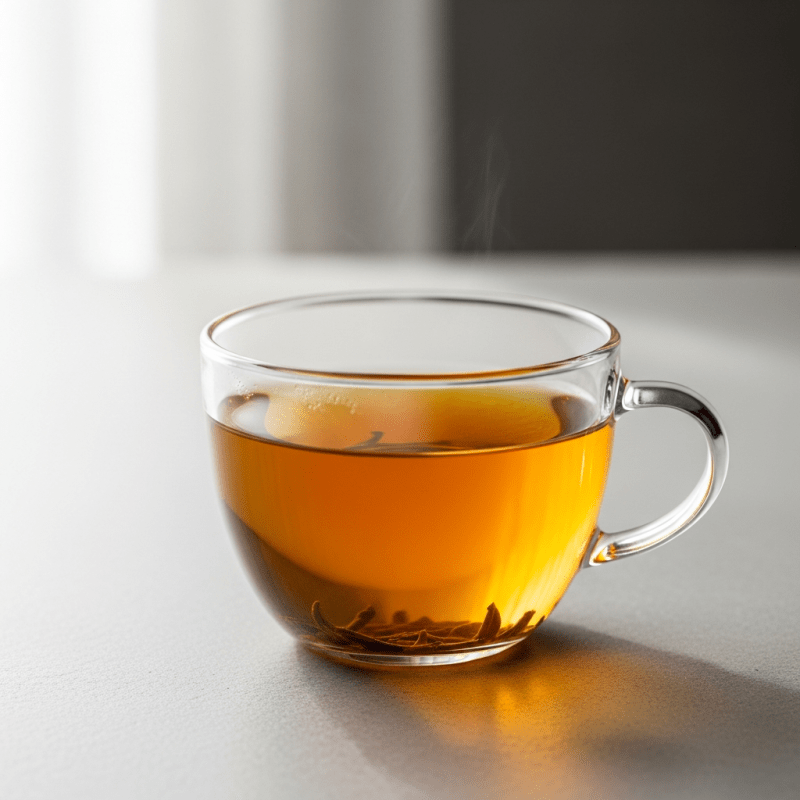
Editorial-style image of a brewed Benifuuki tea, part of the taxonomy teas
Cross-sectional close-up of a Benifuuki
Image showing Benifuuki prepared and served in its typical cultural context
Environmental scene featuring Benifuuki, part of the taxonomy teas
Macro photograph focusing on the texture and details of Benifuuki leaves, within the taxonomy teas
Still life image of a prepared cup of Benifuuki
Step-by-step visual depiction showing the preparation process for Benifuuki, within the taxonomy teas

Composition & Context

Taxon-Specific Insights

⚙️Processing Methods

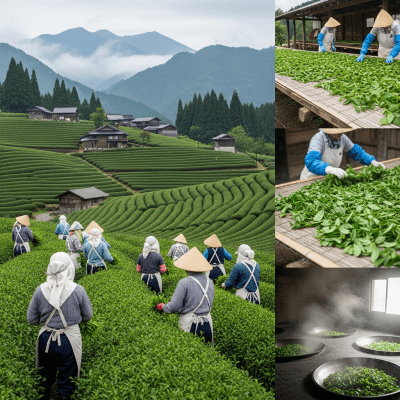
Benifuuki leaves undergo traditional Japanese green tea processing steps: steaming to halt oxidation, followed by rolling to shape the leaves and drying to preserve freshness. This method preserves the tea's methylated catechins and maintains its characteristic briskness. Commercial grading often emphasizes leaf quality and catechin content, with some products certified under Japanese Agricultural Standards (JAS).

🍵Consumption Culture

Consumed primarily as loose leaf tea, powdered form, or bottled beverages, Benifuuki fits both traditional and contemporary Japanese tea habits. While it lacks a specific ceremonial role, its health-oriented marketing and regional cultivation tie it closely to modern wellness trends and local tea culture in Japan.

💚Health Benefits

Benifuuki is noted for its elevated levels of methylated catechins, particularly EGCG3"Me, which research suggests may offer anti-allergy and anti-inflammatory effects. These compounds remain stable through processing, making Benifuuki a popular choice for those seeking functional health benefits alongside traditional tea enjoyment.

🌍Regional Variations

Benifuuki is chiefly produced in Japan's Kagoshima and Shizuoka prefectures, where local growing conditions and cultivation practices impart subtle differences in flavor and yield. These regional variants reflect adaptation to climate and terroir, enriching the cultivar's diversity within Japan.

Faq

  • What makes Benifuuki different from other green teas? It has a unique high content of methylated catechins, especially EGCG3"Me, giving it a distinctive bitterness and potential health benefits.
  • Where is Benifuuki mainly grown? It is primarily cultivated in Japan, especially in Kagoshima and Shizuoka prefectures.
  • Can Benifuuki be processed as oolong tea? Yes, its Assamica lineage allows it to be processed both as green and oolong tea.