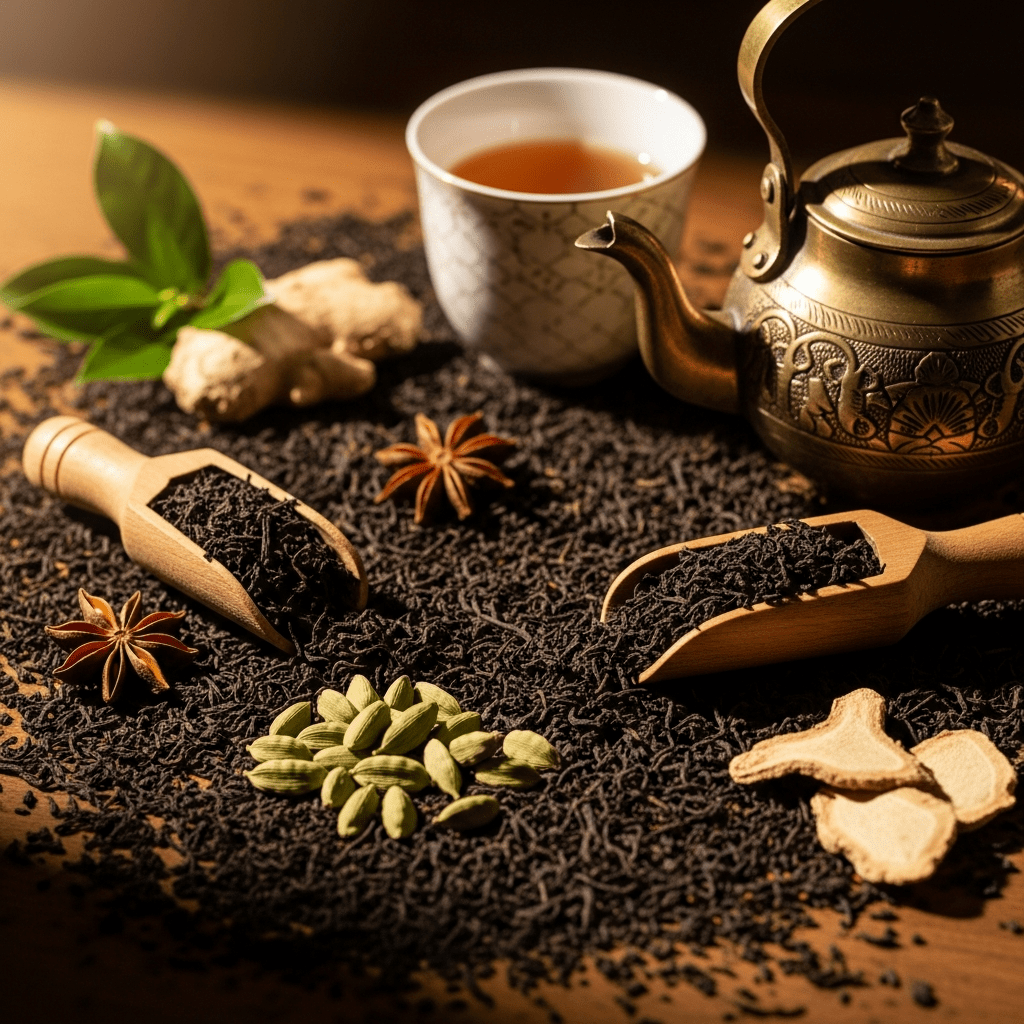
Assam Tea
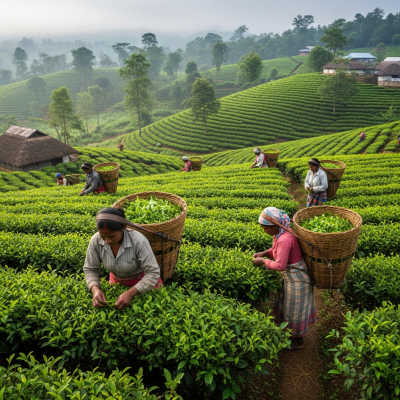
Assam Tea is a distinguished black tea variety grown from the indigenous Camellia sinensis var. assamica in India's Assam region, celebrated for its bold, malty flavor and rich amber liquor.
Assam Tea is a distinguished black tea variety grown from the indigenous Camellia sinensis var. assamica in India's Assam region, celebrated for its bold, malty flavor and rich amber liquor.
Originating in the early 19th century, Assam Tea was discovered in the lush lowlands of northeastern India. Its commercial cultivation began in the 1830s under British colonial influence after native tea plants were identified, marking the start of a thriving tea industry rooted in indigenous plant varieties.
Assam Tea belongs to the black tea category, produced from the Camellia sinensis var. assamica subspecies. It is recognized as a full oxidation tea, processed mainly through orthodox and CTC (Crush, Tear, Curl) methods, situating it firmly within the global black tea family.
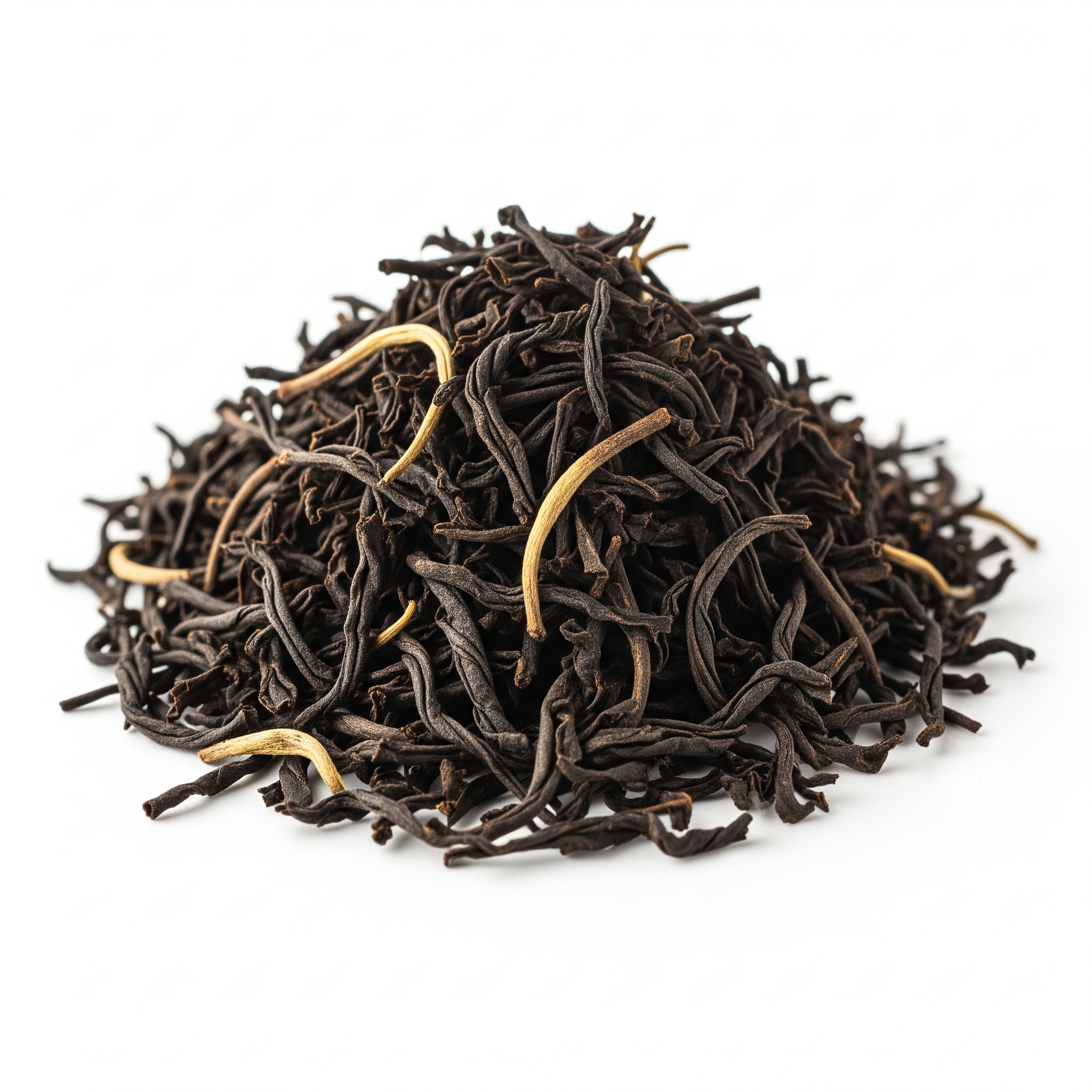
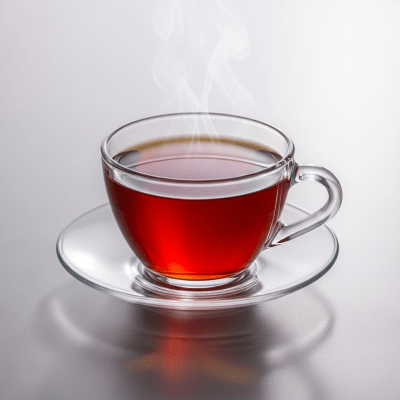
The tea leaves of Assam Tea are large and broad with a deep green color, reflecting the robust growth of the Assamica variety. When brewed, it yields a deep reddish-brown liquor with a full-bodied texture, visually signaling its strength and richness.
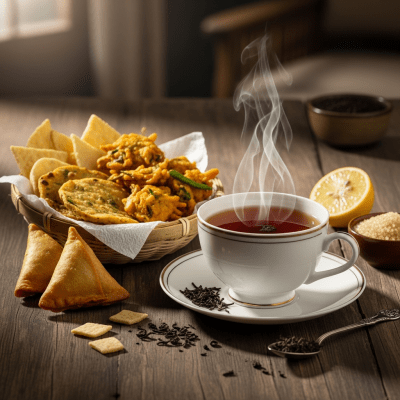
Assam Tea is prized for its strong, brisk, and malty flavor, making it a popular choice for breakfast teas and blends such as English Breakfast. It is commonly consumed plain or with milk and sugar, offering a versatile profile that suits both casual and formal tea drinking occasions worldwide.
Bring this kind into your world illustrated posters, mugs, and shirts.
Archival print, museum-grade paper
Buy Poster
Stoneware mug, dishwasher safe
Buy Mug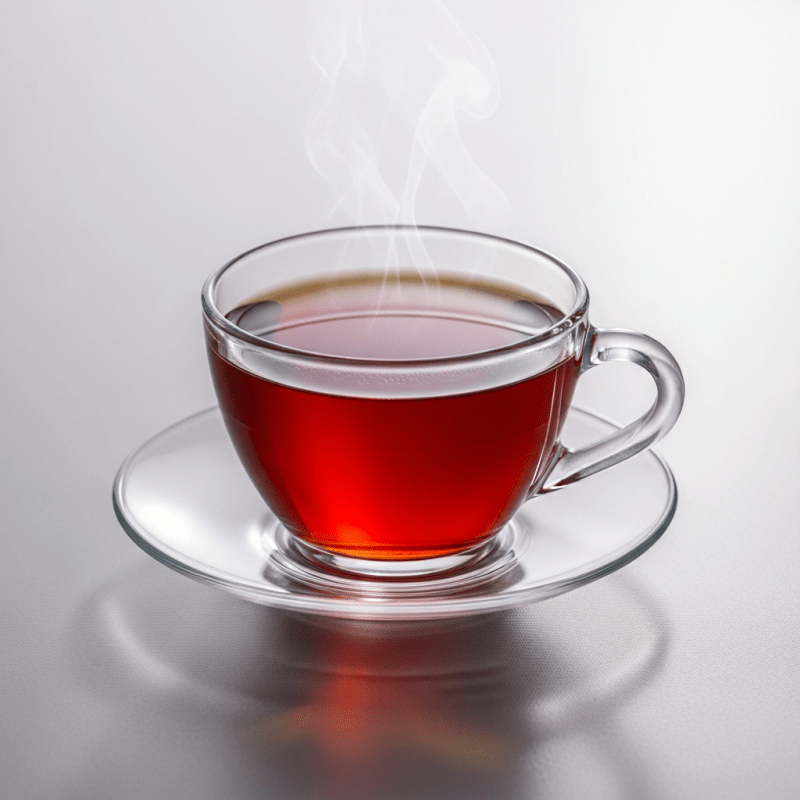
Soft cotton tee, unisex sizes
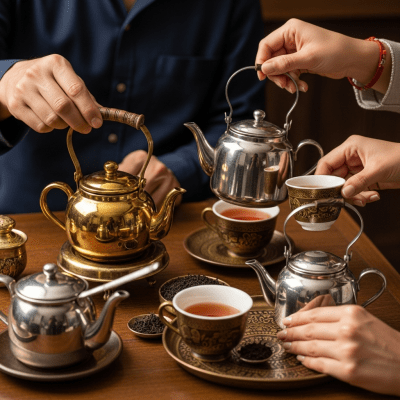
Buy ShirtIn northeastern India, Assam Tea is more than a beverage; it is integral to daily life and social rituals, especially in chai preparations. Its presence in global tea culture is significant, underpinning many classic blends and symbolizing the rich heritage of Indian tea cultivation.
Assam Tea offers a robust and brisk taste with pronounced maltiness and a full-bodied mouthfeel. Its liquor is deep reddish-brown, carrying notes that are both rich and slightly astringent, making it a lively and invigorating brew favored by many.
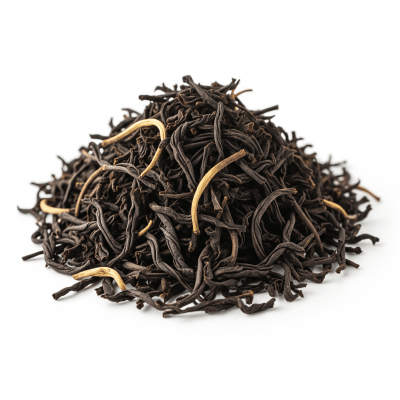
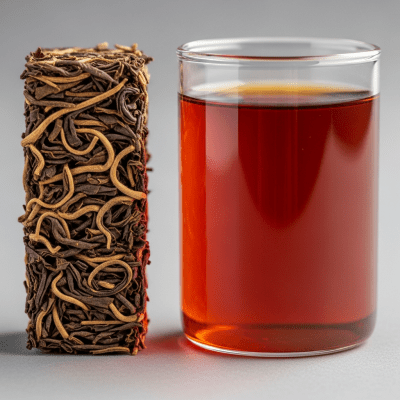
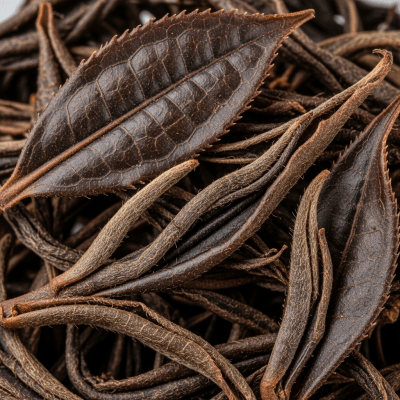
Assam Tea undergoes full oxidation through a series of steps including withering, rolling, oxidation, and drying. It is crafted mainly via orthodox methods that preserve leaf integrity or the CTC technique, which produces smaller, granular leaves suited for strong infusions.
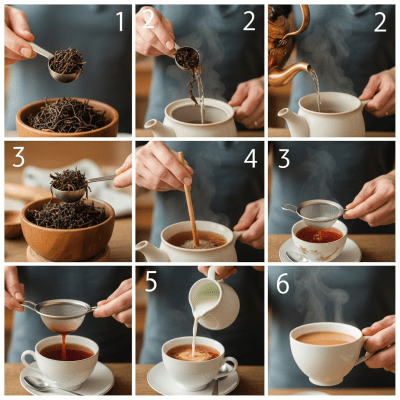
Widely consumed as a breakfast tea, Assam Tea is central to chai culture in India, where it is brewed strong and often mixed with milk, sugar, and spices. Globally, it features prominently in blends and is appreciated for its ability to pair well with dairy and sweeteners.
Like other black teas, Assam Tea contains antioxidants and caffeine, which can aid alertness and support cardiovascular health. Its moderate caffeine content offers an energizing effect, while traditional consumption as chai may contribute to digestive comfort.
Within Assam, two main styles prevail: orthodox teas, which emphasize whole-leaf processing and nuanced flavors, and CTC teas, which are more robust and granular, favored for quick brewing and strong taste. These variations cater to different markets and consumption preferences.