
Nilgiri Tea
Nilgiri Tea is a distinguished Indian black tea from the Nilgiri Hills, celebrated for its fragrant aroma, brisk flavor, and bright, golden liquor.
Nilgiri Tea is a distinguished Indian black tea from the Nilgiri Hills, celebrated for its fragrant aroma, brisk flavor, and bright, golden liquor.
Originating in the Nilgiri Hills spanning Tamil Nadu and Kerala in southern India, Nilgiri Tea was first commercially cultivated around 1859 when British planters introduced Camellia sinensis to the region. This tea draws from both China and Assam varieties, flourishing in the cool, misty climate and well-drained acidic soils of the high elevations between 1,000 and 2,500 meters.
Classified as a fully oxidized black tea, Nilgiri Tea belongs to the broader family of Camellia sinensis products. It is processed primarily through orthodox and CTC (Crush, Tear, Curl) methods and graded under Indian standards such as OP, BOP, and FOP, reflecting its place among premium Indian black teas.
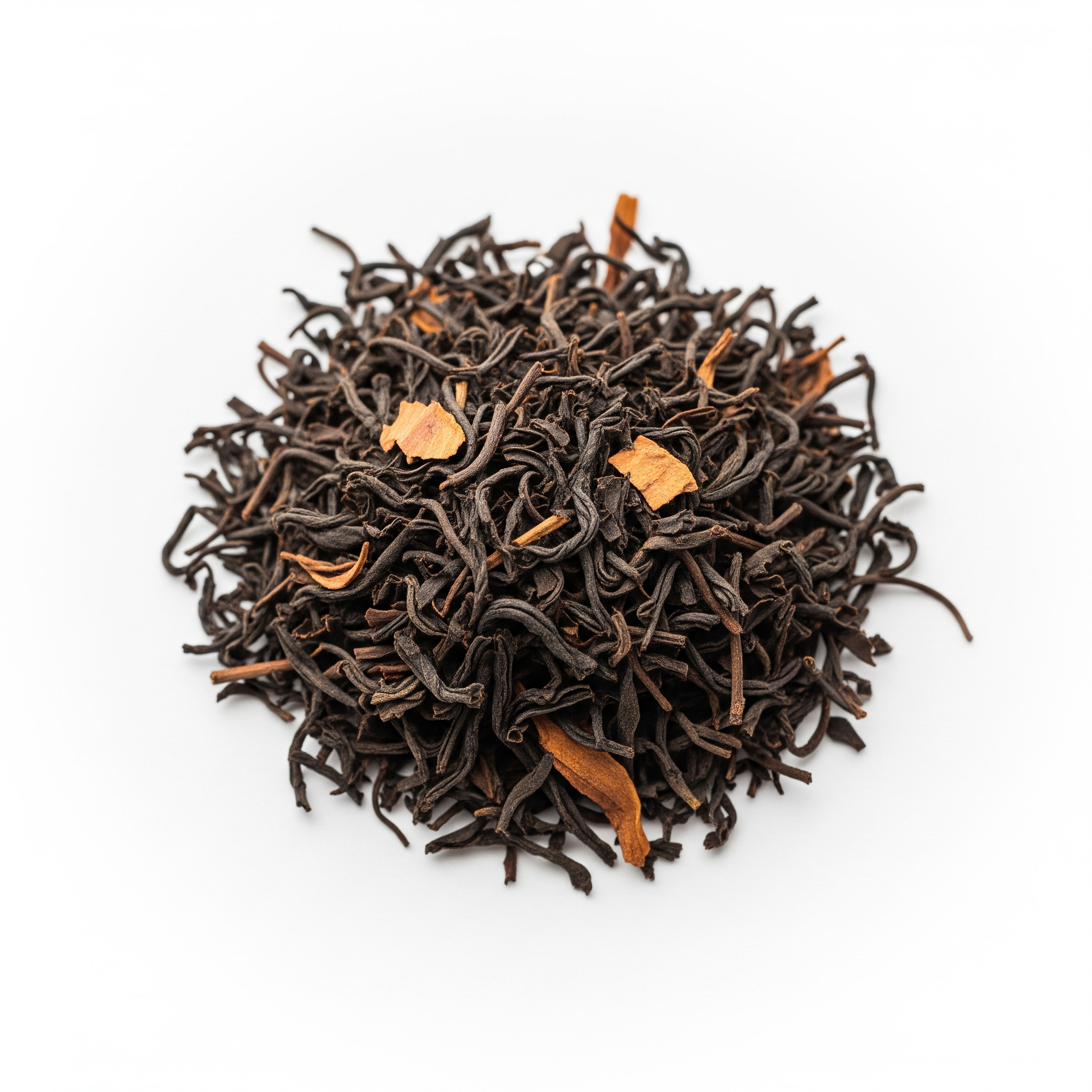
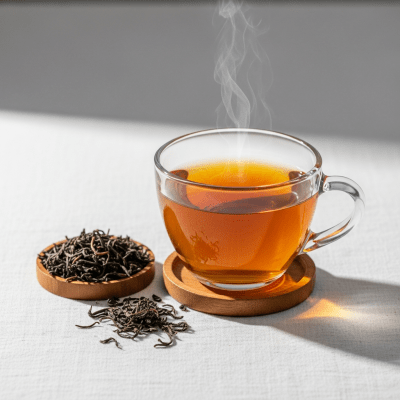
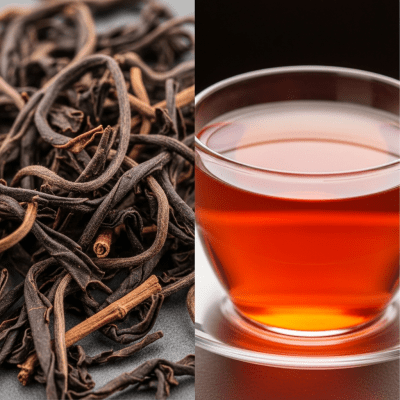
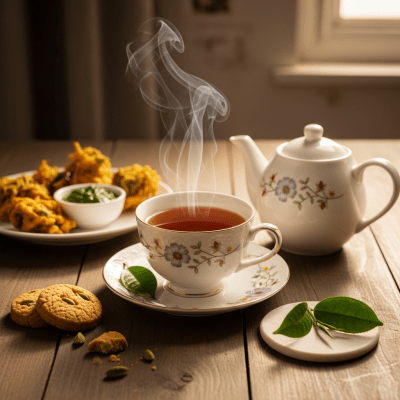
Nilgiri Tea leaves are medium to large, dark green, and glossy, characterized by narrow, elongated shapes. Once brewed, the tea yields a bright, golden-yellow to amber liquor that is visually inviting and indicative of its brisk, clean profile.
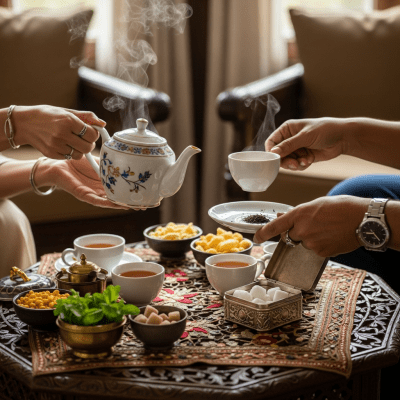
Valued for its versatility, Nilgiri Tea is enjoyed plain, with milk, or as iced tea. Its stable flavor profile makes it a popular choice both as a standalone brew and as a component in blends, adapting well to diverse palates and serving styles.
Bring this kind into your world illustrated posters, mugs, and shirts.
Archival print, museum-grade paper
Buy Poster
Stoneware mug, dishwasher safe
Buy Mug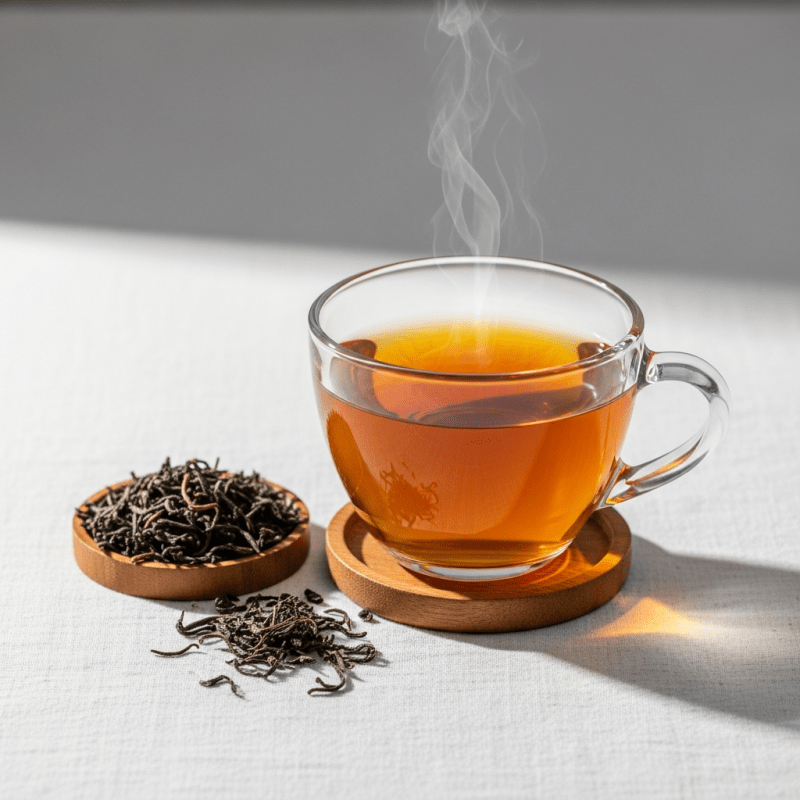
Soft cotton tee, unisex sizes
Buy ShirtNilgiri Tea holds a unique cultural identity distinct from other Indian teas like Assam and Darjeeling. It has earned Geographical Indication (GI) status, underscoring its regional importance, and is integral to southern India's tea heritage, supported by institutions such as the United Planters Association of Southern India and the Tea Board of India.
Nilgiri Tea offers a fragrant and floral aroma complemented by a brisk, clean taste. Its liquor is bright and ranges from golden-yellow to amber, delivering a refreshing and lively sensory experience that balances subtle sweetness with astringency.
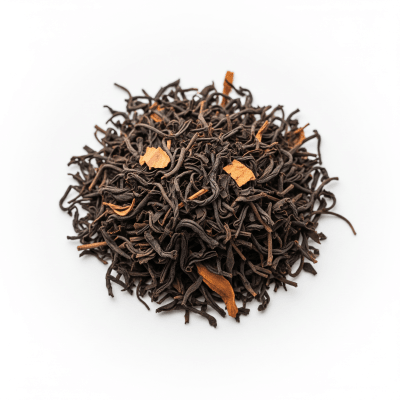

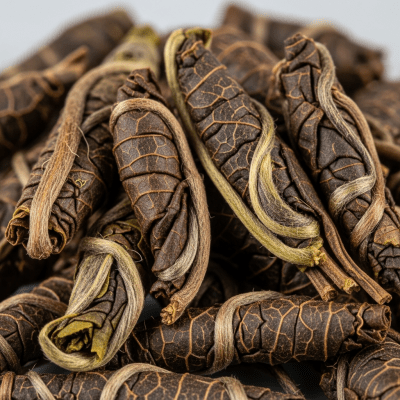
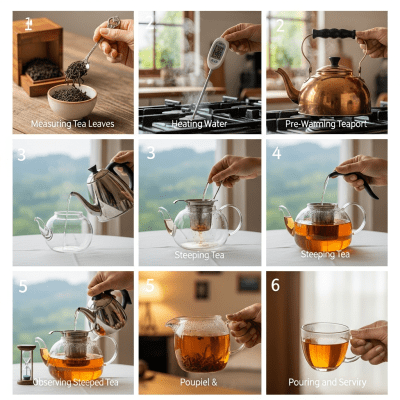
The tea undergoes full oxidation, following traditional steps of withering, rolling, oxidation, and drying. Both orthodox and CTC shaping methods are employed, catering to diverse market demands and resulting in teas suited for various brewing styles and blends.
In southern India and beyond, Nilgiri Tea is commonly served plain or with milk and is popular as iced tea. Its flavor stability makes it a favored choice in blends, and it enjoys cultural prominence distinct from northern Indian teas, supported by regional tea boards and associations.
Like many black teas, Nilgiri Tea is reputed to support alertness and digestion due to its caffeine content and antioxidants. Its good storage stability helps preserve these beneficial compounds when stored properly in dry, cool conditions.
Within the Nilgiri category, notable regional variants include estate-specific teas such as Korakundah and Tiger Hill. These variants reflect subtle differences in terroir and processing styles, contributing to the diversity and richness of Nilgiri Tea offerings.