Sheng Pu-Erh
Sheng Pu-erh, or raw pu-erh, is a traditional Chinese tea famed for its natural aging process that deepens its flavor complexity over time, making it highly prized among tea enthusiasts and collectors.
Sheng Pu-erh, or raw pu-erh, is a traditional Chinese tea famed for its natural aging process that deepens its flavor complexity over time, making it highly prized among tea enthusiasts and collectors.
Originating in Yunnan Province, China, Sheng Pu-erh traces its roots back to the Tang Dynasty (618–907 CE), with notable refinement during the Qing Dynasty. It is crafted from large-leaf varieties of Camellia sinensis var. assamica, grown in subtropical mountainous regions where ancient tea trees flourish.
Sheng Pu-erh belongs to the pu-erh family of teas, distinguished by its partial oxidation and natural microbial fermentation. Unlike its counterpart, ripe (shou) pu-erh, Sheng undergoes a slow, natural aging process that evolves its character over years or decades.
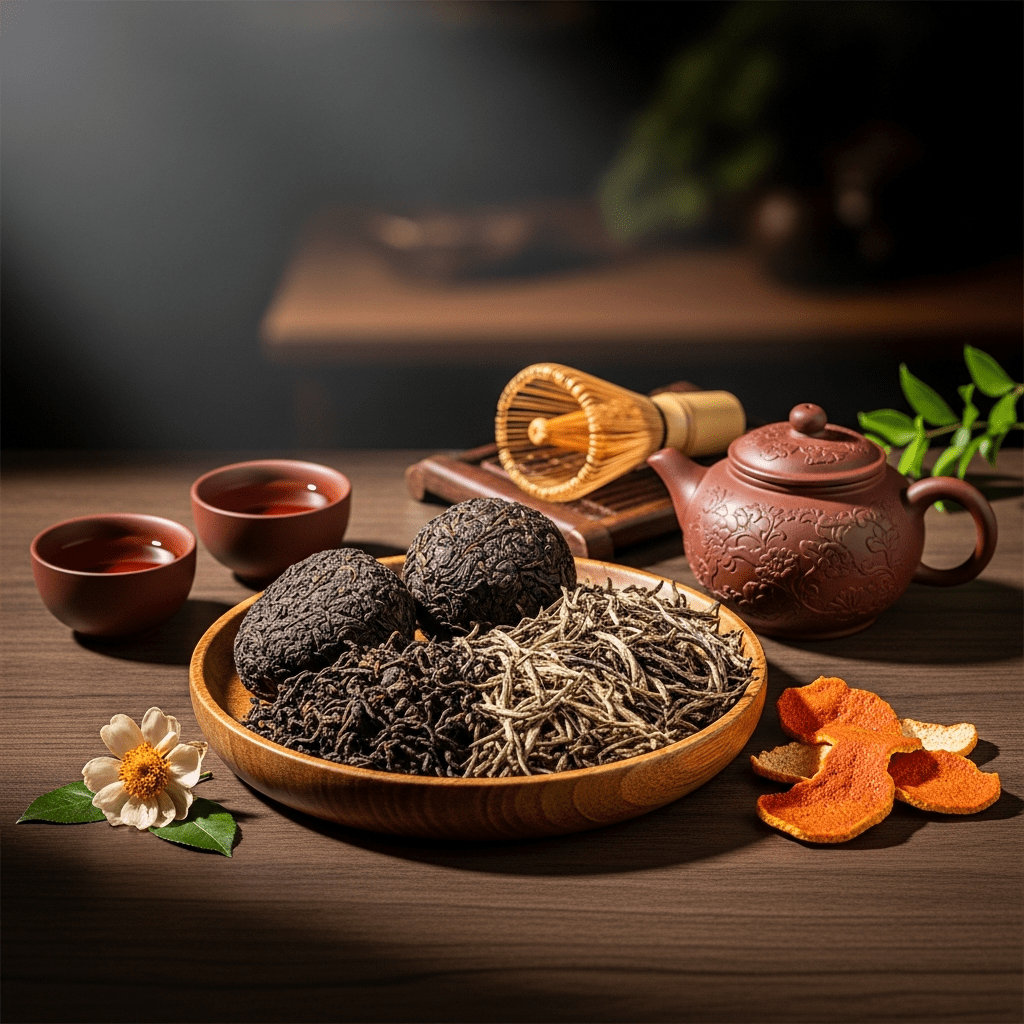
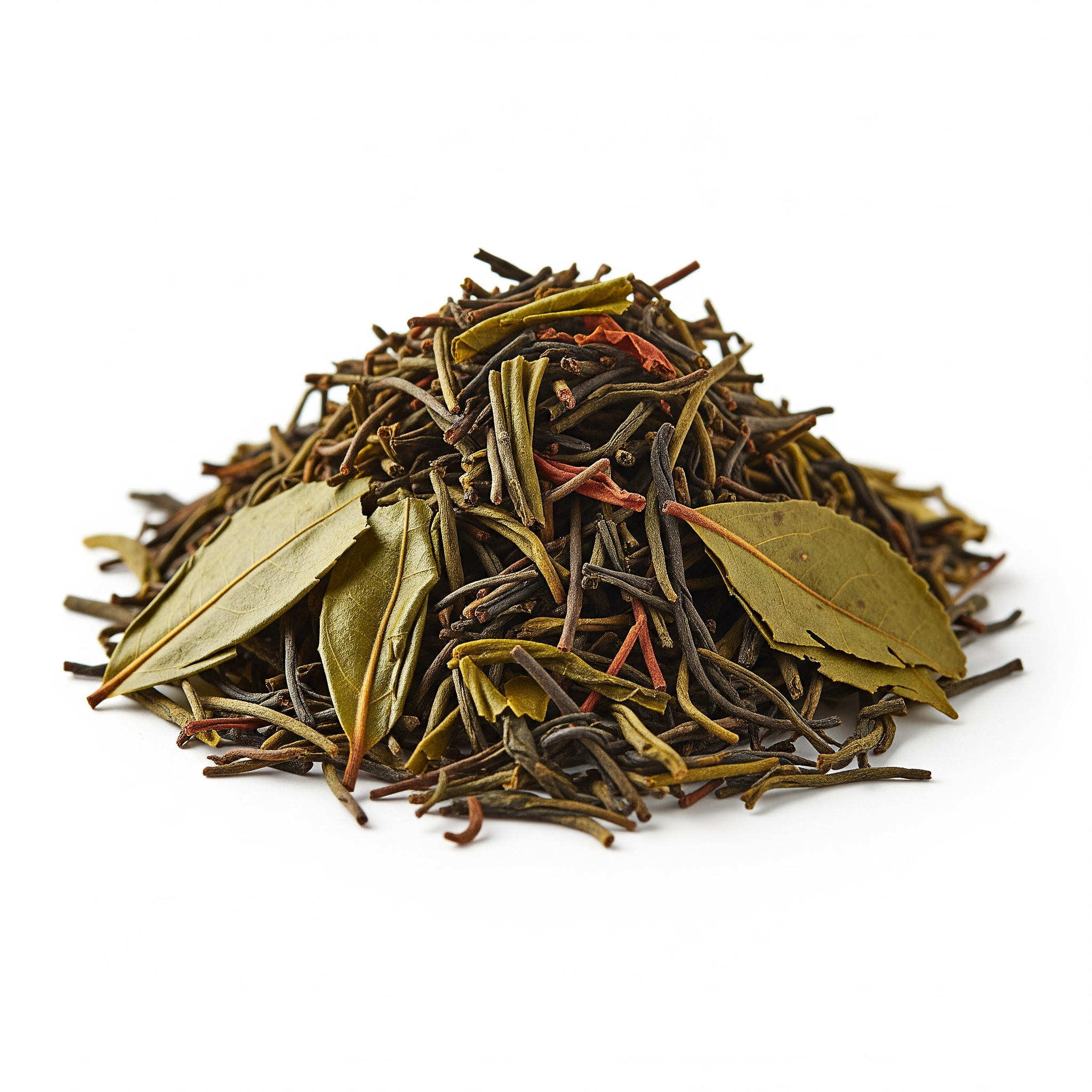
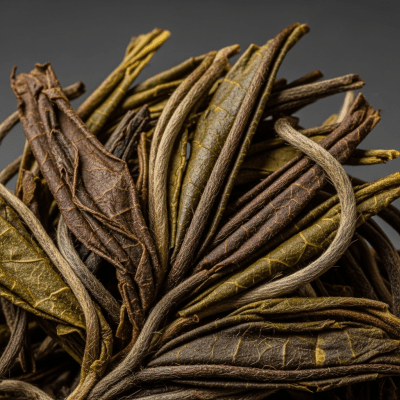
The tea leaves are typically large, thick, and dark green, broad and elongated with a leathery texture characteristic of the assamica varietal. Sheng Pu-erh is commonly compressed into cakes, bricks, or sold loose, showcasing its traditional presentation.
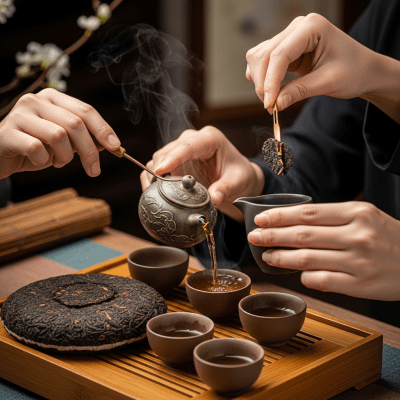
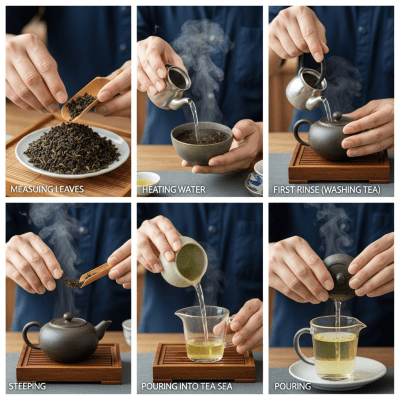
Sheng Pu-erh is processed through withering, pan-firing, rolling, sun-drying, and compression. Its natural fermentation continues post-production, allowing the tea to mature gracefully. It is brewed with short steeps, often in a gaiwan or Yixing teapot, inviting multiple infusions that reveal its evolving flavor nuances.
Bring this kind into your world illustrated posters, mugs, and shirts.
Archival print, museum-grade paper
Buy Poster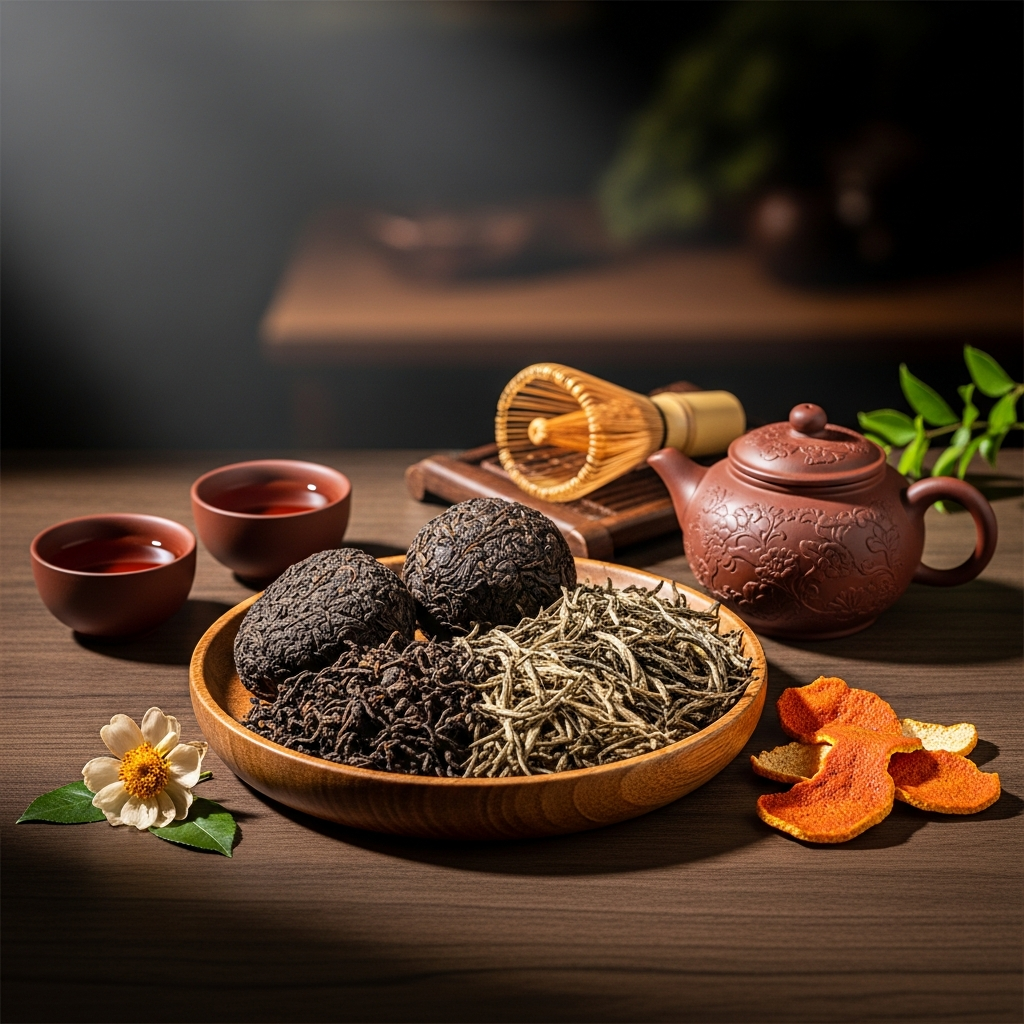
Stoneware mug, dishwasher safe
Buy Mug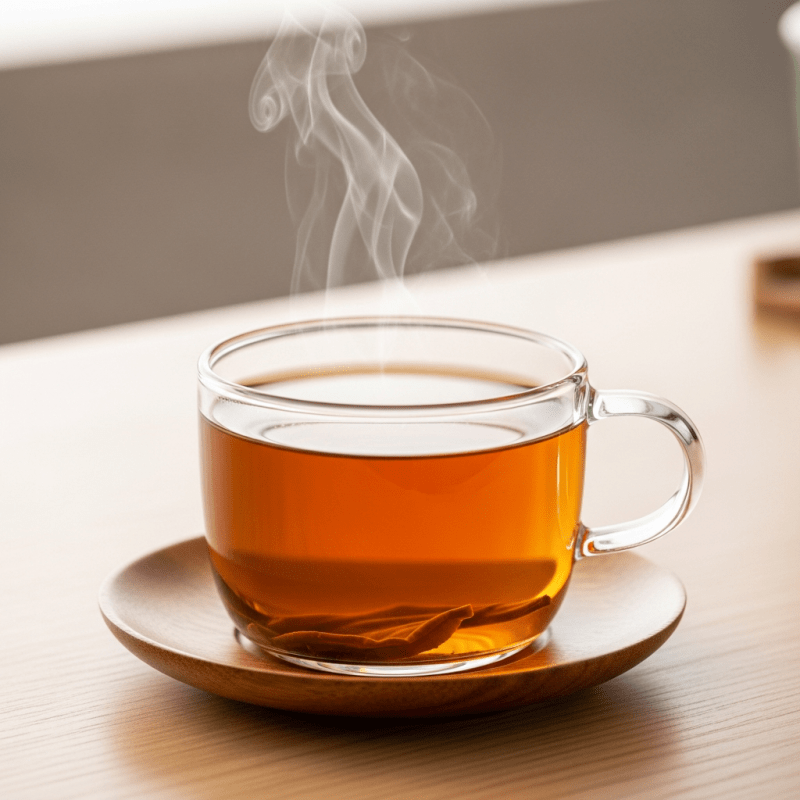
Soft cotton tee, unisex sizes
Buy ShirtDeeply embedded in Yunnan tea culture, Sheng Pu-erh holds ceremonial importance and is traditionally used in Chinese medicine. Its aging potential and historical heritage have made it a symbol of refinement and patience in tea appreciation.
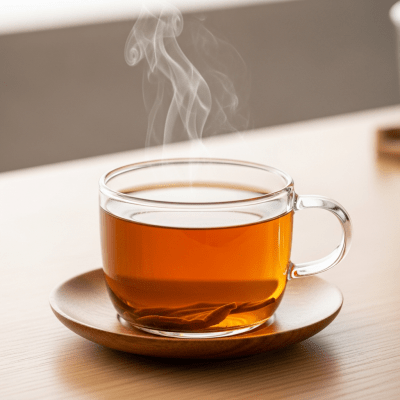
Young Sheng Pu-erh presents a fresh, vegetal aroma with floral hints and a brisk astringency. As it ages, its flavor deepens into earthy, sweet, and mellow tones, with bitterness softening and a complex, layered character emerging across multiple infusions.

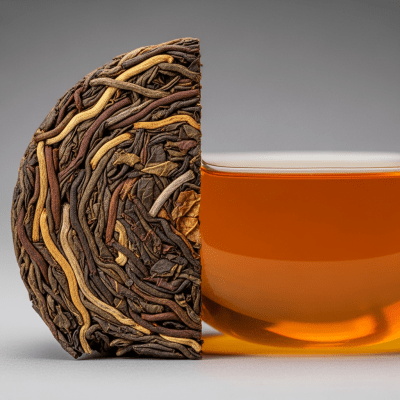
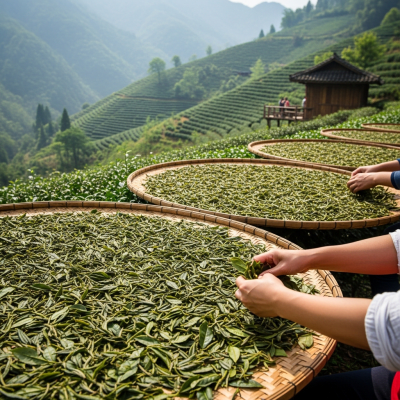
Sheng Pu-erh production involves several key steps: withering fresh leaves to reduce moisture, pan-firing to halt oxidation, rolling to shape and bruise the leaves, sun-drying to preserve them, and finally compressing into cakes or bricks. The tea then undergoes natural microbial fermentation during aging, which can span years or decades.
Traditionally, Sheng Pu-erh is brewed in a gaiwan or Yixing teapot using short infusions to appreciate its evolving flavors. It holds a revered place in Yunnan’s tea ceremonies and is often enjoyed in social and medicinal contexts, reflecting its cultural depth and significance.
Sheng Pu-erh is reputed for aiding digestion and metabolism, partly due to its microbial fermentation. Its antioxidants and polyphenols contribute to general wellness, while traditional uses include supporting digestive health and balancing internal energy.
Within Yunnan, Sheng Pu-erh exhibits regional distinctions, notably from Xishuangbanna, Lincang, and Pu’er City. Each area imparts unique terroir influences, affecting leaf characteristics, flavor nuances, and aging potential.