Origin Story

Originating in Lu'an County, Anhui Province, China, Lu'an Guapian traces its roots back to the Qing Dynasty, where it earned recognition in imperial records. This tea is not the product of a specific breeder or cultivar cross but rather a regional tradition that applies specialized processing techniques to local Camellia sinensis var. sinensis plants.

Classification

Classified as a green tea, Lu'an Guapian belongs to the broader family of Camellia sinensis teas, specifically derived from the var. sinensis botanical variety. It stands out among green teas due to its exclusive use of mature leaves, distinguishing it from many others that include buds or stems.

Appearance or Form

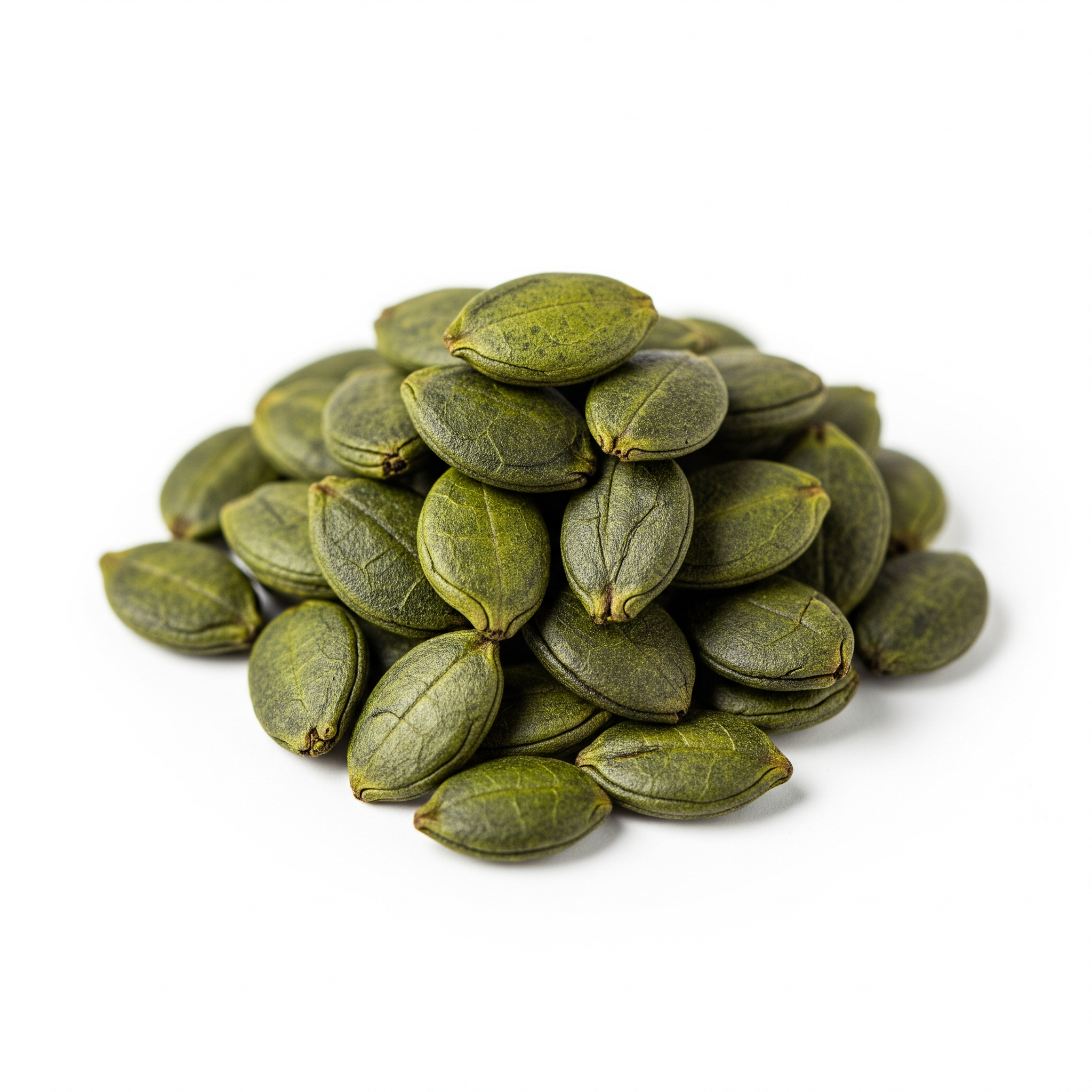
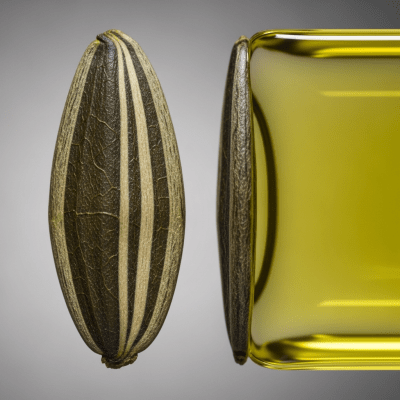
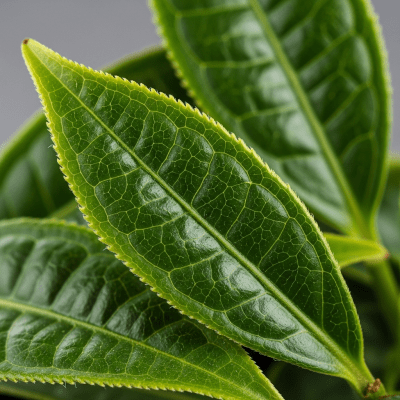
The tea leaves of Lu'an Guapian are medium to large, oval-shaped, and dark green with a glossy surface after processing. They are carefully plucked from the second and third leaves of the tea shoot, excluding buds and stems, and shaped by hand into flat, distinctive "melon seed" forms that visually set this tea apart.

Behavior or Usage

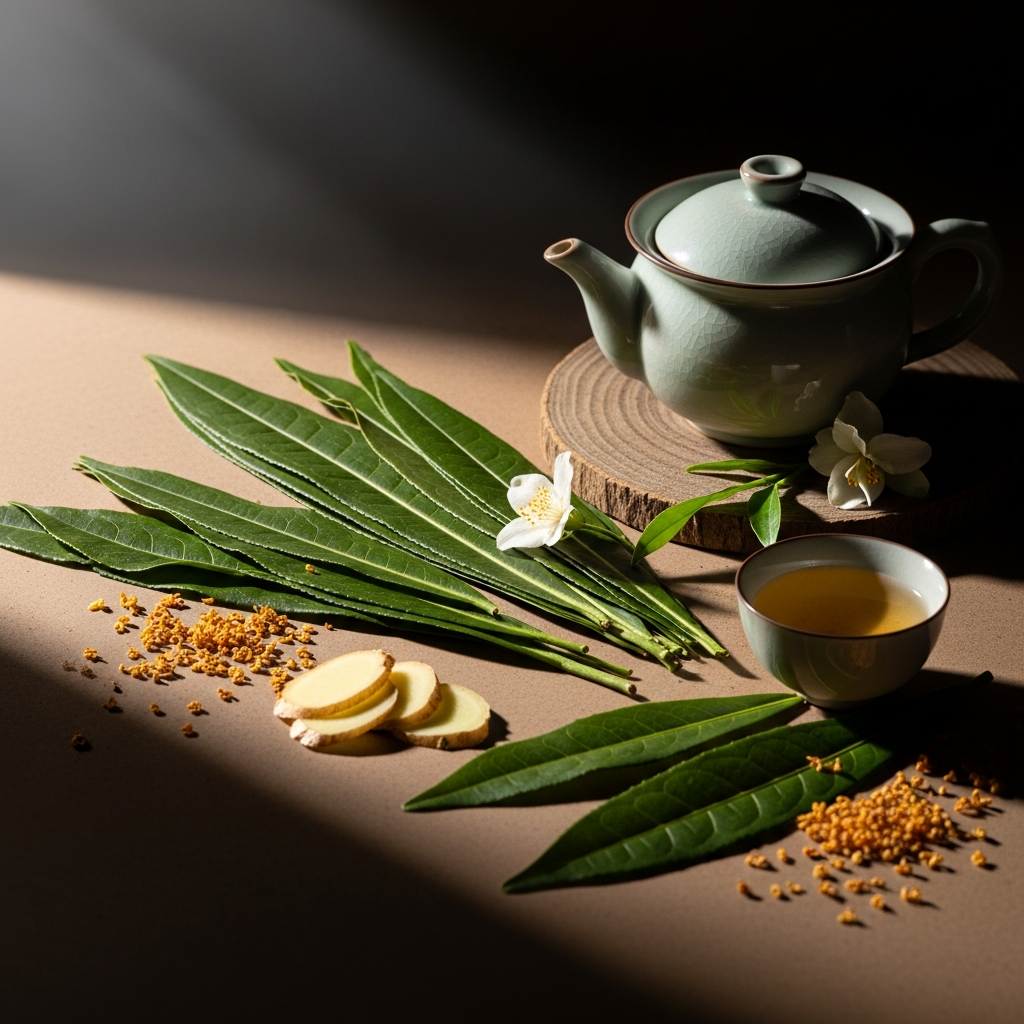
Lu'an Guapian is prized for its function as a loose-leaf infusion tea. The leaves undergo pan-firing with multiple hand-fired rounds to lock in flavor and shape, producing a smooth, mellow brew that refreshes the palate. It is commonly enjoyed plain to highlight its natural sweetness and floral aroma.

Merchandise & Prints

Bring this kind into your world � illustrated posters, mugs, and shirts.

Lu'an Guapian Lu'an Guapian Poster

Lu'an Guapian Poster

Archival print, museum-grade paper

Lu'an Guapian Lu'an Guapian Mug

Lu'an Guapian Mug

Stoneware mug, dishwasher safe

Lu'an Guapian Lu'an Guapian Shirt

Lu'an Guapian Shirt

Soft cotton tee, unisex sizes

Attributes & Insights

Taxon-Specific Insights

🌍Cultural Significance

Highly esteemed in Chinese tea culture, Lu'an Guapian is often presented as a premium gift and holds a place among China's celebrated "Famous Teas." Its unique leaf shape and mellow flavor have made it a symbol of Anhui's rich tea heritage, occasionally referenced in classical literature and regional traditions.

📌Notable Facts

  • Unlike most green teas, Lu'an Guapian uses only mature leaves, excluding buds and stems.
  • The tea's name "Guapian" means "melon seed," referring to the distinctive shape of its leaves.
  • It holds Protected Geographical Indication (PGI) status, affirming its regional authenticity.
  • The tea is harvested primarily in late April to early May from mountainous areas at 300–800 meters elevation.
  • Its processing involves multiple rounds of hand pan-firing, a labor-intensive method that enhances flavor and leaf appearance.

👅Flavor Profile Details

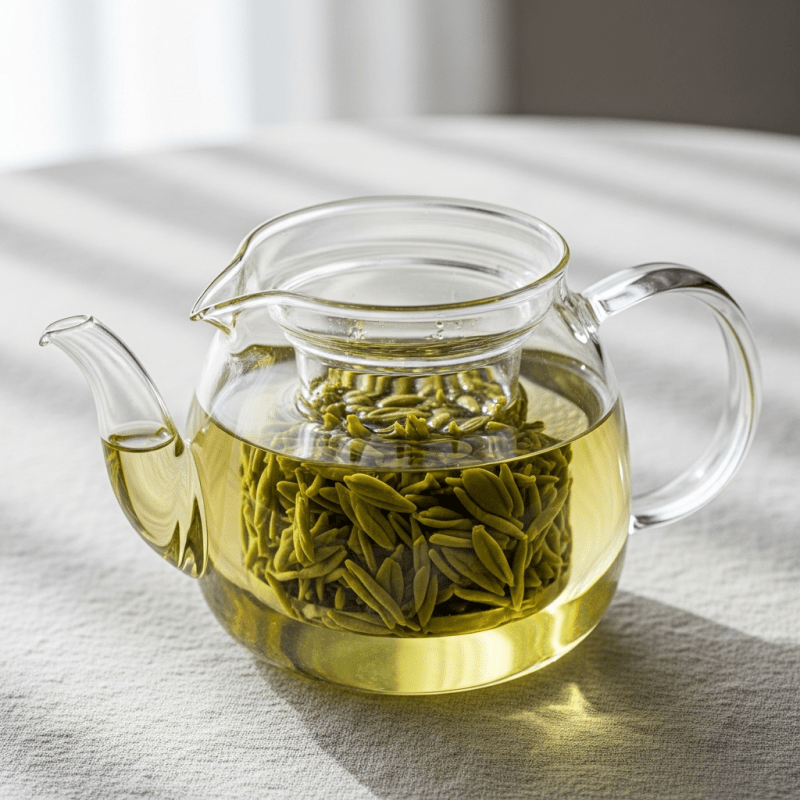
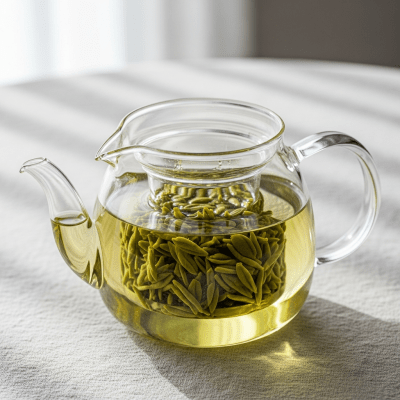
Lu'an Guapian offers a mellow and sweet flavor profile characterized by a smooth, refreshing taste and a lingering floral aroma. Its infusion is clear and emerald green, delivering a delicate balance of natural sweetness and subtle vegetal notes without bitterness.

Visual Variations

High quality photograph of a Lu'an Guapian, of the taxonomy teas
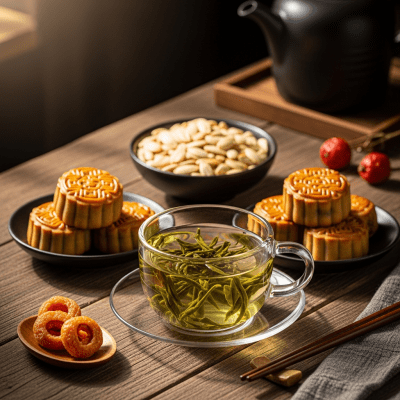
Editorial-style image of a brewed Lu'an Guapian tea, part of the taxonomy teas
Cross-sectional close-up of a Lu'an Guapian
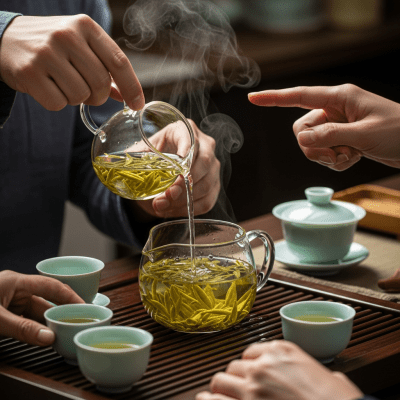
Image showing Lu'an Guapian prepared and served in its typical cultural context
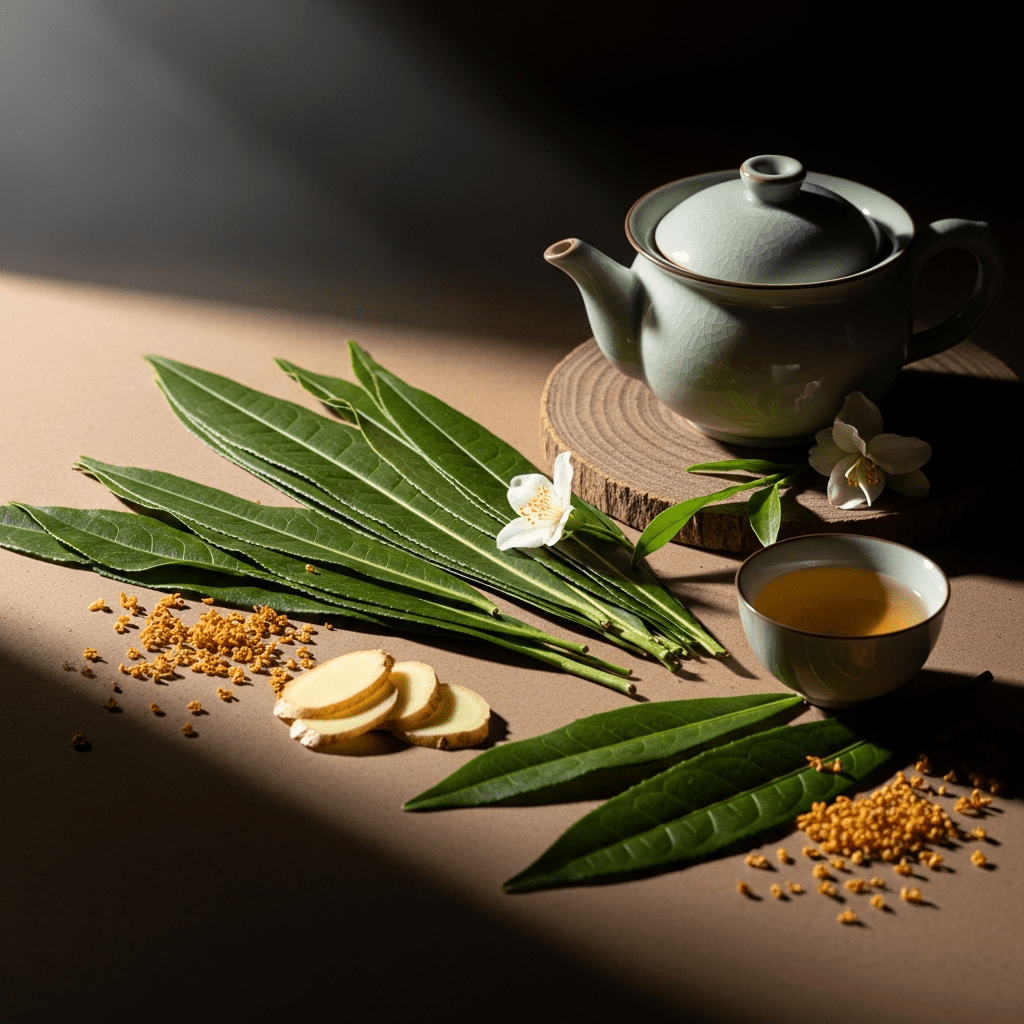
Environmental scene featuring Lu'an Guapian, part of the taxonomy teas
Macro photograph focusing on the texture and details of Lu'an Guapian leaves, within the taxonomy teas
Still life image of a prepared cup of Lu'an Guapian
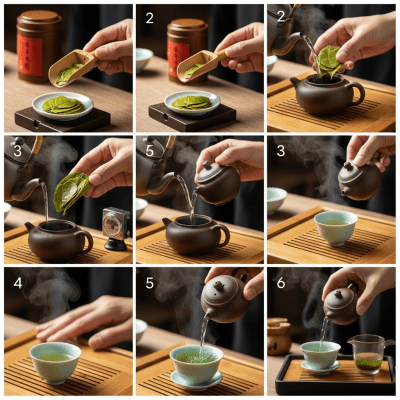
Step-by-step visual depiction showing the preparation process for Lu'an Guapian, within the taxonomy teas

Composition & Context

Taxon-Specific Insights

⚙️Processing Methods

The processing of Lu'an Guapian involves carefully plucking only the second and third mature leaves, excluding buds and stems. These leaves undergo pan-firing with multiple rounds of hand-firing to halt oxidation and develop flavor. The leaves are then shaped into flat, oval "melon seed" forms before final drying. This meticulous method preserves freshness and creates the tea's signature appearance.

🍵Consumption Culture

Lu'an Guapian is traditionally consumed as a loose-leaf infusion, often brewed plain to appreciate its natural sweetness and aroma. It holds cultural importance in Anhui and broader Chinese tea ceremonies, frequently gifted as a symbol of respect and hospitality. Its inclusion among China's "Famous Teas" underscores its ceremonial and social value.

💚Health Benefits

As a green tea, Lu'an Guapian is reputed to offer health benefits typical of unoxidized teas, including antioxidants that support overall wellness. Its mellow nature makes it gentle on the stomach, and it is often enjoyed for its refreshing qualities and potential to aid digestion and promote alertness.

🌍Regional Variations

While Lu'an Guapian is primarily associated with Lu'an County in Anhui Province, regional variants exist within Anhui that may differ slightly in leaf size or processing nuances. However, the core characteristics—mature leaves, melon seed shape, and mellow flavor—remain consistent across these local styles.

Faq

What makes Lu'an Guapian different from other green teas?
It is made exclusively from mature leaves without buds or stems, shaped into flat "melon seed" leaves, resulting in a unique flavor and appearance.

How should Lu'an Guapian be brewed?
Use loose leaves brewed with water just below boiling to preserve its mellow, sweet taste and floral aroma.

Where does Lu'an Guapian come from?
It originates from Lu'an County in Anhui Province, China, with a history dating back to the Qing Dynasty.