Sencha
Sencha is the most widely consumed and produced variety of Japanese green tea, known for its steamed processing method and fresh, grassy flavor profile that defines daily tea culture in Japan.
Sencha is the most widely consumed and produced variety of Japanese green tea, known for its steamed processing method and fresh, grassy flavor profile that defines daily tea culture in Japan.
Originating in 18th-century Japan, Sencha was developed by Nagatani Soen in Uji, Kyoto Prefecture. This tea’s defining technique—steaming the leaves to prevent oxidation—was standardized here, marking a distinct evolution in Japanese tea production from traditional pan-firing methods.
Sencha belongs to the green tea category, derived from the Camellia sinensis var. sinensis plant species. It is classified by its non-oxidized, steamed processing method, setting it apart from other green teas such as pan-fired Chinese varieties and shaded Japanese teas like gyokuro.
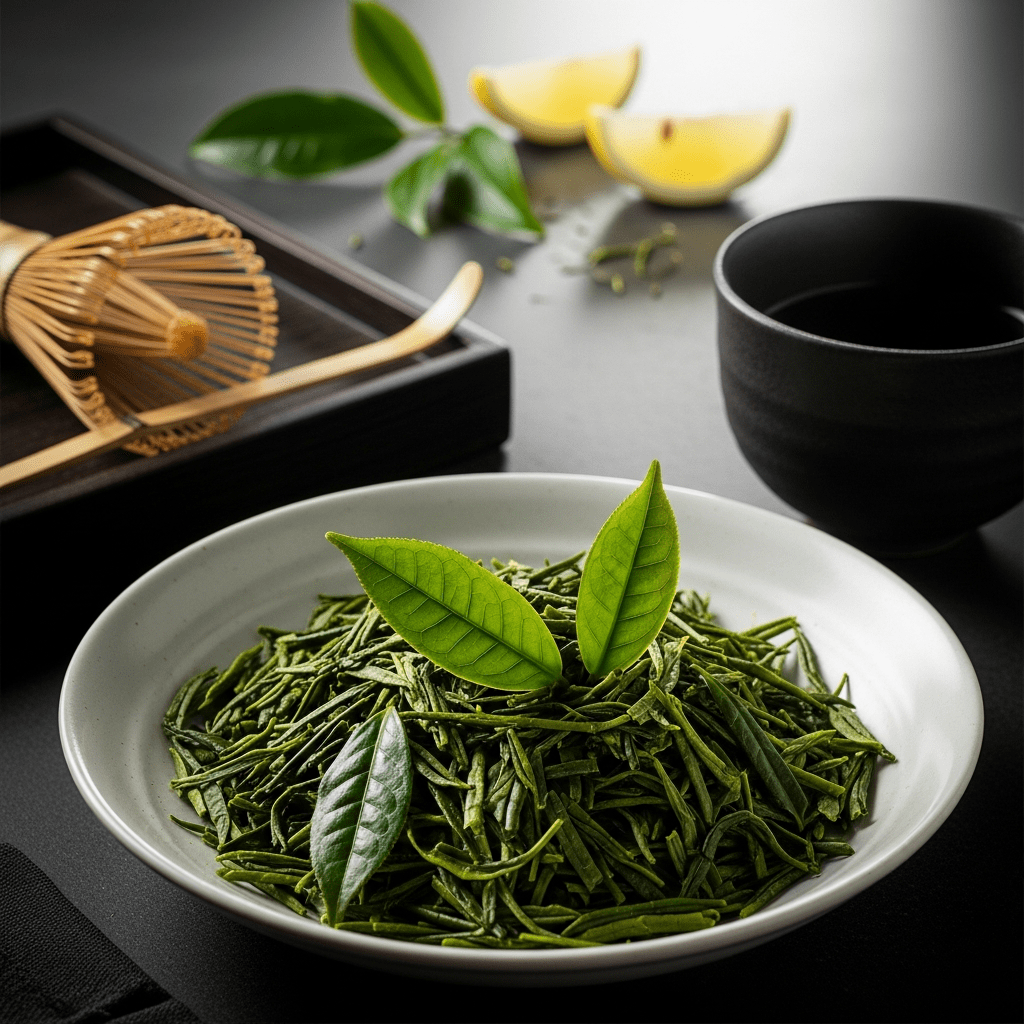
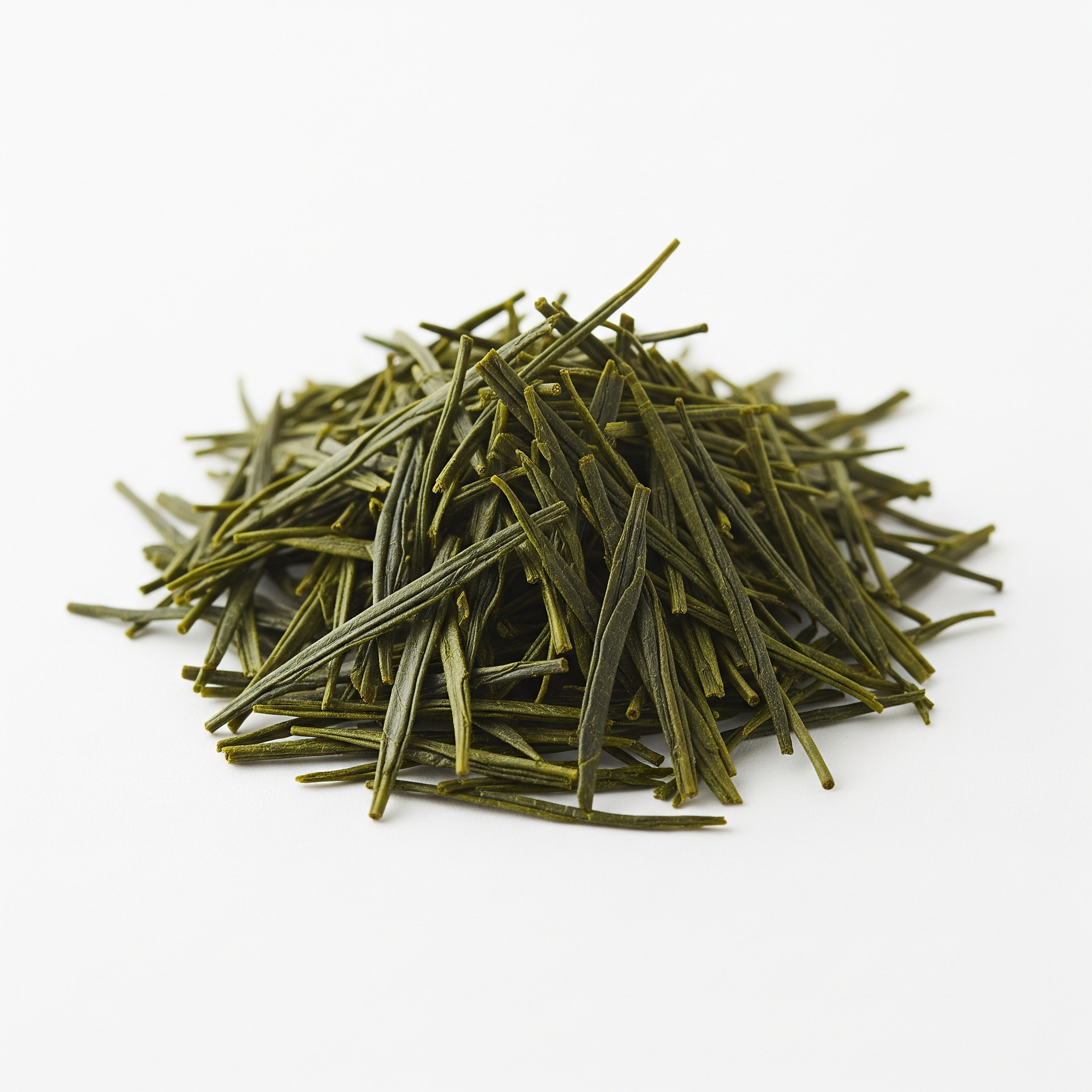
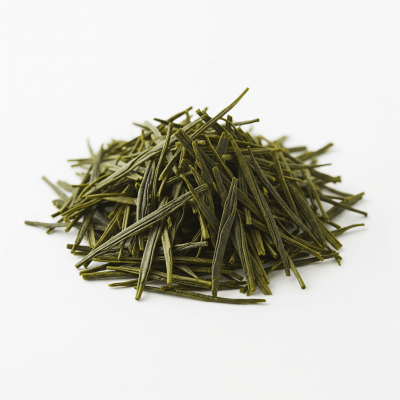
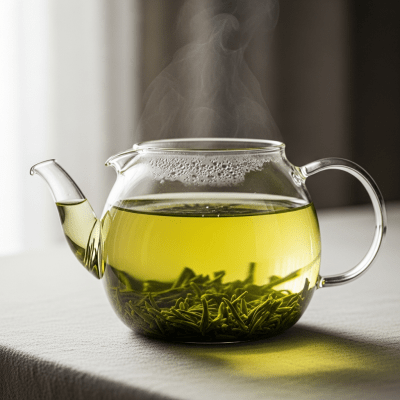
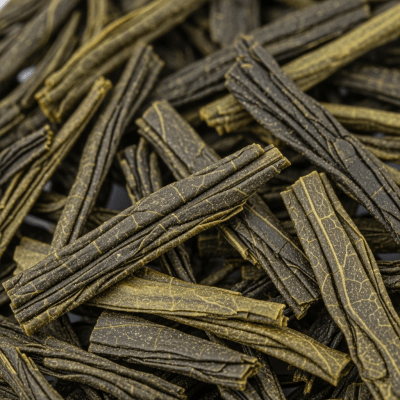
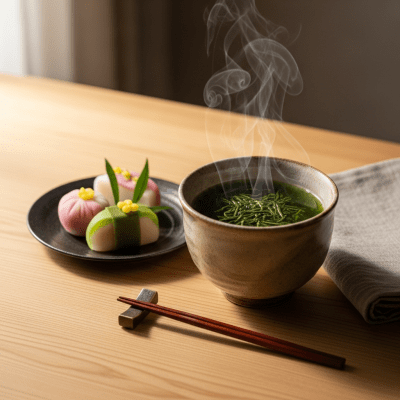
Sencha leaves are slender and needle-like, displaying a deep green color after steaming and drying. The brewed liquor is a vibrant green, reflecting its fresh and vegetal character. This distinctive form contrasts with the broader, pan-fired leaves of some Chinese green teas.
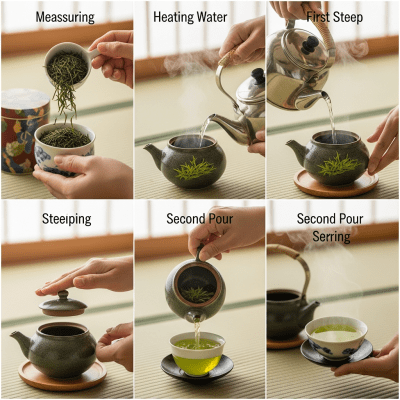
Sencha is harvested primarily in spring, with subsequent flushes throughout the year. It is processed by steaming the fresh leaves for 15 to 60 seconds, followed by rolling and drying. This method preserves its green color and fresh aroma. Sencha is typically brewed as a hot infusion at 70–80°C to balance umami and astringency without bitterness.
Bring this kind into your world illustrated posters, mugs, and shirts.
Archival print, museum-grade paper
Buy Poster
Stoneware mug, dishwasher safe
Buy Mug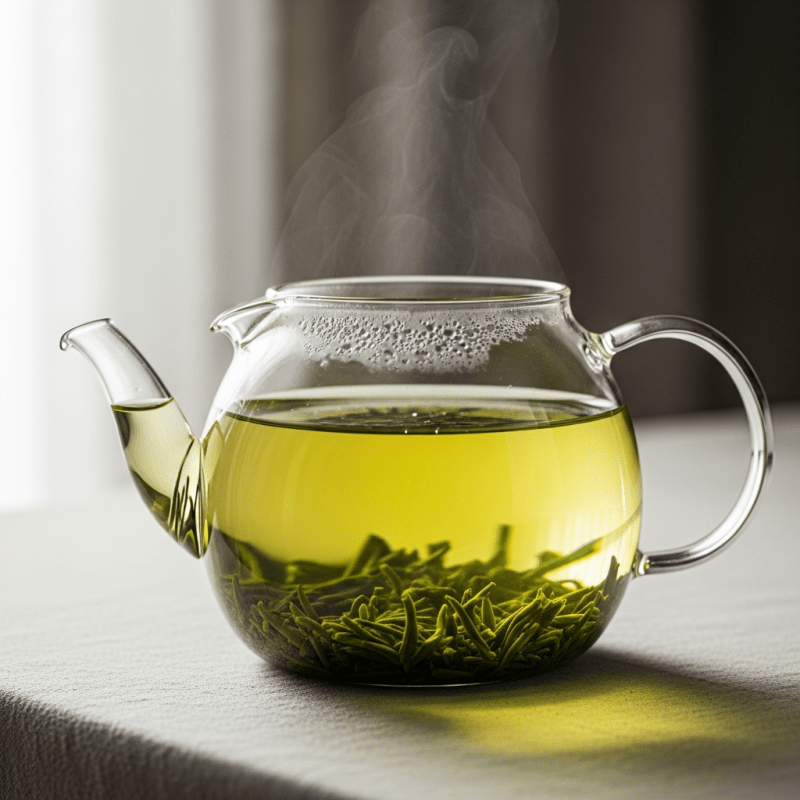
Soft cotton tee, unisex sizes
Buy ShirtAs the cornerstone of Japanese tea culture, Sencha is central to everyday life and social rituals. It is distinct from shaded teas like gyokuro and pan-fired varieties such as kamairicha, embodying a cultural preference for fresh, grassy flavors. The first harvest, known as shincha, is especially celebrated for its freshness and quality.
Sencha offers a harmonious balance of grassy and vegetal notes with a pronounced umami richness. Its flavor carries moderate astringency tempered by a subtle sweetness, creating a refreshing and invigorating sensory experience. The aroma is fresh and green, reflecting the steamed processing that preserves the leaf’s natural character.

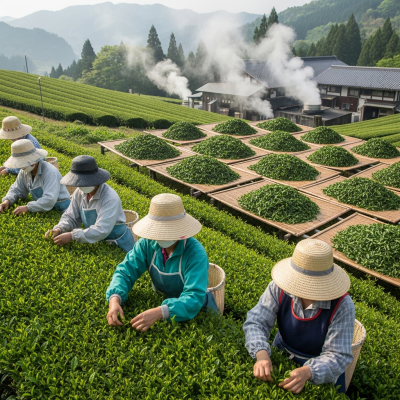
Sencha’s production involves steaming freshly picked leaves for 15 to 60 seconds to halt oxidation, followed by rolling to shape the slender, needle-like leaves, and drying to lock in freshness and color. This non-oxidative method distinguishes Sencha from black and oolong teas and preserves its vibrant green appearance and delicate flavors.
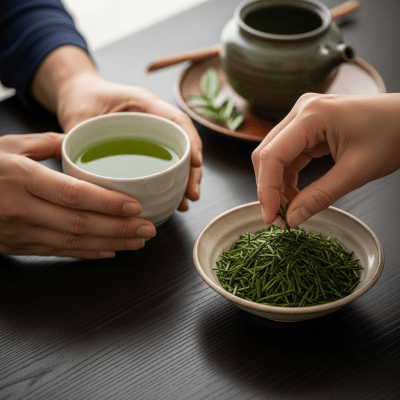
Sencha is traditionally served as a hot infusion, commonly prepared at home and in tea shops across Japan. It plays a vital role in daily life and informal gatherings, distinct from the formal tea ceremonies centered on powdered matcha. Regional variations in serving and appreciation reflect local terroir and seasonal harvests, enhancing its cultural richness.
Sencha is rich in catechins and antioxidants due to its unoxidized, steamed processing. It is reputed to support cardiovascular health, boost metabolism, and provide calming yet alert mental effects through its balanced caffeine and theanine content. Proper storage preserves these benefits, which are best enjoyed fresh within 6 to 12 months.
Notable regional variants of Sencha include Uji Sencha from Kyoto Prefecture, Shizuoka Sencha from Shizuoka Prefecture, and Kagoshima Sencha from southern Japan. Each reflects unique terroir and subtle processing differences, contributing to variations in flavor intensity, aroma, and leaf appearance that showcase Japan’s diverse tea-growing regions.