Yellow Tea
Yellow tea is a rare and distinctive type of tea from Camellia sinensis, celebrated for its unique "sealed yellowing" process that creates a mellow, smooth flavor and a characteristic yellow-gold infusion.
Yellow tea is a rare and distinctive type of tea from Camellia sinensis, celebrated for its unique "sealed yellowing" process that creates a mellow, smooth flavor and a characteristic yellow-gold infusion.
Originating in China, yellow tea has a rich history dating back to the Tang and Song dynasties (7th–13th centuries CE). It developed regionally through traditional craftsmanship rather than from a single breeder or institution, with notable varieties emerging from provinces such as Hunan, Sichuan, and Anhui.
Classified among the six major tea types, yellow tea occupies a unique place defined primarily by its subtle, partial oxidation and mild fermentation. It is not a specific cultivar but a processing category within the broader family of teas derived from Camellia sinensis.
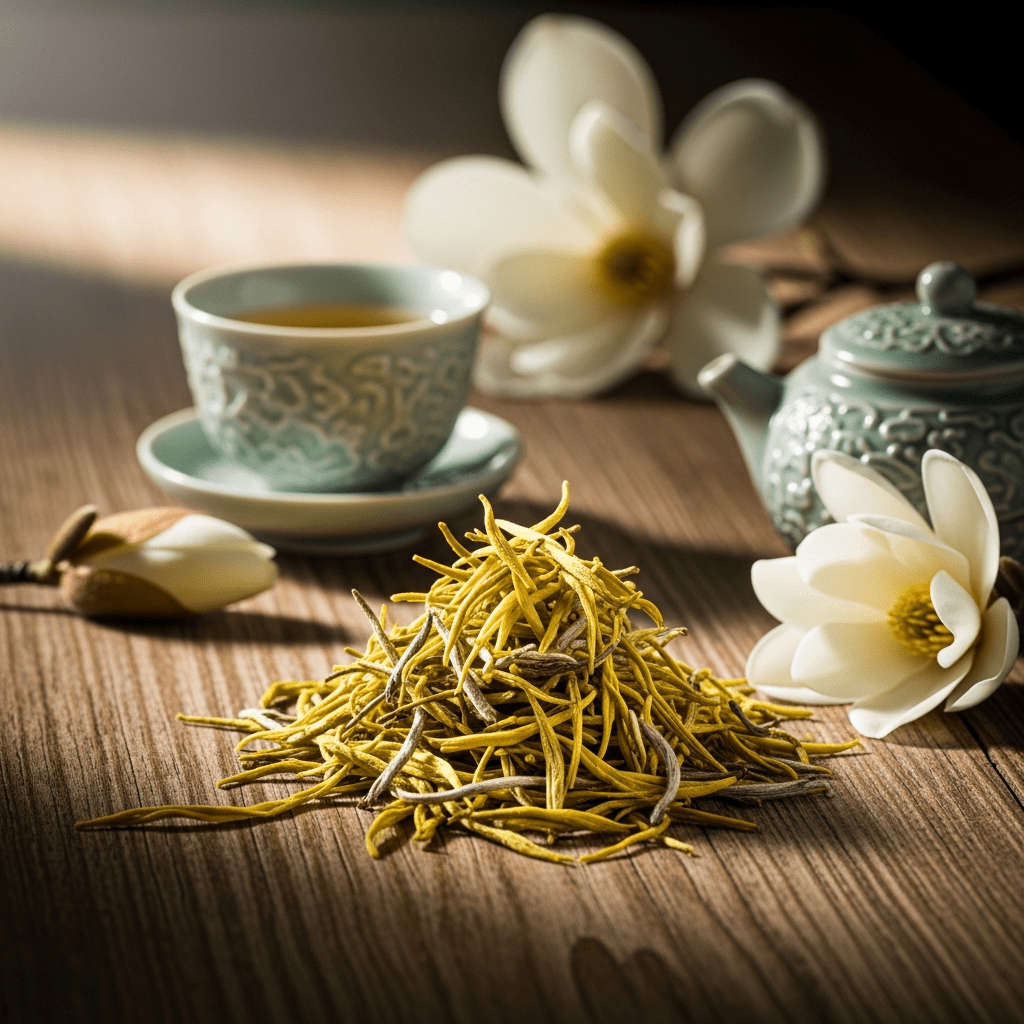
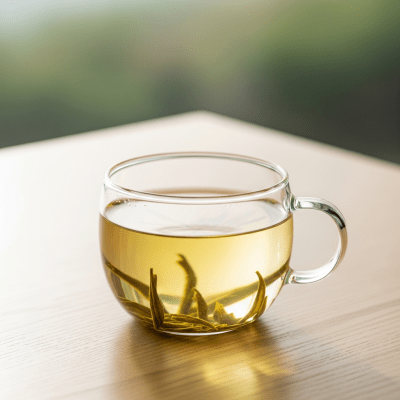
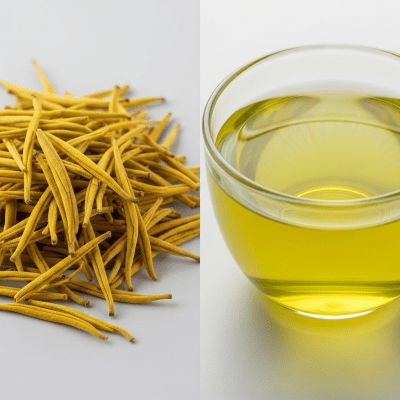
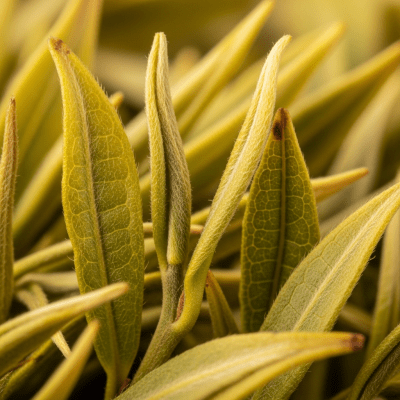
Yellow tea leaves are typically slender and straight, often covered with fine hairs, especially in prized varieties like Junshan Yinzhen. The brewed liquor presents a clear yellow-gold hue, reflecting its gentle processing and mellow character.
Yellow tea is prized for its smooth, mellow taste achieved through a distinctive processing method involving initial pan-firing followed by light wrapping and a gentle, non-enzymatic fermentation called "sealed yellowing." This process reduces grassy notes and astringency, making it a refined choice for tea connoisseurs.
Bring this kind into your world illustrated posters, mugs, and shirts.
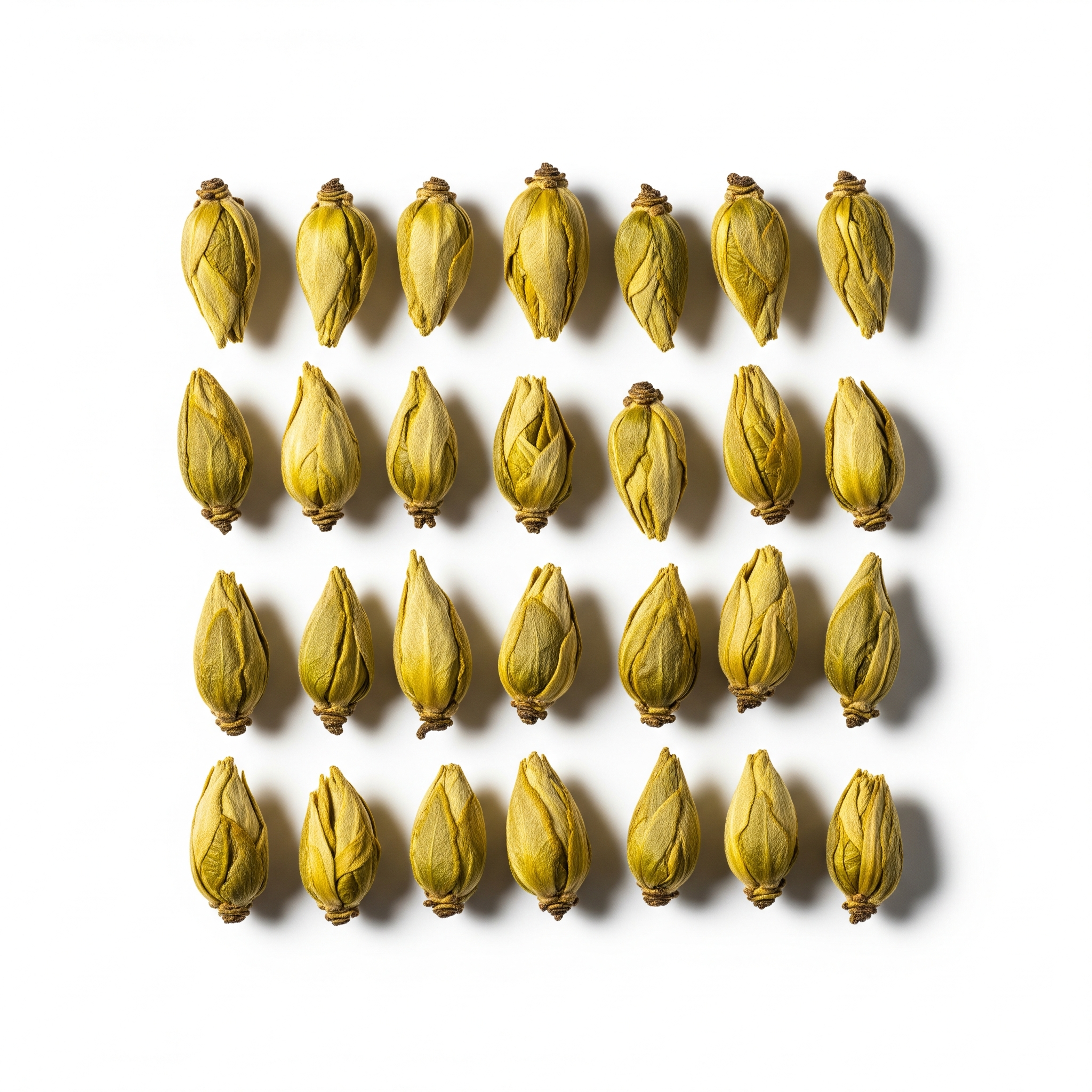
Archival print, museum-grade paper
Buy Poster
Stoneware mug, dishwasher safe
Buy Mug
Soft cotton tee, unisex sizes
Buy ShirtHighly valued in Chinese tea culture, yellow tea holds historical prestige and is often associated with rarity and refinement. Some varieties, such as Junshan Yinzhen, enjoy protected geographical indication status, underscoring their cultural and regional importance.
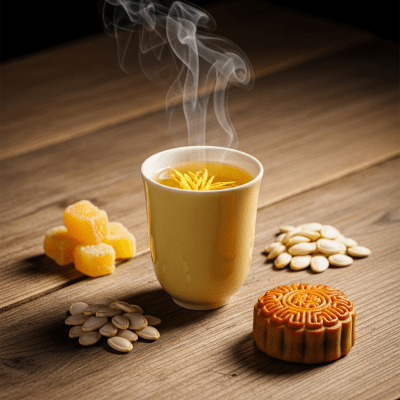
Yellow tea offers a gentle, sweet, and floral flavor profile with a smooth mouthfeel and notably less astringency than green tea. Its infusion is bright yellow-gold, reflecting the mellow and refined character imparted by its subtle fermentation.
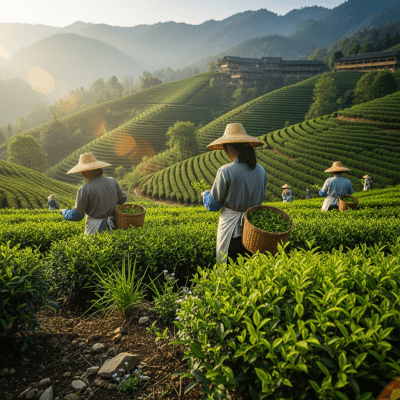
The processing of yellow tea begins with an initial pan-firing to halt oxidation, followed by a light wrapping of the leaves. This is succeeded by a mild, non-enzymatic fermentation known as "sealed yellowing" (闷黄, menhuang), which gently mellows the leaves and develops the tea's signature flavor and color.
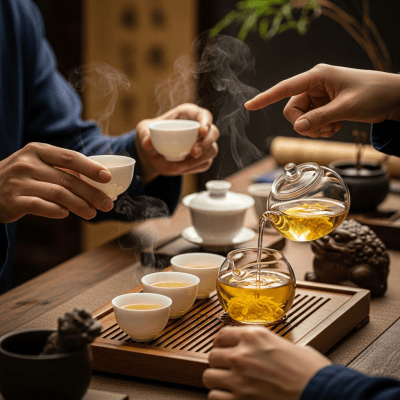
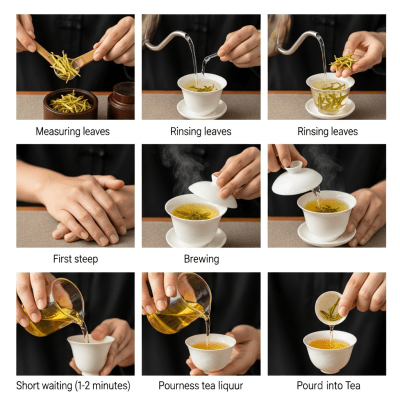
In China, yellow tea is traditionally brewed plain to appreciate its delicate flavors and is often reserved for special occasions due to its rarity. It is less common outside China and does not have widespread ceremonial use like some other teas, but it remains a prized choice among tea enthusiasts.
Yellow tea shares many health benefits common to true teas, including antioxidants and mild stimulants. Its gentle processing may contribute to a smoother digestive experience and reduced bitterness, making it suitable for sensitive palates.
Notable regional variants of yellow tea include Junshan Yinzhen from Hunan Province, Meng Ding Huang Ya from Sichuan Province, and Huoshan Huang Ya from Anhui Province. Each reflects subtle differences in leaf morphology and flavor shaped by local terroir and traditional methods.