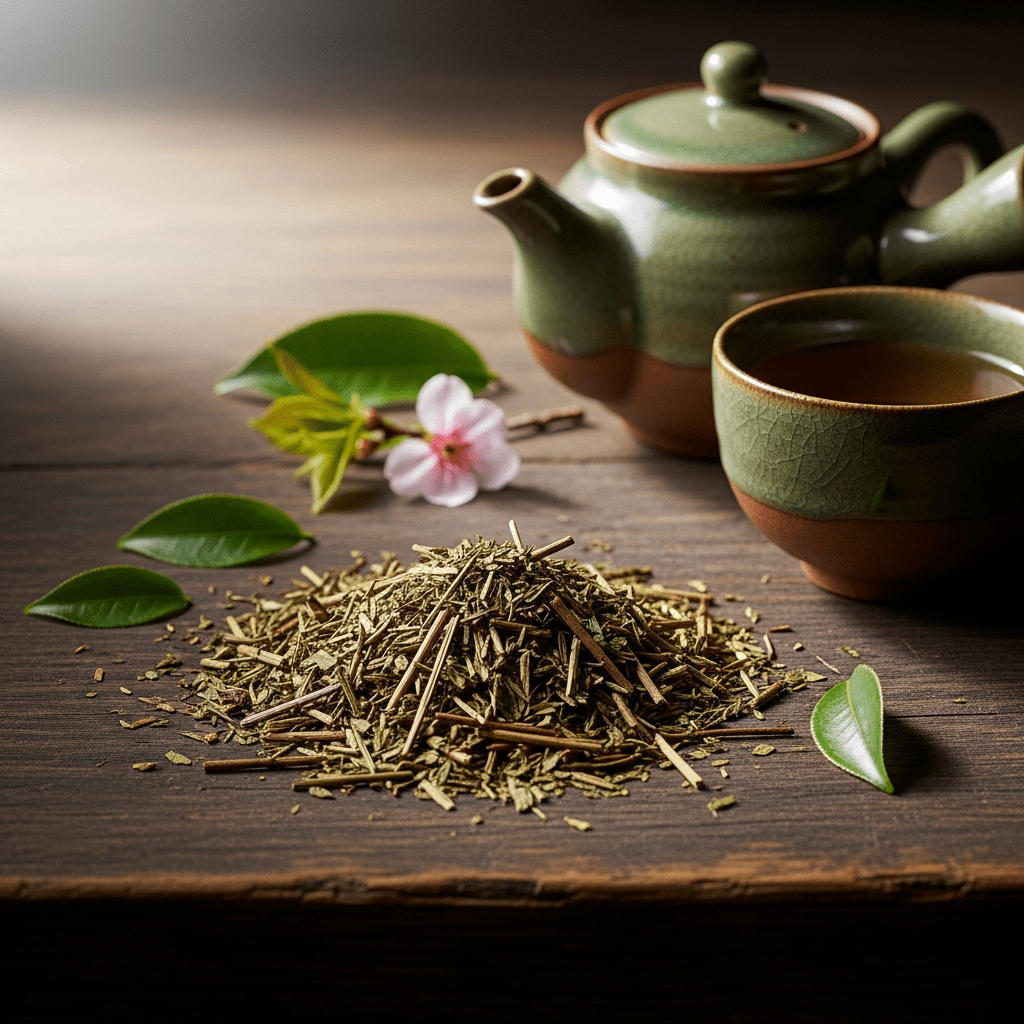
Kukicha
Kukicha is a distinctive Japanese green tea made primarily from the stems, stalks, and twigs of the Camellia sinensis plant, celebrated for its mild, slightly nutty, and creamy flavor with notably low caffeine content.
Kukicha is a distinctive Japanese green tea made primarily from the stems, stalks, and twigs of the Camellia sinensis plant, celebrated for its mild, slightly nutty, and creamy flavor with notably low caffeine content.
Kukicha originated in Japan, closely tied to renowned tea-producing regions such as Shizuoka, Uji (Kyoto), and Kagoshima. Rather than being a deliberately bred variety, it evolved naturally as a byproduct of traditional leaf tea processing, especially from sorting Sencha and Gyokuro leaves. Its development reflects the resourceful use of all parts of the tea plant within Japanese tea culture.
Classified within the green tea family, Kukicha stands apart by being composed mainly of the woody stems and twigs rather than the leaves themselves. It shares botanical origin with other Japanese green teas, derived from the Camellia sinensis plant, typically from the Yabukita cultivar, but is defined by its unique post-harvest sorting process rather than specific plant lineage.
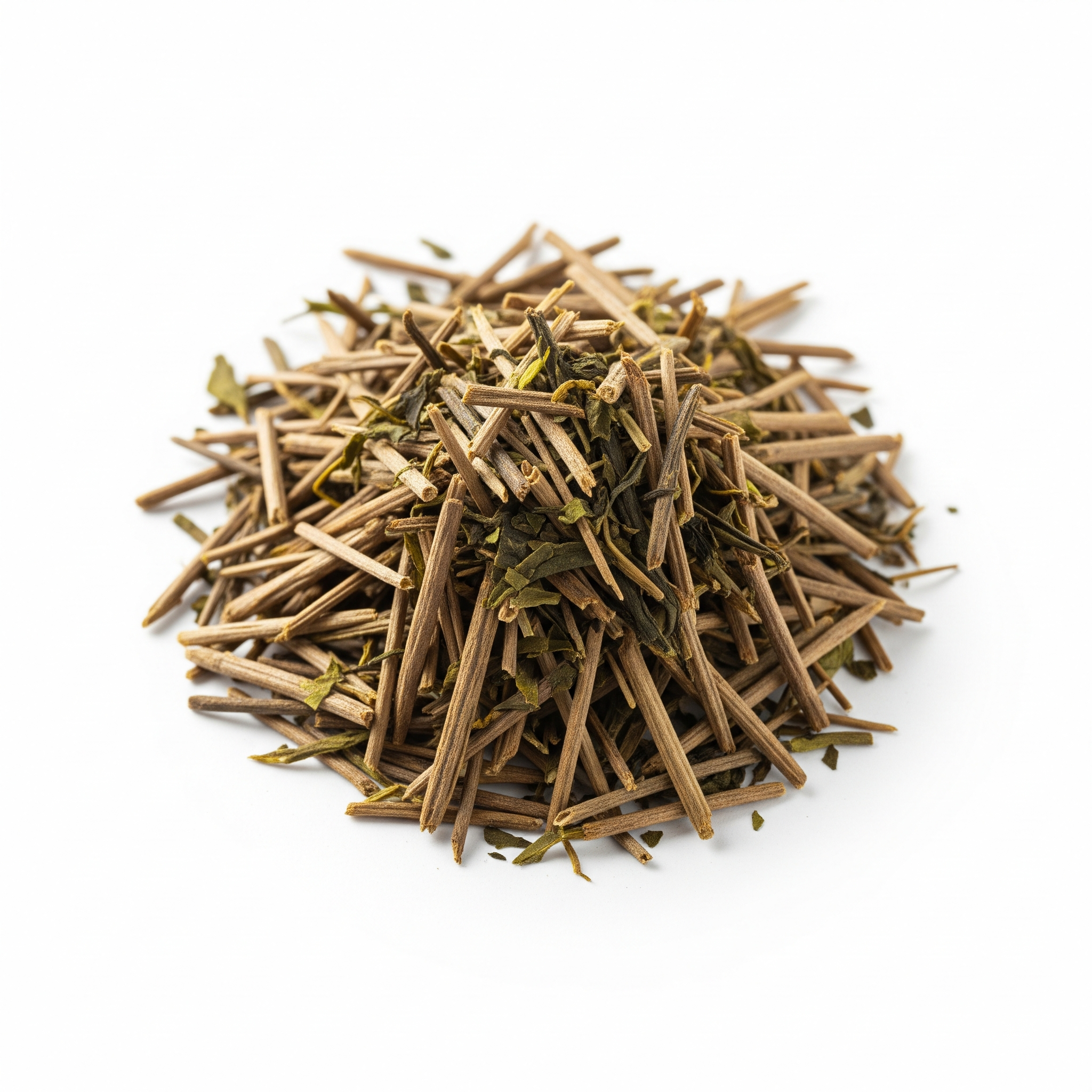
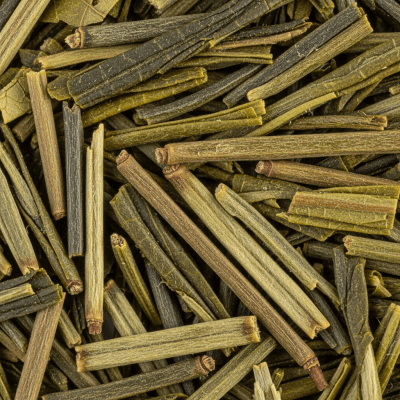
Kukicha’s appearance is characterized by pale green to yellowish slender stems, stalks, and twigs, which contrast with the broader, darker green leaves of typical teas. Its form is woody and lightweight, offering a visual and tactile distinction that reflects its origin from non-leaf parts of the tea plant.
Functionally, Kukicha is prized for its gentle flavor and low caffeine, making it suitable for multiple daily infusions and for those sensitive to caffeine. It is brewed at relatively low temperatures (70–80°C) to preserve its delicate sweetness and nutty nuances. Kukicha is consumed both hot and cold and is sometimes blended with leaf teas to balance flavor and caffeine levels.
Bring this kind into your world illustrated posters, mugs, and shirts.
Archival print, museum-grade paper
Buy Poster
Stoneware mug, dishwasher safe
Buy Mug
Soft cotton tee, unisex sizes
Buy ShirtWhile Kukicha does not hold a formal ceremonial role like some Japanese teas, it embodies the cultural value of frugality and respect for the whole tea plant. Known as "twig tea" or "stem tea," it reflects traditional Japanese craftsmanship in tea production, turning byproducts into a beloved, accessible beverage enjoyed widely across Japan.
Kukicha offers a mild and creamy flavor profile with subtle nutty undertones. Unlike many green teas that present grassy or vegetal notes, Kukicha’s taste is softer and slightly sweet, with a smooth, almost creamy mouthfeel. Its aroma is gentle and inviting, making it a soothing and approachable tea for a wide range of palates.




Kukicha undergoes steaming, a hallmark of Japanese green tea processing, which halts oxidation to preserve freshness and color. After steaming, the material is dried and carefully sorted to separate stems and twigs from leaf teas like Sencha and Gyokuro. This sorting process defines Kukicha as a secondary product, with some grades receiving special attention, such as Karigane, which uses stems from premium leaf harvests.
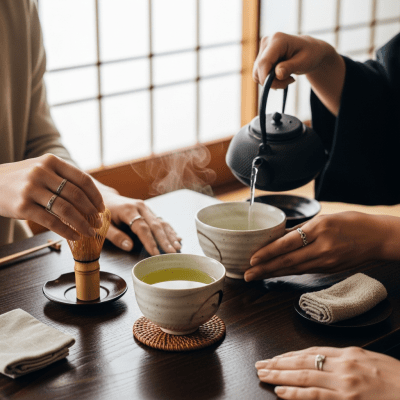
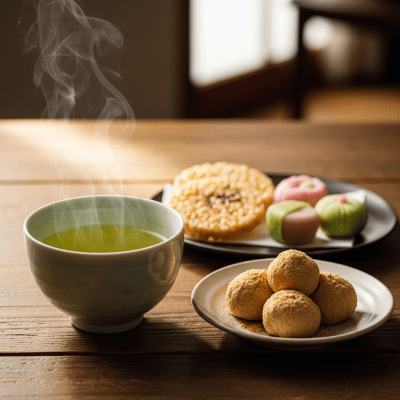
In Japan, Kukicha is enjoyed both hot and cold, often brewed at lower temperatures around 70–80°C to maintain its delicate flavors. It is commonly consumed as an everyday tea due to its affordability and mildness. While not central to formal tea ceremonies, Kukicha holds a place in daily life as a comforting and accessible beverage, sometimes blended with leaf teas to enhance complexity.
Kukicha is reputed for its healthful qualities, including a lower caffeine content that reduces stimulant effects while still delivering antioxidants typical of green teas. Its consumption supports hydration and provides polyphenols that may contribute to overall wellness. The stems and twigs contain minerals and compounds that add to its gentle yet beneficial profile.
The most notable regional variation of Kukicha is Karigane, a higher-grade stem tea derived from Gyokuro leaf production, prized for its refined flavor and aroma. While Kukicha is produced broadly in Japanese tea regions like Shizuoka, Uji, and Kagoshima, Karigane represents a premium style associated with specific estates and careful selection of stems.