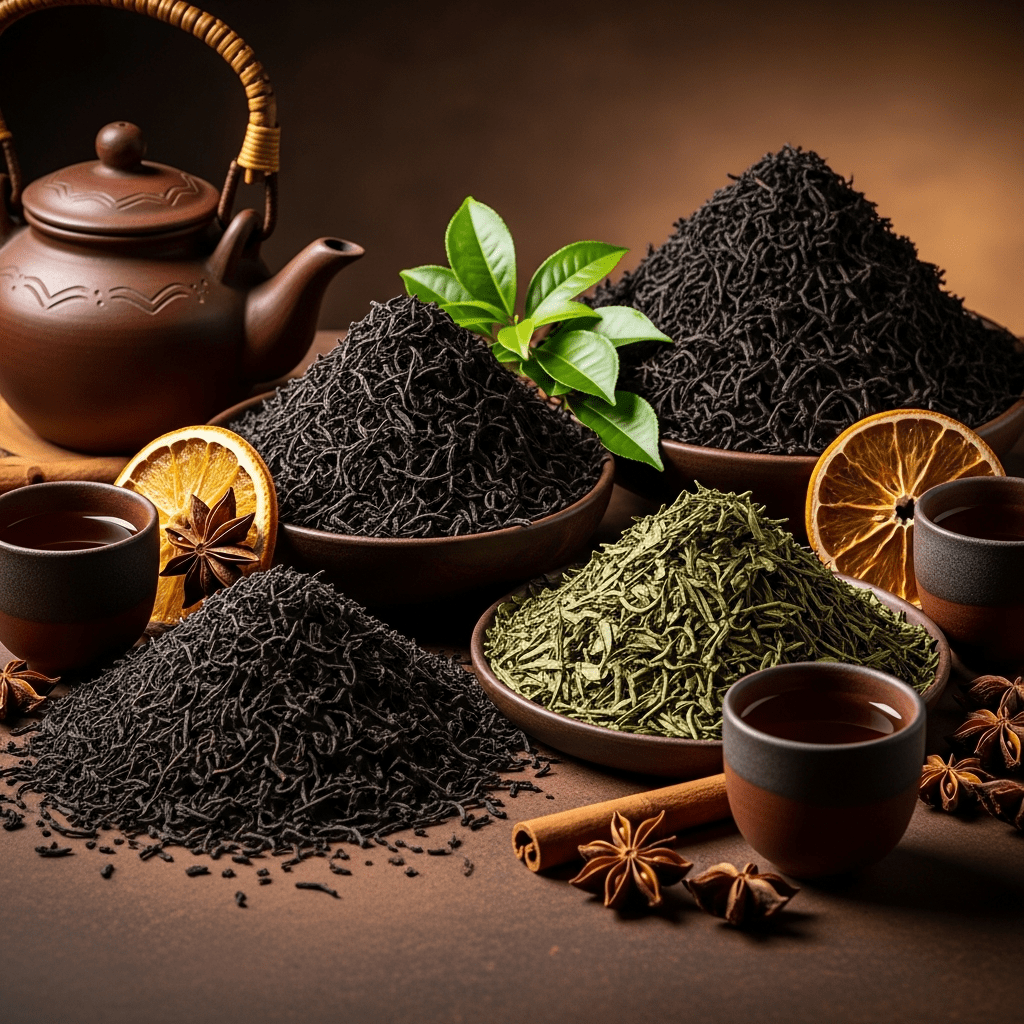
Nepal Tea
Nepal Tea refers to black and green teas cultivated from Camellia sinensis in Nepal's high-altitude regions, prized for their nuanced flavors and growing distinction from neighboring Darjeeling teas.
Nepal Tea refers to black and green teas cultivated from Camellia sinensis in Nepal's high-altitude regions, prized for their nuanced flavors and growing distinction from neighboring Darjeeling teas.
Tea cultivation in Nepal began commercially in the late 19th century, expanding notably during the 1970s and 1980s through government and international development efforts. The tea plants primarily descend from Camellia sinensis varieties introduced from India and China, specifically var. sinensis and var. assamica. While exact breeder details are scarce, Nepal's tea heritage is rooted in these introductions and regional propagation.
Nepal Tea fits within the broader category of orthodox black and green teas derived from the Camellia sinensis species. It shares botanical lineage with other South Asian teas but is distinguished by its cultivation at high altitudes and emerging stylistic identity within the black and green tea families.
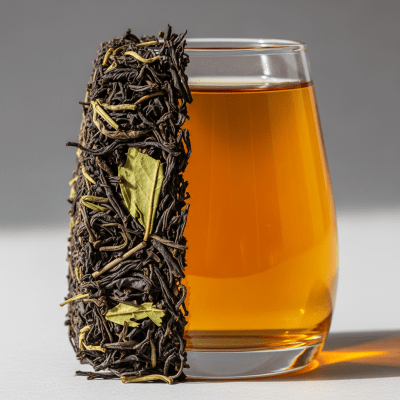
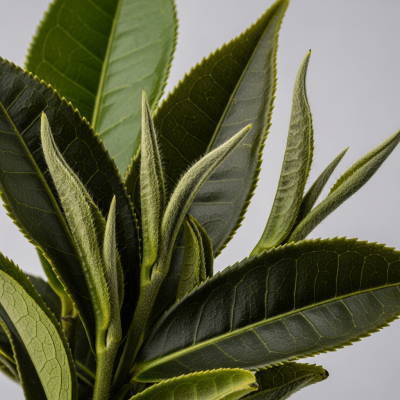
The tea leaves of Nepal Tea are medium to large in size, exhibiting a dark green hue with serrated edges. When processed, black Nepal Tea presents a light-bodied liquor with floral and muscatel hues, while the green variants offer fresh, vegetal leaves that brew into a slightly sweet, vibrant infusion.
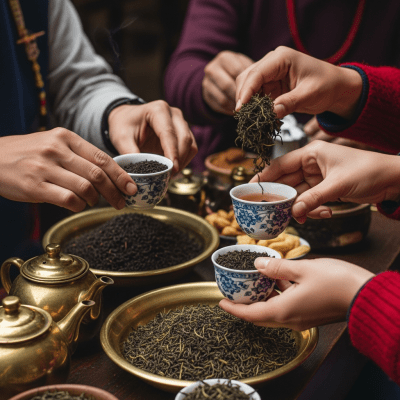
Nepal Tea serves as both a daily refreshment and a ceremonial beverage in local households. It is commonly prepared plain or enhanced with milk and spices, often enjoyed through multiple infusions. Its production supports regional agriculture, with slow leaf growth at high elevations fostering aromatic complexity prized by tea enthusiasts.
Bring this kind into your world illustrated posters, mugs, and shirts.
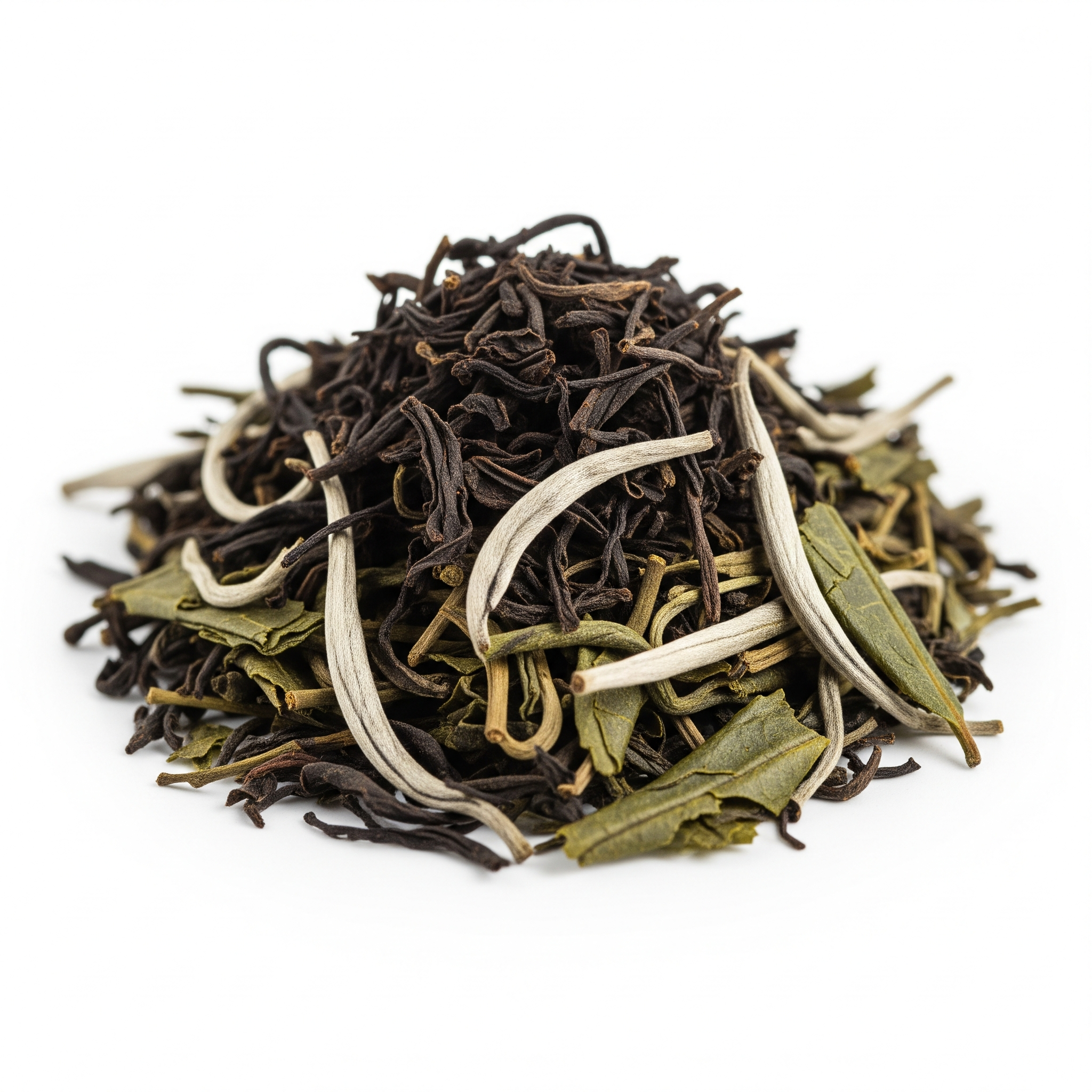
Archival print, museum-grade paper
Buy Poster
Stoneware mug, dishwasher safe
Buy Mug
Soft cotton tee, unisex sizes
Buy ShirtTea holds an important place in Nepalese culture, bridging everyday life and ceremonial occasions. The tea-growing regions, particularly Ilam, have become symbols of national pride, with tea festivals and local traditions celebrating this cherished crop. Nepal Tea’s rising international recognition also contributes to cultural identity and economic development.
Nepal black teas are known for their floral and muscatel aromas, combined with a brisk, light-bodied cup. Some batches reveal pronounced sweetness and fruity undertones, setting them apart in the specialty market. Green Nepal teas offer fresh, vegetal notes with a gentle sweetness, creating a clean and refreshing sensory experience.
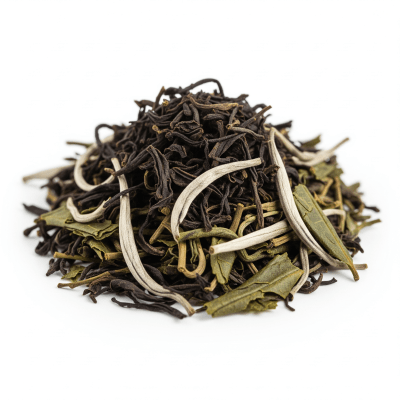

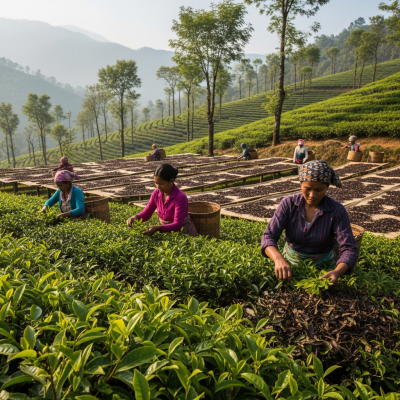
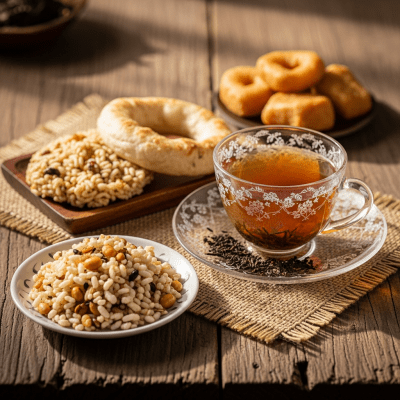

Nepal Tea undergoes orthodox processing involving withering, rolling, oxidation (for black teas), firing, and drying. Black teas are fully oxidized, while green teas experience little to no oxidation. The teas are graded using traditional whole leaf, broken leaf, fannings, and dust categories, though Nepal lacks a unified national grading system. Some producers maintain organic certifications reflecting quality and sustainability.
In Nepal, tea is commonly served plain or with additions such as milk and spices, reflecting local taste preferences. It is enjoyed throughout the day and holds ceremonial importance in various cultural contexts. Multiple infusions are typical, allowing drinkers to savor evolving flavors across steepings.
Nepal Tea shares the reputed health benefits common to black and green teas, including antioxidant properties, potential cardiovascular support, and mild stimulant effects from caffeine. Its natural cultivation at high altitudes may contribute to a rich polyphenol content, supporting overall wellness when consumed as part of a balanced diet.
Within Nepal, notable regional variants include Ilam Tea, celebrated for its refined flavor and quality; Dhankuta Tea, grown in mid-hill elevations; and Terai Tea, cultivated in lower altitude plains. Each region imparts subtle differences in taste and aroma, influenced by elevation, climate, and soil conditions.