Matcha
Matcha is a finely ground powdered green tea made from shade-grown leaves of Camellia sinensis, celebrated for its vibrant green color, rich umami flavor, and deep cultural roots in Japan.
Matcha is a finely ground powdered green tea made from shade-grown leaves of Camellia sinensis, celebrated for its vibrant green color, rich umami flavor, and deep cultural roots in Japan.
Originating in Japan during the 12th century, matcha’s cultivation and processing were refined particularly in the Uji region near Kyoto. Introduced by Zen Buddhist monks, the practice of producing powdered tea for ceremonial use has since become a hallmark of Japanese culture.
Matcha belongs to the green tea family, derived specifically from shade-grown tencha leaves of Camellia sinensis var. sinensis. It is distinct within green teas due to its powdered form and unique processing methods.
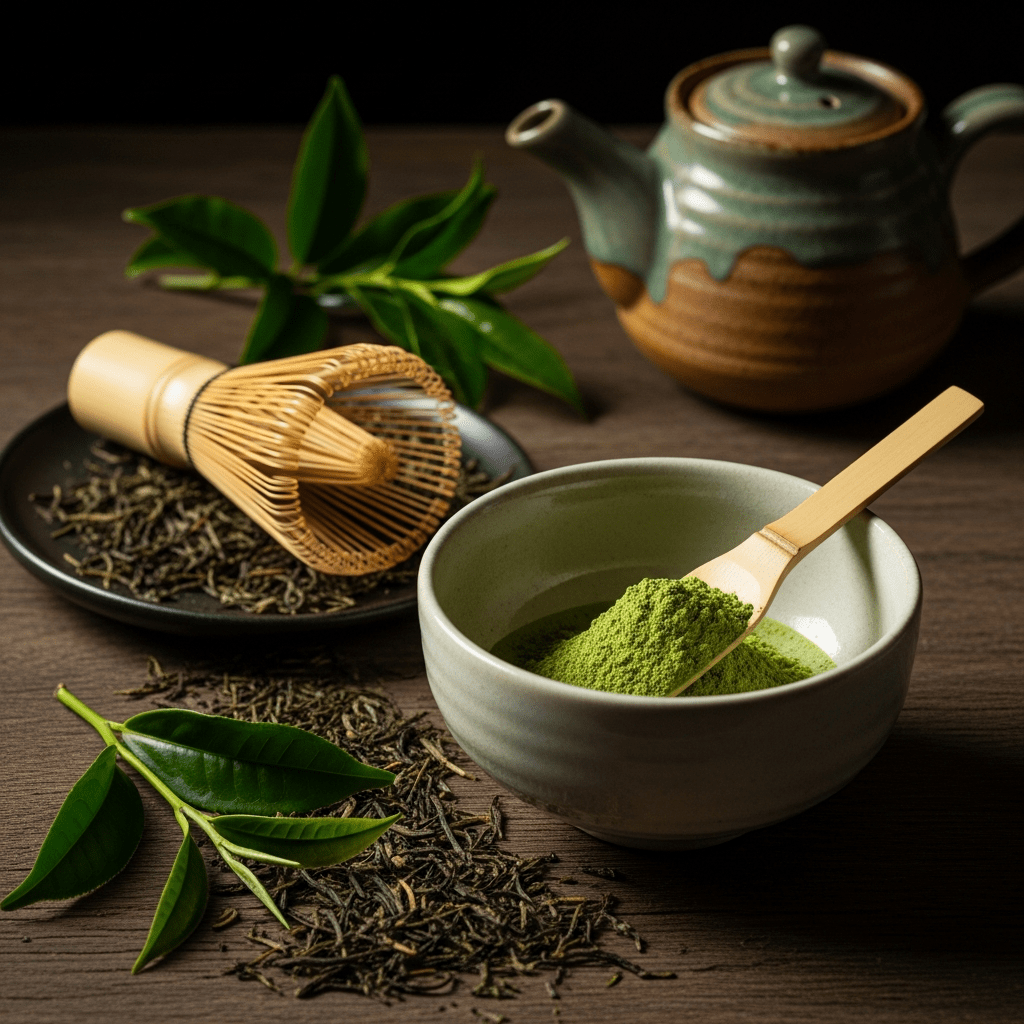
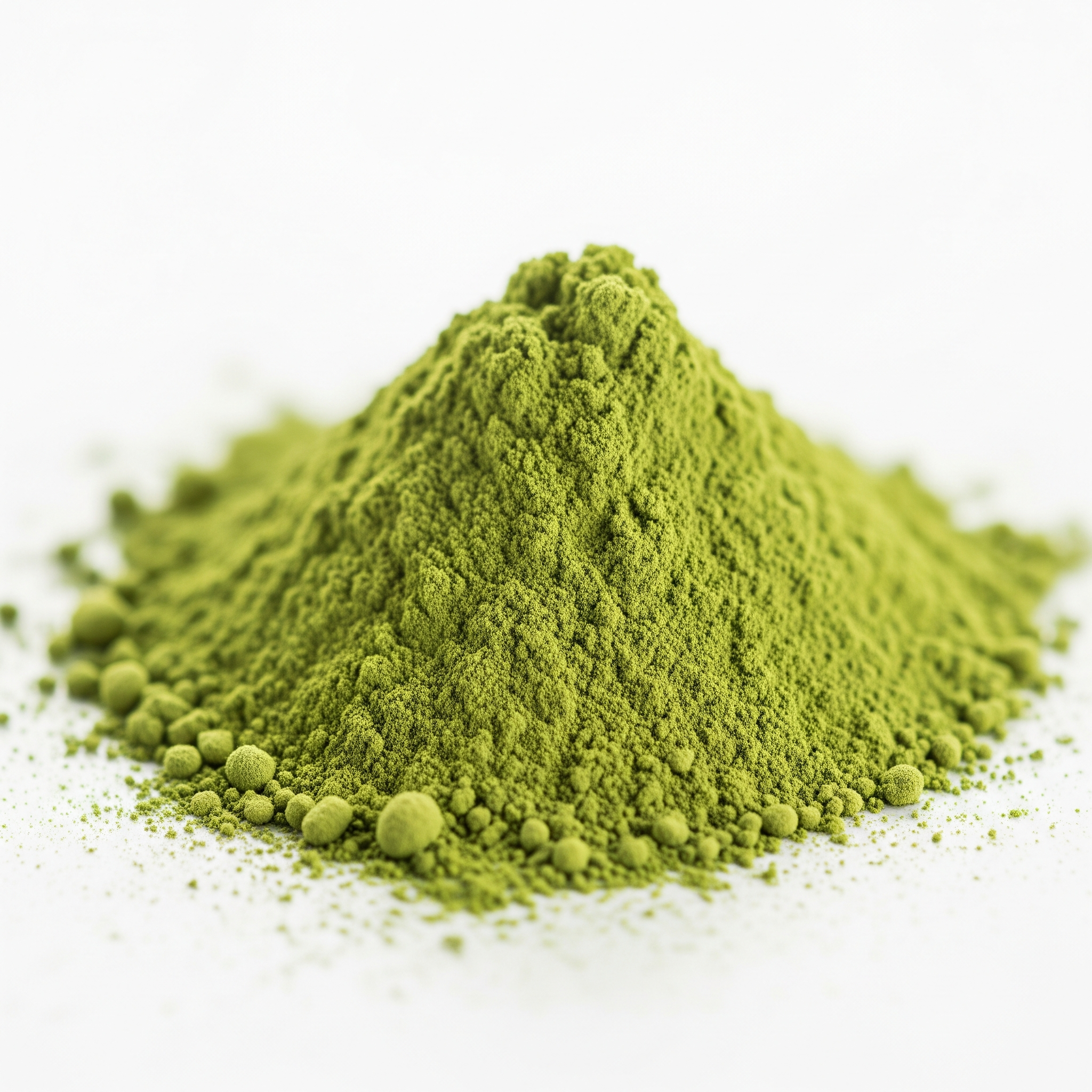
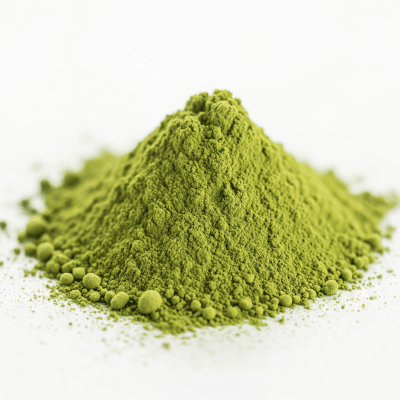
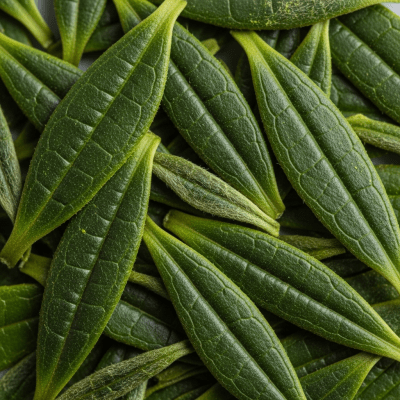
Matcha appears as a fine, bright green powder with a smooth texture. The leaves used are medium-sized, deep green, and tender, pruned flat and broad to enhance quality, with minimal stems or veins.
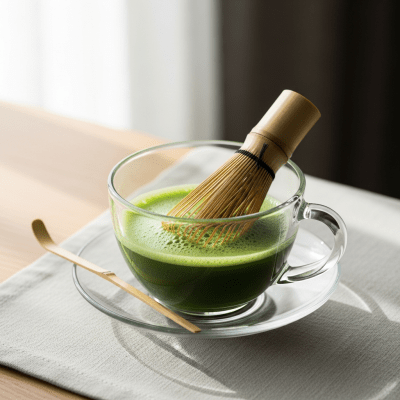
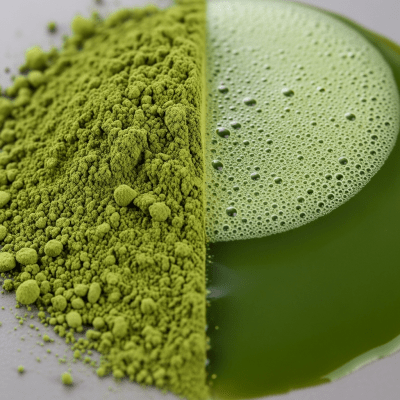
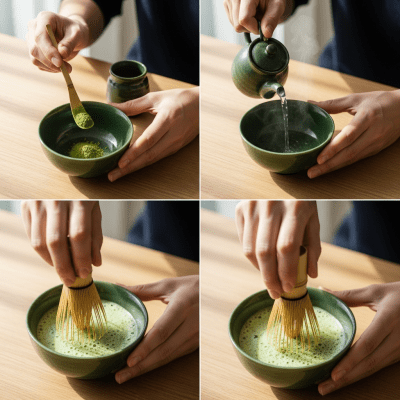
Unlike typical teas brewed by infusion, matcha is consumed as a suspension by whisking the powder directly into water. It serves both as a traditional beverage in Japanese tea ceremonies and as a versatile ingredient in culinary creations like confectionery, ice cream, and baked goods.
Bring this kind into your world illustrated posters, mugs, and shirts.
Archival print, museum-grade paper
Buy Poster
Stoneware mug, dishwasher safe
Buy Mug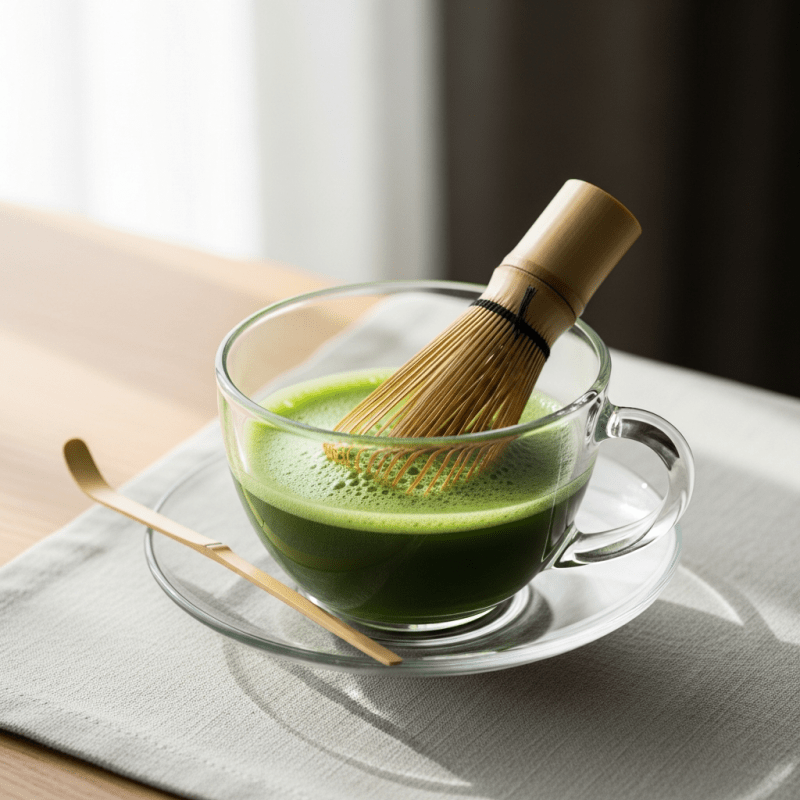
Soft cotton tee, unisex sizes
Buy ShirtMatcha holds a central place in Japanese culture, especially within the tea ceremony (chanoyu) and Zen Buddhist practices, symbolizing mindfulness and harmony. Its global popularity has grown, influencing specialty beverages and foods worldwide.
Matcha offers a distinctive umami-rich taste, combining vegetal and slightly sweet notes with a creamy texture and minimal bitterness. Its aroma is fresh and grassy, contributing to a balanced and satisfying sensory experience.
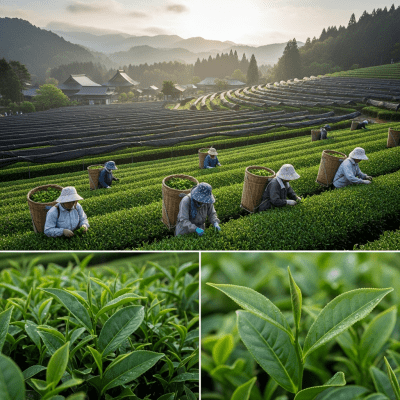
Production begins with shading tea plants for several weeks to enhance chlorophyll and amino acids. Leaves are then steamed to halt oxidation, stems and veins removed, dried, and finally stone-milled into a fine powder. This careful process preserves matcha’s vivid color and complex flavor.
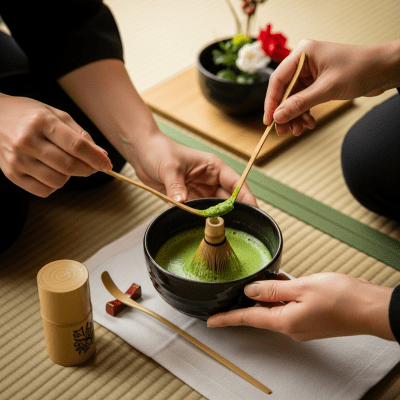
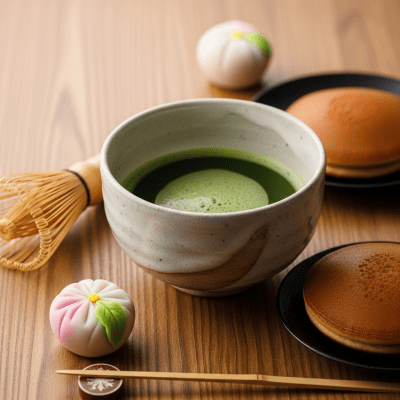
Matcha is traditionally served whisked in water during the Japanese tea ceremony, embodying ritual and mindfulness. Beyond this, it enjoys widespread use in modern culinary arts and specialty drinks, reflecting both heritage and contemporary innovation.
Rich in antioxidants, particularly catechins, matcha is reputed to support metabolism, enhance focus due to its L-theanine content, and promote overall well-being. Its consumption delivers whole-leaf nutrients, offering a potent healthful boost compared to infused teas.
Notable regional variants of matcha include Uji matcha from Kyoto, known for its refined quality; Nishio matcha in Aichi Prefecture, prized for its rich flavor; and Shizuoka matcha, which reflects local terroir and processing nuances. Each variant offers subtle differences in taste and aroma.