Vietnamese Green Tea
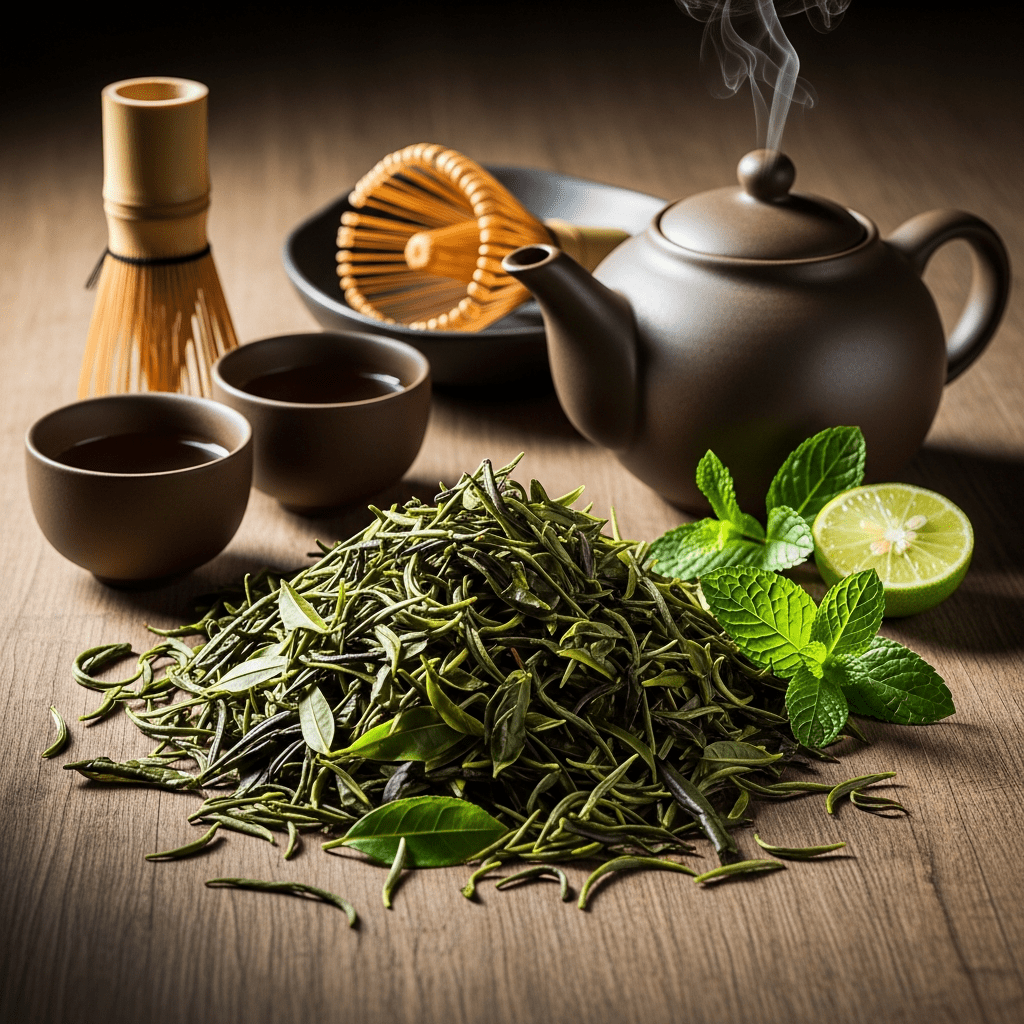
Vietnamese Green Tea is a broad category of green teas produced in Vietnam, celebrated for its distinctive vegetal flavor, fresh briskness, and aromatic qualities.
Vietnamese Green Tea is a broad category of green teas produced in Vietnam, celebrated for its distinctive vegetal flavor, fresh briskness, and aromatic qualities.
Originating from northern Vietnam, Vietnamese Green Tea has been cultivated for over two millennia, particularly in provinces like Thai Nguyen, Tuyen Quang, and Yen Bai. This tea reflects a rich regional tradition rather than a single cultivar or breeder, drawing from indigenous Camellia sinensis varieties with some hybridization over time.
Classified within the green tea family, Vietnamese Green Tea is made from the Camellia sinensis plant, primarily the var. sinensis and var. assamica subspecies. It fits into the unoxidized tea category, distinguished by its minimal oxidation and traditional processing methods.
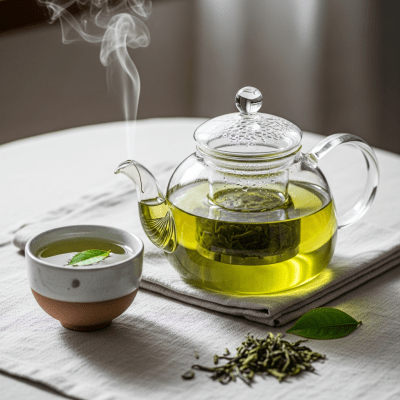
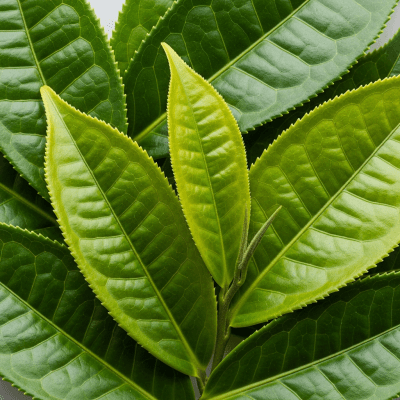
The tea leaves are medium to large, dark green, and shaped in a pointed oval form. When brewed, the liquor typically presents a clear, light green hue, reflecting its fresh and natural character.
Vietnamese Green Tea is harvested by hand or machine, then quickly withered and pan-fired or steamed to halt oxidation. It is rolled and dried to preserve its fresh flavor. The tea is enjoyed both hot and cold, often plain but sometimes sweetened or lightly flavored according to local preferences.
Bring this kind into your world illustrated posters, mugs, and shirts.
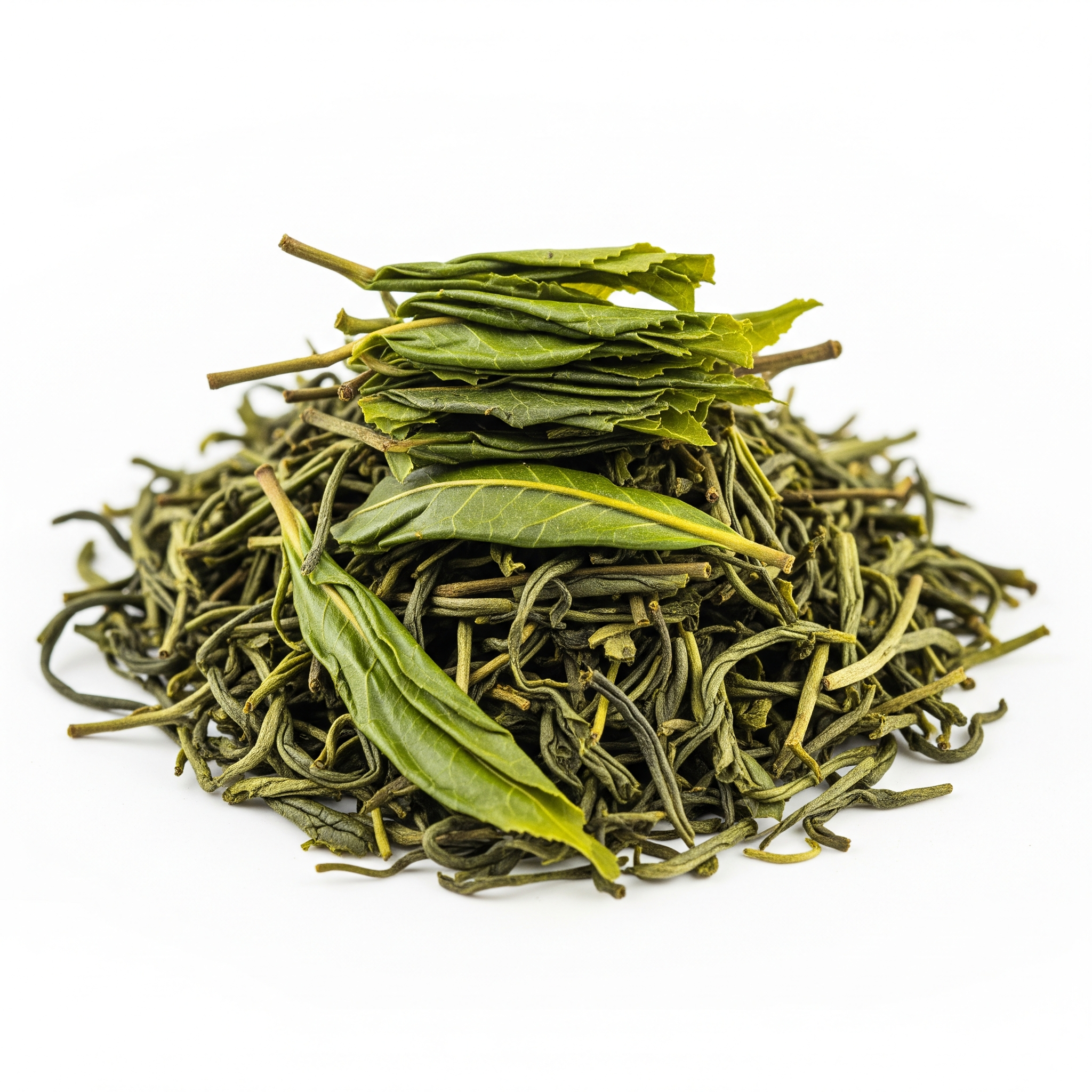
Archival print, museum-grade paper
Buy Poster
Stoneware mug, dishwasher safe
Buy Mug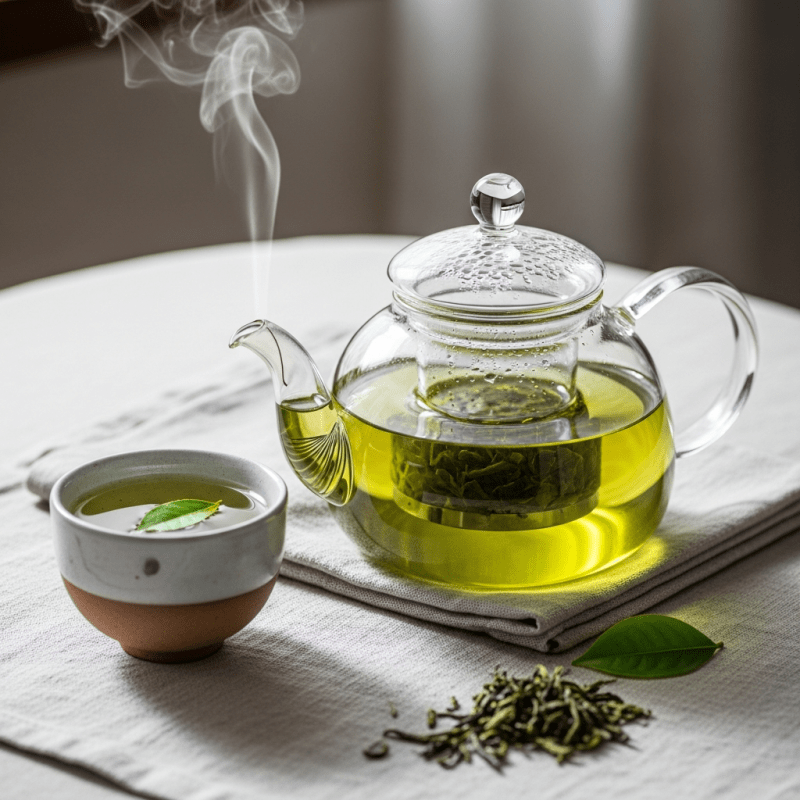
Soft cotton tee, unisex sizes
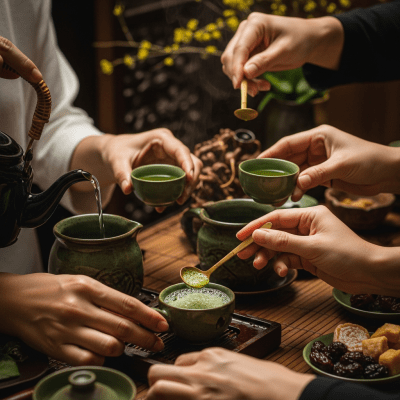
Buy ShirtGreen tea holds a central place in Vietnamese hospitality and social rituals. It is commonly served to guests and shared during communal gatherings, symbolizing warmth and respect within Vietnamese culture.
Vietnamese Green Tea offers a brisk and vegetal taste with a slight astringency balanced by floral and grassy notes. Higher-grade teas, especially from Thai Nguyen, are prized for their delicate aroma and smooth, lingering finish.

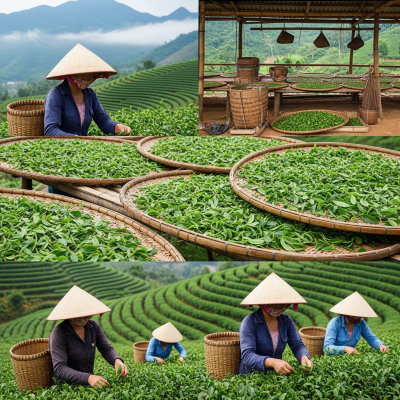
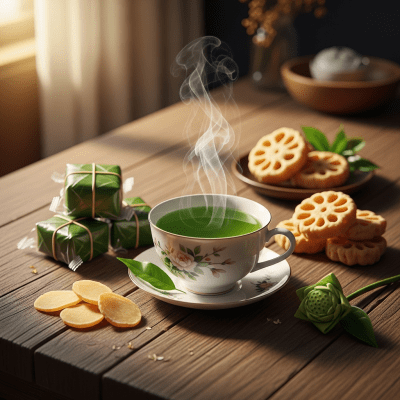
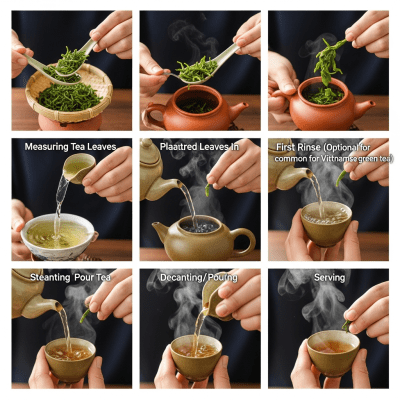
The tea undergoes harvesting followed by withering, then is either pan-fired or steamed to prevent oxidation. Afterward, leaves are rolled and dried to lock in freshness. This careful processing preserves the tea’s vibrant green color and aromatic qualities.
Vietnamese Green Tea is integral to social life, often served during hospitality rituals and communal events. It is commonly prepared plain but may also be sweetened or infused with local flavors, reflecting regional tastes and customs.
Like other green teas, Vietnamese Green Tea is reputed to offer antioxidant properties, support digestion, and promote alertness. Its fresh, unoxidized nature helps retain beneficial compounds associated with health and wellness.
Distinct regional variants include teas from Thai Nguyen, known for their premium quality and delicate aroma; Tuyen Quang, offering robust vegetal flavors; and Lam Dong, which produces teas with unique local characteristics influenced by mountainous terroir.