Lapsang Souchong
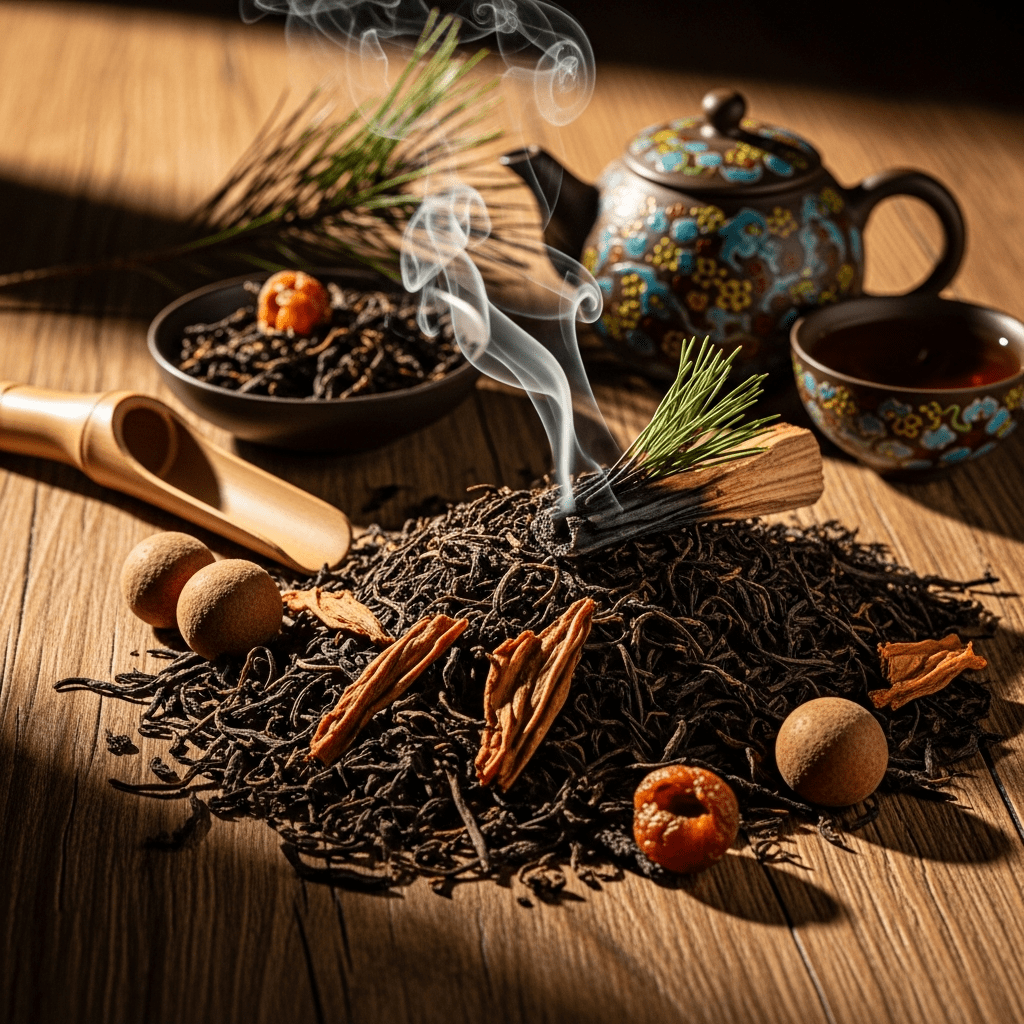
Lapsang Souchong is a distinctive black tea from China's Wuyi Mountains, celebrated worldwide for its bold smoky aroma and flavor derived from pinewood smoke during processing.
Lapsang Souchong is a distinctive black tea from China's Wuyi Mountains, celebrated worldwide for its bold smoky aroma and flavor derived from pinewood smoke during processing.
Originating in the 17th century during the late Qing dynasty, Lapsang Souchong was first crafted by local tea producers in Tong Mu Guan village within the Wuyi Mountains of Fujian Province, China. It descends from native Camellia sinensis var. sinensis cultivars, cultivated in this misty, high-altitude region known for its cool and humid climate.
Lapsang Souchong belongs to the black tea family, characterized by fully oxidized leaves. It is a sub-variety of Camellia sinensis var. sinensis and is unique among black teas for its traditional pinewood smoking process, which sets it apart within the broader tea classification system.
The tea is made from mature, larger leaves that are thick, robust, and dark green before processing. After drying, the leaves become dark and twisted, producing a reddish-black liquor when brewed. The smoky aroma is immediately noticeable, reflecting its distinctive pinewood treatment.
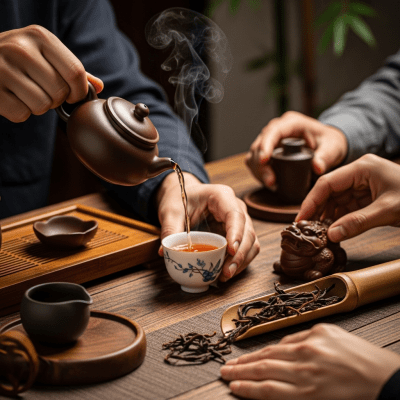
Lapsang Souchong is prized both as a standalone tea and as a smoky accent in blends. Its preparation typically involves steeping plain leaves to savor the full depth of its pine smoke and malt notes. The tea’s smoky character also lends itself to culinary uses, enhancing dishes or infusions where a bold aroma is desired.
Bring this kind into your world illustrated posters, mugs, and shirts.
Archival print, museum-grade paper
Buy Poster
Stoneware mug, dishwasher safe
Buy Mug
Soft cotton tee, unisex sizes
Buy ShirtAs one of China’s earliest black teas, Lapsang Souchong holds a special place in tea history and culture. Its smoky profile has inspired artistic references and remains a symbol of traditional Wuyi tea craftsmanship. The tea’s protected regional status in China underscores its cultural and economic importance.
Lapsang Souchong offers a robust flavor marked by a strong smoky aroma reminiscent of pinewood fires. The taste combines rich notes of dried fruit and malt, balanced by a deep, lingering smokiness that distinguishes it from other black teas.
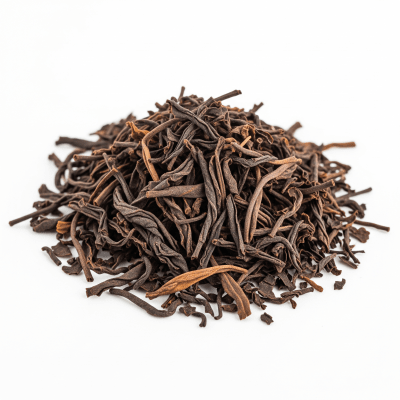

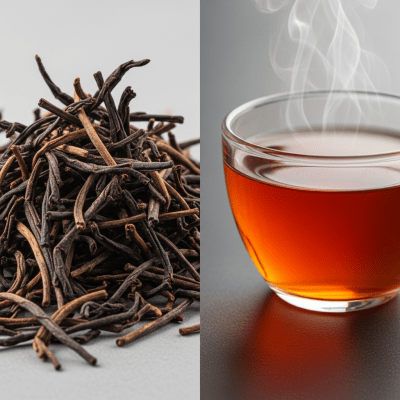

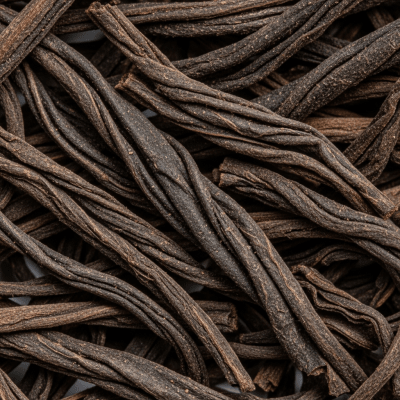


The tea undergoes traditional black tea processing steps: withering, rolling, and full oxidation. Uniquely, the leaves are then dried over burning pinewood fires, a step that imparts the signature smoky aroma and flavor. Grading is based on leaf size and uniformity, with premium grades using whole leaves and adhering to traditional smoking methods.
Consumed primarily plain to highlight its smoky character, Lapsang Souchong is also used in blends to introduce smokiness. While it lacks a formal ceremonial role, it remains a cherished specialty tea globally, often appreciated by connoisseurs seeking bold, unconventional flavors.
As a fully oxidized black tea, Lapsang Souchong shares common health benefits such as antioxidant properties and potential cardiovascular support. Its unique pine smoke compounds may also contribute to digestive stimulation, though these effects are less studied compared to other teas.
Authentic Lapsang Souchong is exclusively produced in the Wuyi Mountains’ Tong Mu Guan area, where pinewood smoking is traditional. Other regional variants labeled Xiao Zhong may omit the smoking step, resulting in milder black teas that differ significantly in flavor and are not considered true Lapsang Souchong.