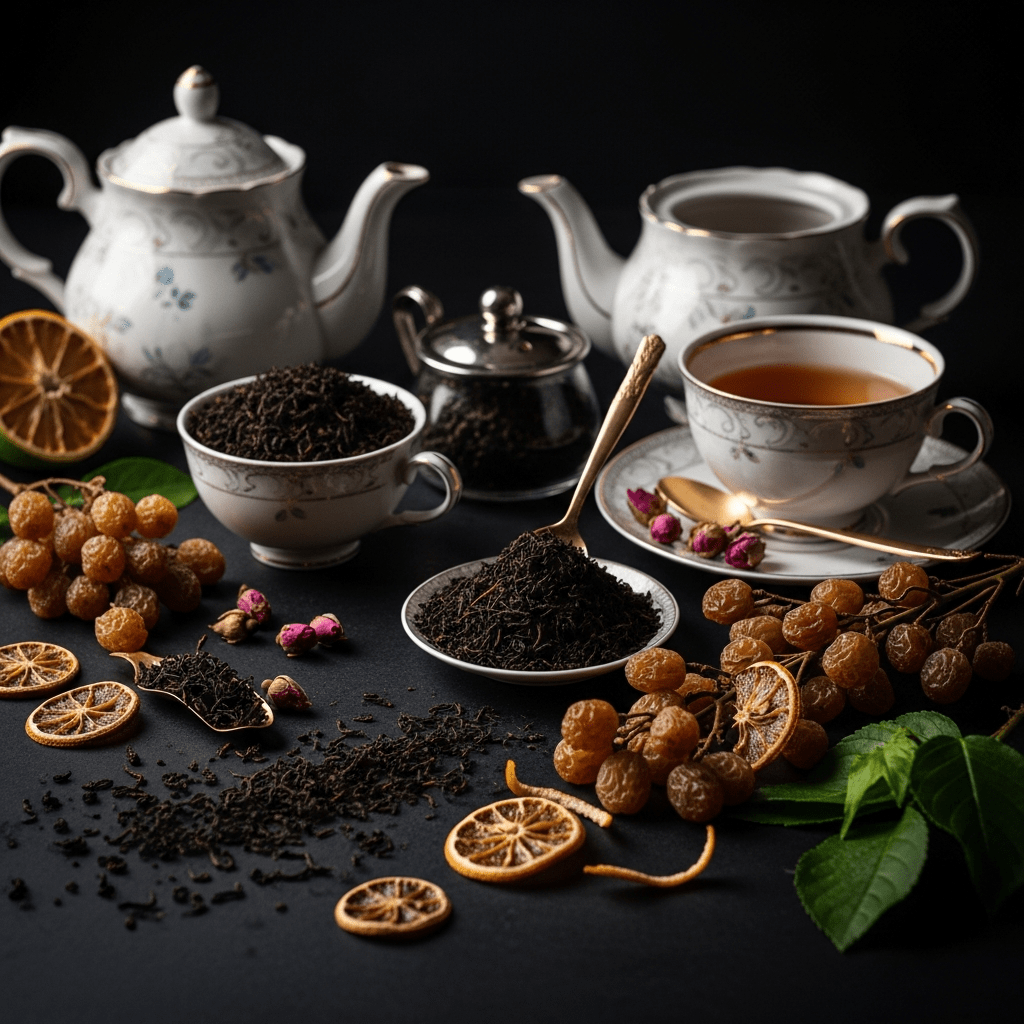
Darjeeling Tea
Darjeeling Tea is a distinguished black tea grown exclusively in the Darjeeling district of West Bengal, India, celebrated worldwide for its unique muscatel aroma and nuanced flavor that varies with seasonal harvests.
Darjeeling Tea is a distinguished black tea grown exclusively in the Darjeeling district of West Bengal, India, celebrated worldwide for its unique muscatel aroma and nuanced flavor that varies with seasonal harvests.
Originating in the 1840s during British colonial rule, Darjeeling Tea was first cultivated by Dr. Archibald Campbell and other British planters who introduced Camellia sinensis var. sinensis from China. Over time, this variety was hybridized with local and Assam strains, establishing a legacy of tea gardens in the misty Himalayan foothills. The region earned Geographical Indication status in 2004, safeguarding its unique heritage and production authenticity.
Darjeeling Tea belongs to the black tea category, processed through full oxidation using orthodox methods. It is derived primarily from Camellia sinensis var. sinensis and its Assam hybrids, placing it within a refined subset of Indian teas known for delicate leaf morphology and high-altitude cultivation.
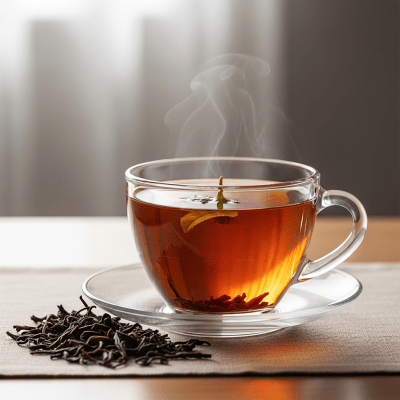
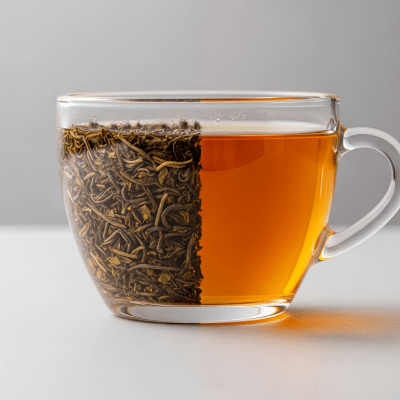
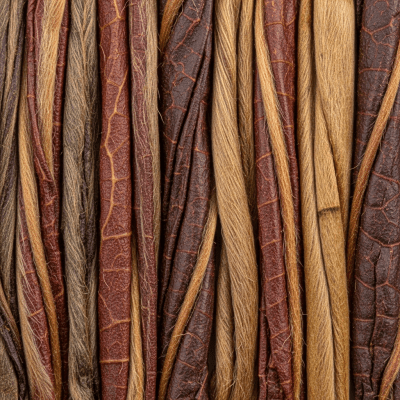
The tea leaves are small, thin, and light green, adapted to the cool, misty environment of Darjeeling’s high elevations. The processed leaves typically exhibit a whole or broken orthodox form, with a dry appearance that hints at the tea’s floral and muscatel character. The brewed liquor ranges in color from pale golden to deep amber, depending on the harvest season.
Darjeeling Tea is prized for its versatility and subtlety, commonly consumed plain or with minimal additives to preserve its delicate aromas. It is harvested in distinct flushes—first, second, and autumnal—each offering unique flavor profiles that influence how the tea is brewed and enjoyed worldwide.
Bring this kind into your world illustrated posters, mugs, and shirts.
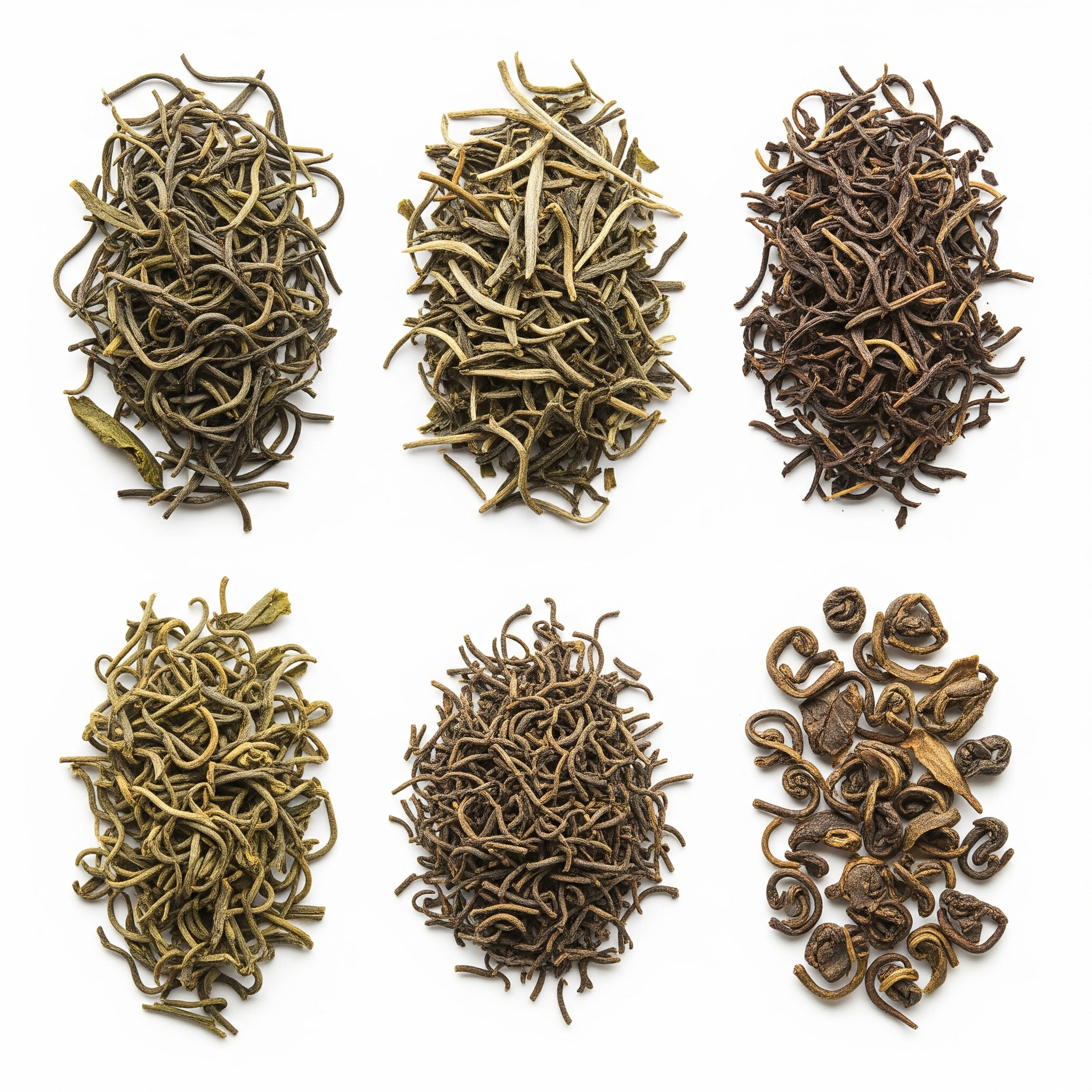
Archival print, museum-grade paper
Buy Poster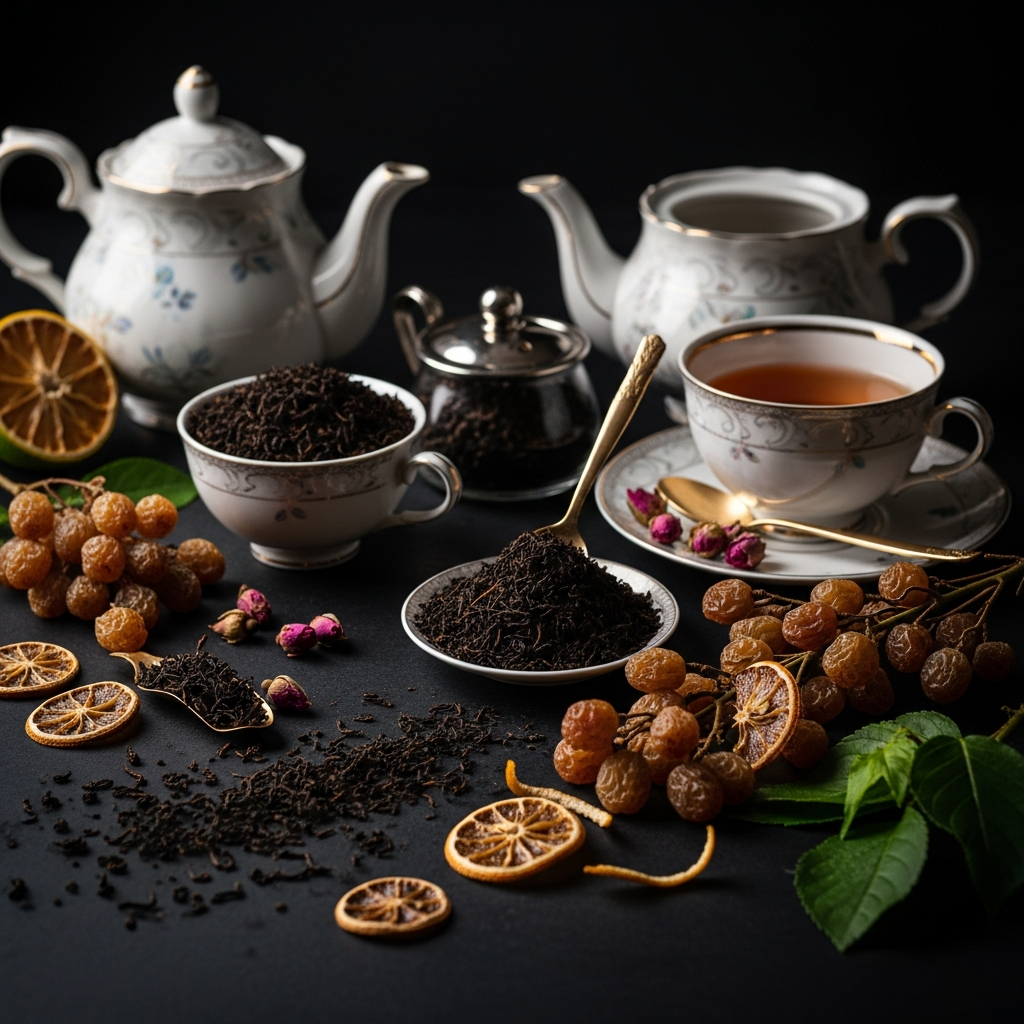
Stoneware mug, dishwasher safe
Buy Mug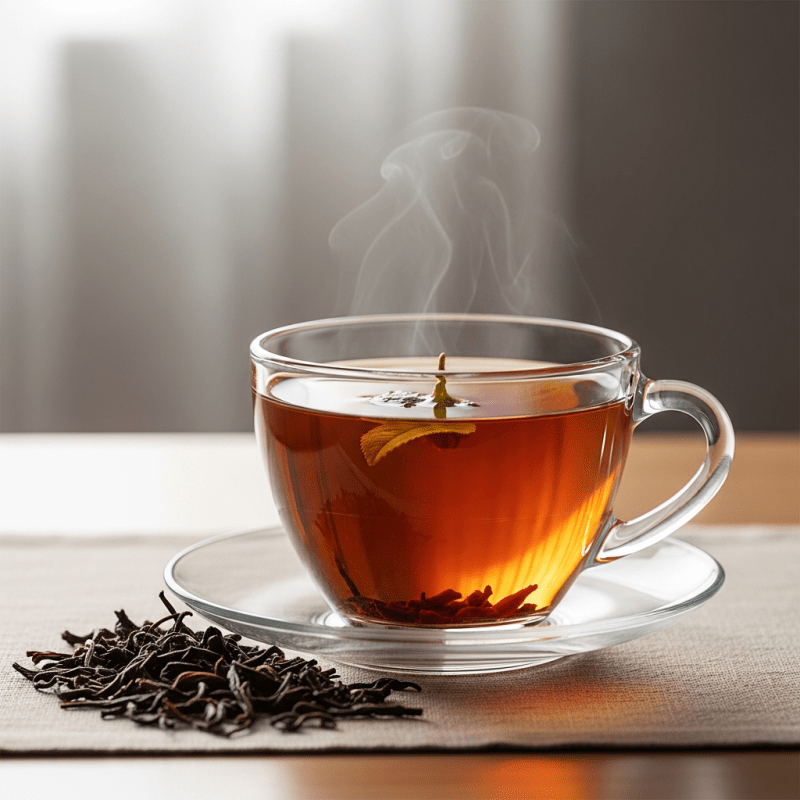
Soft cotton tee, unisex sizes
Buy ShirtOften dubbed the "Champagne of Teas," Darjeeling Tea holds a prestigious place in global tea culture, especially in Europe and Japan, where it is revered as a premium luxury beverage. Its cultivation and harvest are deeply intertwined with the region’s identity, inspiring art, commerce, and ceremonial appreciation.
Darjeeling Tea’s flavor profile shifts with each flush: the first flush offers a light, floral, and brisk taste with pale golden liquor; the second flush is richer, featuring the signature muscatel and fruity notes with a deeper amber color; the autumnal flush delivers a smooth, mellow character with a warm coppery hue. This complex sensory range makes it highly sought after by connoisseurs.
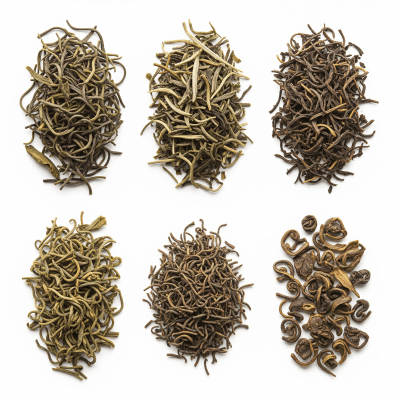
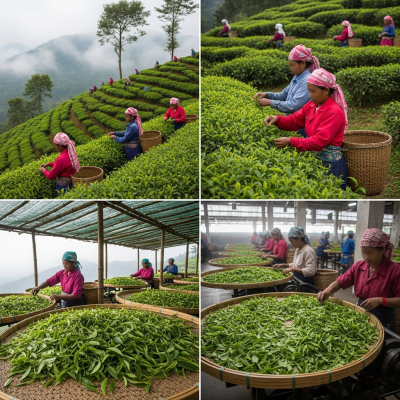

Darjeeling Tea undergoes orthodox processing involving withering, rolling, full oxidation, and drying. The leaves are carefully handled to maintain their whole or broken form, with minimal use of the Crush, Tear, Curl (CTC) method. This meticulous processing preserves the tea’s delicate flavors and aromatic qualities.
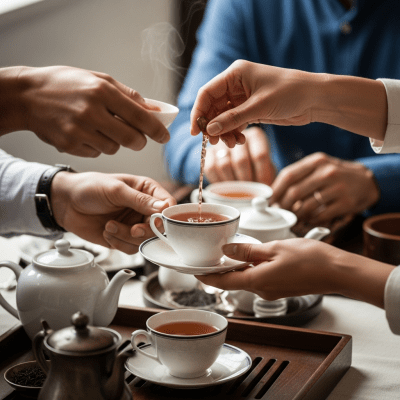
Consumed primarily plain or with minimal additives, Darjeeling Tea is enjoyed globally as a premium black tea. It holds special cultural significance in Europe and Japan, where it is often served during formal tea tastings and ceremonies, highlighting its refined character and seasonal nuances.
Like other black teas, Darjeeling Tea contains antioxidants and moderate caffeine levels that may support alertness and cardiovascular health. Its natural compounds contribute to a soothing yet invigorating experience, though specific health effects align with general black tea benefits.
Within the Darjeeling district, notable garden estates such as Makaibari, Castleton, and Margaret’s Hope produce distinct regional variants. Each garden’s microclimate and cultivation practices impart subtle differences in aroma, flavor, and leaf appearance, enriching the diversity of Darjeeling Tea.