Keemun Tea
Keemun Tea is a distinguished Chinese black tea from Qimen County, Anhui Province, celebrated for its complex floral aroma, subtle fruity notes, and smooth, mellow taste.
Keemun Tea is a distinguished Chinese black tea from Qimen County, Anhui Province, celebrated for its complex floral aroma, subtle fruity notes, and smooth, mellow taste.
Originating in 1875, Keemun Tea was pioneered by Yu Ganchen, who introduced black tea processing techniques learned in Fujian to Qimen County, Anhui Province. The tea is made from local landraces of Camellia sinensis var. sinensis, adapted to the region’s temperate and misty environment.
Keemun Tea belongs to the black tea category, characterized by full oxidation of the leaves. It is a subtype of Chinese black teas, made from the small-leafed variety Camellia sinensis var. sinensis, and is recognized for its orthodox processing style and regional specificity.
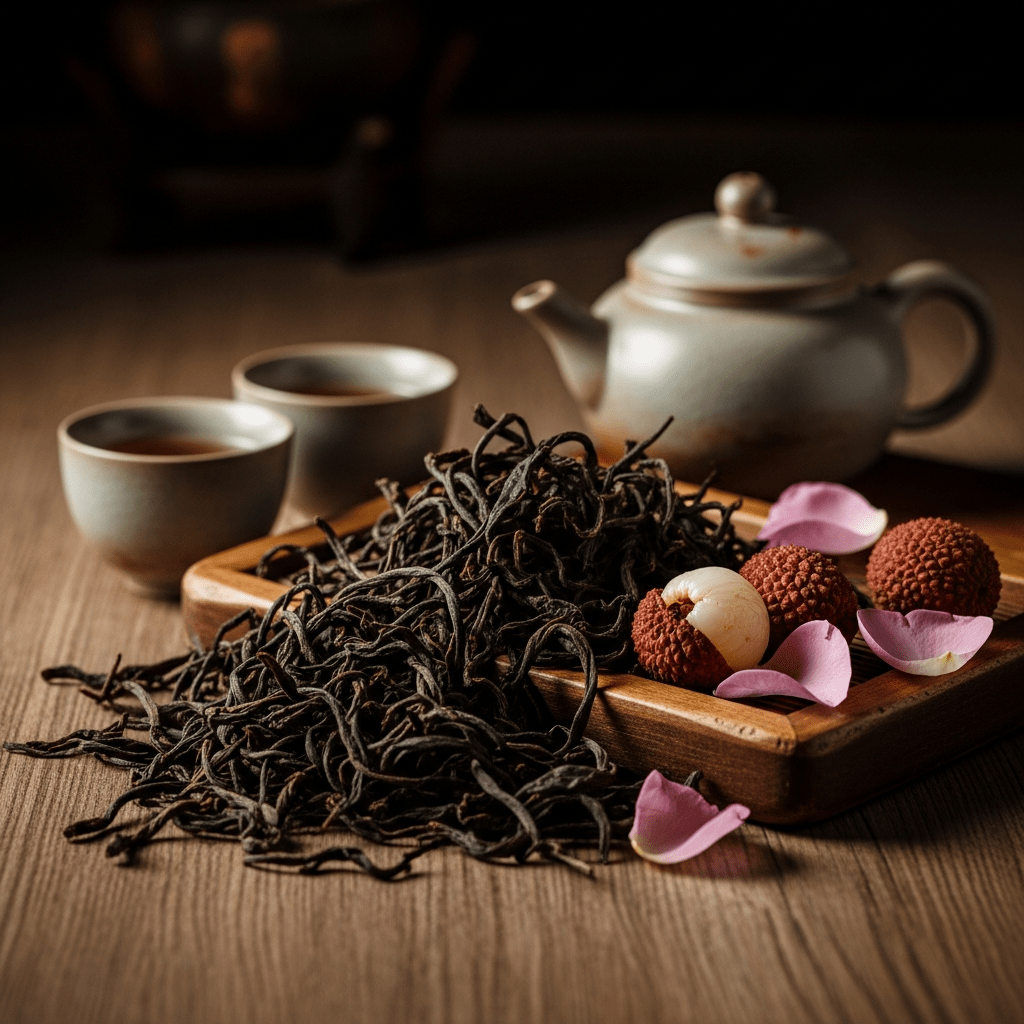
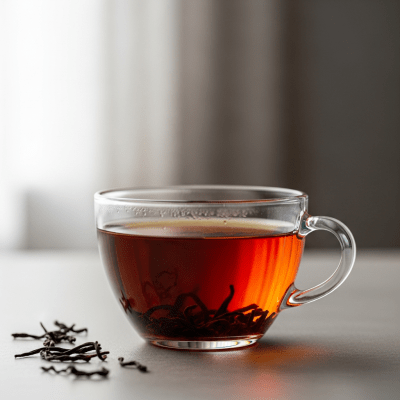
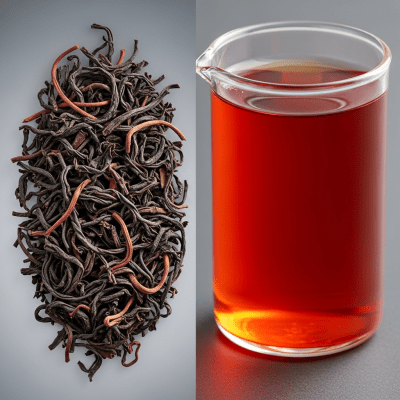
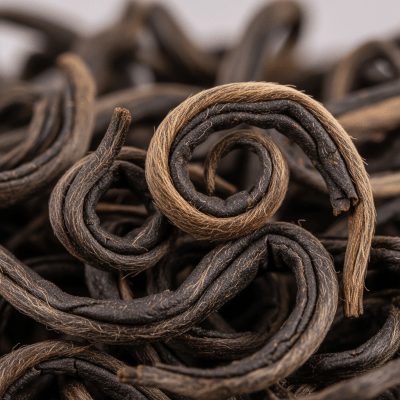
The tea leaves of Keemun are small, tender, and dark green before processing. After full oxidation and drying, the leaves darken, often appearing twisted or curled. The brewed liquor is typically a rich reddish-brown, reflecting its black tea classification.
Keemun Tea is prized for its aromatic complexity and smooth flavor, making it suitable for drinking plain or with milk. It is frequently used as a key ingredient in premium blends such as English Breakfast, valued for adding floral and fruity depth.
Bring this kind into your world illustrated posters, mugs, and shirts.

Archival print, museum-grade paper
Buy Poster
Stoneware mug, dishwasher safe
Buy Mug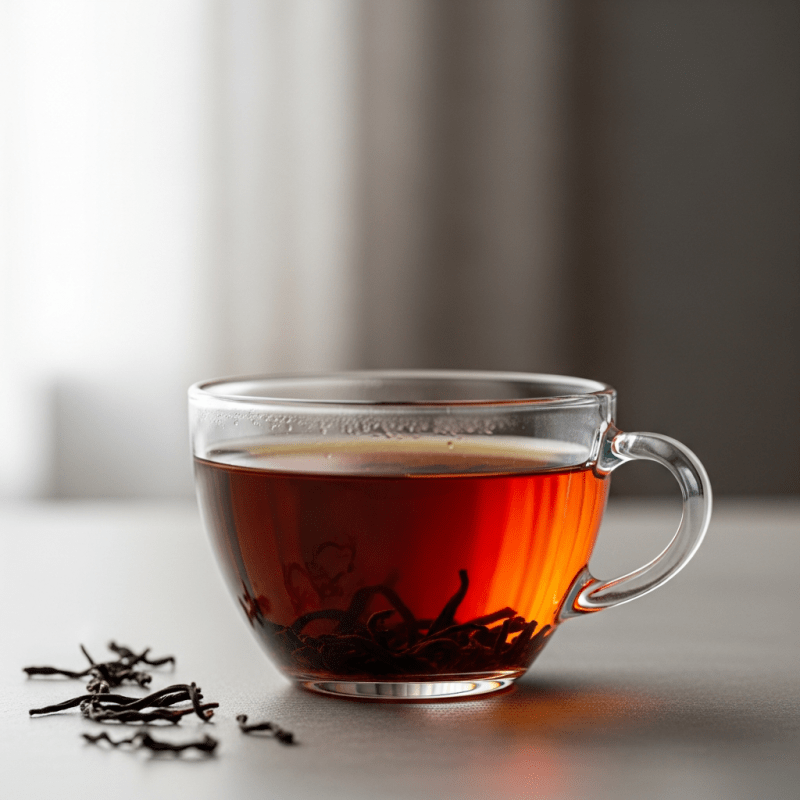
Soft cotton tee, unisex sizes
Buy ShirtKeemun holds a revered place in Chinese tea culture as one of the "Top Ten Famous Teas of China." It is also internationally recognized and protected by a geographical indication in China, symbolizing its heritage and quality. Its inclusion in classic Western blends underscores its global cultural impact.
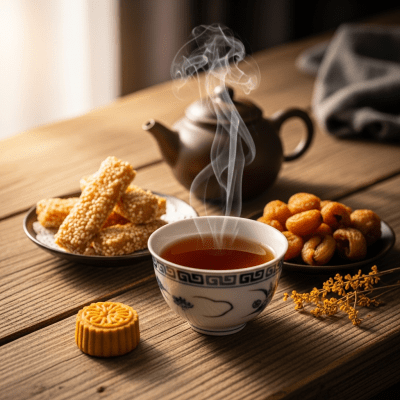
Keemun Tea offers a refined sensory experience marked by a complex floral aroma reminiscent of orchid and rose, complemented by subtle fruity undertones. Occasionally, a gentle smoky note emerges, balanced by a sweet, mellow taste and a lingering, smooth finish that delights the palate.
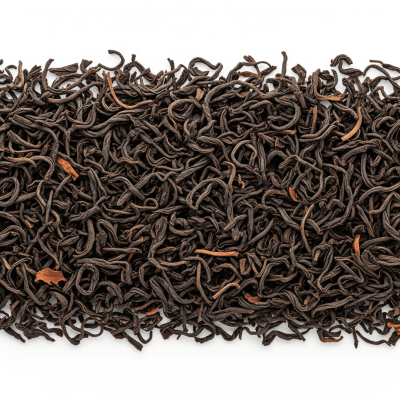


Keemun undergoes orthodox black tea processing involving full oxidation. Key steps include withering to reduce moisture, rolling to bruise the leaves and release enzymes, fermentation (oxidation) to develop flavor and color, and drying to halt oxidation and preserve the tea. This careful process preserves its signature aroma and taste.
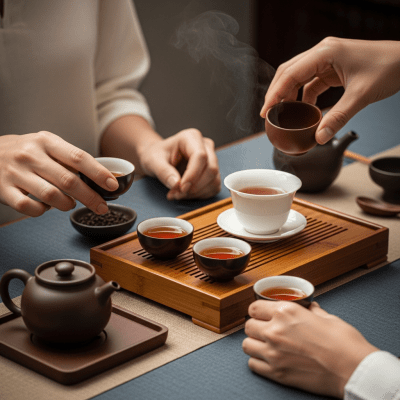
Traditionally, Keemun is brewed plain to highlight its delicate aromas but is also commonly enjoyed with milk, especially in Western cultures. It plays a prominent role in English Breakfast blends, bridging Chinese tea heritage with British tea-drinking customs. In China, it is appreciated both as a daily tea and a premium gift.
Like many black teas, Keemun contains antioxidants and compounds that may support cardiovascular health and mental alertness. Its moderate caffeine content offers a gentle stimulant effect, while its rich polyphenols contribute to overall wellness. Proper consumption can complement a balanced lifestyle.
Within Qimen County, Keemun Tea exhibits variations primarily based on plucking standards and processing nuances. These include the high-grade Keemun Mao Feng, made from young buds and leaves, and other grades like Keemun Hao Ya and Keemun Congou, each offering distinct leaf quality and flavor intensity while maintaining the characteristic Keemun profile.