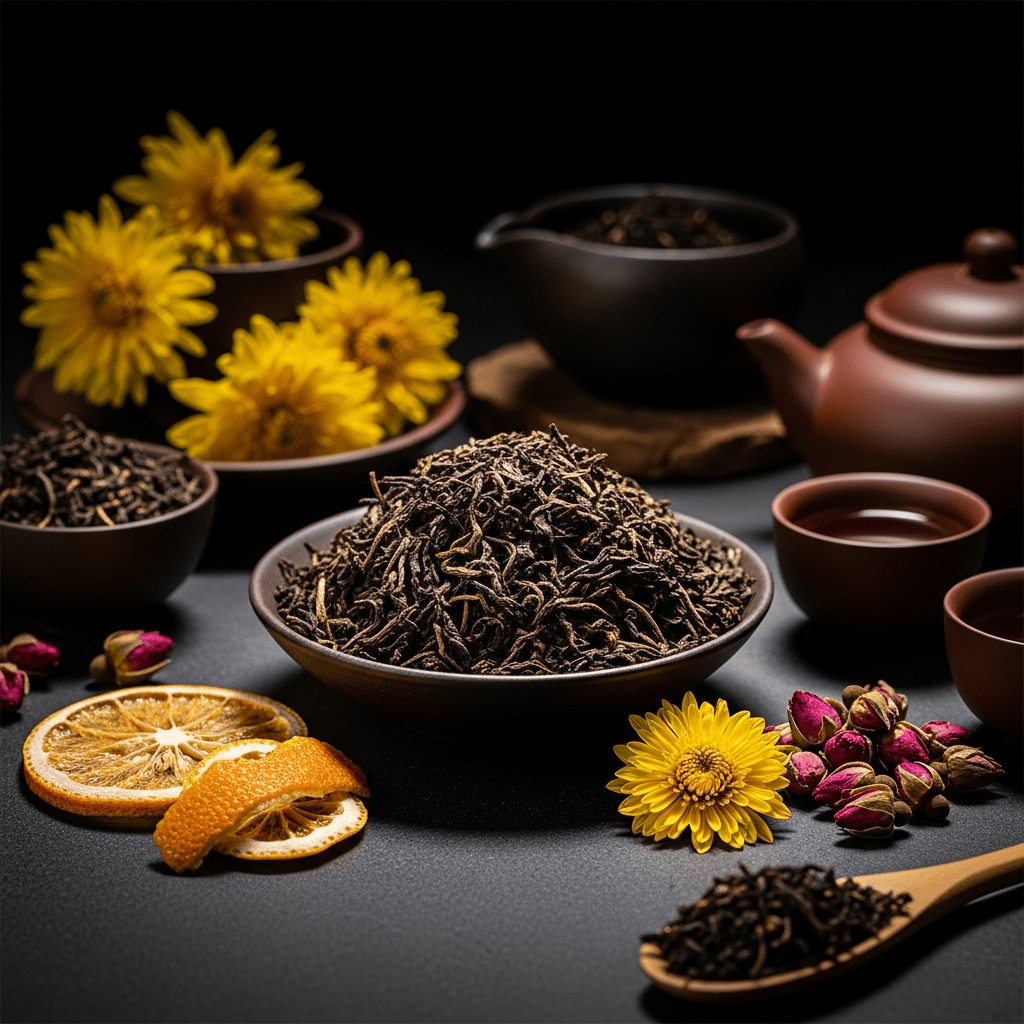
Pu-Erh Tea
Pu-erh tea is a unique category of post-fermented tea from Yunnan Province, China, celebrated for its complex aging process and distinctive earthy flavors.
Pu-erh tea is a unique category of post-fermented tea from Yunnan Province, China, celebrated for its complex aging process and distinctive earthy flavors.
Originating in Yunnan Province during the Tang Dynasty (618–907 CE), Pu-erh tea takes its name from Pu’er City, a historic trading center. It is crafted from indigenous large-leaf tea trees, some centuries old, reflecting a deep-rooted heritage without a single known breeder or institution.
Pu-erh belongs to the broader family of teas derived from Camellia sinensis, specifically the var. assamica variety. It is classified as a "dark tea" due to its distinctive post-fermentation, setting it apart from green, black, oolong, and white teas.
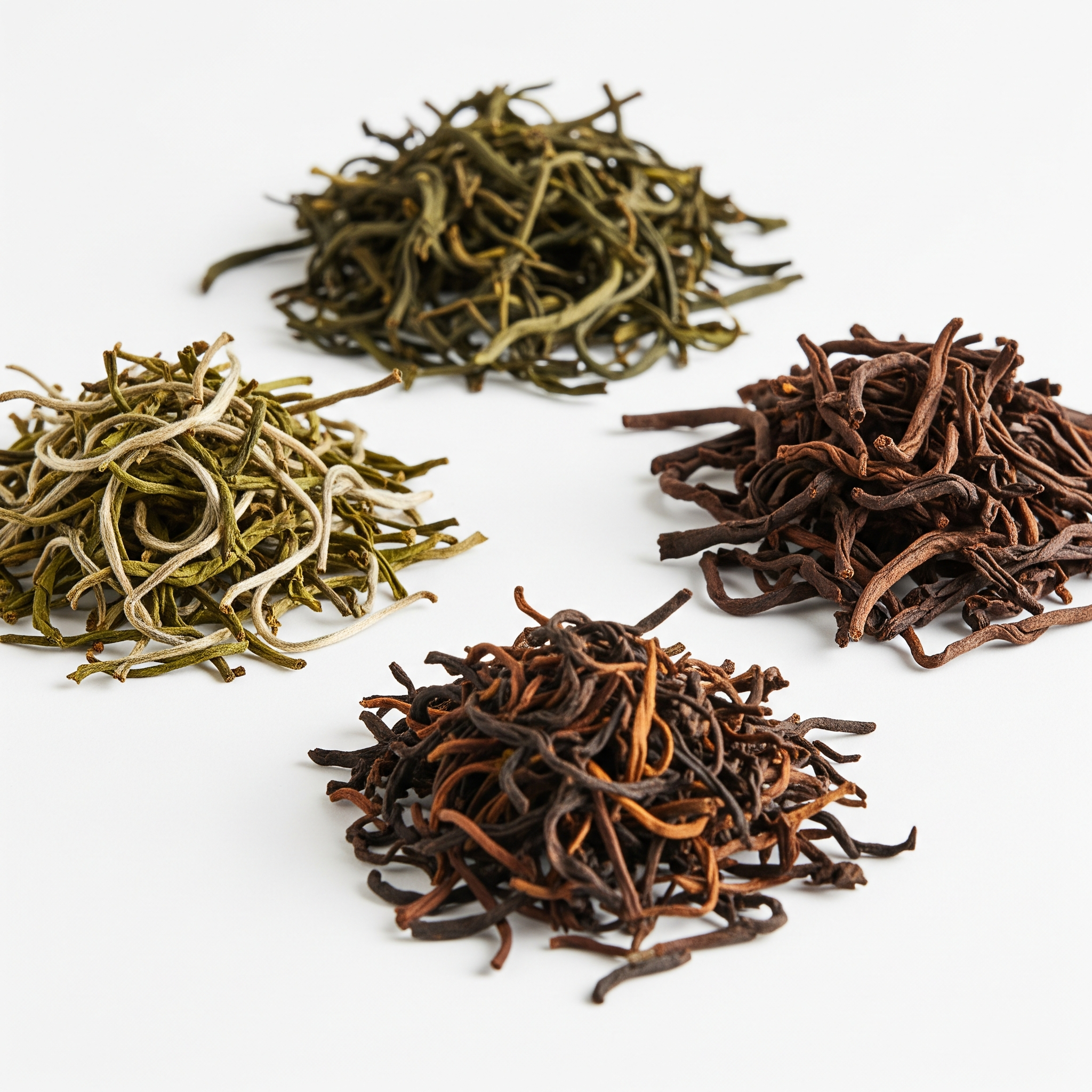
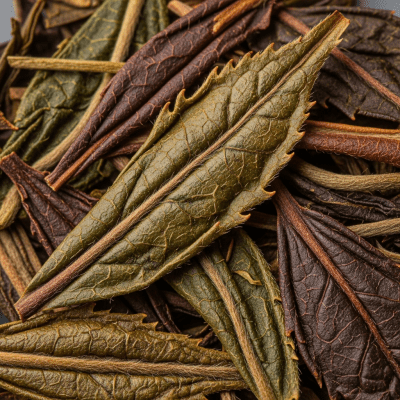
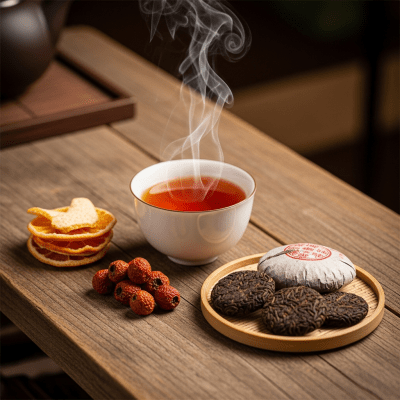
Pu-erh tea leaves are large, broad, and thick with leathery texture and serrated edges, displaying a deep green hue. It is commonly available both as loose leaves and in compressed shapes such as cakes, bricks, and tuo cha.
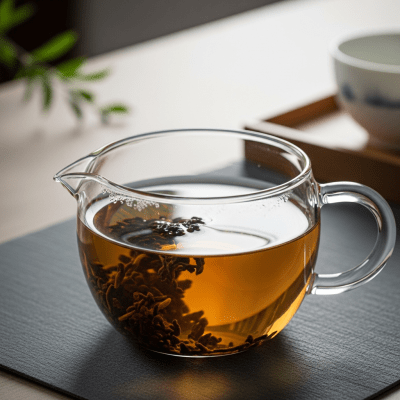
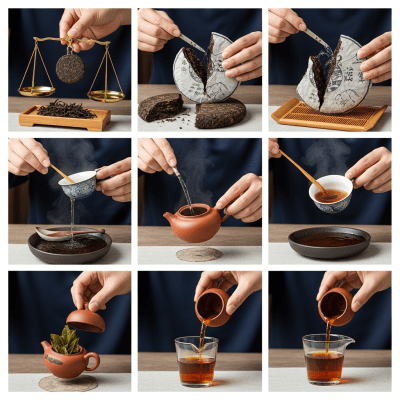
Pu-erh undergoes a unique aging process: Sheng (raw) Pu-erh is sun-dried and naturally fermented over time, while Shou (ripe) Pu-erh is accelerated through pile fermentation. It is brewed plain, often with multiple infusions, allowing its flavor to evolve with each steeping.
Bring this kind into your world illustrated posters, mugs, and shirts.
Archival print, museum-grade paper
Buy Poster
Stoneware mug, dishwasher safe
Buy Mug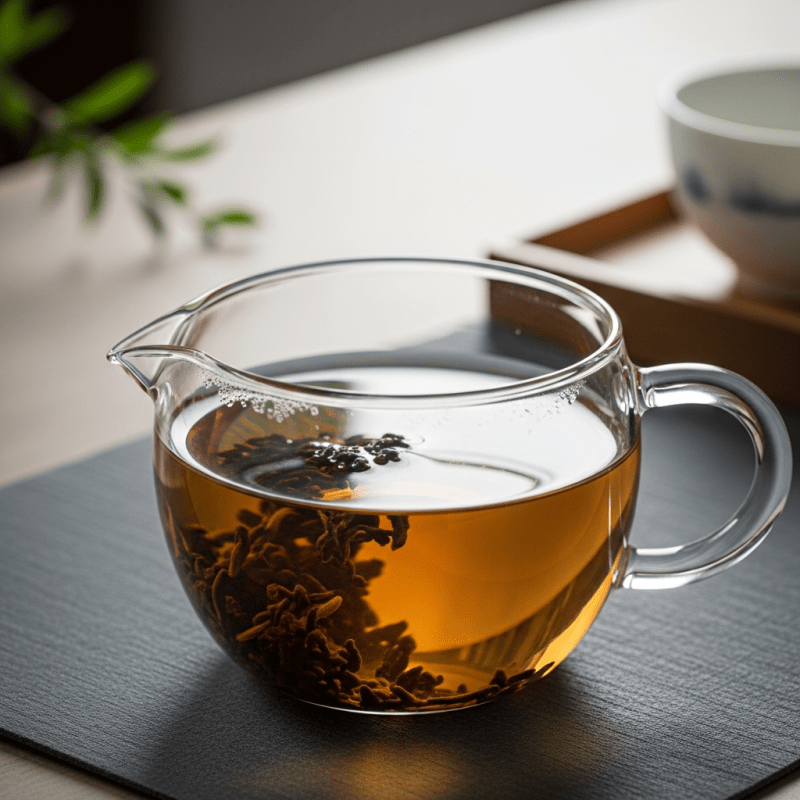
Soft cotton tee, unisex sizes
Buy ShirtDeeply woven into Yunnan’s cultural fabric, Pu-erh tea is valued in traditional medicine and ceremonial gifting. Its aging and rarity confer prestige, making it a symbol of heritage and refinement.
Pu-erh’s flavor ranges widely: young Sheng teas offer grassy, floral, and astringent notes, while aged Sheng and Shou teas develop rich, earthy, mellow, and smooth characteristics that deepen with time.
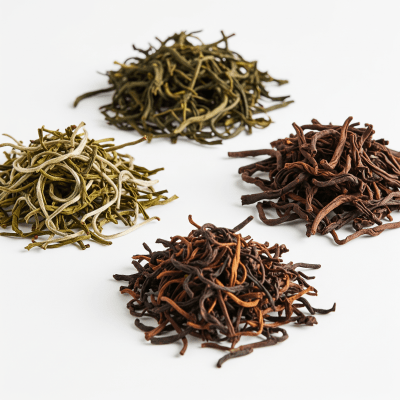
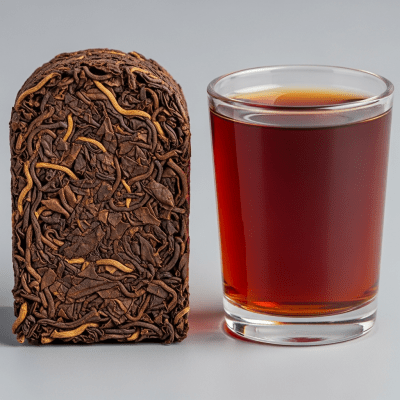
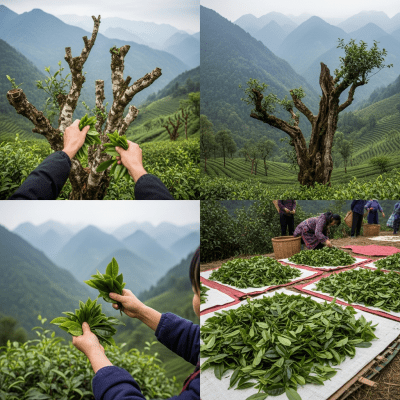
Pu-erh processing involves sun-drying fresh leaves, compression into various shapes, and fermentation. Sheng Pu-erh ages naturally, while Shou Pu-erh undergoes a "wo dui" pile-fermentation to speed maturation, both requiring careful control to develop desired flavors.
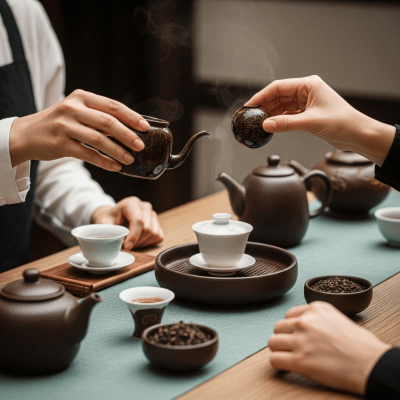
Consumed plain and often brewed multiple times, Pu-erh tea holds ceremonial importance in Yunnan. It is appreciated not only for taste but also as a cultural artifact, frequently gifted and enjoyed during traditional gatherings.
Pu-erh tea is reputed to aid digestion, support metabolism, and promote cardiovascular health. Its fermentation process is believed to enhance probiotic qualities, contributing to its traditional use in wellness practices.
Notable Pu-erh variants include those named after specific Yunnan locales such as Lao Ban Zhang and Yiwu, each offering distinct flavor profiles influenced by their unique terroir and tree sources.