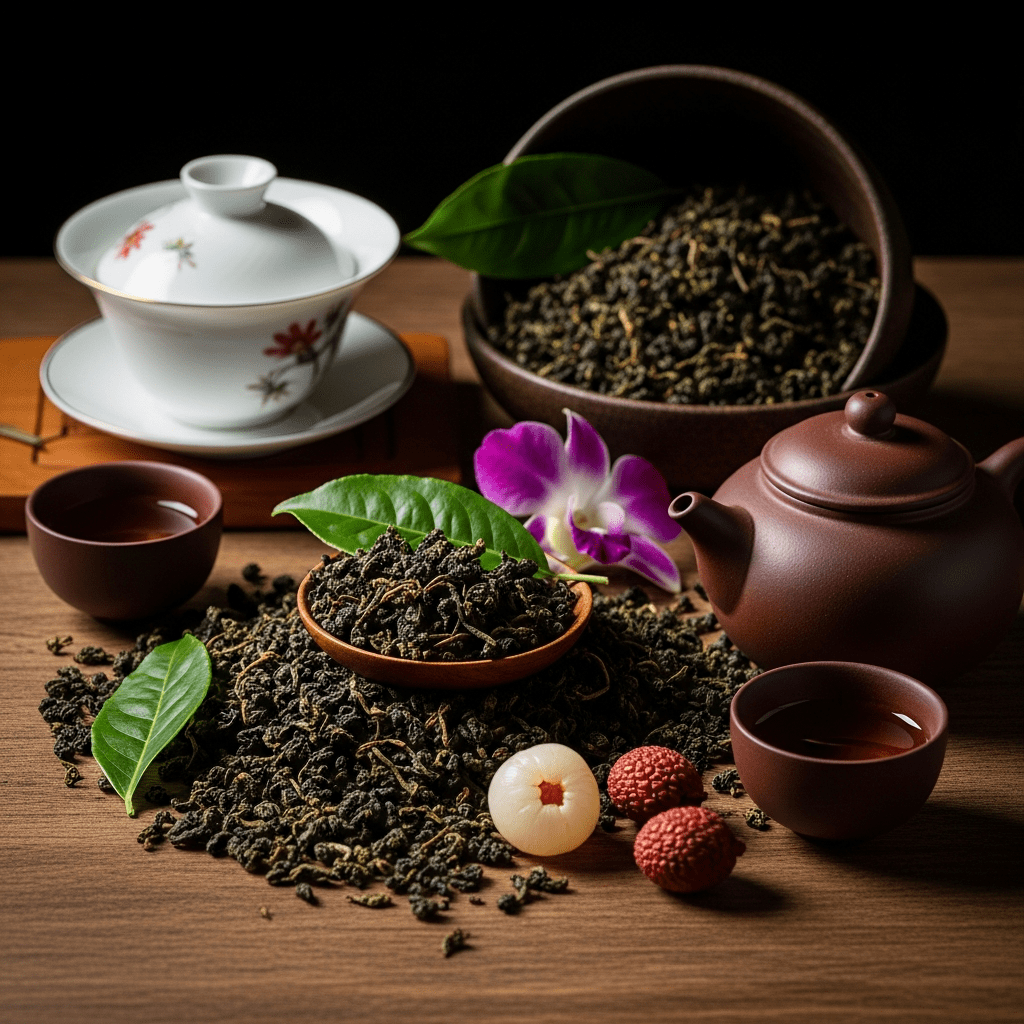
Oolong Tea
Oolong tea is a distinctive category of tea made from the leaves of Camellia sinensis, characterized by partial oxidation that bridges the gap between green and black teas in both flavor and appearance.
Oolong tea is a distinctive category of tea made from the leaves of Camellia sinensis, characterized by partial oxidation that bridges the gap between green and black teas in both flavor and appearance.
Originating in China during the Ming Dynasty (1368–1644 CE), oolong tea was developed primarily in the Fujian province. While its exact breeder or institution remains unknown, this tea category evolved through traditional craftsmanship and regional innovation, laying the foundation for its rich diversity today.
Oolong tea belongs to the broader family of teas derived from Camellia sinensis and is classified by its partial oxidation level, which ranges between green (unoxidized) and black (fully oxidized) teas. This intermediate oxidation defines oolong’s unique position within the major tea categories.
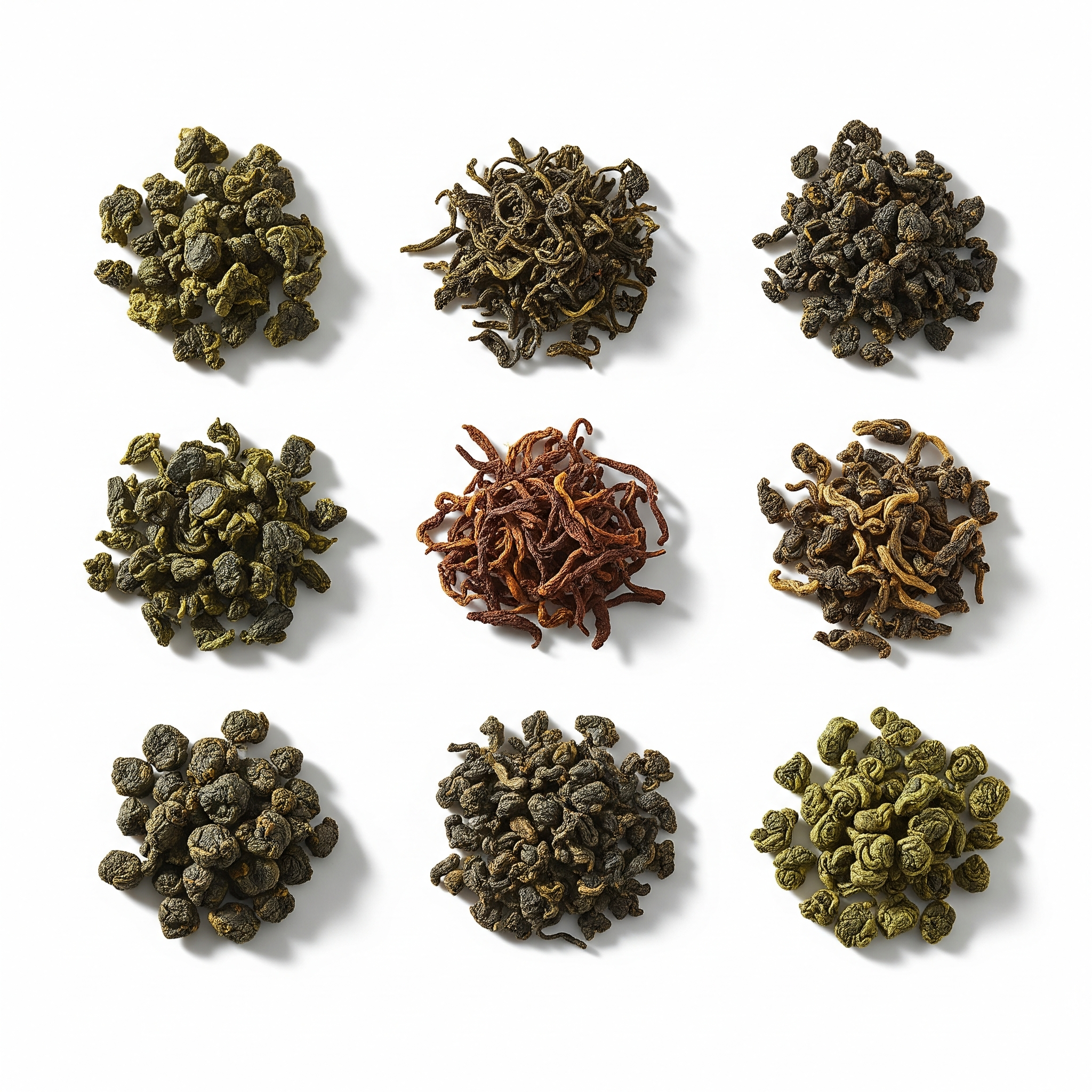
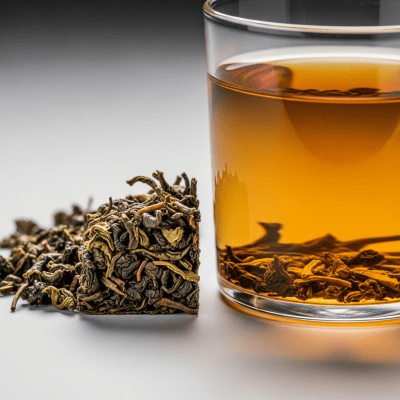
Before processing, oolong tea leaves are generally larger and thicker than those used for green teas, exhibiting dark green to brown hues. After processing, leaves are often shaped into distinctive forms such as twisted strips or rolled balls, reflecting traditional techniques and regional styles.
Oolong tea undergoes a complex, multi-stage processing method involving withering, bruising by tossing or rolling, partial oxidation typically between 10% and 80%, pan-firing or baking, and final shaping. This careful crafting produces teas with a wide range of flavors and aromas, making oolong prized for both everyday drinking and ceremonial use, notably in Gongfu Cha.
Bring this kind into your world illustrated posters, mugs, and shirts.
Archival print, museum-grade paper
Buy Poster
Stoneware mug, dishwasher safe
Buy Mug
Soft cotton tee, unisex sizes
Buy ShirtOolong tea holds a revered place in Chinese and Taiwanese culture, often celebrated in tea ceremonies like Gongfu Cha that emphasize skillful brewing and appreciation of nuanced flavors. Its name, derived from the Chinese term “wūlóng” meaning “black dragon,” evokes imagery tied to traditional artistry and the tea’s twisted leaf shapes.
Oolong teas offer a broad flavor spectrum, ranging from delicate floral and creamy notes found in varieties like Tieguanyin to deeper roasted, mineral-rich profiles characteristic of Da Hong Pao. This complexity arises from varying oxidation levels and processing techniques, delivering a layered sensory experience that evolves across multiple infusions.
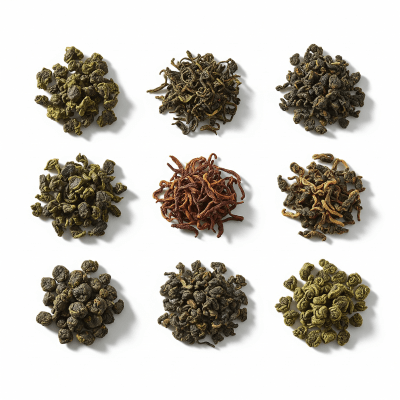
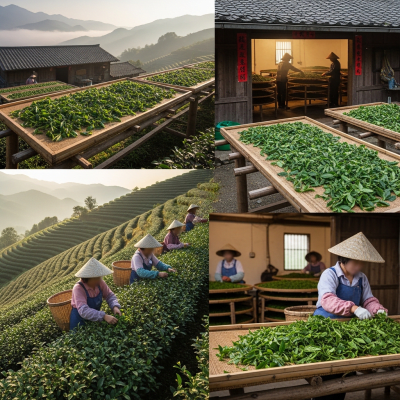
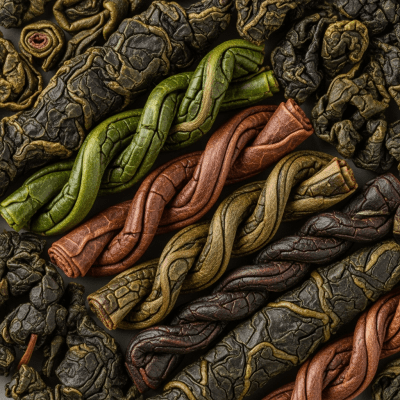
Oolong tea production involves several key steps: initial withering to reduce moisture; bruising by tossing or rolling to initiate oxidation; controlled partial oxidation typically between 10% and 80%; pan-firing or baking to halt oxidation and develop flavor; and shaping leaves into distinctive forms such as twisted strips or rolled balls. These meticulous methods define oolong’s unique character.
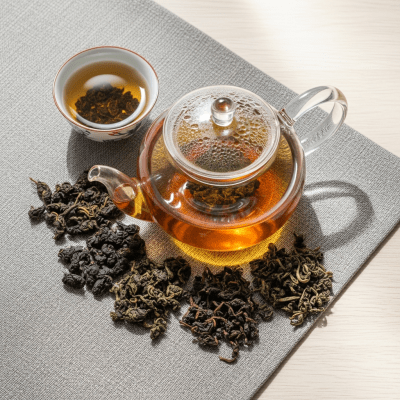
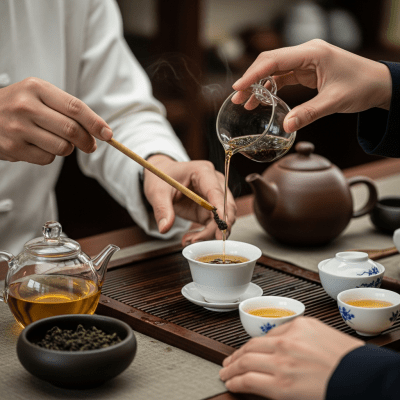
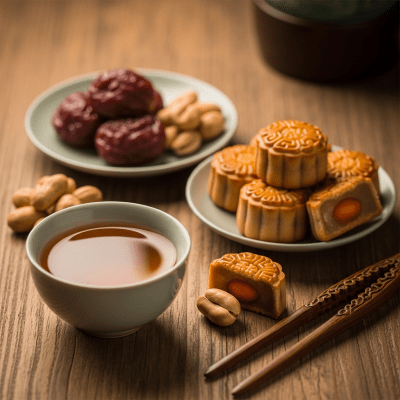
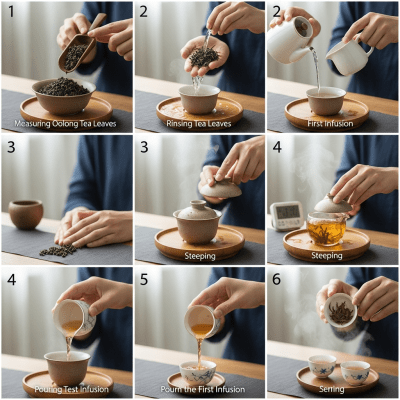
Oolong tea is enjoyed both as a daily beverage and in formal tea ceremonies, especially the Gongfu Cha tradition, which emphasizes precision brewing and appreciation of the tea’s evolving flavors through multiple infusions. It is typically served plain to highlight its natural complexity, though regional preferences may vary.
Oolong tea is reputed to support digestion, enhance metabolism, and provide antioxidants beneficial to overall health. Its moderate oxidation preserves many of the polyphenols found in green tea while offering a richer flavor profile, making it a popular choice for both enjoyment and wellness.
Notable regional variants of oolong tea include Tieguanyin and Da Hong Pao from China’s Fujian province, Dong Ding and High Mountain Oolong from Taiwan, and Phoenix Dan Cong and Oriental Beauty (Bai Hao Oolong). Each variant reflects unique terroirs, cultivars, and processing styles, contributing to the category’s remarkable diversity.