Tepary Bean
The tepary bean (Phaseolus acutifolius) is a remarkably drought-tolerant legume native to the arid landscapes of the southwestern United States and northern Mexico, prized for its resilience, nutritional value, and deep cultural roots.
The tepary bean (Phaseolus acutifolius) is a remarkably drought-tolerant legume native to the arid landscapes of the southwestern United States and northern Mexico, prized for its resilience, nutritional value, and deep cultural roots.
Originating in the Sonoran Desert, the tepary bean was domesticated thousands of years ago by indigenous peoples such as the Tohono O’odham and Pima. Its wild ancestor, Phaseolus acutifolius var. tenuifolius, thrived in harsh, dry environments, and through generations of traditional selection, the bean became a staple crop adapted to minimal rainfall and intense heat. The species was first described scientifically by Asa Gray in the mid-19th century, but its agricultural legacy far predates modern botany.
The tepary bean belongs to the botanical family Fabaceae (Leguminosae), subfamily Faboideae, genus Phaseolus, and species acutifolius. It is closely related to other food legumes such as the common bean (Phaseolus vulgaris), but stands apart for its unique adaptations to arid climates. Within the legume taxonomy, tepary beans are classified as pulses—dry edible seeds—making them part of a broader group valued for both nutrition and soil enrichment.
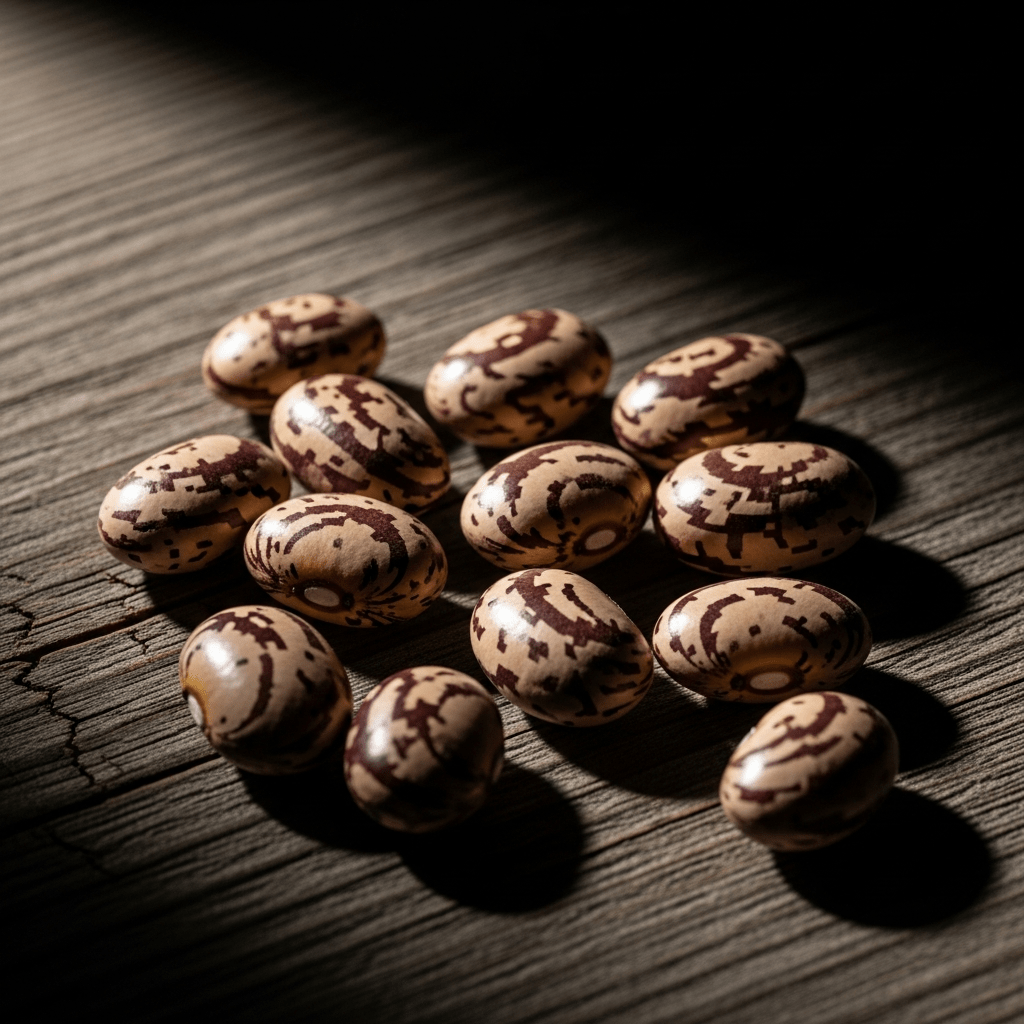
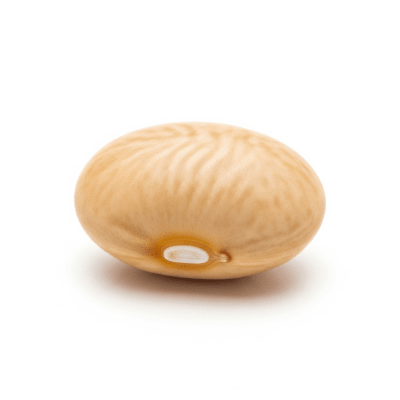
Tepary bean plants are compact annual herbs, typically reaching 30–60 cm in height. Their slender, twining or trailing stems support trifoliate leaves that are smaller and narrower than those of common beans, helping reduce water loss. The flowers are delicate, white to pale blue, and give way to slender pods 5–10 cm long, each containing 3–7 seeds. The seeds themselves are small (5–8 mm), and can be white, tan, brown, black, or mottled, offering a visually diverse harvest.
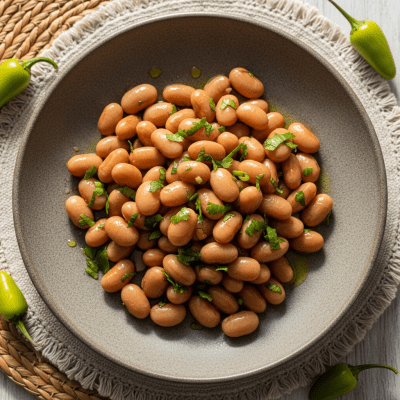
Renowned for its ability to thrive under extreme drought and heat, the tepary bean is a model of climate-resilient agriculture. It is grown in well-drained, sandy or rocky soils with minimal inputs, often as part of intercropping systems. Its rapid growth cycle and low water requirements make it ideal for regions with limited rainfall. For humans, tepary beans are consumed as dry pulses—cooked whole or ground into flour—and are celebrated for their earthy, slightly sweet flavor and firm texture.
Bring this kind into your world illustrated posters, mugs, and shirts.
Archival print, museum-grade paper
Buy Poster
Stoneware mug, dishwasher safe
Buy Mug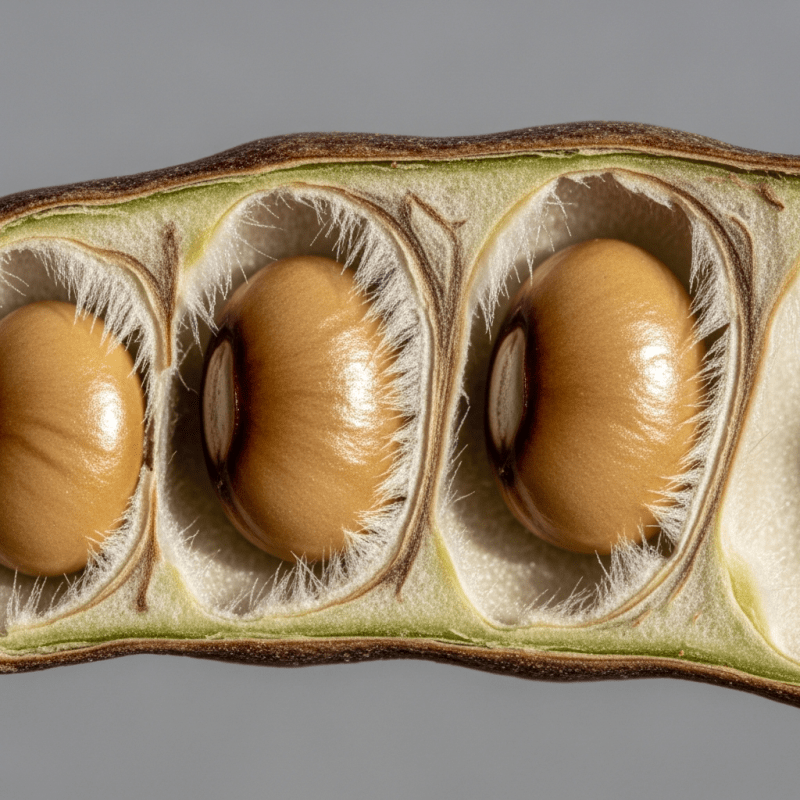
Soft cotton tee, unisex sizes
Buy ShirtThe tepary bean holds deep cultural importance among the indigenous peoples of the Sonoran Desert, where it has been cultivated for millennia. Traditional dishes such as stews and porridges feature the bean as a central ingredient, and its resilience is often seen as a symbol of survival and adaptation in harsh environments. Today, tepary beans are experiencing a revival as a heritage food, valued for their nutritional benefits and connection to ancestral agricultural practices.
Tepary beans were domesticated thousands of years ago in the Sonoran Desert by indigenous communities, notably the Tohono O’odham and Pima. Their wild progenitor, Phaseolus acutifolius var. tenuifolius, provided the genetic foundation for cultivated varieties. Unlike many modern crops, the tepary bean’s development is rooted in traditional selection rather than formal breeding programs. Today, germplasm collections are maintained by organizations such as the USDA and CIAT, preserving both wild and domesticated forms for future research and cultivation.
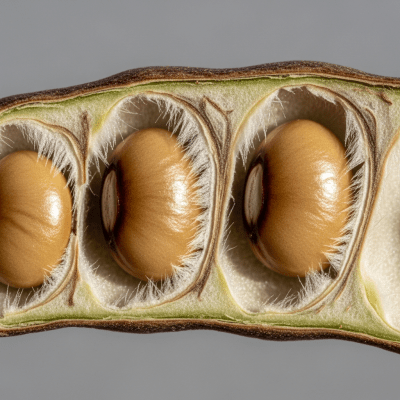
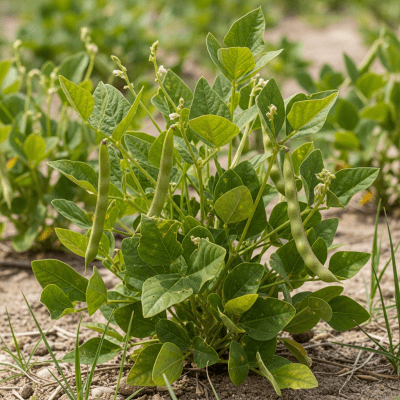
As an annual herb, the tepary bean grows with slender, twining or trailing stems, reaching heights of 30–60 cm. Its lifecycle is notably rapid, with plants maturing in just 60–90 days from planting. The trifoliate leaves are adapted to arid conditions, and the plant produces small, pale flowers followed by slender pods containing several seeds. This quick, efficient growth habit allows the tepary bean to complete its lifecycle before the hottest, driest part of the year, making it ideal for regions with short rainy seasons.
Like all true legumes, tepary beans form a symbiotic relationship with soil bacteria to fix atmospheric nitrogen. This natural process enriches the soil, reducing the need for synthetic fertilizers and supporting sustainable agriculture. Their ability to thrive in poor, sandy soils while improving fertility makes tepary beans a valuable component of crop rotations and intercropping systems, especially in regions facing water scarcity and soil degradation.
Tepary beans are most often consumed as dry pulses, cooked whole or ground into flour for use in stews, soups, and porridges. Their flavor is earthy and slightly sweet, with a firm texture that holds up well in hearty dishes. Nutritionally, tepary beans are high in protein (20–25%), dietary fiber, and essential minerals like iron, magnesium, and potassium, while being lower in fat and carbohydrates than common beans. These attributes make them a nutritious choice for gluten-free and plant-based diets.
In contemporary markets, tepary beans are considered a specialty crop, featured in health food stores, farmers’ markets, and online retailers. They are often marketed as heritage or climate-resilient foods, appealing to consumers interested in sustainability and traditional agriculture. While industrial uses remain limited, there is growing interest in tepary beans for their role in climate adaptation and sustainable farming. The USDA GRIN code for tepary bean is PHAA2, reflecting its recognized status in germplasm and trade databases.
Tepary beans exhibit notable resistance to fungal diseases such as root rot and common bacterial blight, which often affect other Phaseolus species. However, they can be vulnerable to certain insect pests, particularly bruchid beetles, which may infest seeds during storage. Overall, their disease and pest profile makes them a reliable crop in environments where other beans struggle, though post-harvest management is important to prevent seed damage.
Tepary beans are known by a variety of names across regions and cultures. Scientific synonyms include Phaseolus acutifolius var. acutifolius (domesticated) and Phaseolus acutifolius var. tenuifolius (wild). In Mexico, they are called “escomite”; among the Tohono O’odham, “pawi”; for the Pima, “pavi”; and in Spanish, “tepari.” These names reflect the bean’s widespread use and cultural integration. In local markets, tepary beans may sometimes be confused with other Phaseolus species, but their drought tolerance and distinct seed morphology set them apart.