Rosary Pea
Rosary pea (Abrus precatorius) is a perennial climbing legume instantly recognizable for its vivid red-and-black seeds, famed in jewelry and ornamentation but notorious for their extreme toxicity.
Rosary pea (Abrus precatorius) is a perennial climbing legume instantly recognizable for its vivid red-and-black seeds, famed in jewelry and ornamentation but notorious for their extreme toxicity.
Rosary pea is believed to have originated in the tropical and subtropical regions of India, Southeast Asia, and Africa. Its precise native range is obscured by centuries of naturalization across the tropics. The species appears in classical Indian texts and was formally described in Linnaean taxonomy in 1753. Unlike many cultivated legumes, rosary pea has no history of domestication or breeding; it remains a wild species, spread by human fascination with its striking seeds.
Rosary pea belongs to the Fabaceae family, the broad botanical group known as legumes. Within this family, it is classified in the subfamily Faboideae, genus Abrus, species precatorius. Unlike food or forage legumes, rosary pea is primarily valued for its ornamental seeds and is not cultivated for consumption due to its toxicity.
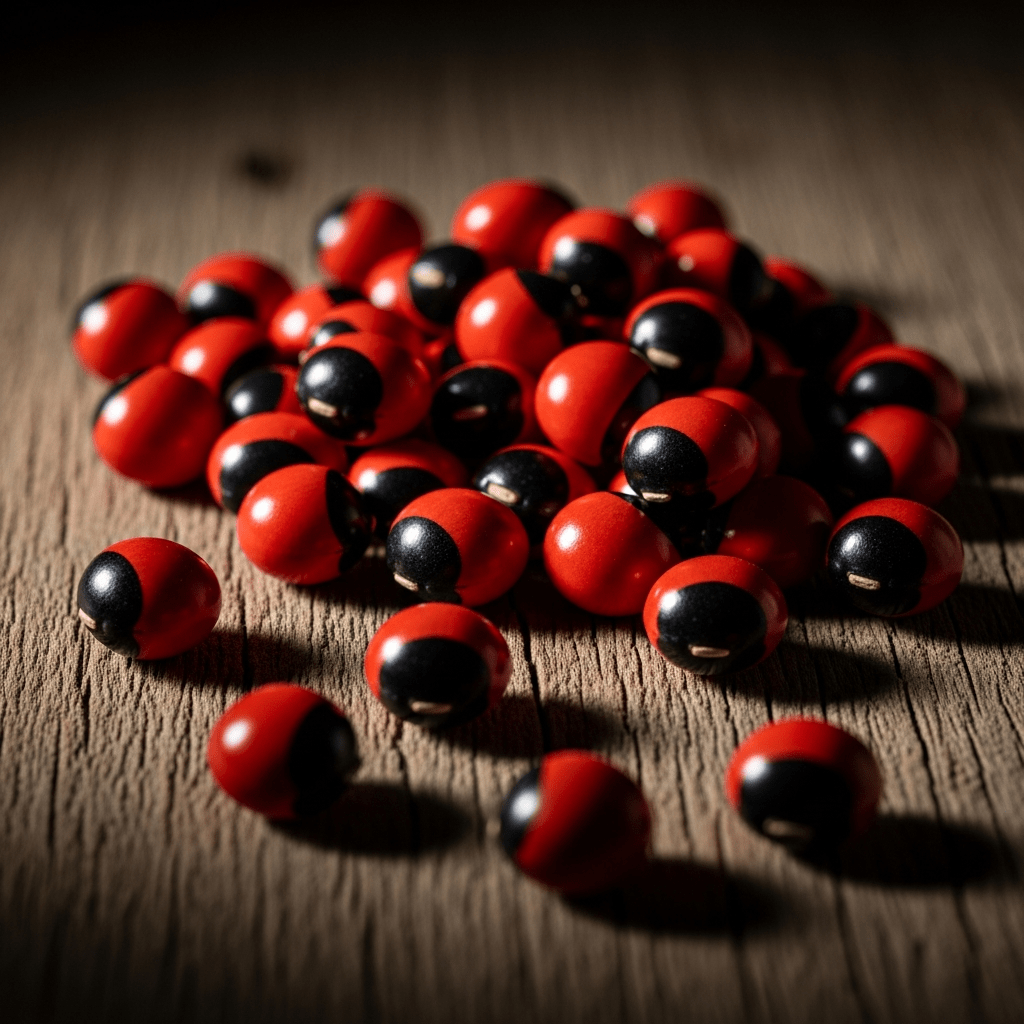
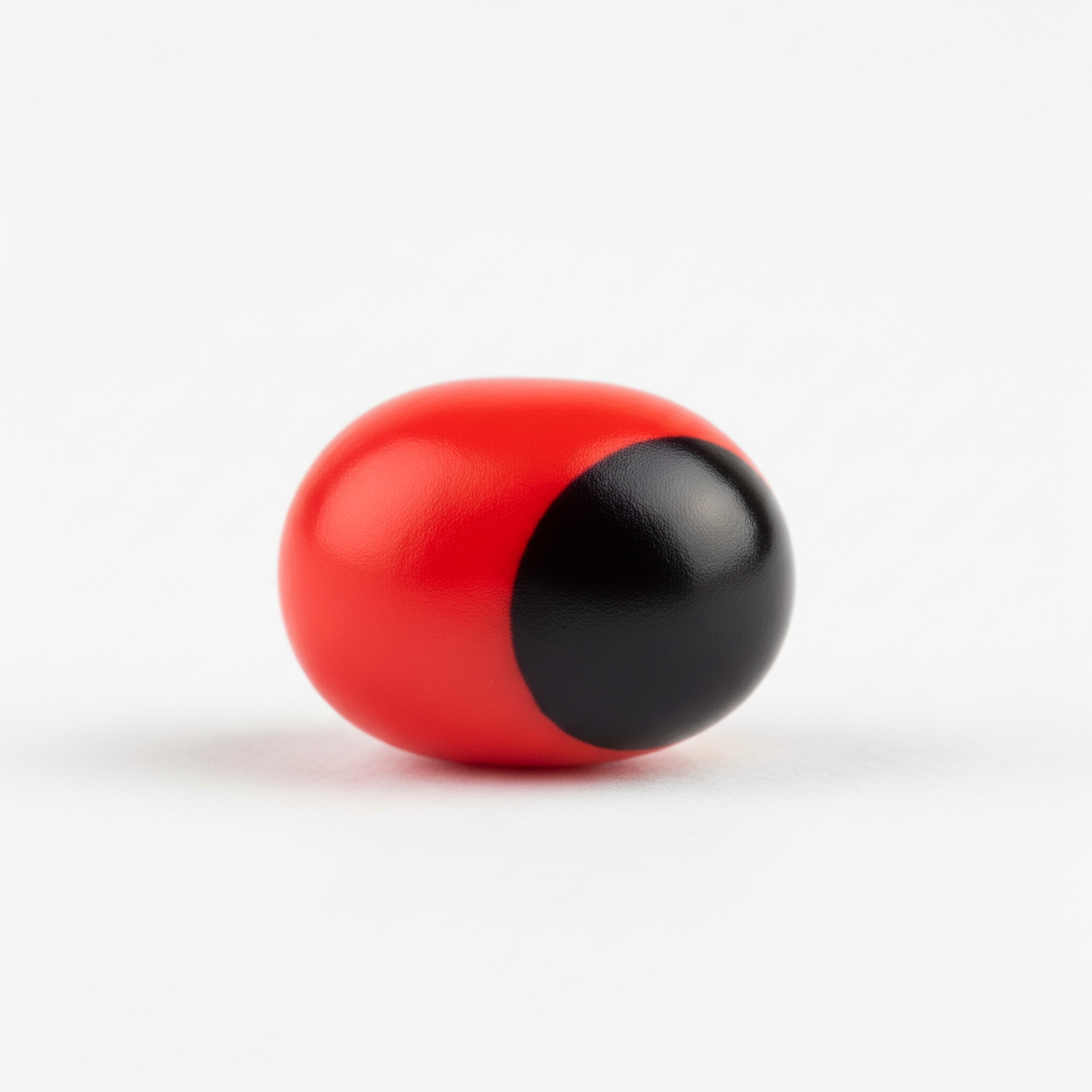
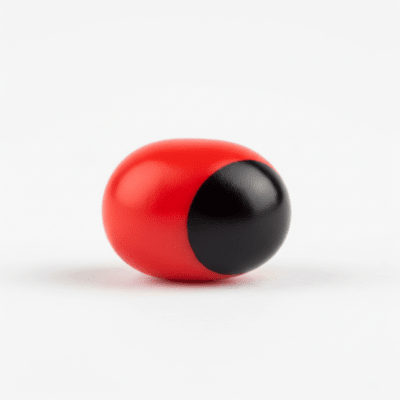
This slender, twining vine can reach lengths of 2–6 meters, with delicate pinnate leaves composed of 5–15 pairs of oblong leaflets. Rosary pea produces small, pale pink to purplish flowers arranged in racemes, followed by pods containing 3–7 seeds. The seeds are glossy, bright red with a distinctive black spot at the hilum, measuring about 5–7 mm. Their hard, lustrous surface and uniform size make them visually striking and highly sought after for decorative use.
Rosary pea is not grown for food or forage, but its seeds are widely used in jewelry, crafts, and traditional musical instruments. The plant thrives in warm, humid climates and is often found in disturbed areas and thickets. Its seeds have been used as units of weight for precious stones and gold in some cultures. Extreme caution is required when handling or processing the seeds, as even a single breached seed can be fatal if ingested due to the presence of abrin.
Bring this kind into your world illustrated posters, mugs, and shirts.
Archival print, museum-grade paper
Buy Poster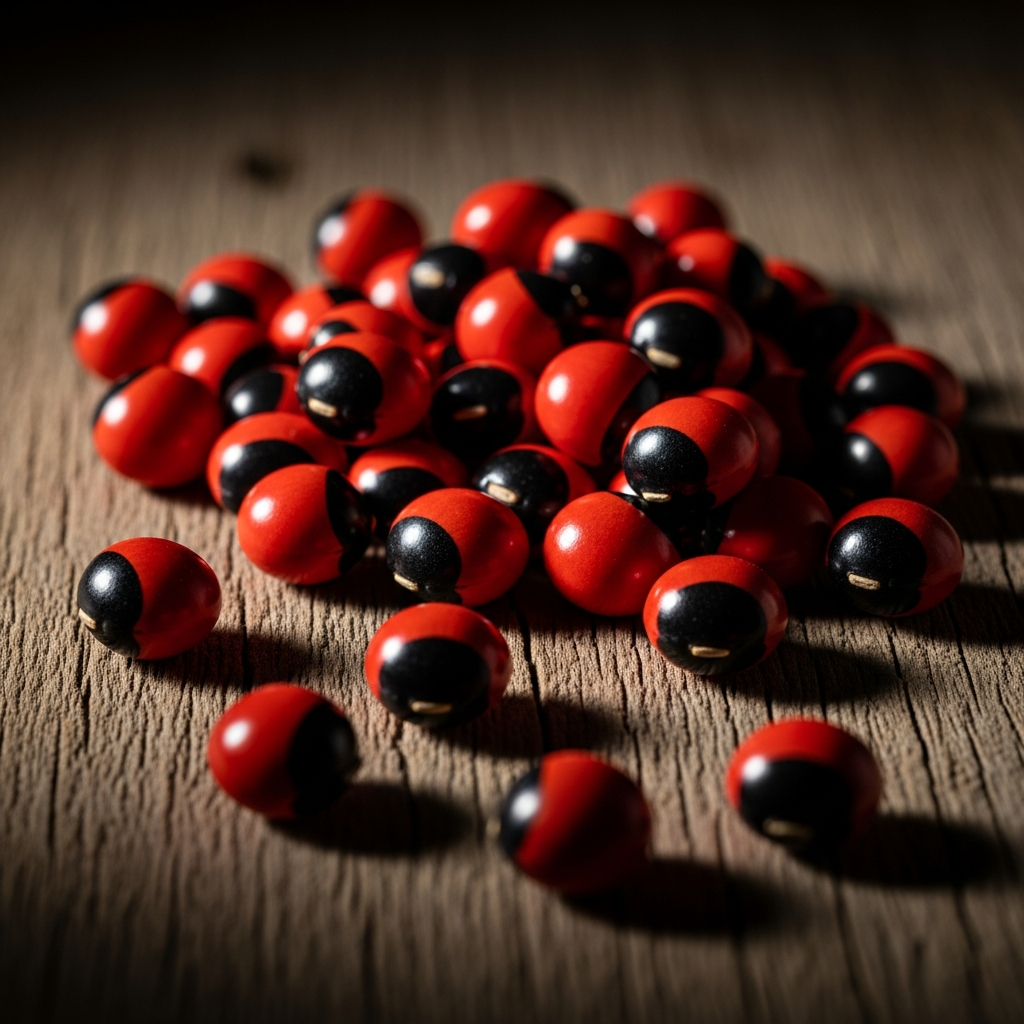
Stoneware mug, dishwasher safe
Buy Mug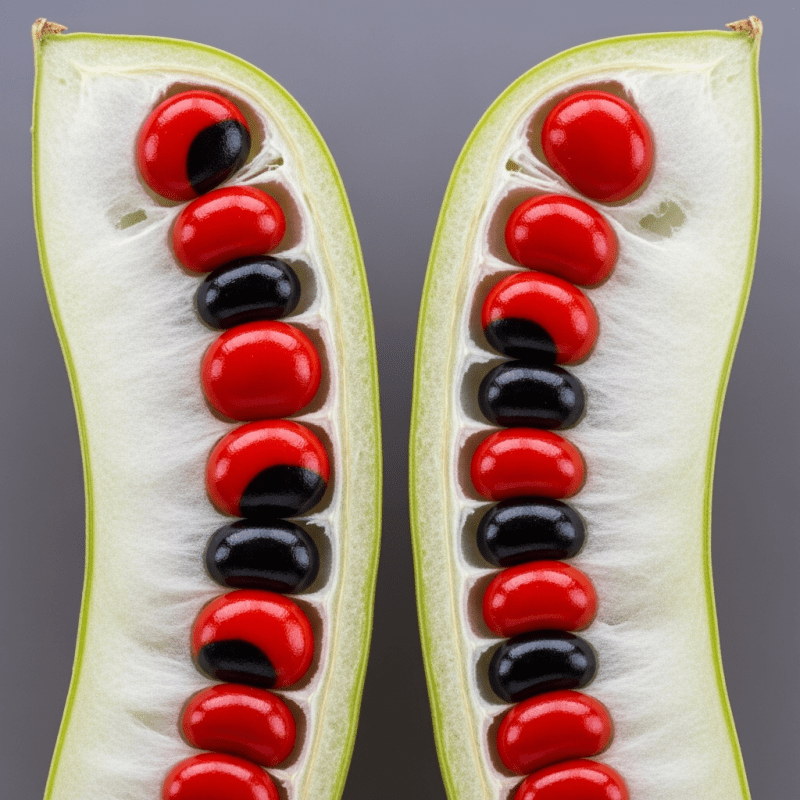
Soft cotton tee, unisex sizes
Buy ShirtRosary pea seeds have deep cultural resonance in South Asia, Africa, and the Caribbean. They are woven into jewelry, rosaries, and talismans, often symbolizing luck or protection. In India, the "ratti" seed was historically used as a standard weight for gemstones. Folklore and ritual frequently feature the seeds, despite their toxicity, and their vivid color makes them a recurring motif in traditional crafts and stories.
Unlike many legumes, rosary pea has never been domesticated or bred for agricultural traits. It remains a wild species, referenced in ancient Indian texts and later classified by Linnaeus. Its spread is closely tied to human appreciation for its seeds, which have traveled with trade and migration across tropical regions, embedding themselves in local cultures without formal cultivation or recognized varieties.
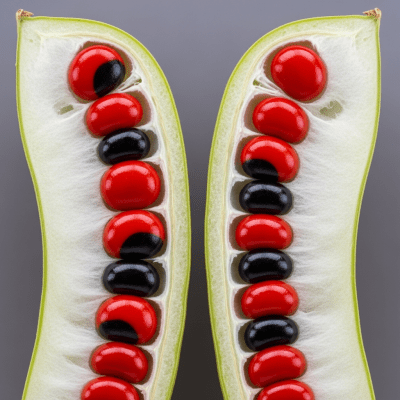
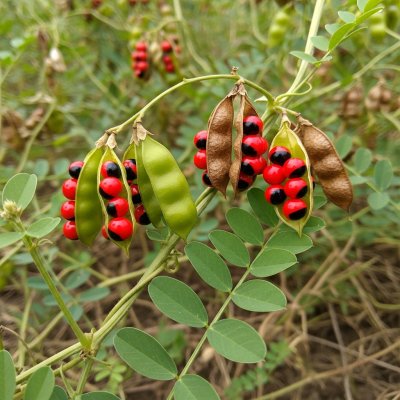
Rosary pea is a perennial, slender climbing vine. It grows rapidly in warm, humid climates, twining over shrubs and trees. The lifecycle begins with seed germination—often requiring scarification due to the hard seed coat—followed by vegetative growth, flowering, and pod formation. Each pod contains several seeds, which mature to their characteristic red-and-black coloration. The plant is drought-tolerant but sensitive to frost, and can persist for years in suitable environments.
As a member of the legume family, rosary pea forms symbiotic relationships with soil bacteria to fix atmospheric nitrogen. This process enriches the soil, benefiting surrounding vegetation and contributing to ecosystem health. However, its use in managed agriculture is limited due to its toxicity and invasive potential.
Rosary pea is not used in any culinary context. The seeds and all plant parts are highly toxic, containing abrin, which makes them dangerous for human and animal consumption. No nutritional profile is relevant or available due to its non-food status.
The primary commercial use of rosary pea is ornamental. Its seeds are traded for jewelry, crafts, and traditional instruments, and have historical significance as units of weight for gemstones and gold in South Asia. There is no recognized agricultural or industrial market, and trade is limited by the risks associated with handling and toxicity.
Rosary pea does not exhibit notable resistance to specific diseases or pests. However, its extreme toxicity acts as a natural deterrent to herbivores and many insects, reducing the likelihood of predation or infestation. No major agricultural threats are documented, as the plant is not cultivated for food or forage.
Rosary pea is known by many names around the world, reflecting its broad cultural reach: "jequirity bean," "crab’s eye," "gunja" (Hindi), "ratti" (India), "lucky bean" (Australia), "regla de oro" (Spanish), "precatory pea," and "John Crow bead" (Caribbean). Scientific synonyms include Glycine precatoria and Abrus pulchellus. Its seeds are especially significant in South Asia, Africa, and the Caribbean, where they are used in jewelry, rituals, and folklore as symbols of luck and tradition.