Pigeon Pea
Pigeon pea (Cajanus cajan) is a resilient, protein-rich legume cultivated worldwide for its edible seeds and vital role in sustainable agriculture.
Pigeon pea (Cajanus cajan) is a resilient, protein-rich legume cultivated worldwide for its edible seeds and vital role in sustainable agriculture.
Pigeon pea traces its roots to the Indian subcontinent, where it was domesticated over 3,500 years ago. Archaeological findings confirm its ancient cultivation, and from India, it spread to Africa and the Americas along trade and colonial routes. Its closest wild ancestor is Cajanus cajanifolius, and centuries of selection have produced a diversity of landraces and improved cultivars adapted to tropical and subtropical climates.
Pigeon pea belongs to the family Fabaceae (Leguminosae), subfamily Faboideae, genus Cajanus, species cajan. As a member of the legume family, it shares the characteristic ability to fix atmospheric nitrogen and produce seeds within pods, grouping it among the world’s major pulses and food legumes.
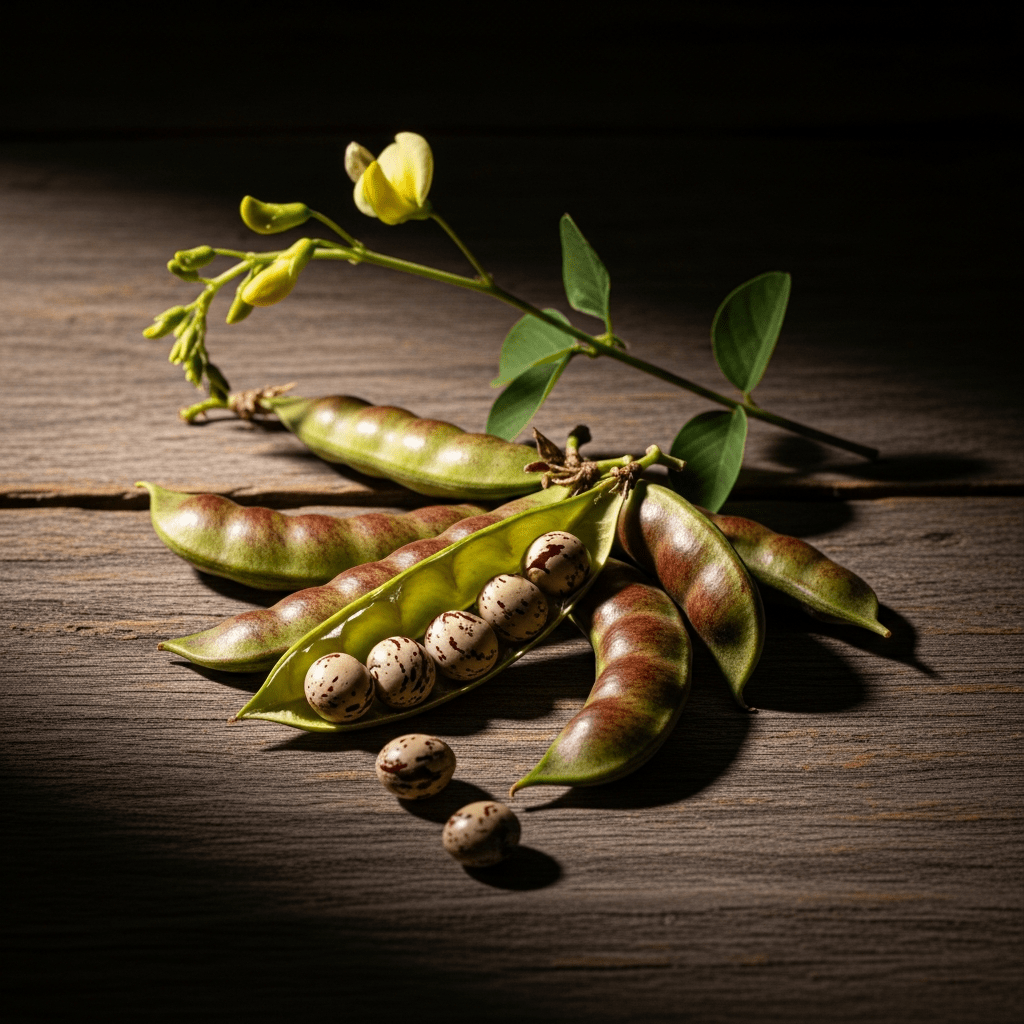
Pigeon pea plants are woody, shrubby perennials that typically reach heights of 1–4 meters. Their deep taproots anchor them firmly and help withstand drought. The foliage is trifoliate, with slender, lance-shaped leaflets. Showy yellow to reddish flowers bloom in clusters, giving way to linear pods 5–9 cm long, each containing 2–9 seeds. The seeds themselves vary in color—cream, brown, red, or purple—and can be round or oval, offering visual diversity both in the field and on the plate.
Pigeon pea is prized for its versatility. It serves as a staple food, especially in vegetarian diets, and is a key ingredient in dishes like Indian dal and Caribbean rice and peas. Beyond the kitchen, it enriches soil through nitrogen fixation, supports agroforestry systems, and is used as green manure, forage, and fuelwood. Its deep roots help prevent erosion and mine nutrients from subsoil, making it a valuable component in sustainable farming and intercropping systems.
Bring this kind into your world illustrated posters, mugs, and shirts.
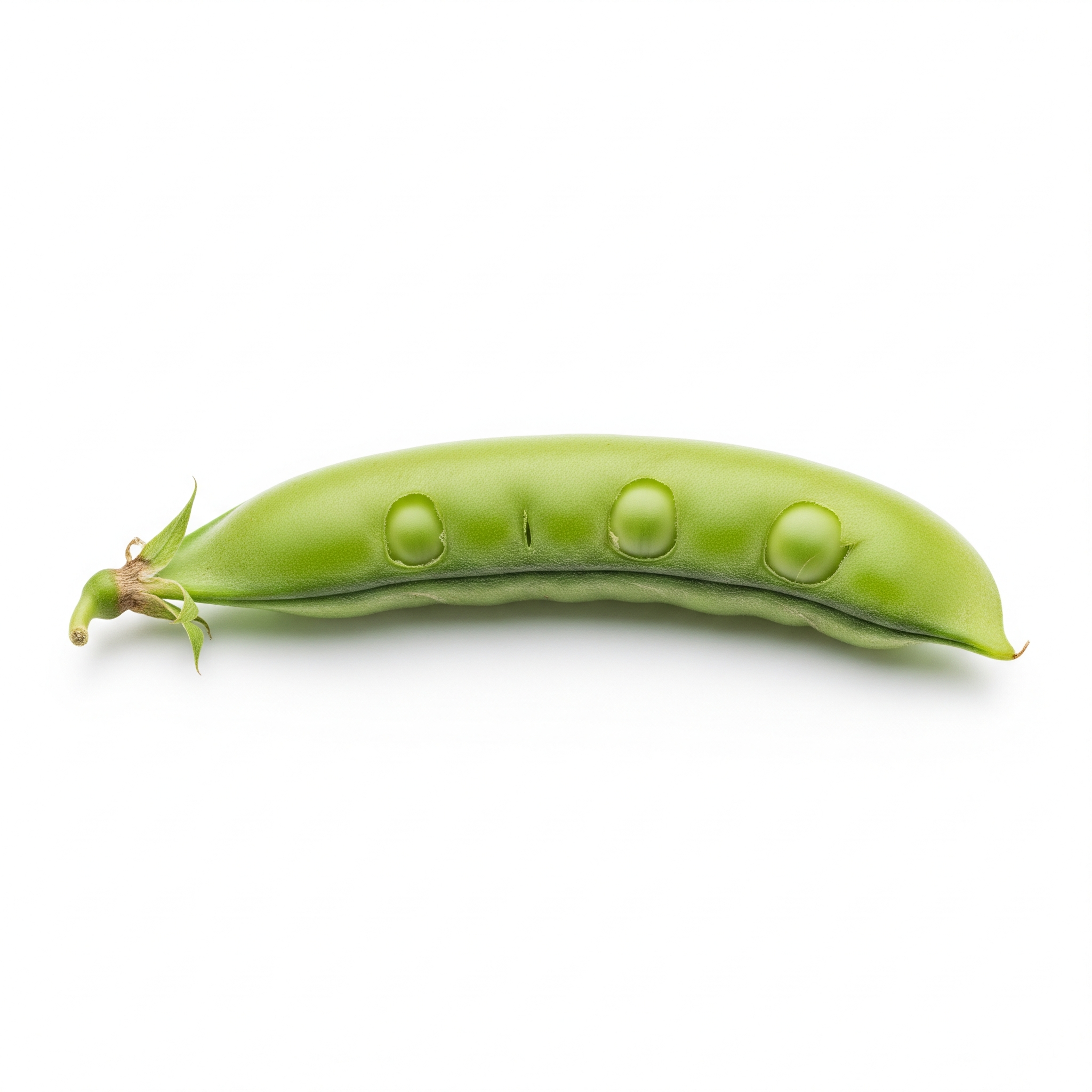
Archival print, museum-grade paper
Buy Poster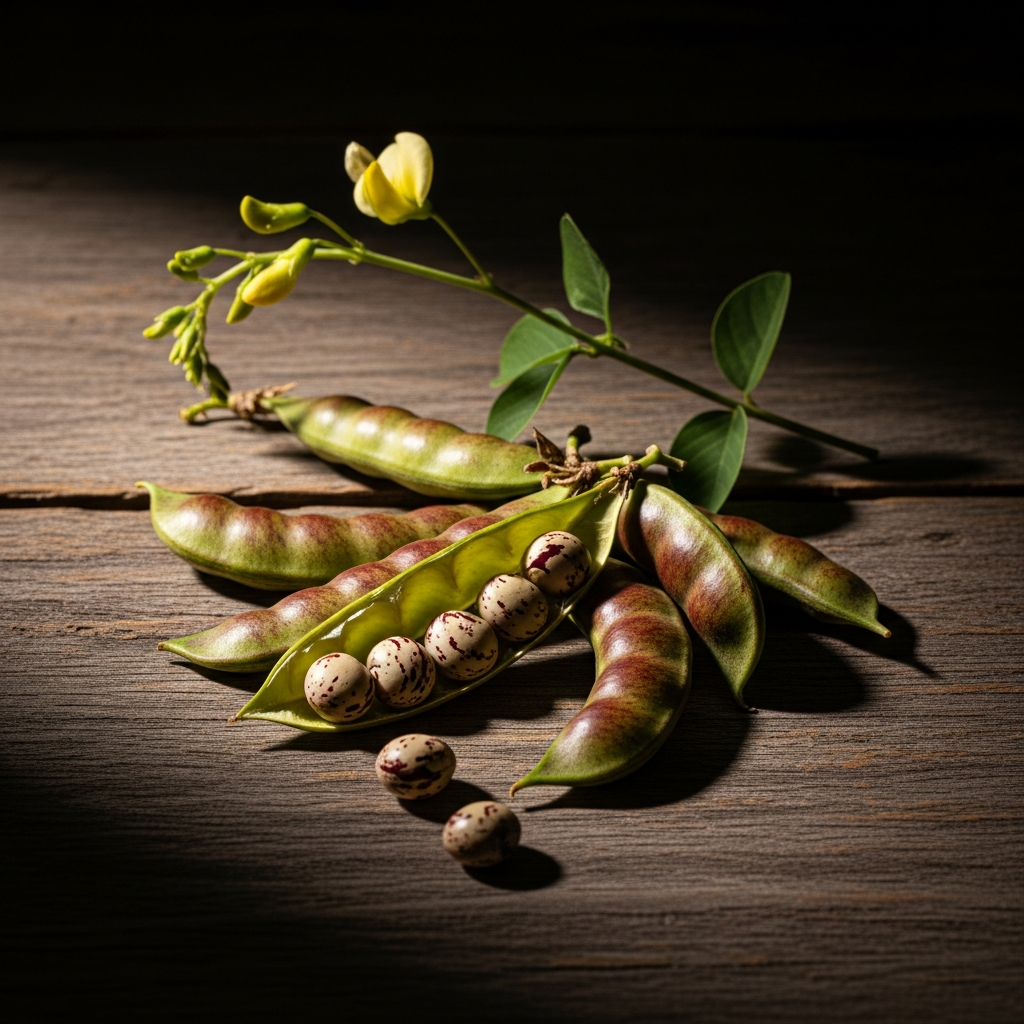
Stoneware mug, dishwasher safe
Buy Mug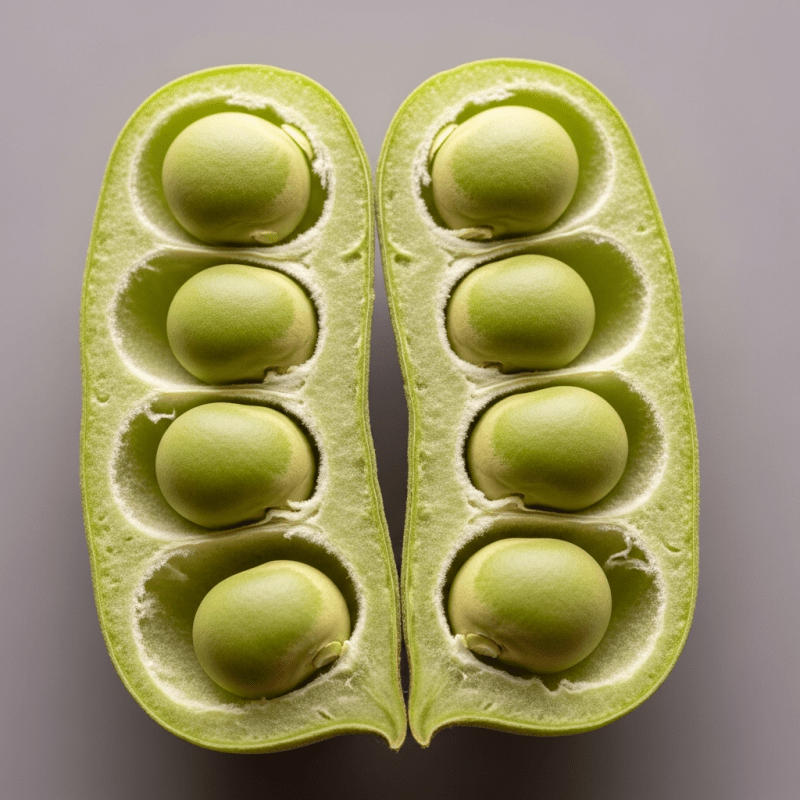
Soft cotton tee, unisex sizes
Buy ShirtPigeon pea holds cultural importance in regions where it is grown. In India, it is the foundation of dal, a dish central to daily meals and festive occasions. Across the Caribbean and Africa, pigeon pea features in traditional recipes, symbolizing resilience and communal sustenance. Its many local names—such as toor, arhar, gandule, and gungo pea—reflect its integration into diverse culinary and cultural identities.
Pigeon pea was domesticated in India at least 3,500 years ago, with Cajanus cajanifolius as its wild progenitor. Its spread to Africa and the Americas was facilitated by ancient trade and colonial exchanges. Over time, farmers selected for traits like drought tolerance and seed quality, resulting in numerous landraces and improved varieties. Modern breeding, notably by ICRISAT, has produced cultivars with higher yields and disease resistance, though detailed pedigree records are not always available.
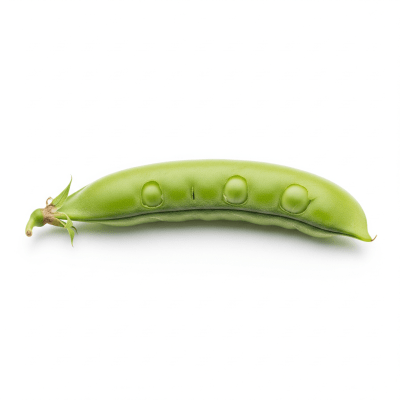
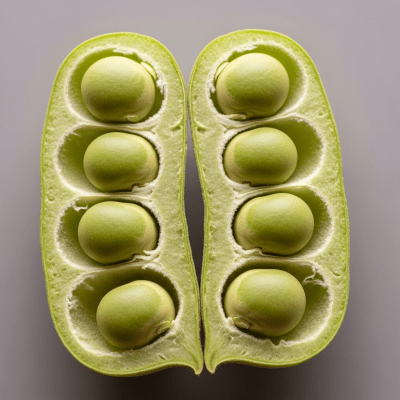
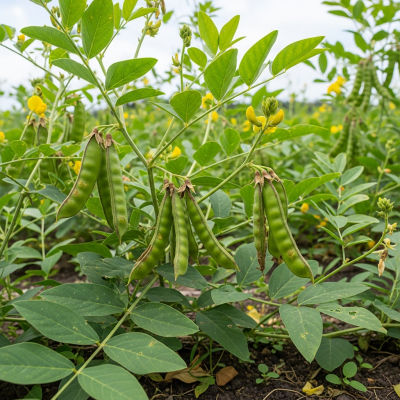
Pigeon pea grows as a woody, shrubby perennial but is often cultivated as an annual or biennial. Plants reach 1–4 meters in height, developing deep taproots that support drought resilience. The lifecycle includes vegetative growth, flowering (yellow to reddish blooms), pod formation, and seed maturation. Pods mature to contain 2–9 seeds, with harvest typically occurring several months after planting, depending on variety and climate. Its robust structure and root system make it well suited to tropical and subtropical environments.
Like other legumes, pigeon pea forms a symbiotic relationship with soil bacteria to fix atmospheric nitrogen. This process converts inert nitrogen into a form usable by plants, naturally fertilizing the soil and reducing the need for synthetic inputs. Pigeon pea’s deep roots also improve soil structure and help prevent erosion, making it a valuable crop for sustainable farming and intercropping systems.
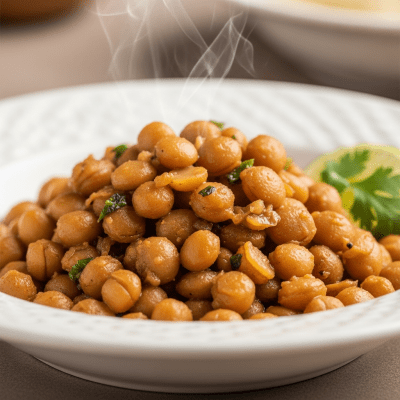
Pigeon pea seeds are a major source of protein, especially in vegetarian diets. They are consumed whole, split (toor dal), or ground into flour. In India, pigeon pea is the principal ingredient in dal dishes, while in the Caribbean it features in rice and peas. The seeds are boiled, stewed, or processed into canned, frozen, and dried products. Immature pods and leaves are also edible. Nutritionally, pigeon pea is rich in protein, carbohydrates, dietary fiber, vitamins, and minerals, supporting both human and animal diets.
Pigeon pea is a major pulse crop recognized by the FAO, with annual global production exceeding 4 million metric tons. India dominates both production and consumption, while significant trade flows to Africa and Central America support regional food security. The crop is exported in various forms—whole, split, canned, and dried—under trade codes such as FAO 0176 and USDA CACA2. Market value fluctuates by region and season, reflecting its importance in both subsistence and commercial agriculture.
Pigeon pea faces challenges from diseases like Fusarium wilt, sterility mosaic virus, and Phytophthora blight. Insect pests such as pod borers (Helicoverpa armigera), pod fly, and bruchids can damage crops and stored seeds. Improved cultivars, developed through breeding programs, offer resistance to some biotic stresses, but effective management still requires careful crop rotation, pest monitoring, and post-harvest protection—especially drying seeds and safeguarding against bruchid beetle infestation.
Scientific synonyms include Cajanus indicus and Cajanus bicolor (historical usage). Regional naming conventions vary widely, reflecting the crop’s integration into diverse cuisines and agricultural traditions.