Lupin
Lupin refers to a diverse group of legumes in the genus Lupinus, valued for their vibrant flowers, nitrogen-fixing roots, and protein-rich seeds used in food, feed, and ornamental horticulture.
Lupin refers to a diverse group of legumes in the genus Lupinus, valued for their vibrant flowers, nitrogen-fixing roots, and protein-rich seeds used in food, feed, and ornamental horticulture.
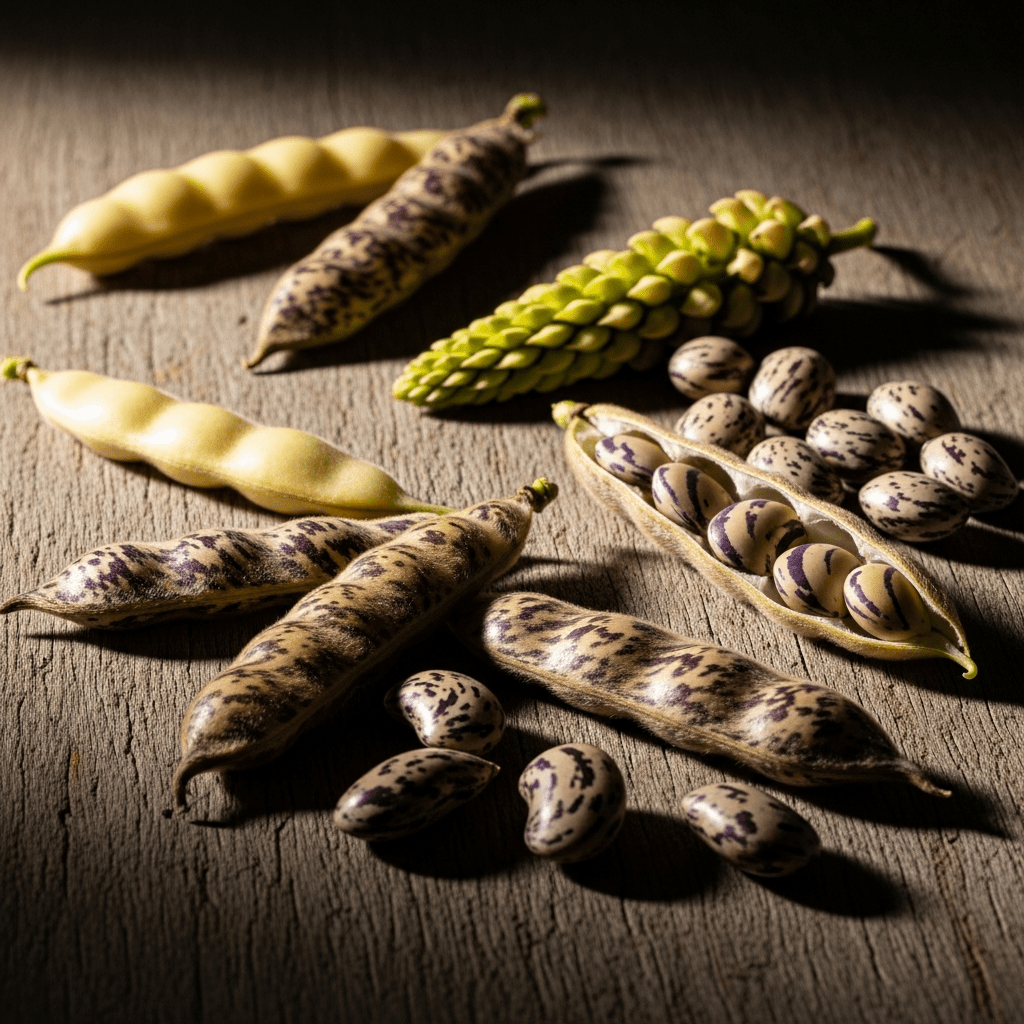
Lupins trace their origins to the Mediterranean basin, North Africa, and the Americas, where wild species flourished across varied landscapes. The earliest documented cultivation began in ancient Egypt and the Mediterranean, notably with Lupinus albus (white lupin) grown for food. Over centuries, lupins spread globally, adapting to new climates and uses. The modern era of lupin breeding started in Germany in the 1920s, with Dr. Herbert Hansen developing sweet, low-alkaloid varieties, and continued in Australia through Dr. John Gladstones' work in the 1950s–1970s, making lupins safer and more palatable for humans and livestock.
Lupin belongs to the family Fabaceae (Leguminosae), a major group within the legume taxonomy. The genus Lupinus encompasses over 200 species, ranging from annuals to perennials. Key domesticated species include Lupinus albus (white lupin), Lupinus angustifolius (narrow-leafed or blue lupin), Lupinus luteus (yellow lupin), and Lupinus mutabilis (Andean lupin). Lupins are classified botanically by their podded fruits and their ability to fix atmospheric nitrogen, a hallmark of legumes.
Lupin plants display striking visual appeal, growing from 30 cm to over 1.5 m tall. Their leaves are palmately compound, typically with 5–17 slender leaflets radiating from a central point. The flowers, arranged in dense, upright racemes, offer a vibrant palette—white, blue, purple, yellow, and pink—making them favorites in ornamental gardens. After flowering, lupins produce pods containing seeds that vary in size and color depending on the species. The overall form is both architectural and lush, lending texture and color to landscapes and fields.
Lupins serve multiple roles: as food crops, forage for livestock, and as ornamental plants. Their seeds are consumed as pulses, ground into flour, or incorporated into processed foods. In agriculture, lupins enrich soil by fixing nitrogen, making them valuable in crop rotations and green manure systems. Sweet lupins, bred for low alkaloid content, are preferred for human and animal consumption, while bitter types require extensive processing. Ornamental lupins are prized for their dramatic flower spikes, and some species are used industrially for protein extraction and bio-based materials.
Bring this kind into your world illustrated posters, mugs, and shirts.

Archival print, museum-grade paper
Buy Poster
Stoneware mug, dishwasher safe
Buy Mug
Soft cotton tee, unisex sizes
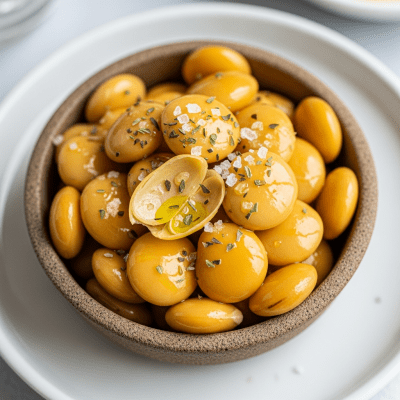
Buy ShirtLupins hold a special place in Mediterranean and Andean cultures, where their seeds—often prepared as "lupini beans"—are a traditional snack. In Italy and neighboring regions, brined lupin seeds are a staple at festivals and gatherings. In South America, Lupinus mutabilis (chocho) features in local cuisine and agricultural traditions. Ornamental lupins, especially the vibrant "Russell lupins," are celebrated in garden design and floral art worldwide. Their role in sustainable agriculture and plant-based diets has grown in modern culture, reflecting shifting values toward health and ecological stewardship.
Lupins have a long history of domestication, beginning with Lupinus albus in ancient Egypt and the Mediterranean. Early cultivation focused on food and soil improvement. The 20th century saw major advances: German and Australian breeders developed sweet, low-alkaloid cultivars, expanding lupin's role in human and animal diets. Today, several species—white, blue, yellow, and Andean lupin—are grown worldwide for their agronomic and nutritional benefits.
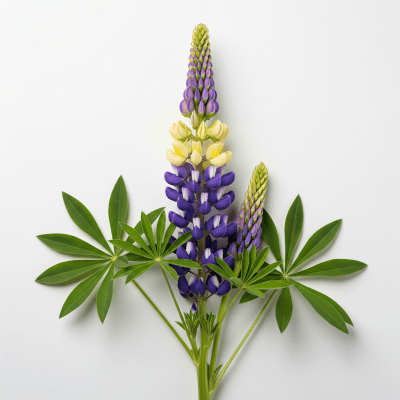
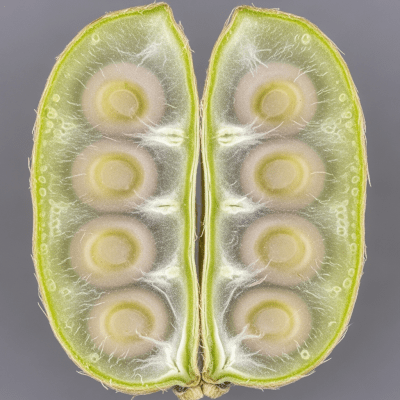
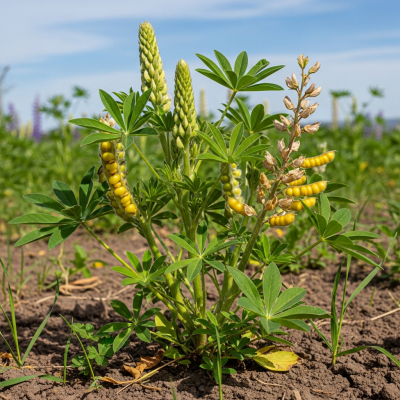
Lupins may be annual or perennial herbaceous plants. They typically grow upright, reaching heights from 30 cm to over 1.5 m. Leaves are palmately compound, and flowering occurs in dense, terminal racemes. After pollination, pods develop and mature, containing seeds ready for harvest. Lupins are moderately drought-tolerant and adapted to a range of soils, with some species completing their lifecycle in a single season, while others persist for years.
Like all legumes, lupins form a symbiotic relationship with rhizobia bacteria, enabling them to fix atmospheric nitrogen in their roots. This process enriches soil fertility, reduces the need for synthetic fertilizers, and supports sustainable crop rotations. Lupins are especially valuable in poor or acidic soils, where their nitrogen-fixing ability helps reclaim and improve land for future crops.
Lupin seeds are enjoyed in various culinary forms: as pulses, flour, and processed foods. In the Mediterranean, brined "lupini beans" are a classic snack, while in South America, Lupinus mutabilis is used in soups, stews, and as a protein-rich flour. Lupin flour is a popular gluten-free alternative, and sweet lupins are a key ingredient in livestock feed. Nutritionally, lupin seeds are notable for their high protein (30–40%) and oil content (4–10%), supporting plant-based diets and food innovation.
Lupins are commercially produced in Australia, Europe, the Mediterranean, and South America. Their economic value spans food, feed, ornamental horticulture, green manure, and industrial protein isolates. Lupin products are regulated under codes such as FAO commodity code 0296, with national standards ensuring food safety and allergen labeling. The market for lupin-based foods and ingredients is expanding, driven by demand for sustainable and plant-based proteins.
Lupins are generally resistant to many insect pests, though aphids and seed weevils can pose challenges. Fungal diseases such as anthracnose and Phomopsis, as well as root rot and viral pathogens, can affect crops, with resistance varying by cultivar. Careful selection of disease-resistant varieties and proper storage—dry, cool conditions—help maintain seed quality and minimize losses.
Lupin is known by many names worldwide: "lupine" in the US and Canada, "lupini" in Italy and the Mediterranean, "chocho" for Lupinus mutabilis in the Andes, and "Russell lupins" for ornamental hybrids. Other common names include blue, white, yellow, and Andean lupin, as well as sweet and bitter lupin, reflecting alkaloid content. These regional varieties and aliases highlight lupin's global reach and cultural diversity.