Chickpea
The chickpea (Cicer arietinum) is a globally important legume, prized for its high protein content, drought resilience, and central role in diverse culinary traditions.
The chickpea (Cicer arietinum) is a globally important legume, prized for its high protein content, drought resilience, and central role in diverse culinary traditions.
Chickpea traces its origins to the Fertile Crescent, with archaeological evidence of cultivation dating back 7,000–8,000 years. Its wild ancestor, Cicer reticulatum, is native to southeastern Turkey. The crop’s ancient domestication was a gradual process, shaped by early farmers in the Near East, and today its legacy continues through modern breeding programs across Asia, the Mediterranean, and beyond.
Chickpea belongs to the Fabaceae family, subfamily Faboideae, genus Cicer, and species Cicer arietinum. As a pulse, it is part of the broader legume group, which encompasses beans, peas, lentils, and other pod-bearing plants known for nitrogen fixation and edible seeds.
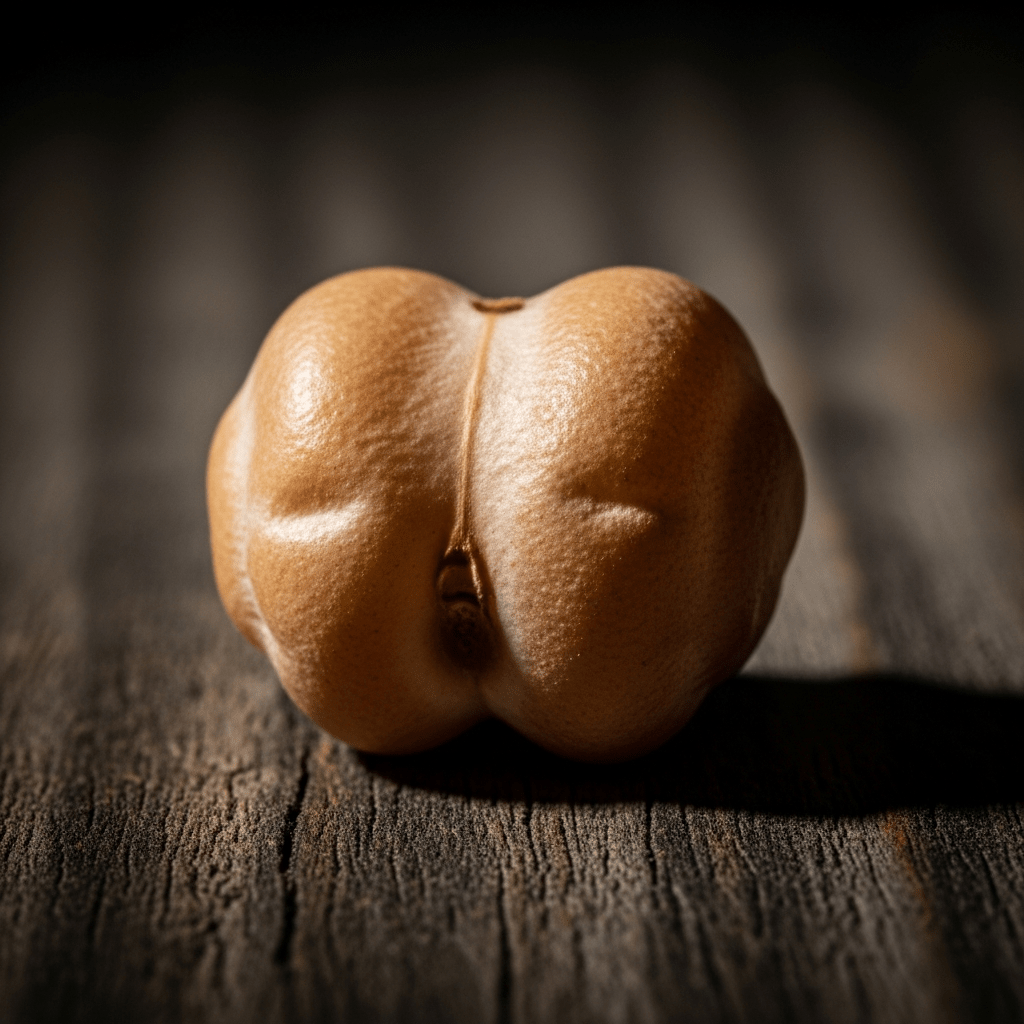
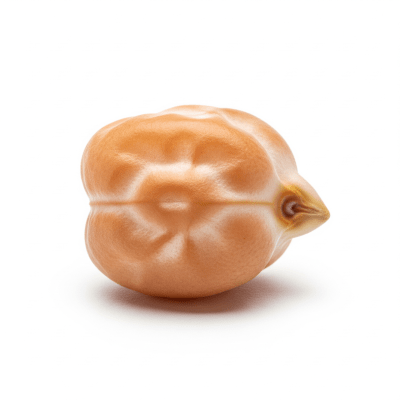
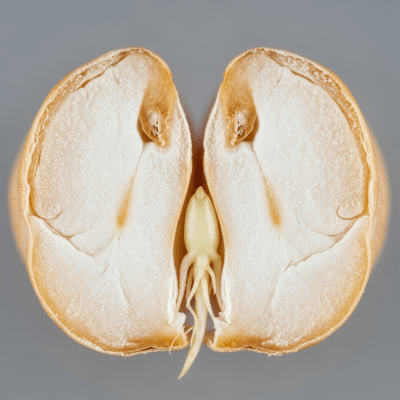
The chickpea plant is an annual, herbaceous species reaching 20–50 cm in height, with delicate pinnate leaves and small white or pink flowers. Its pods are short, each containing 1–3 seeds. Chickpea seeds vary: 'Desi' types are small, angular, and dark with rough coats, while 'Kabuli' types are larger, round, and cream-colored with smooth surfaces. When handled, the seeds feel firm and dense, with a subtle earthy aroma.
Chickpea is cultivated primarily for its edible seeds, which are consumed whole, split, or ground into flour. Its drought tolerance makes it ideal for semi-arid regions, and its ability to fix nitrogen enriches soils for subsequent crops. Beyond food, chickpea is used as animal feed and green manure, contributing to sustainable farming systems.
Bring this kind into your world illustrated posters, mugs, and shirts.
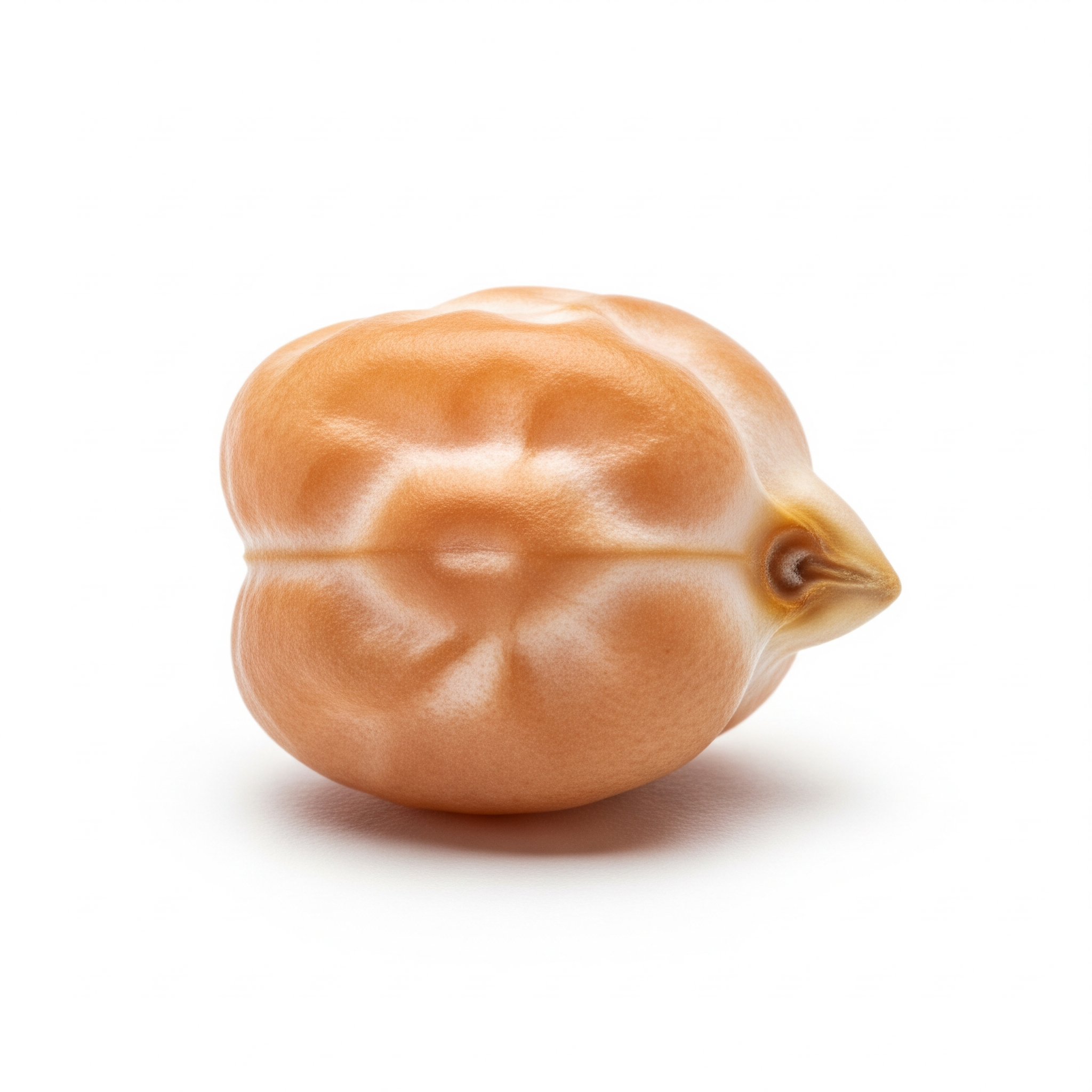
Archival print, museum-grade paper
Buy Poster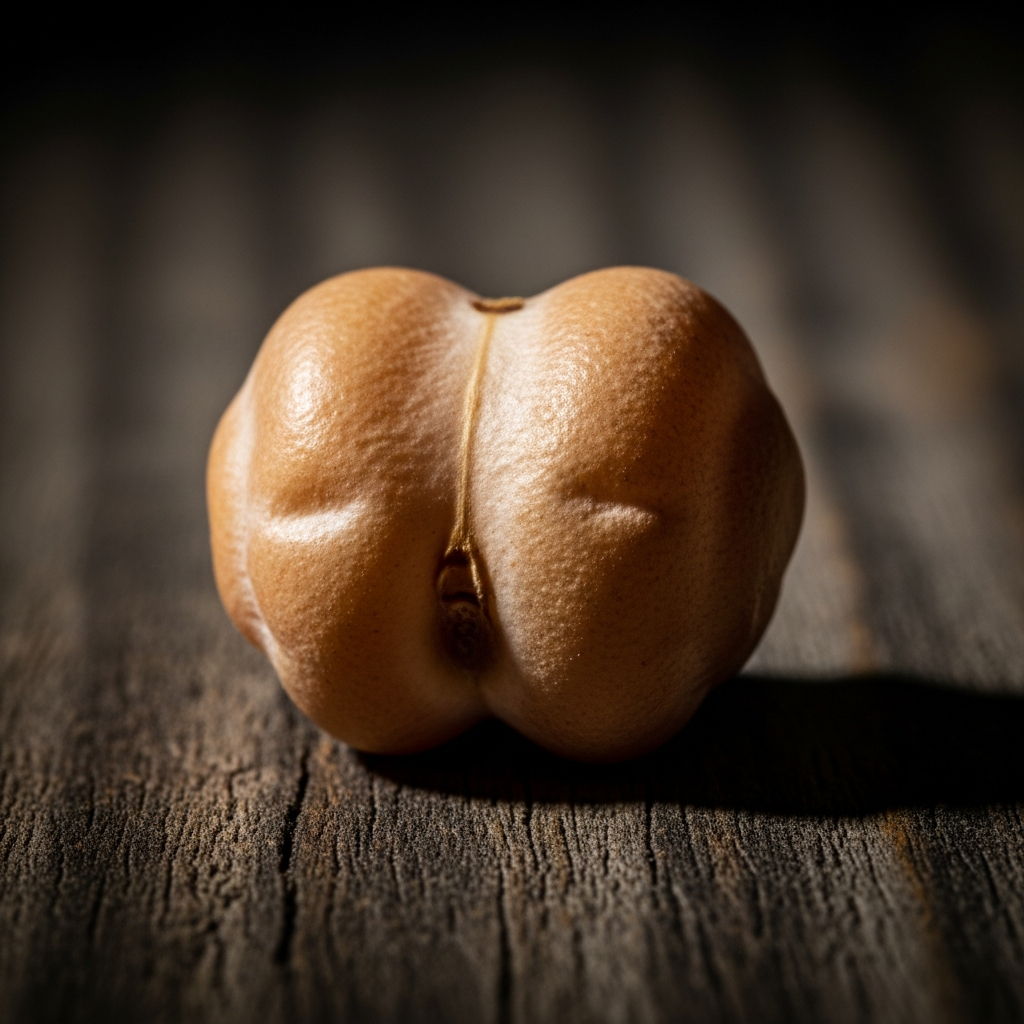
Stoneware mug, dishwasher safe
Buy Mug
Soft cotton tee, unisex sizes
Buy ShirtChickpea holds deep cultural resonance, featuring prominently in South Asian, Mediterranean, Middle Eastern, and North African cuisines. It is the foundation of iconic dishes such as hummus, falafel, and chole. Its presence in religious rituals, festivals, and daily meals underscores its status as a staple and symbol of nourishment across civilizations.
Chickpea was domesticated in the Fertile Crescent around 7,000–8,000 years ago, originating from the wild species Cicer reticulatum. Its spread followed ancient trade and migration routes, establishing the crop across South Asia, the Mediterranean, and Africa. Modern breeding has diversified chickpea varieties, focusing on yield, disease resistance, and adaptation to local climates.
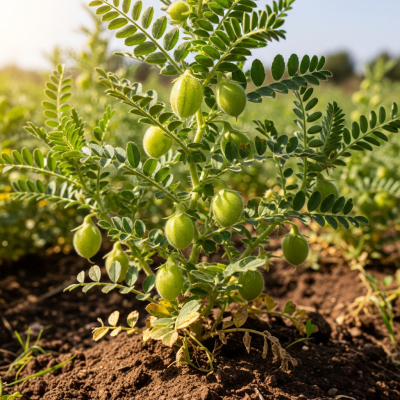
Chickpea is an annual plant with a compact, bushy growth habit, typically reaching 20–50 cm tall. It develops pinnate leaves and small flowers before producing short pods with 1–3 seeds. The lifecycle from planting to harvest spans 90–120 days, with maturity duration influenced by variety and climate. Chickpea thrives in semi-arid conditions and is notably drought-tolerant, but sensitive to waterlogging and frost.
Like other legumes, chickpea forms a symbiotic relationship with Rhizobium bacteria in its roots, enabling it to fix atmospheric nitrogen. This process naturally enriches the soil, reducing the need for synthetic fertilizers and supporting sustainable crop rotations. Chickpea’s nitrogen-fixing ability benefits both the crop itself and subsequent plantings, making it a valuable component of regenerative agriculture.
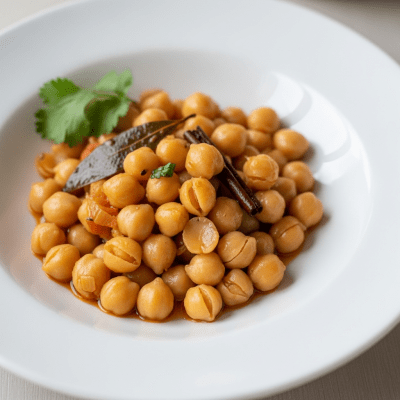
Chickpea is celebrated for its versatility in the kitchen. Whole seeds are cooked in stews and salads, split chickpeas (chana dal) are used in curries, and chickpea flour (besan) forms the base for batters, breads, and confections. Signature dishes include hummus, falafel, chole, and soups. Nutritionally, chickpea is high in protein and fiber, making it a cornerstone of vegetarian diets and a source of sustained energy.
Chickpea is a major global commodity, with India, Australia, Turkey, and Myanmar as leading producers and exporters. The crop is traded in distinct market grades, primarily 'Desi' and 'Kabuli', with Kabuli often commanding premium prices due to seed size and appearance. International trade is regulated under FAO commodity code 176 and USDA PLANTS symbol CIAR, reflecting its economic and agricultural significance.
Chickpea faces challenges from diseases such as Ascochyta blight and Fusarium wilt, as well as pests like the pod borer (Helicoverpa armigera). While these threats can impact yields, ongoing breeding efforts have produced resistant cultivars. Chickpea’s drought tolerance is a notable strength, but it remains sensitive to waterlogging and frost, requiring careful management for optimal health.
Chickpea is known by many regional names: garbanzo bean (Spanish, English), gram (South Asia), chana (Hindi, Urdu), ceci (Italian), pois chiche (French), and hummus (Arabic, referring to the dish). Major varieties include 'Desi' and 'Kabuli', alongside numerous local landraces adapted to specific climates and culinary preferences. In some regions, the term 'gram' may refer to other legumes, highlighting the importance of context in naming.