Soybean
Soybean (Glycine max) is a globally important legume valued for its high-protein seeds, edible oil, and vital role in sustainable agriculture.
Soybean (Glycine max) is a globally important legume valued for its high-protein seeds, edible oil, and vital role in sustainable agriculture.
Soybean was first domesticated in East Asia, with archaeological evidence tracing its cultivation in China to around 1100 BCE. Its wild ancestor, Glycine soja, is native to China, Korea, Japan, and Russia. Over centuries, farmers selected for larger seeds and improved traits, transforming the wild plant into the versatile crop known today. The spread of soybean from its Asian heartland to the rest of the world was propelled by its adaptability, nutritional value, and agricultural benefits.
Soybean belongs to the botanical family Fabaceae (also known as Leguminosae), subfamily Faboideae, genus Glycine, and species Glycine max. Within the legume taxonomy, it is classified as an oilseed legume, distinct from pulses like lentils and chickpeas. Its scientific nomenclature and classification are recognized by international authorities such as ILDIS and USDA.
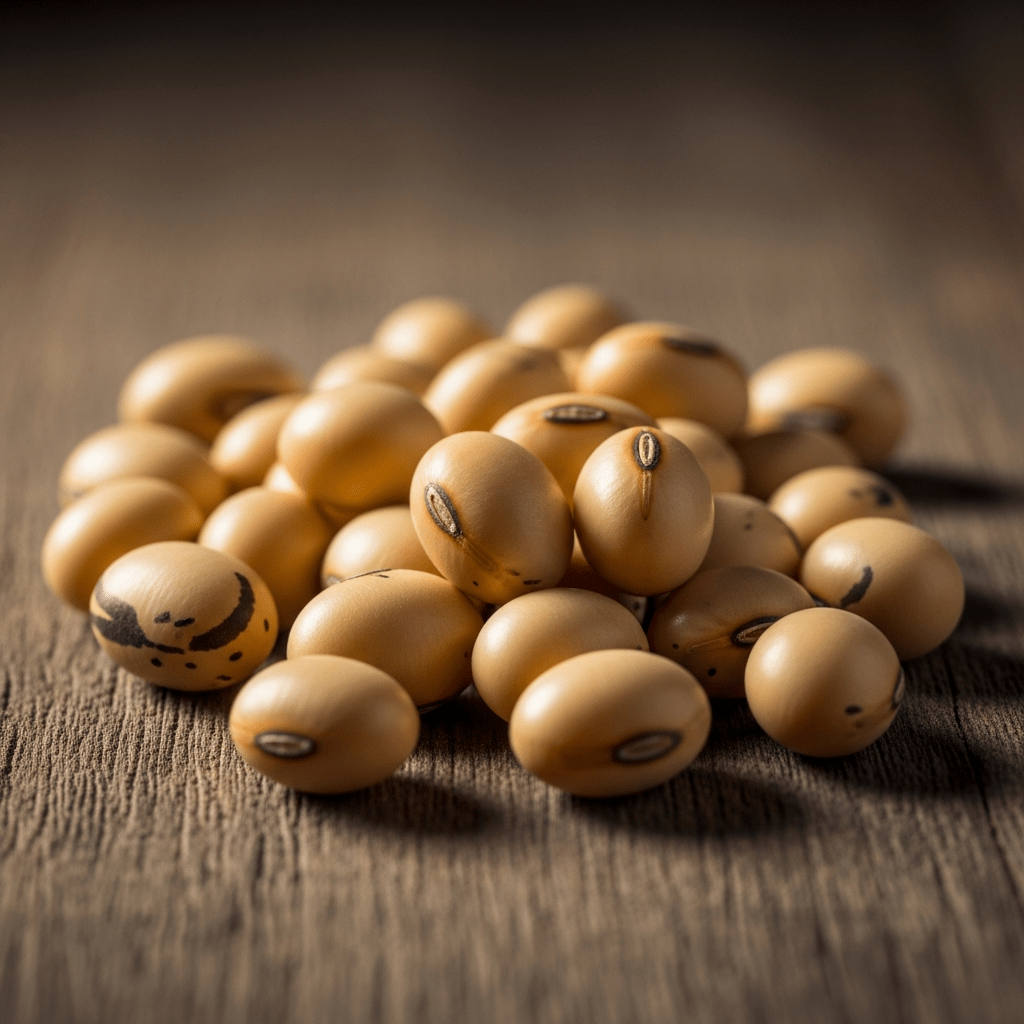
Soybean plants are annual, upright, and herbaceous, ranging from 0.2 to 2 meters in height. Their leaves are trifoliate, with smooth or slightly hairy ovate to lanceolate leaflets. The flowers are small, pale purple or white, and self-pollinating. Pods are hairy, 3–8 cm long, each containing 2–4 seeds. Soybean seeds vary in color—yellow, green, brown, black, or bicolored—and measure 5–15 mm in diameter. Immature green seeds are known as edamame, prized for their tender texture.
Soybeans are cultivated for their seeds, which are processed into oil, meal, and a wide range of foods such as tofu, soy milk, tempeh, miso, natto, and edamame. The oil is a staple for cooking and margarine, while soy meal is a key protein source in animal feed. Beyond food, soybeans are used in industrial applications like biodiesel, plastics, and inks. In agriculture, their nitrogen-fixing roots enrich soil, reducing fertilizer needs and supporting sustainable crop rotations.
Bring this kind into your world illustrated posters, mugs, and shirts.

Archival print, museum-grade paper
Buy Poster
Stoneware mug, dishwasher safe
Buy Mug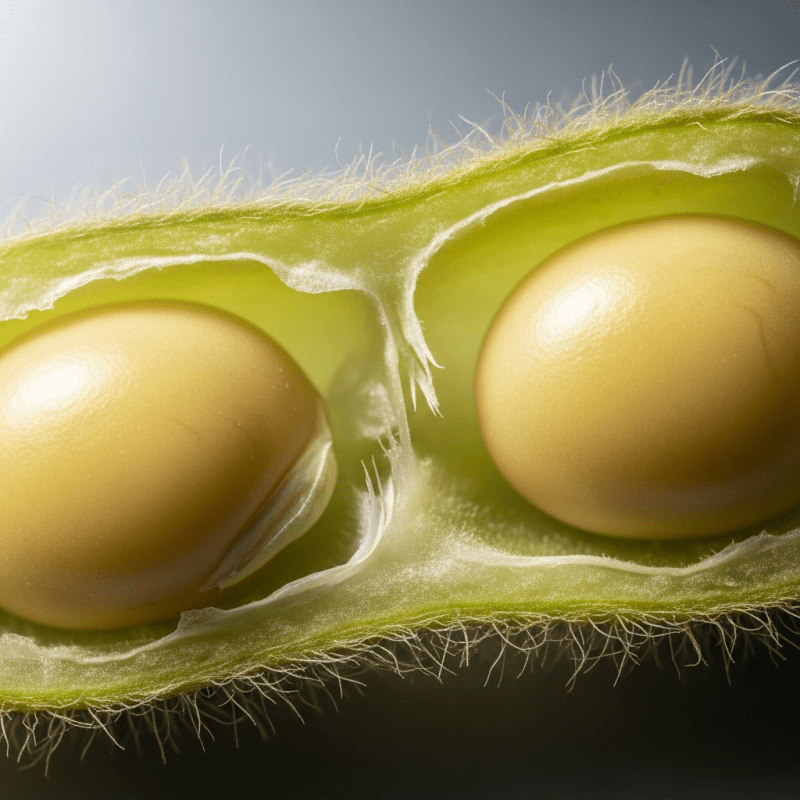
Soft cotton tee, unisex sizes
Buy ShirtSoybean holds deep cultural roots in East Asia, where it features in traditional dishes and rituals. Foods like tofu, miso, and natto are central to Japanese and Chinese cuisine, while edamame is a popular snack. The crop has also become a symbol of agricultural innovation and global trade, influencing food security, dietary habits, and even sustainability movements worldwide. Its versatility has made it a staple in vegetarian and vegan diets, as well as a subject in culinary arts and scientific research.
Soybean’s domestication began in ancient China over 3,000 years ago, evolving from the wild species Glycine soja. Early farmers selected plants with larger seeds and better agronomic traits, gradually spreading the crop throughout East Asia. Modern breeding has produced thousands of cultivars, with institutions in the United States, China, and Brazil leading advancements. Today, soybean is a cornerstone of global agriculture, with a rich history of adaptation and innovation.

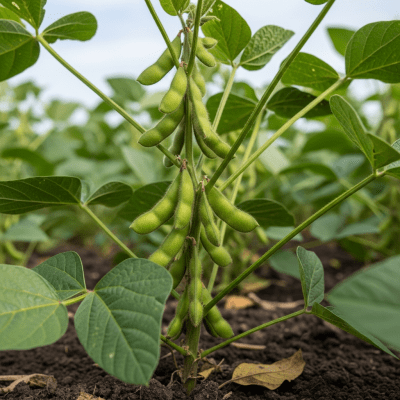

Soybean is an annual plant, completing its lifecycle in one growing season. It grows upright, reaching heights from 0.2 to 2 meters. The lifecycle includes germination, vegetative growth, flowering, pod formation, and seed maturation. Flowering is self-pollinating, and pods mature over several weeks. Maturity duration varies by variety and latitude, defined by maturity groups (MG 000–X), with harvest typically occurring 80–120 days after planting.
Soybeans form a symbiotic relationship with Bradyrhizobium bacteria, enabling them to fix atmospheric nitrogen in root nodules. This natural process reduces the need for synthetic fertilizers and enhances soil fertility, making soybeans valuable in crop rotations. The nitrogen fixed by soybeans benefits subsequent crops, supports sustainable farming, and contributes to lower environmental impact.
Soybeans are celebrated for their versatility and nutritional value. They are processed into products like tofu, soy milk, tempeh, miso, natto, and textured vegetable protein. Edamame—immature green soybeans—is enjoyed as a snack or side dish. Soybean oil is a leading edible oil worldwide, and soy meal is a key ingredient in animal feed. Nutritionally, soybeans are high in protein and oil, and provide fiber, vitamins, and minerals, making them a major source of plant-based nutrition.
Soybean is a cornerstone of global agriculture and trade. The United States, Brazil, Argentina, China, and India are the top producers, with significant exports from the Americas to Asia and Europe. Soybeans are traded under codes such as FAO 236, USDA SOYB, and HS 1201. Their commercial applications span food, feed, oil, and industrial products, making them vital to economies and supply chains worldwide.
Soybeans face challenges from pests and diseases including soybean cyst nematode (Heterodera glycines), Phytophthora root rot, and Asian soybean rust (Phakopsora pachyrhizi). Breeding programs continually develop varieties with improved resistance. Some cultivars also show tolerance to drought and resistance to lodging, supporting reliable yields and adaptability across diverse growing conditions.
Soybean is known by many names worldwide: "soya bean" (UK, India), "soja" (Europe, Asia), "edamame" (Japan, for immature seeds), and "yellow bean" (China). Notable regional cultivars include 'Williams 82' (USA), 'Embrapa 48' (Brazil), and 'Dongnong 50' (China). Scientific synonyms such as Soja hispida Moench are now obsolete but may appear in historical literature. Soybeans are traded internationally under the HS code 1201.