Vetch
Vetch is a group of leguminous plants in the genus Vicia, renowned for their agricultural value as forage crops, green manure, and soil enhancers due to their nitrogen-fixing abilities.
Vetch is a group of leguminous plants in the genus Vicia, renowned for their agricultural value as forage crops, green manure, and soil enhancers due to their nitrogen-fixing abilities.
Vetches originated in the temperate zones of Europe, Asia, and North Africa, with ancient Mediterranean civilizations among the first to domesticate Vicia sativa (common vetch). Over centuries, cultivation spread to North America, Australia, and other regions, adapting to a wide range of climates and soils. The genus now encompasses numerous species, each with its own regional history and agricultural significance.
Vetch belongs to the botanical family Fabaceae (Leguminosae), subfamily Faboideae, and genus Vicia. This places it among the core legumes, alongside beans, peas, and lentils. Within the genus, species such as Vicia sativa (common vetch) and Vicia villosa (hairy vetch) are prominent, each contributing unique traits to agriculture and ecology.
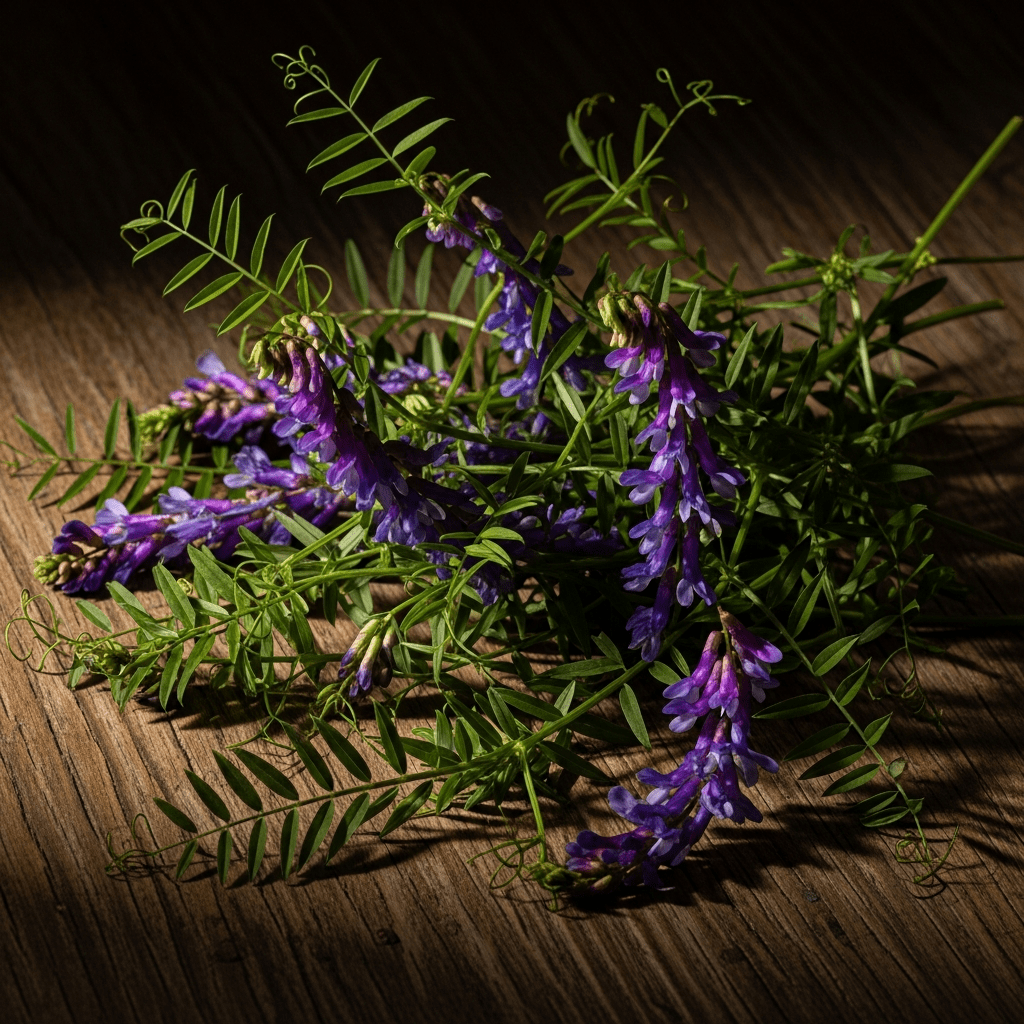
Vetch plants are herbaceous, with slender, climbing or trailing stems that can reach from 30 cm to over 1 meter in height. Their leaves are pinnate and often end in tendrils, allowing the plant to twine and support itself. Flowers are small, pea-like, and range in color from purple and blue to white. Seed pods are elongated, containing several small, round to oval seeds that may be brown, black, or green. The overall impression is one of delicate foliage and vibrant blooms, especially when grown en masse as a cover crop.
Vetch is valued for its versatility in agriculture. It is commonly grown as forage for livestock, green manure for enriching soil, and as a cover crop to prevent erosion and suppress weeds. Its rapid growth and high biomass production make it ideal for crop rotations, improving soil structure and fertility. Vetch also fixes atmospheric nitrogen, reducing the need for synthetic fertilizers and supporting sustainable farming practices. While some species' seeds have been consumed by humans during scarcity, they are typically reserved for animal feed due to natural toxins.
Bring this kind into your world illustrated posters, mugs, and shirts.
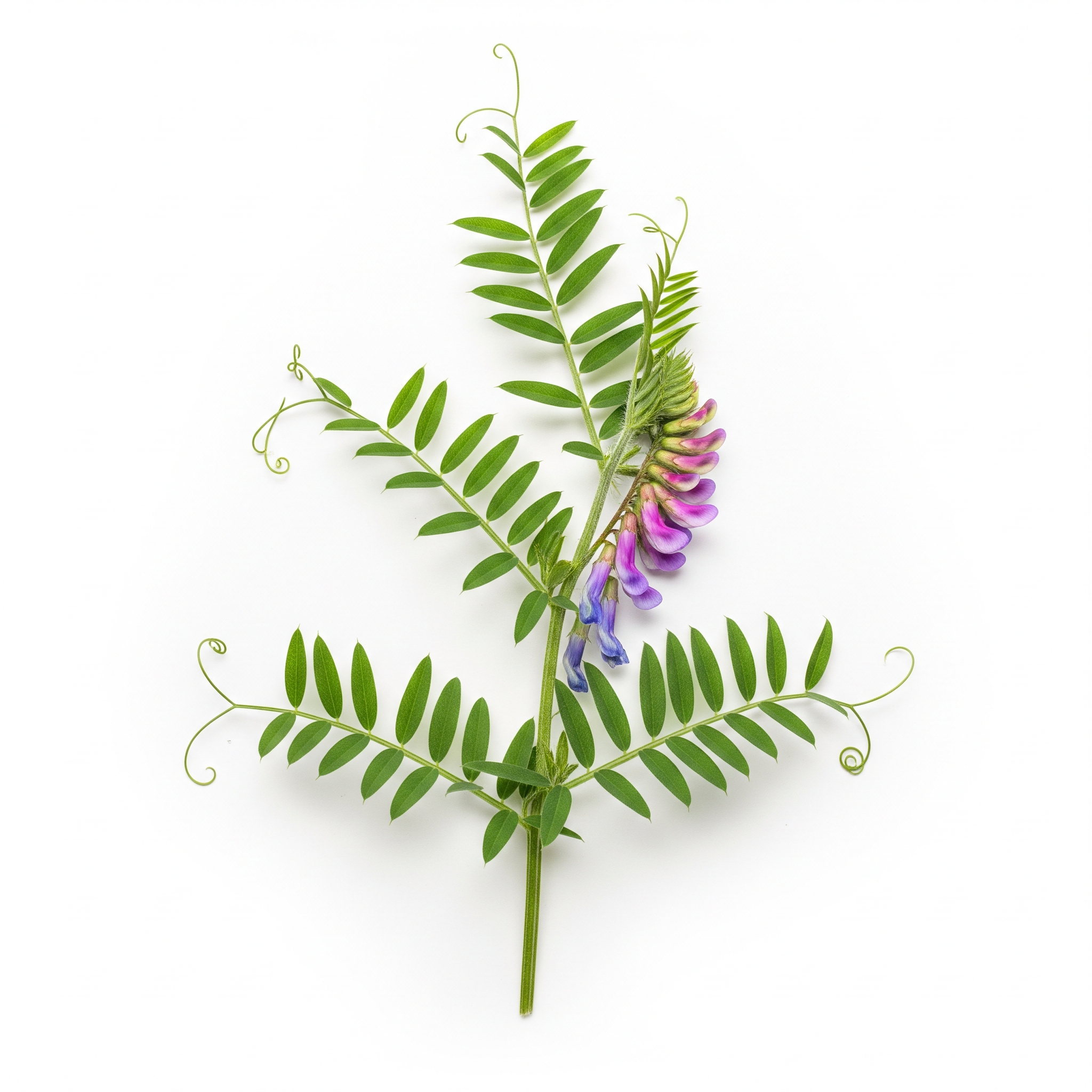
Archival print, museum-grade paper
Buy Poster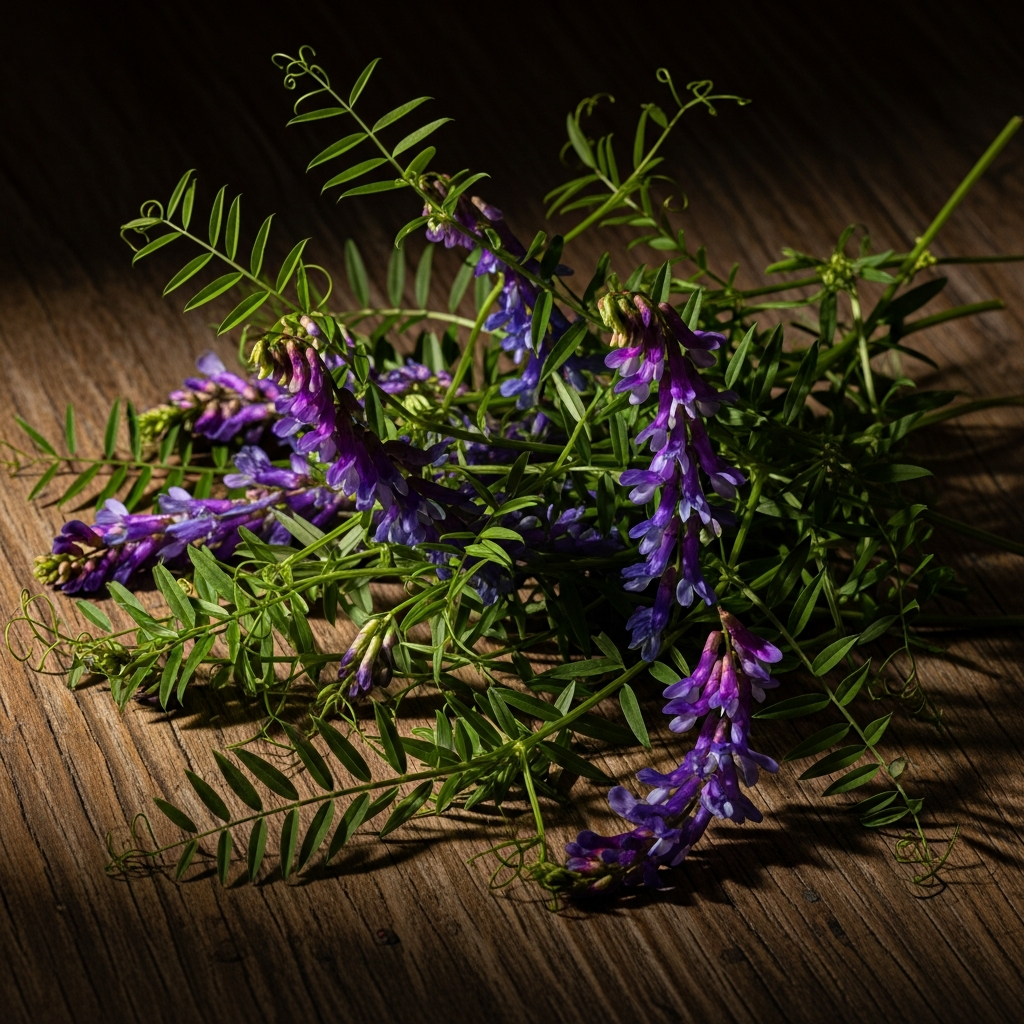
Stoneware mug, dishwasher safe
Buy Mug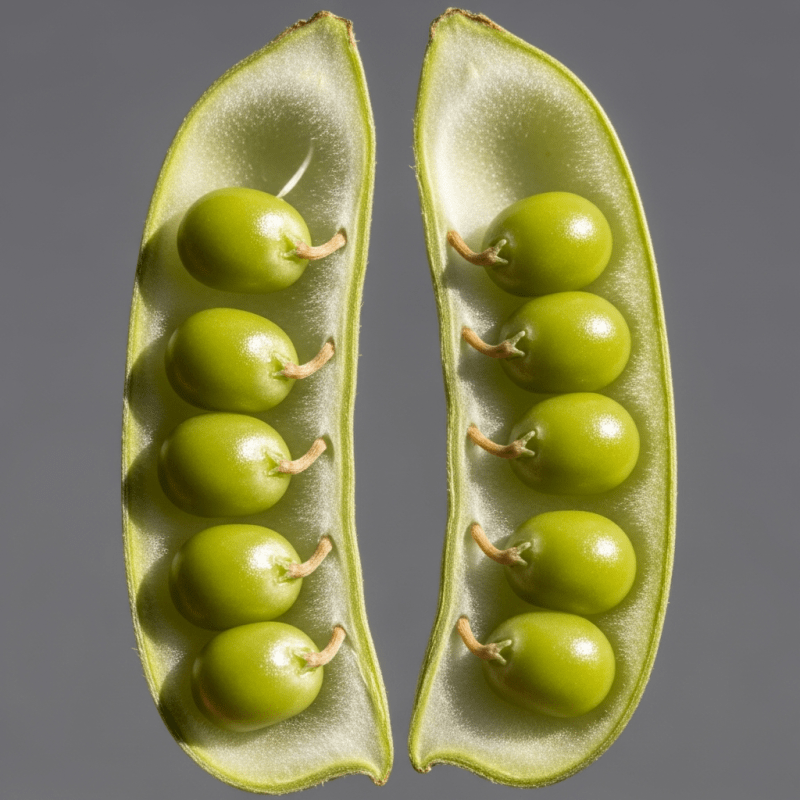
Soft cotton tee, unisex sizes
Buy ShirtThroughout history, vetch has been a symbol of resilience and resourcefulness, especially in rural and agricultural communities. Its role in sustaining livestock and restoring soil has made it a staple in traditional farming systems across Europe, Asia, and beyond. In some regions, vetch is referenced in folklore and local proverbs as a plant of renewal and abundance. While not a major culinary ingredient, its agricultural impact is woven into the fabric of sustainable land stewardship and organic farming movements.
Domestication of vetch, particularly Vicia sativa, traces back to ancient Mediterranean societies where it was cultivated for animal feed and soil improvement. Over time, vetch species spread across Europe, Asia, and North Africa, and were later introduced to the Americas and Australia. Modern breeding programs, especially in the US and Europe, have developed improved cultivars for forage yield, disease resistance, and adaptability, though detailed pedigree records are limited. The genus Vicia now includes dozens of species, each with distinct agricultural roles.
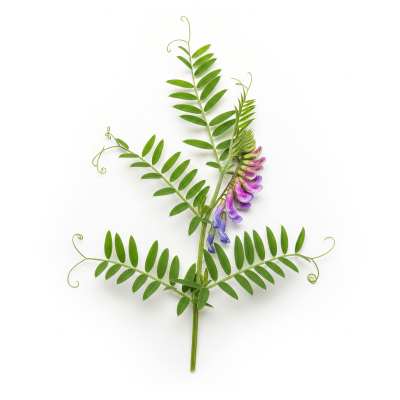
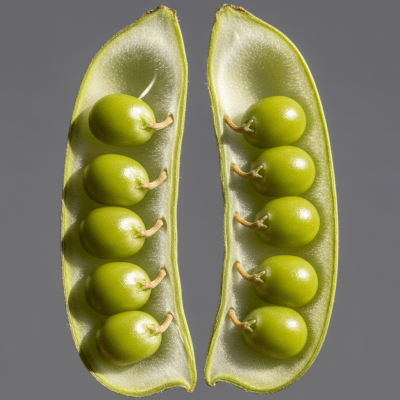
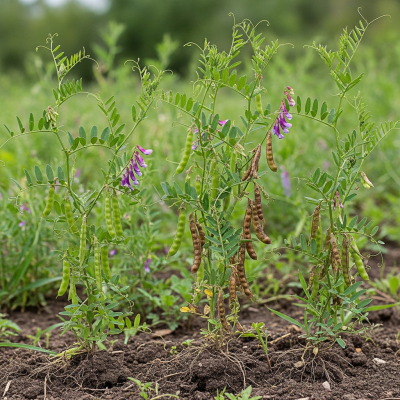
Vetches are annual or perennial herbaceous plants with slender, climbing or trailing stems. Their lifecycle begins with rapid vegetative growth, followed by flowering—producing small, colorful, pea-like blossoms. Seed pods mature to contain several small seeds, and depending on species and climate, plants reach maturity within a single growing season or persist as perennials. Hairy vetch is notable for overwintering in temperate climates, while common vetch completes its lifecycle in spring and summer. Biomass and seed yields vary, with optimal conditions producing substantial forage and seed harvests.
Like other legumes, vetch forms a symbiotic relationship with Rhizobium bacteria in its roots, enabling it to fix atmospheric nitrogen into the soil. This biological process enriches soil fertility, reduces the need for synthetic fertilizers, and supports subsequent crops in rotation. Vetch's rapid growth and dense foliage also contribute organic matter, improving soil structure and water retention. Its use as green manure and cover crop is a cornerstone of organic and regenerative farming systems worldwide.
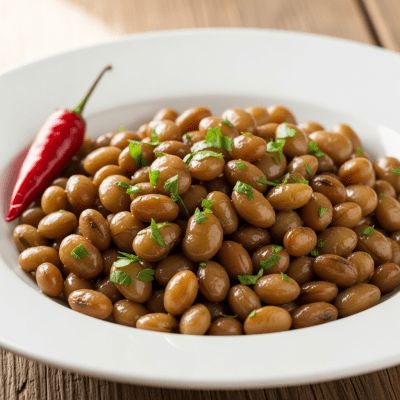
Vetch is primarily cultivated for forage, silage, and green manure rather than direct human consumption. While seeds of some species (Vicia sativa) have been eaten during times of scarcity, they contain antinutritional compounds such as vicine and convicine, which can be toxic if consumed in large quantities. Nutritionally, vetch seeds are high in protein (20–30%), but are best suited for ruminant livestock feed. Human use is rare and generally requires processing to remove toxins.
Vetch is commercially important in sustainable agriculture, especially in Europe, North America, Australia, and parts of Asia. Its primary markets are for forage, cover crop seed, and green manure applications. Trade in vetch seed is regulated in some regions due to toxicity concerns, and it is often included in commercial cover crop mixtures. Major regulatory codes include FAO's "VICSA" for Vicia sativa and USDA's "VISA" symbol for common vetch. Its role in organic and regenerative farming continues to drive demand globally.
Vetch is susceptible to several fungal diseases, including Ascochyta blight and powdery mildew, as well as pests such as aphids and weevils. Ongoing breeding efforts aim to improve disease and pest resistance, with some cultivars showing enhanced tolerance. Hairy vetch is particularly noted for its resilience in cold climates, but all vetches benefit from crop rotation and integrated pest management to minimize losses and maintain healthy stands.
Vetch is known by a variety of regional names and encompasses several notable species. Vicia sativa is called "common vetch," "spring vetch," or "field vetch" in English; "veza" in Spanish; "vesce" in French; and "Wicke" in German. Vicia villosa is "hairy vetch" or "winter vetch." Other species include "purple vetch" (Vicia benghalensis) and "ervil" (Vicia ervilia). Cultivation is widespread in Europe, North America, Australia, and Asia, with each region favoring varieties adapted to local climates and agricultural systems.