Senna
Senna is a diverse genus of flowering plants in the legume family, best known for its ornamental appeal and medicinal uses, especially as a natural laxative.
Senna is a diverse genus of flowering plants in the legume family, best known for its ornamental appeal and medicinal uses, especially as a natural laxative.
The Senna genus originated in tropical and subtropical regions across the Americas, Africa, Asia, and Australia, with centers of diversity in South America and Africa. First described by Philip Miller in 1754, Senna’s taxonomic boundaries have shifted over time, with many species historically grouped under Cassia. Ancient civilizations, notably in Egypt, recognized the medicinal value of Senna species, and its use has persisted through centuries in traditional medicine systems worldwide.
Senna belongs to the Fabaceae (Leguminosae) family, one of the largest and most ecologically significant plant families. Within Fabaceae, Senna is classified as a distinct genus comprising over 260 species. The genus was previously included in Cassia, but modern phylogenetic studies have clarified its separation. Senna is part of a broader group of legumes, which are defined by their podded fruits and ability to fix atmospheric nitrogen.
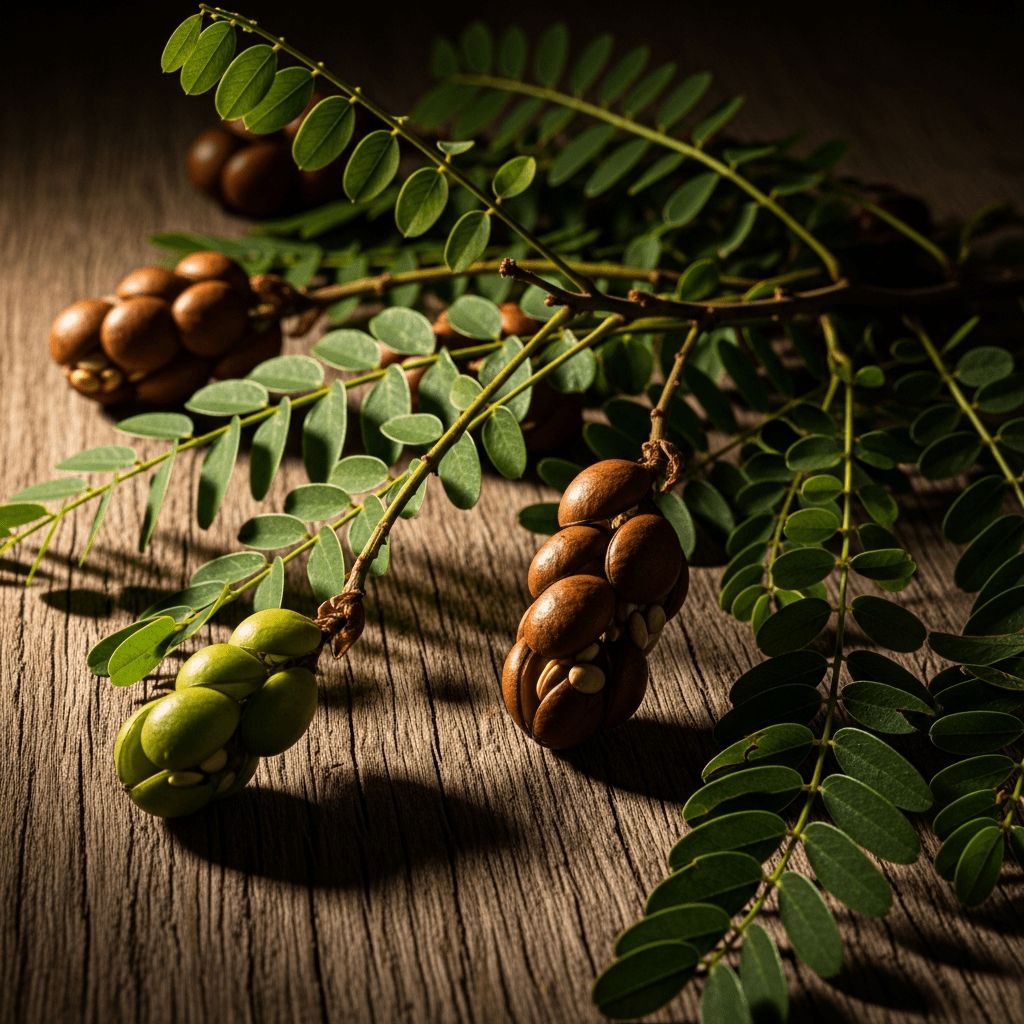
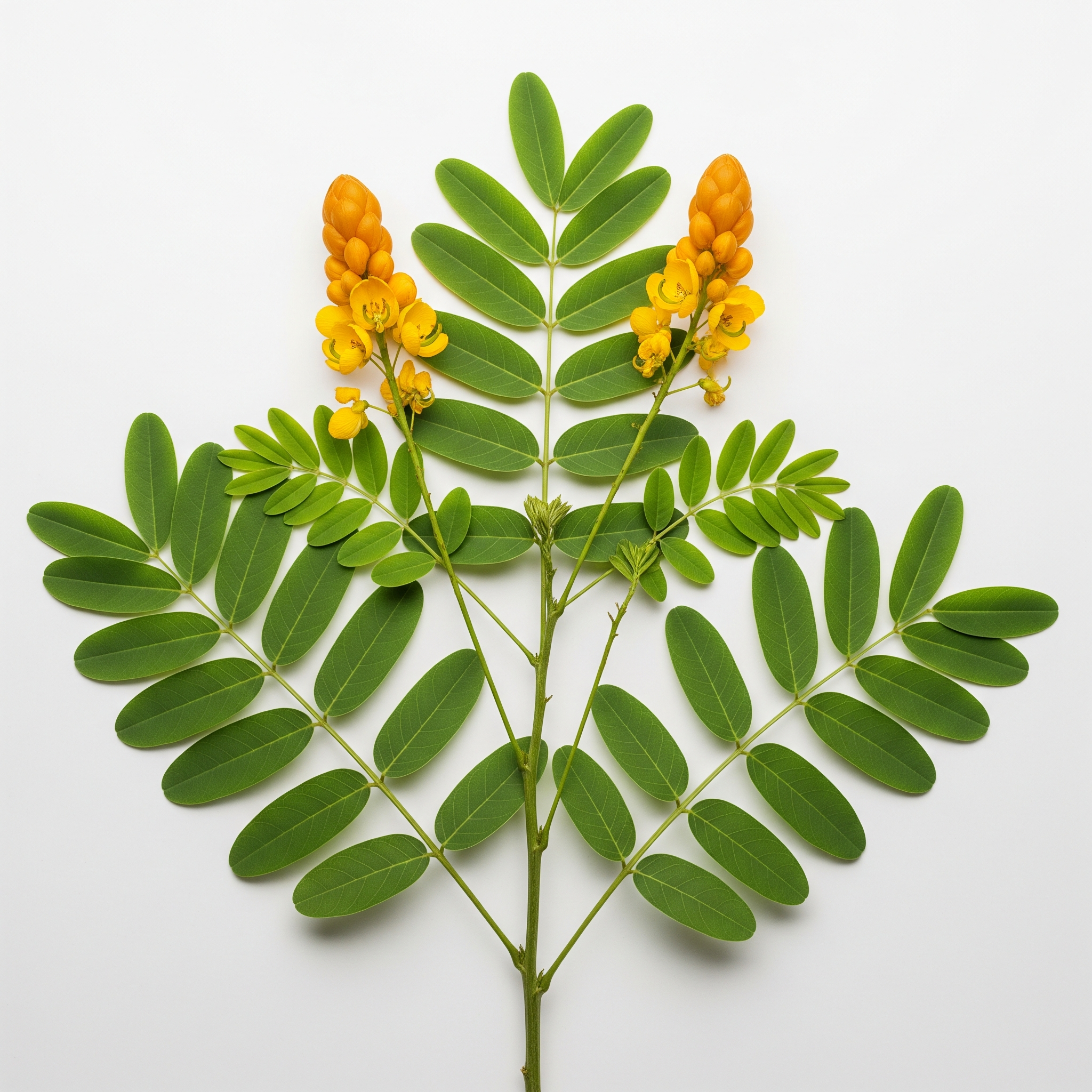
Senna plants typically grow as shrubs or small trees, ranging from 0.5 to 6 meters in height. Their leaves are pinnate, featuring multiple slender leaflets that create a feathery texture. The flowers are most often bright yellow, though some species display white or pink blossoms, arranged in terminal or axillary clusters. The fruit is a slender, dehiscent pod, measuring 2 to 15 centimeters, which splits open to release several seeds. Morphological traits can vary widely among species, adapting to both arid and lush tropical environments.
Senna’s primary utility lies in its medicinal properties: the dried leaves and pods of certain species, especially Senna alexandrina, are processed into herbal laxatives. These products are approved in major pharmacopeias and used in traditional medicine systems such as Ayurveda, Unani, and Traditional Chinese Medicine. Ornamental species are cultivated for their vibrant flowers and attractive foliage in gardens and landscaping. Ecologically, Senna contributes to soil improvement and erosion control, thanks to its tolerance for poor soils and ability to fix nitrogen. However, most species are not used for food or forage due to mild toxicity.
Bring this kind into your world illustrated posters, mugs, and shirts.
Archival print, museum-grade paper
Buy Poster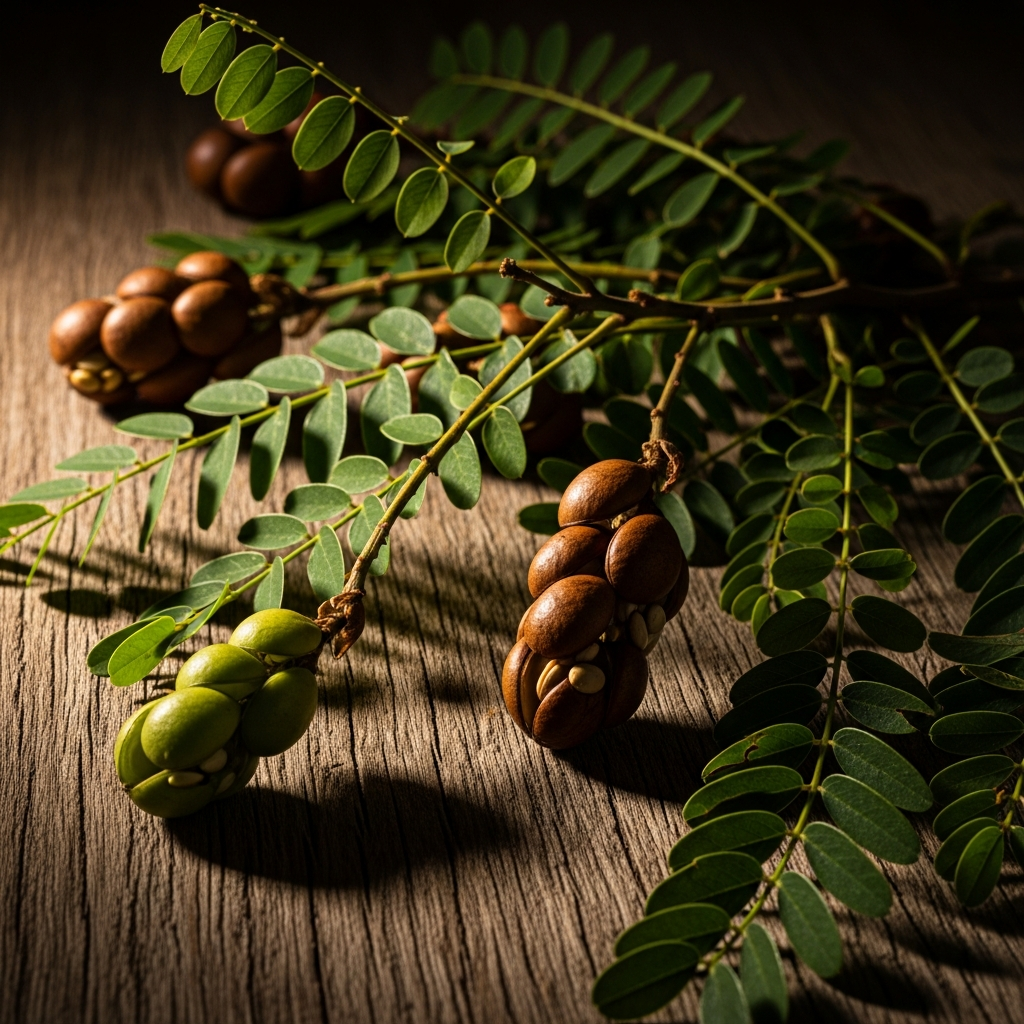
Stoneware mug, dishwasher safe
Buy Mug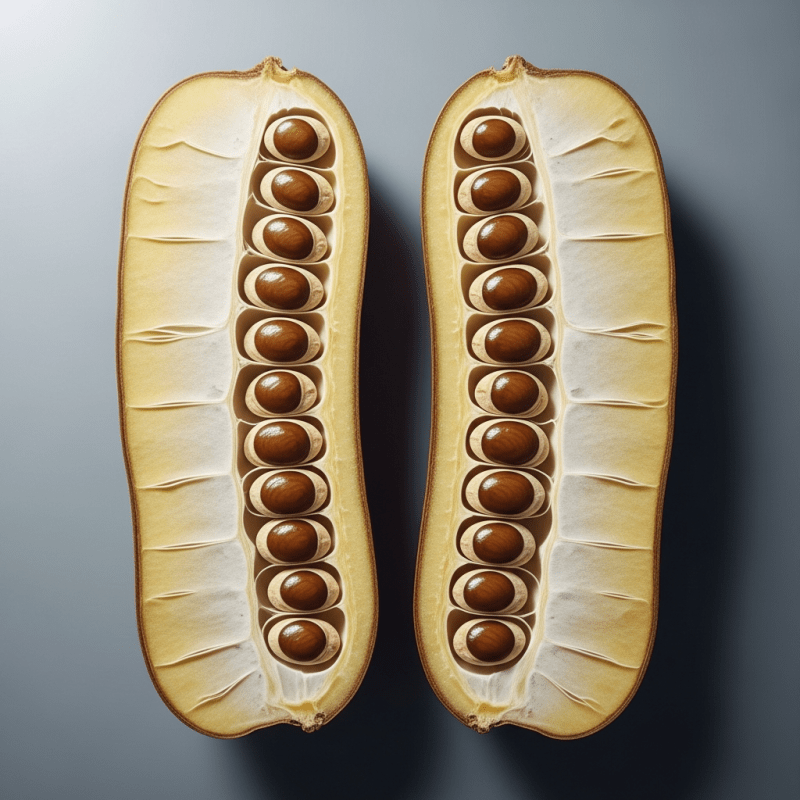
Soft cotton tee, unisex sizes
Buy ShirtSenna has held a prominent place in medicinal traditions across cultures, with documented use in ancient Egypt and enduring roles in Ayurveda, Unani, and Traditional Chinese Medicine. Its purgative properties have made it a staple in herbal remedies and pharmacopeias worldwide. Ornamental Senna species, such as the candle bush (Senna alata), are celebrated for their striking appearance in gardens. The plant’s name and uses are woven into regional languages and folklore, reflecting its global reach and historical importance.
Senna’s domestication is less formalized than food legumes; most species remain wild or semi-wild, with regional selection for ornamental or medicinal traits. The genus was first scientifically described in the 18th century, but its medicinal use, especially Senna alexandrina, dates back to ancient Egypt. Over time, molecular studies have separated Senna from Cassia, clarifying its taxonomy. While some varieties have been cultivated for specific uses, detailed breeding histories and pedigrees are generally unavailable.
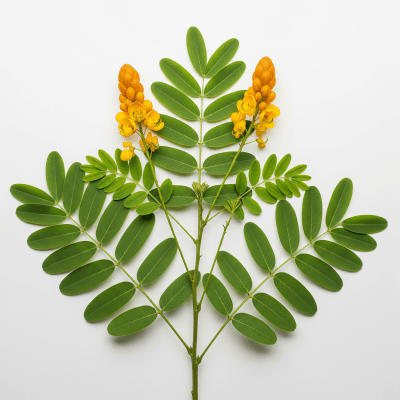
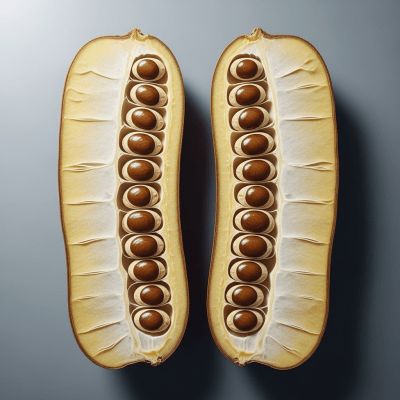
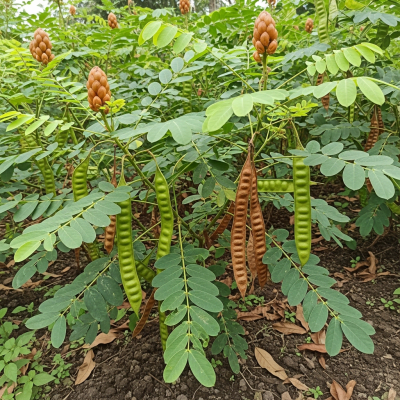
Senna species typically grow as fast-growing shrubs or small trees, reaching heights from half a meter to six meters. Their lifecycle varies by species and environment, but most produce flowers and pods within a single growing season. Leaves are pinnate, and flowers emerge in clusters, followed by dehiscent pods containing seeds. Senna is adaptable, thriving in both arid and moist tropical habitats, and is often used for rapid land cover and soil stabilization.
As members of the legume family, many Senna species form symbiotic relationships with root bacteria, enabling them to fix atmospheric nitrogen. This process enriches the soil, reducing the need for synthetic fertilizers and aiding in land restoration. Senna’s tolerance for poor soils and rapid growth make it valuable for erosion control and improving soil structure, though not all species are equally effective at nitrogen fixation.
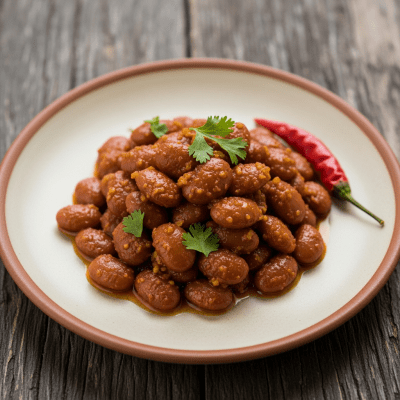
Senna is not commonly consumed as a food crop; most species are considered inedible or mildly toxic due to the presence of anthraquinone glycosides. Its primary value is medicinal, with dried leaves and pods processed into herbal laxatives. There are no notable dishes or culinary traditions associated with Senna, and its nutritional profile is not a focus due to its toxicity. Instead, it is widely recognized in pharmacopeias and traditional medicine for its purgative effects.
Senna’s commercial importance centers on the medicinal market. Dried leaves and pods of Senna alexandrina are exported globally and processed into herbal laxatives, with regulatory approval in many countries. Major producing regions include Egypt, Sudan, India (especially Tamil Nadu), and parts of Africa and Latin America. Ornamental species are traded for horticultural use, but there is no significant market for oilseed or forage products. The FAO commodity code for senna leaves is 0759, and official pharmacopeia monographs exist for Senna leaf and pod.
Senna species are generally resilient, displaying fast growth and tolerance to poor soils and drought. They are resistant to many common pests, which contributes to their popularity in landscaping and land restoration. However, some species can be susceptible to fungal leaf spots and root rot, especially in humid conditions. Proper cultivation and storage help mitigate these risks and preserve the quality of harvested medicinal material.
Senna’s taxonomy is complex, with many species formerly classified under Cassia, leading to a rich array of synonyms and regional names. Notable synonyms include Cassia angustifolia, Cassia acutifolia, Cassia alata, and Cassia obtusifolia. Vernacular names vary by region: "senna" (English), "séné" (French), "sana" (Arabic), "fan xie ye" (Chinese), "sonamukhi" (Hindi), and "candelabra bush" for Senna alata. Trade names for medicinal products include "Senna leaf," "Alexandrian senna," and "Tinnevelly senna." Cultivation is most prominent in Egypt, Sudan, India, and parts of Africa and Latin America, with use in traditional medicine systems worldwide.