Sword Bean
Sword bean (Canavalia gladiata) is a vigorous climbing legume prized for its large, sword-shaped pods and its versatility as a food, forage, and soil-enriching crop in tropical and subtropical regions.
Sword bean (Canavalia gladiata) is a vigorous climbing legume prized for its large, sword-shaped pods and its versatility as a food, forage, and soil-enriching crop in tropical and subtropical regions.
Believed to have originated in tropical Asia—particularly India, China, and Southeast Asia—sword bean has a long history of cultivation for its edible pods and seeds. While its precise wild ancestor remains uncertain, it is closely related to the jack bean (Canavalia ensiformis). The species was domesticated primarily for its robust growth and nutritional value, later spreading to Africa, the Americas, and Oceania as a multipurpose legume. Its adaptability to diverse climates and soils has made it a staple in subsistence and smallholder agriculture across several continents.
Sword bean belongs to the botanical family Fabaceae (Leguminosae), within the subfamily Faboideae and the genus Canavalia. Its accepted scientific name is Canavalia gladiata. The Fabaceae family includes all legumes, characterized by their podded fruit and ability to fix atmospheric nitrogen. Sword bean is sometimes confused with its close relative, jack bean (Canavalia ensiformis), but is distinguished by its larger pods and seeds.
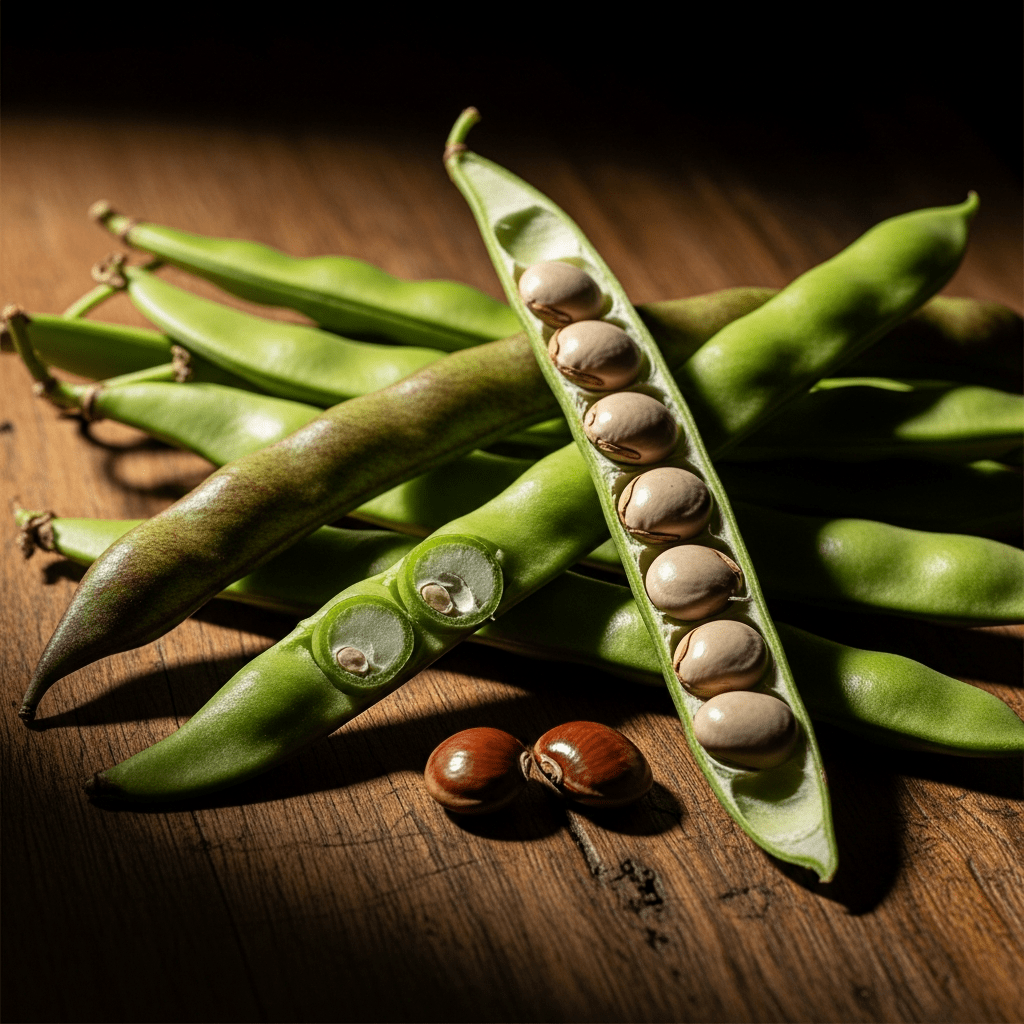
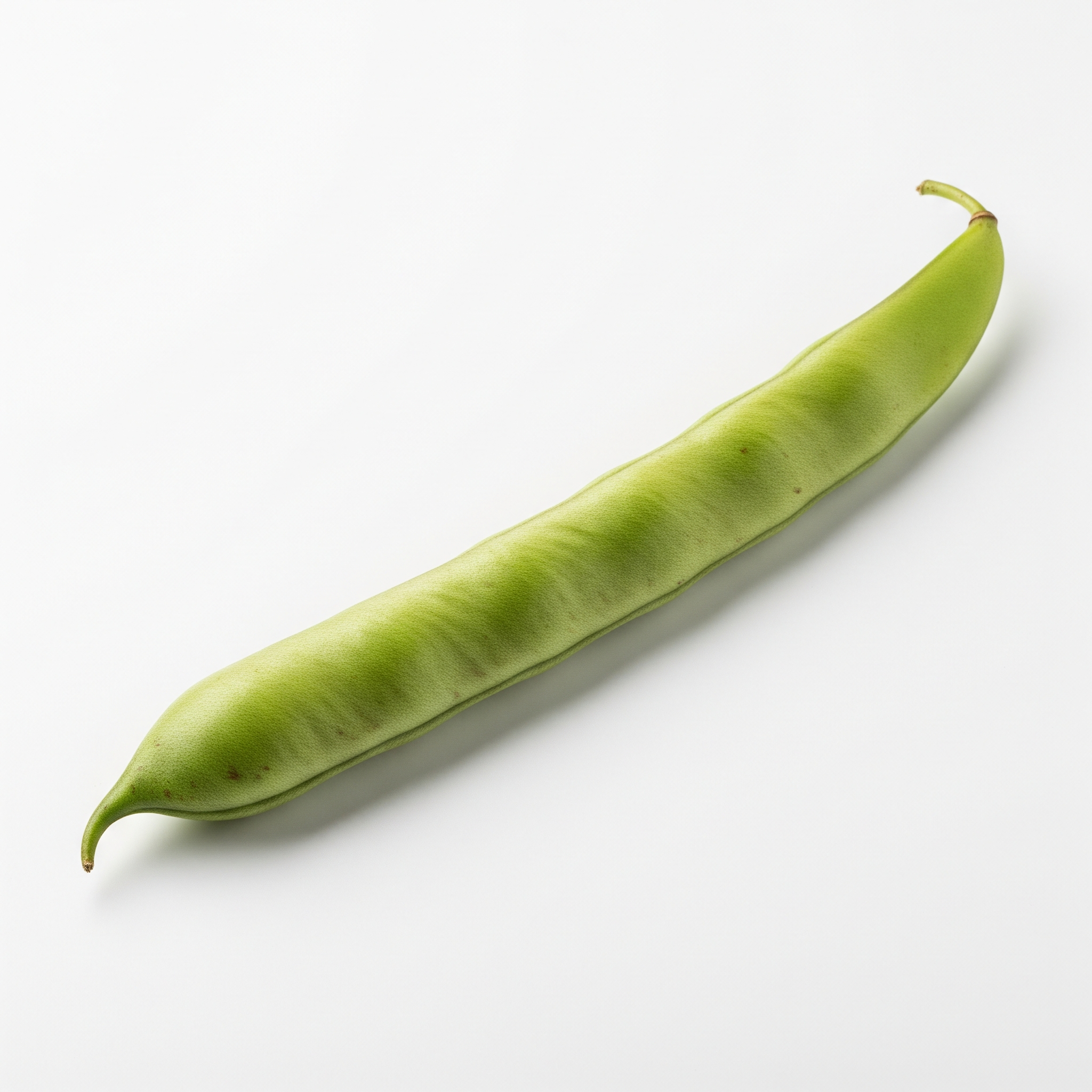
Sword bean is a robust, climbing vine that can reach 2–6 meters in length. Its thick stems support trifoliate leaves and striking, flat, sword-shaped pods that grow up to 35 cm long. Each pod contains 8–16 oval to oblong seeds, which range in color from white and cream to reddish-brown. The plant’s vigorous growth and dense foliage make it visually prominent in the field, while its large pods are easily recognizable among legumes.
Sword bean serves multiple roles in agriculture and cuisine. Immature pods are harvested and cooked as a vegetable in stir-fries, curries, and soups, especially in South and East Asia. Mature seeds, after thorough boiling or roasting to neutralize anti-nutritional compounds, are used in stews, ground into flour, or fermented—most notably in Japanese natto and herbal teas. Beyond food, sword bean is cultivated as green manure, cover crop, and animal fodder, contributing to soil fertility and erosion control thanks to its nitrogen-fixing roots and vigorous growth.
Bring this kind into your world illustrated posters, mugs, and shirts.
Archival print, museum-grade paper
Buy Poster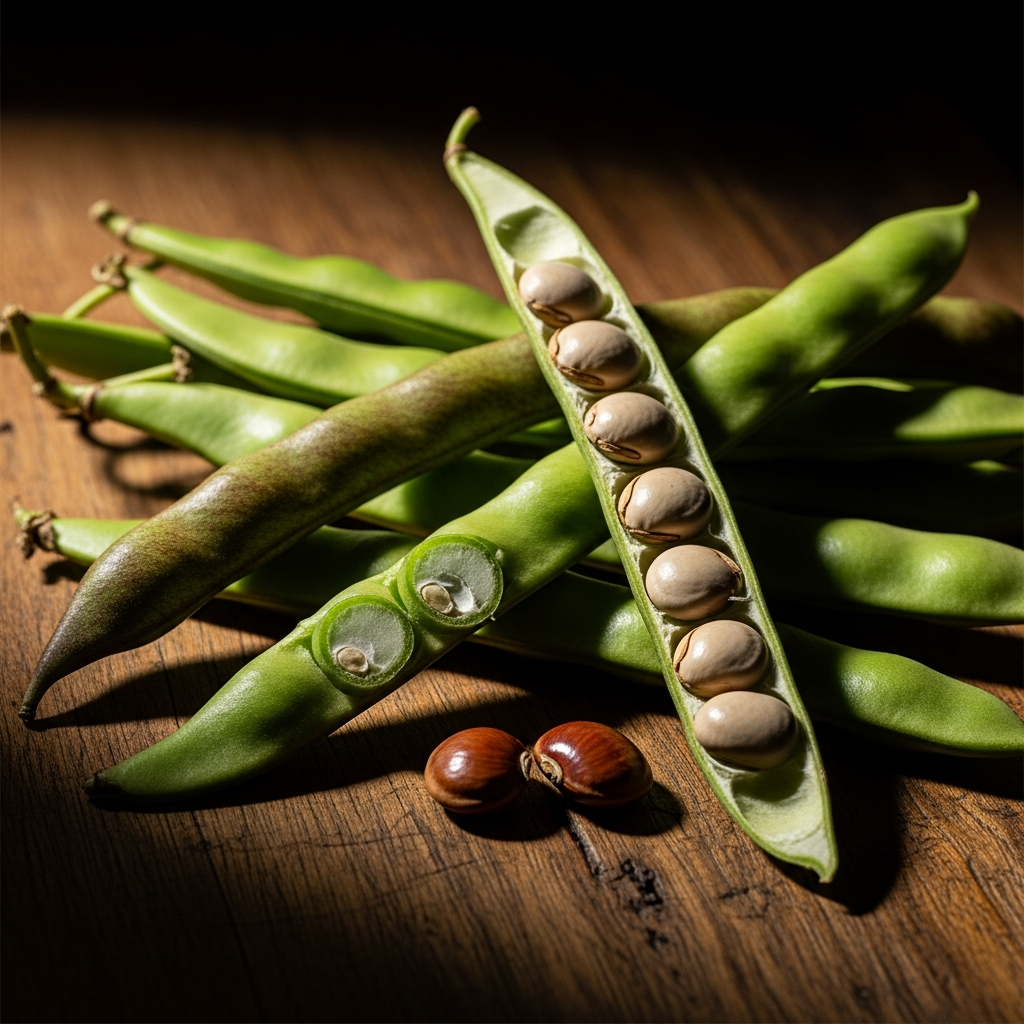
Stoneware mug, dishwasher safe
Buy Mug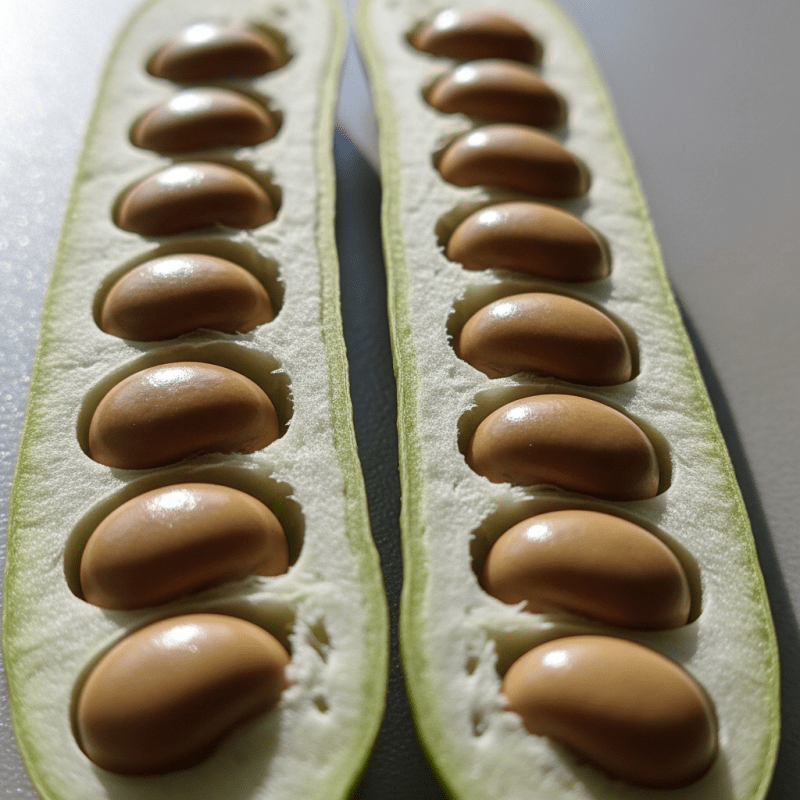
Soft cotton tee, unisex sizes
Buy ShirtWhile not a major commercial crop globally, sword bean holds local cultural importance in regions where it is grown. In Japan, the seeds are used to make natto—a traditional fermented bean dish—and herbal teas. In South and East Asia, the pods and seeds feature in everyday home cooking. Its role as a green manure and cover crop also ties sword bean to sustainable and organic farming traditions, underscoring its value in ecological agriculture and food security for smallholder communities.
Sword bean was domesticated in tropical Asia, with cultivation records dating back centuries in India, China, and Southeast Asia. The species was selected for its large edible pods and seeds, though the exact timeline and wild progenitor remain uncertain. Its close relationship to jack bean suggests a shared evolutionary lineage. Over time, sword bean spread to Africa, the Americas, and Oceania, primarily as a multipurpose crop for food, forage, and soil improvement. Today, local landraces dominate, with no widely recognized registered cultivars.
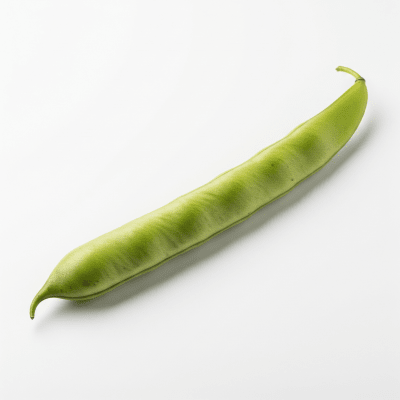
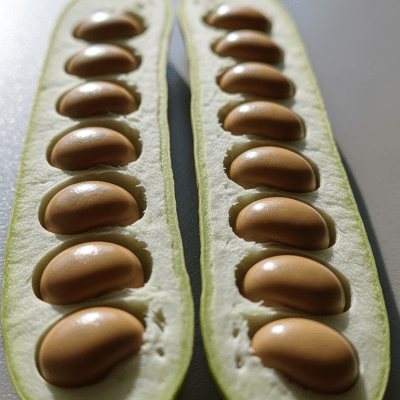
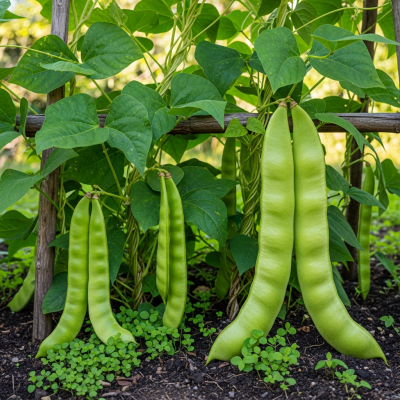

Sword bean is a climbing vine, grown as either a perennial or annual depending on climate and cultivation practices. In managed agriculture, it is typically grown as an annual. The plant develops thick stems, trifoliate leaves, and produces large, flat pods containing multiple seeds. Its vigorous growth enables it to cover ground quickly, suppressing weeds and protecting soil from erosion. Pod yields can reach 10–20 tons per hectare (fresh weight), with seed yields of 1–2 tons per hectare under optimal conditions.
Like other legumes, sword bean forms a symbiotic relationship with soil bacteria, enabling it to fix atmospheric nitrogen. This process enriches the soil, reducing the need for synthetic fertilizers and supporting sustainable crop rotations. When used as green manure or a cover crop, sword bean improves soil fertility, structure, and moisture retention, making it a valuable component in organic and regenerative farming systems.
Sword bean is enjoyed in various culinary forms. Immature pods are cooked as a vegetable in stir-fries, curries, and soups across South and East Asia. Mature seeds, after thorough boiling or roasting, are used in stews, ground into flour, or fermented—most notably in Japanese natto and herbal teas. Nutritionally, sword bean seeds provide protein (canavalin) and fiber, though they contain anti-nutritional factors that are neutralized by cooking. The plant’s versatility extends to livestock feed and sustainable farming practices.
Sword bean is locally significant in Asia and Africa, where it is sold in regional markets and grown by smallholders for food and forage. However, it is not a major commercial pulse in global trade, and international market presence is minimal. Regulatory bodies such as FAO and USDA do not assign specific trade codes to sword bean, often grouping it under "other pulses" or "forage legumes." Its commercial importance lies primarily in local food systems and sustainable agriculture.
Sword bean is naturally resistant to many common pests and diseases, contributing to its reliability in marginal growing conditions. However, it can be susceptible to bean fly, aphids, and fungal pathogens, particularly in humid environments. Its robust growth and tolerance to drought and poor soils make it a resilient choice for farmers seeking low-input crops, though vigilance is required in wetter climates to manage potential infestations.
Sword bean is known by a variety of names across regions and languages. Scientific synonyms include Canavalia gladiata (Jacq.) DC. and Canavalia grandiflora. Common English names are sword bean, scimitar bean, and sword-shaped bean. In Hindi, it is called Chikudukaya or Kachang parang; in Japanese, Tonasogan and Natto-mame (when used for natto); in Chinese, Dao-dou (刀豆). There are no officially registered cultivars; local landraces predominate. Sword bean is sometimes confused with jack bean (Canavalia ensiformis), but is distinguished by its larger pods and seeds.