Jack Bean
The jack bean (Canavalia ensiformis) is a robust tropical legume prized for its adaptability, nitrogen-fixing ability, and multi-purpose roles in agriculture, forage, and food.
The jack bean (Canavalia ensiformis) is a robust tropical legume prized for its adaptability, nitrogen-fixing ability, and multi-purpose roles in agriculture, forage, and food.
Native to Central and South America, especially the Caribbean basin and tropical regions, the jack bean has been cultivated since pre-Columbian times. Its domestication traces back to indigenous farming systems, with most cultivated forms arising from local landraces rather than formal breeding programs. While the exact timeline and original domestication site remain uncertain, its spread throughout tropical America highlights its early value as a resilient crop.
Jack bean belongs to the botanical family Fabaceae (Leguminosae), subfamily Faboideae, genus Canavalia, species ensiformis. Within the vast legume family, it stands out for its large seeds and sword-shaped pods, and is sometimes confused with the closely related sword bean (Canavalia gladiata). Like all legumes, jack bean is defined by its podded fruit and its symbiotic relationship with nitrogen-fixing root bacteria.
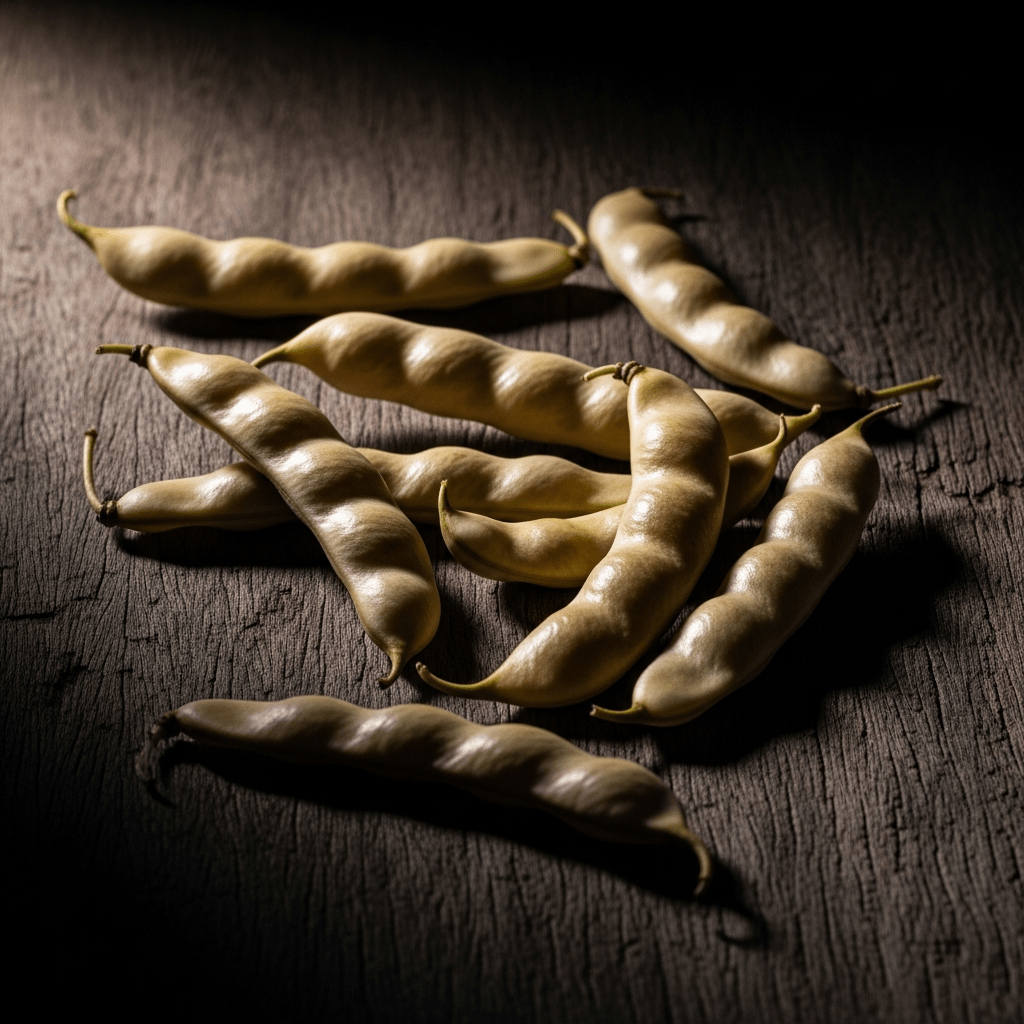
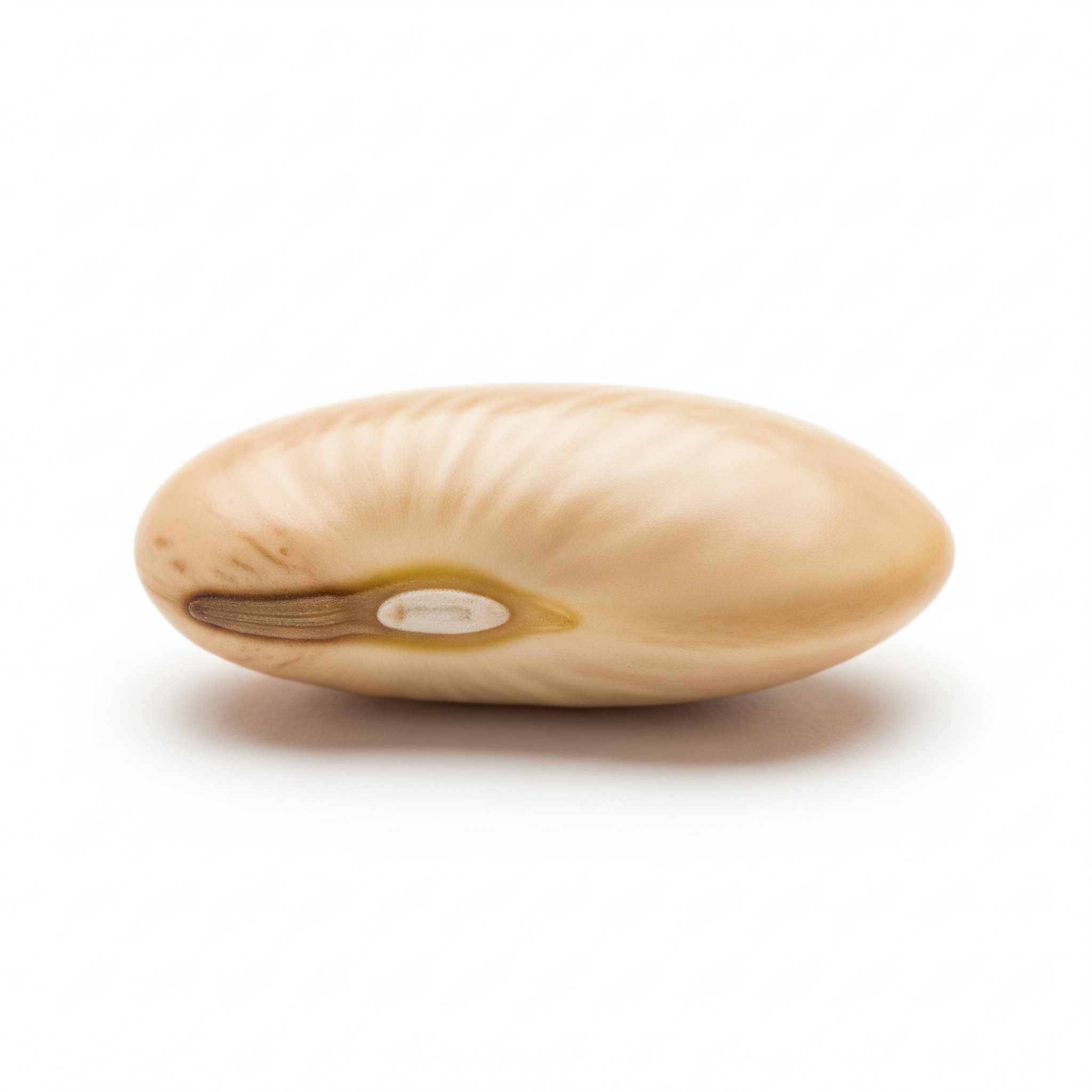
Jack bean is an annual or short-lived perennial herb that typically reaches 1–2 meters in height. Its trifoliate leaves are broad and elliptic, offering lush ground cover. The plant produces striking pale pink to purplish flowers in racemes, followed by robust, straight or slightly curved pods measuring up to 36 cm long. Each pod houses 10–20 large, oblong to kidney-shaped seeds, ranging in color from white to pale brown and weighing up to 2 grams each. The overall impression is one of vigorous, leafy growth and substantial, sword-like pods.
Jack bean is exceptionally versatile. Agriculturally, it serves as a green manure, rapidly enriching soils with organic matter and nitrogen. Its dense foliage suppresses weeds and protects soil from erosion. As forage, it provides high-protein feed for livestock, though raw seeds are toxic and must be processed before consumption. In human diets, seeds and young pods are eaten in some cultures after thorough cooking to neutralize natural toxins. The species is also valued in ecological restoration and research, notably as a source of the lectin concanavalin A.
Bring this kind into your world illustrated posters, mugs, and shirts.
Archival print, museum-grade paper
Buy Poster
Stoneware mug, dishwasher safe
Buy Mug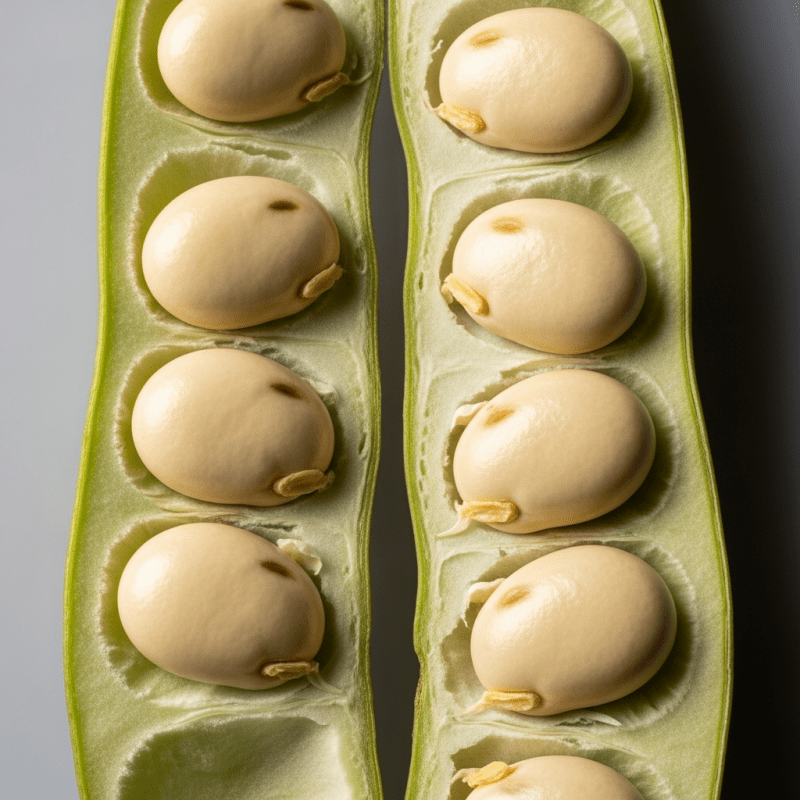
Soft cotton tee, unisex sizes
Buy ShirtWhile not as prominent in global cuisine as other legumes, jack bean holds regional importance. In Brazil, it is integral to agroecological systems and sustainable farming, often featured in green manure practices. Its role in soil improvement and weed suppression has made it a symbol of ecological stewardship in tropical agriculture. In India and Southeast Asia, jack bean is recognized as a minor pulse and forage crop, reflecting its adaptability and local value. Its presence in agricultural folklore and sustainable farming circles underscores its quiet but vital cultural impact.
Jack bean has a long history of cultivation in tropical America, dating back to pre-Columbian times. Unlike many major crops, its domestication was gradual, shaped by indigenous farmers selecting for resilience and utility. Most cultivated jack beans are landraces, adapted to local conditions rather than bred as formal cultivars. Its spread across tropical regions reflects its value as a hardy, multi-purpose plant, though precise details of its wild progenitor and domestication events remain undocumented.
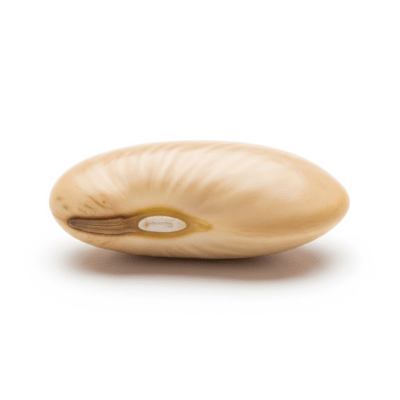
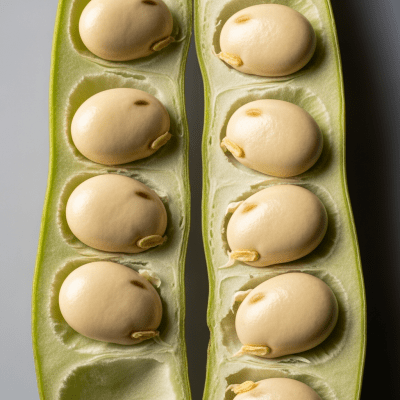
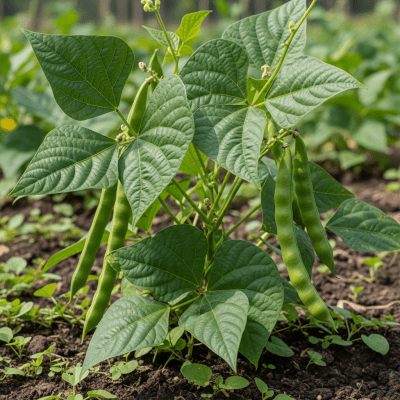
This species grows as an annual or short-lived perennial, reaching 1–2 meters tall. It features vigorous vegetative growth, trifoliate leaves, and dense ground cover. Flowering produces pale pink to purplish racemes, followed by large pods containing numerous seeds. Jack bean matures rapidly, with biomass accumulation suitable for forage or green manure in a single season. Its lifecycle is marked by adaptability to diverse soils and climates, with robust growth even under challenging conditions.
Like all true legumes, jack bean forms symbiotic relationships with root bacteria, enabling it to fix atmospheric nitrogen. This process enriches soil fertility, reducing the need for synthetic fertilizers and supporting sustainable agriculture. When grown as green manure or cover crop, jack bean not only adds nitrogen but also improves soil structure, suppresses weeds, and helps retain moisture. Its rapid biomass production makes it especially effective for restoring degraded soils and supporting crop rotations in tropical systems.
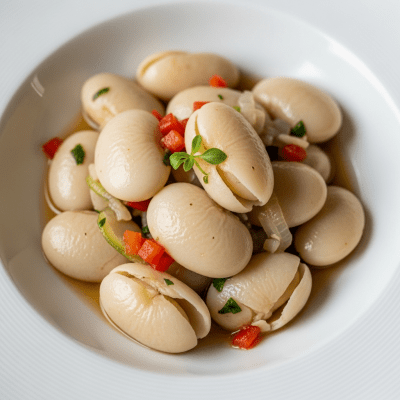
Jack bean seeds are consumed in some cultures, but only after extensive boiling or roasting to neutralize toxic compounds such as canavanine and concanavalin A. Young pods and immature seeds can be used as vegetables, offering a mild flavor and substantial nutrition. The seeds are high in protein, making them a potential food source, though their use as a staple is limited due to toxicity concerns. In livestock feeding, jack bean is valued for its protein-rich forage, provided raw seeds are avoided.
Commercial cultivation of jack bean is limited, with most production occurring in smallholder and subsistence farming systems across tropical regions. There is minor international trade in seeds, primarily for research purposes and as a source of concanavalin A for biochemical applications. Ornamental use is also noted, but jack bean remains a niche crop in global markets, valued more for its ecological benefits than for large-scale commodity trade.
Jack bean is naturally resistant to many pests and diseases, including nematodes and several fungal pathogens. This resilience makes it a reliable choice for low-input farming. However, seeds are susceptible to infestation by bruchid beetles (Callosobruchus spp.) during storage, necessitating protective measures. Its overall pest resistance, combined with allelopathic weed suppression, contributes to its popularity in sustainable and organic agricultural systems.
Jack bean is known by numerous names worldwide: jack bean (English), sword bean, feijão-de-porco (Portuguese, Brazil), frijol espada (Spanish), pois sabre (French), Kacang parang (Malay/Indonesian), and occasionally horse bean (though this may refer to other species in some regions). In Brazil, it is a cornerstone of green manure systems; in India and Southeast Asia, it is grown as a minor pulse and forage crop. Scientific synonyms include Canavalia ensiformis (accepted name) and Canavalia gladiata (sometimes confused, but distinct).