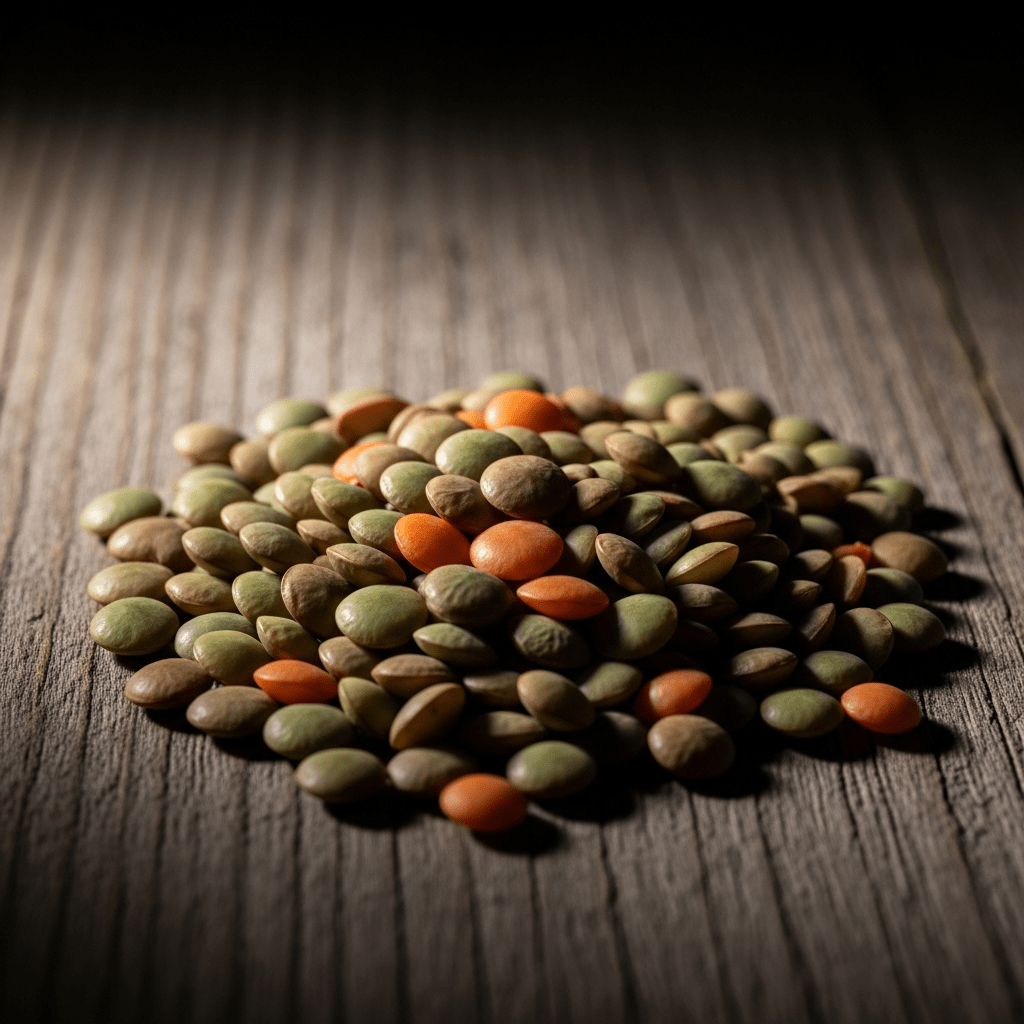
Lentil
The lentil (Lens culinaris) is a small, lens-shaped pulse crop prized worldwide for its edible seeds, rich nutritional profile, and ability to thrive in diverse climates.
The lentil (Lens culinaris) is a small, lens-shaped pulse crop prized worldwide for its edible seeds, rich nutritional profile, and ability to thrive in diverse climates.
Lentils originated in the Fertile Crescent region of the Near East—modern-day Turkey, Syria, Iraq, and Iran—where their wild ancestor, Lens culinaris subsp. orientalis, was first domesticated between 7,000 and 8,000 BCE. Archaeological finds from ancient settlements confirm lentils as one of humanity’s earliest cultivated crops.
Belonging to the legume family Fabaceae, lentils are classified botanically as Lens culinaris Medik. within the subfamily Faboideae. They are part of a broader group of pulses—dry edible seeds—including beans and peas, all united by their pod-bearing fruit and nitrogen-fixing capabilities.
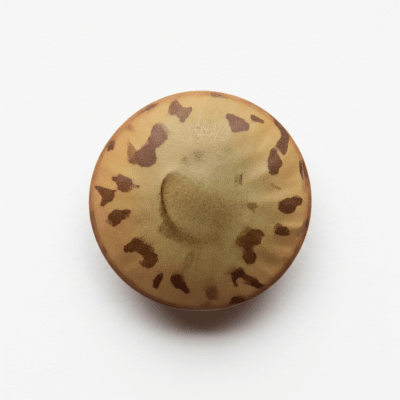
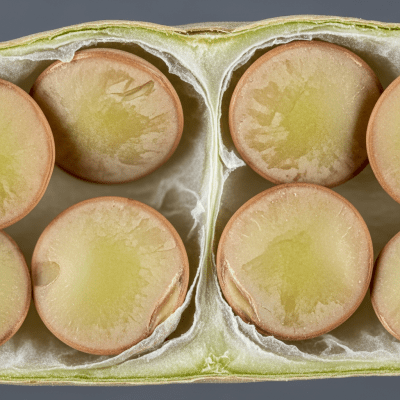
Lentil plants are annual, herbaceous herbs reaching 20 to 50 centimeters tall, with slender stems and compound leaves featuring 4 to 14 leaflets and tendrils. Their small flowers range from white to pale blue or violet and self-pollinate. The short pods, 1.5 to 2.5 centimeters long, typically contain one or two seeds. Lentil seeds vary widely in size (2–9 mm) and color, including brown, green, red, yellow, black, and mottled patterns.
Lentils function primarily as a cool-season pulse crop, valued for their drought tolerance and adaptability to poor soils. They are cultivated for their nutrient-dense seeds, which are harvested when pods dry. Lentils also play a vital role in crop rotations by enriching soil nitrogen through symbiosis with Rhizobium leguminosarum bacteria.
Bring this kind into your world illustrated posters, mugs, and shirts.
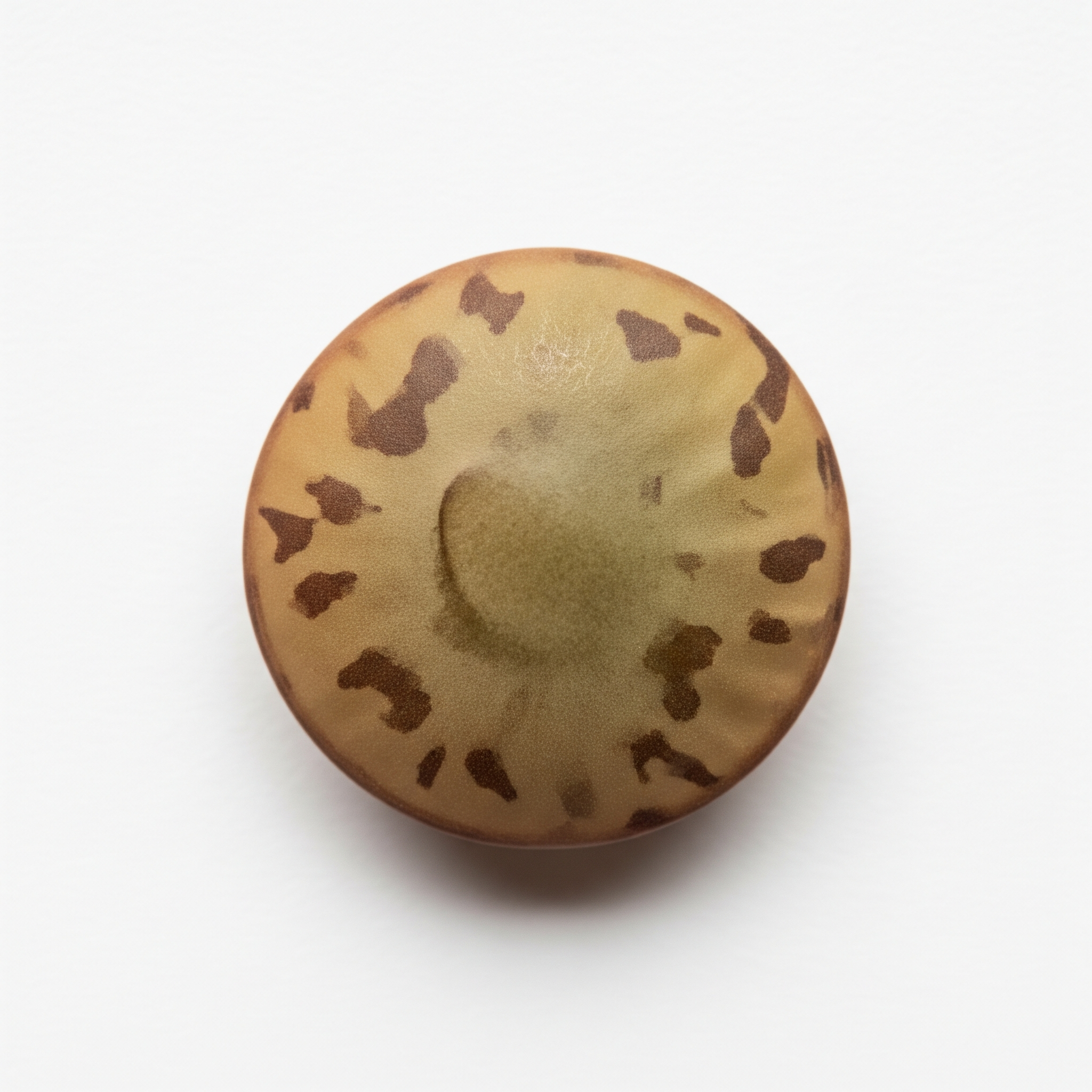
Archival print, museum-grade paper
Buy Poster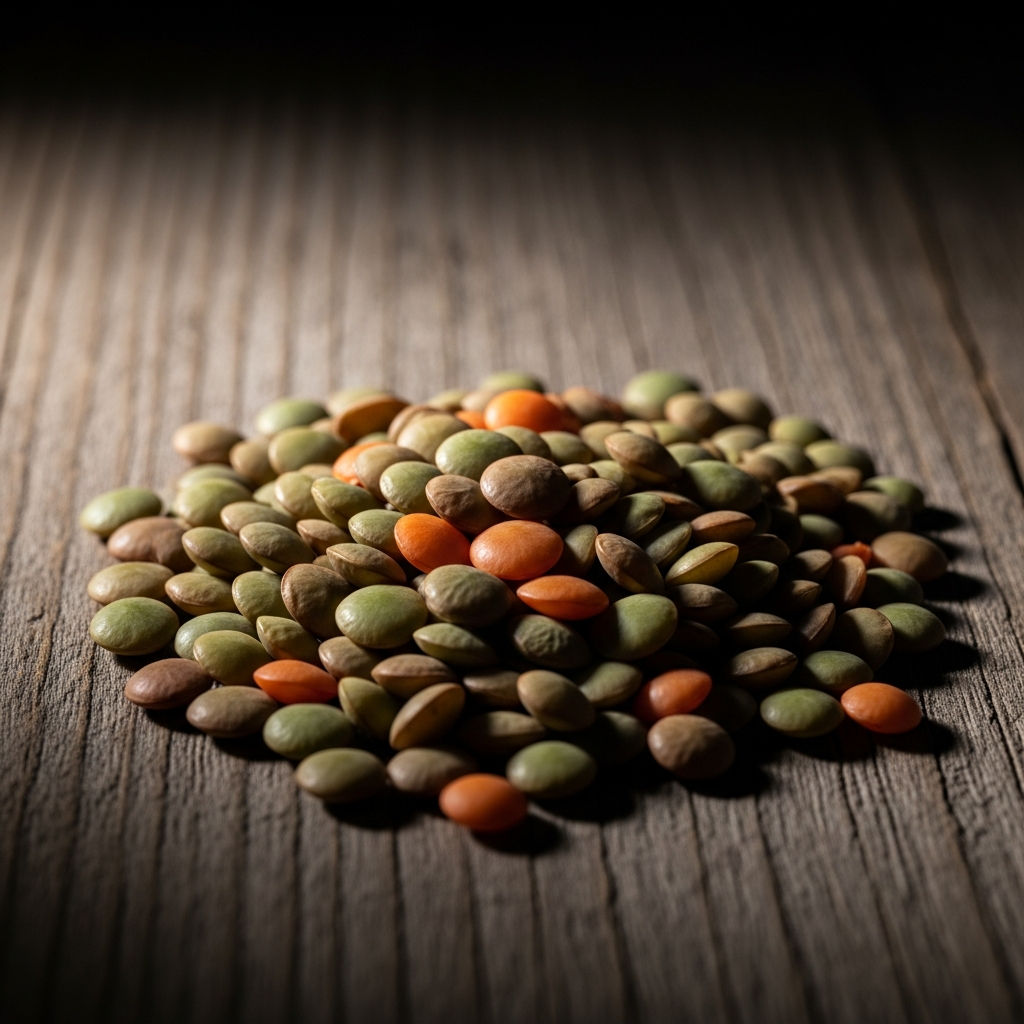
Stoneware mug, dishwasher safe
Buy Mug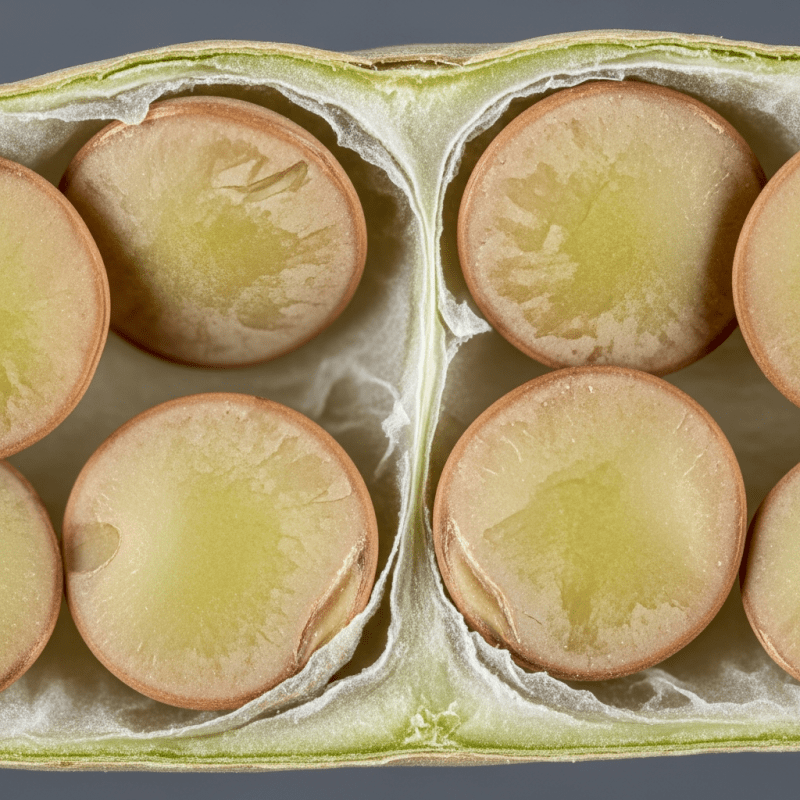
Soft cotton tee, unisex sizes
Buy ShirtLentils hold deep cultural importance across South Asia, the Middle East, the Mediterranean, and Africa, where they feature prominently in traditional dishes and daily diets. Their presence in ancient agriculture ties them to human civilization’s earliest food systems, and they continue to symbolize sustenance and resilience in many cultures.
Domestication of lentils began between 7,000 and 8,000 BCE in the Fertile Crescent, where wild populations of Lens culinaris subsp. orientalis were first cultivated. Lentils spread alongside early agricultural societies, becoming a staple pulse crop long before formal breeding programs emerged. Modern varieties have since been developed by institutions such as ICARDA and USDA, building on this ancient lineage.
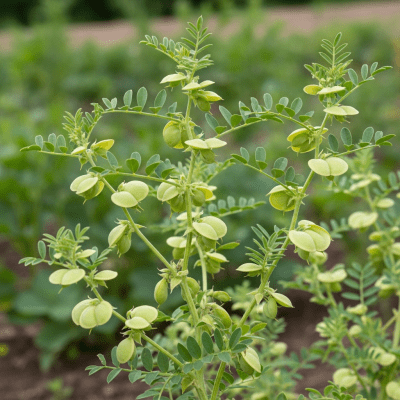
Lentils grow as annual, herbaceous plants with slender stems and compound leaves. They progress from seedling to flowering and pod development within 80 to 120 days. Flowers are self-pollinated, leading to short pods that mature and dry before harvest. Their lifecycle suits cool-season cultivation, often in rotation with cereals.
Lentils form a symbiotic relationship with Rhizobium leguminosarum bacteria, which colonize root nodules and convert atmospheric nitrogen into forms usable by plants. This natural nitrogen fixation reduces the need for synthetic fertilizers, enhances soil fertility, and supports sustainable farming practices.
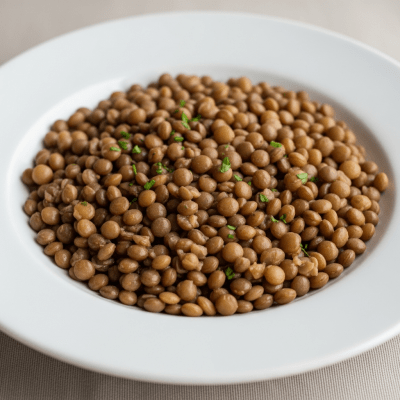
Lentils are consumed whole, split, or ground into flour and feature in soups, stews, salads, curries, and purees across many cuisines. Young plants and pods are sometimes eaten as vegetables. Nutritionally, lentils are rich in protein (22–28%), dietary fiber, complex carbohydrates, iron, folate, magnesium, and potassium. They are naturally gluten-free and low in fat, making them a wholesome dietary staple.
Leading lentil producers and exporters include Canada, India, Turkey, Australia, and the United States. The global market distinguishes lentils by seed color and size, with classes such as red, green, brown, and specialty types like black 'Beluga.' Lentils are traded under FAO commodity code 0177 and HS code 071340, reflecting their commercial significance.
Lentils face threats from diseases like Ascochyta blight (Ascochyta lentis), Fusarium wilt, and rust, as well as pests including aphids and bruchid beetles. Breeding programs have developed cultivars with improved resistance to these challenges, alongside enhanced drought tolerance and seed quality.
Lentils are known by various regional names: masoor (Hindi), عدس (Arabic), lentille (French), lenteja (Spanish), lenticchia (Italian), mercimek (Turkish), Linse (German), чечевица (Russian), মসুর (Bengali), and dengu (Swahili). Notable cultivars include 'Eston', 'Pardina', 'Red Chief', 'Laird', 'Beluga', and 'Crimson', each prized for distinct agronomic and culinary traits.