Runner Bean
The runner bean (Phaseolus coccineus) is a climbing legume prized for its vibrant flowers and edible pods, cultivated worldwide as both a food crop and ornamental plant.
The runner bean (Phaseolus coccineus) is a climbing legume prized for its vibrant flowers and edible pods, cultivated worldwide as both a food crop and ornamental plant.
Native to the highlands of Central America—especially southern Mexico and Guatemala—the runner bean was first domesticated by indigenous peoples. It journeyed to Europe in the 17th century, quickly gaining popularity in England and beyond. Its lineage traces directly to wild populations of P. coccineus, with modern cultivars bred for improved yield, flower color, and pod quality.
Belonging to the Fabaceae family, runner bean is classified within the subfamily Faboideae, genus Phaseolus, and species coccineus. It stands apart from common beans (P. vulgaris) by its climbing habit and tolerance for cooler climates. The runner bean is both a food and ornamental legume, fitting squarely within the broader legume taxonomy renowned for nitrogen fixation and podded fruits.
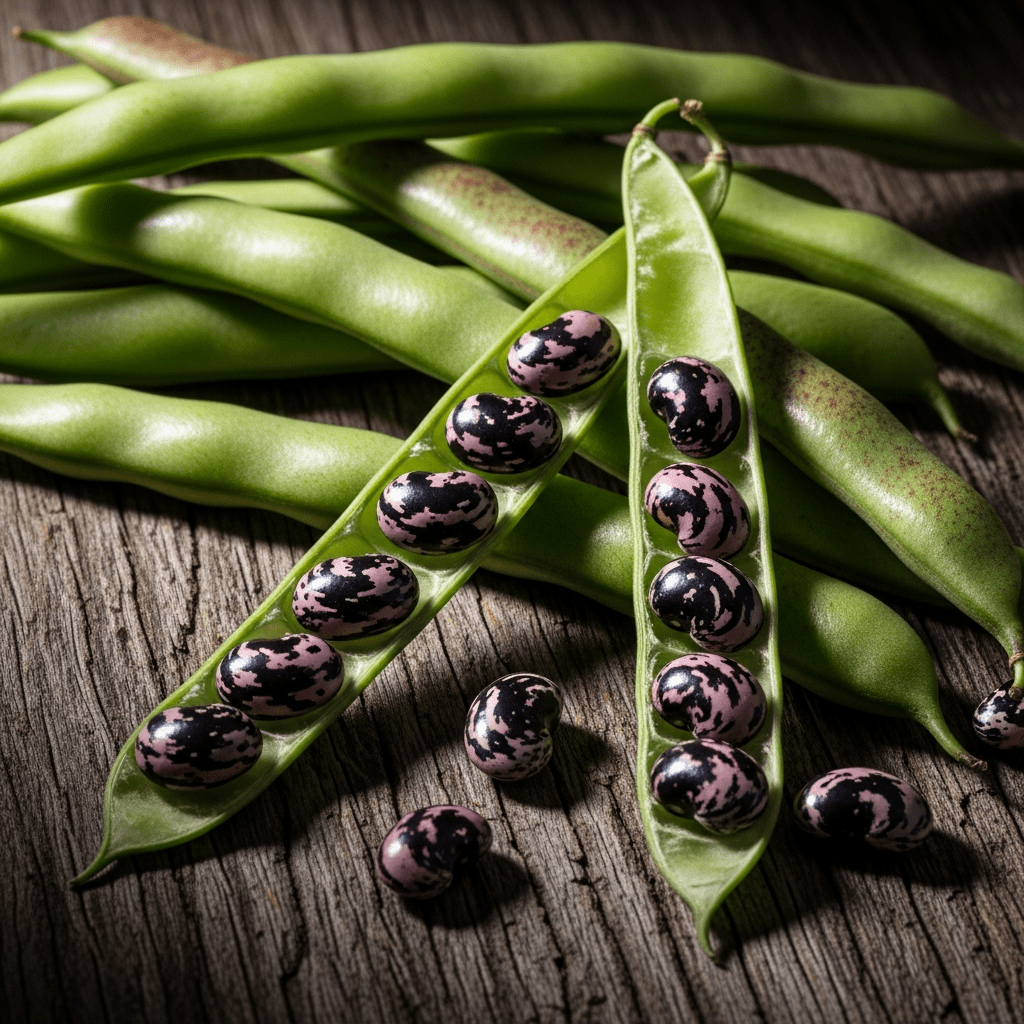
Runner bean plants are robust climbers, often reaching 2–4 meters in height. Their twining stems support lush, trifoliate leaves and striking racemes of scarlet, white, or bicolor flowers. Pods are long (20–30 cm), slightly rough to the touch, and house large, kidney-shaped seeds in a variety of colors—white, purple, black, or mottled—depending on the cultivar. The overall impression is one of vigorous growth and vivid garden presence.
Runner beans thrive in cool, moist conditions and require support structures to climb. They are cultivated for fresh pods, which are harvested young and cooked, as well as mature seeds used in soups and stews. Ornamental varieties are grown for their showy flowers, attracting pollinators and adding color to gardens. In agriculture, runner beans are valued for their high yields and adaptability to temperate climates, making them a staple in both commercial and subsistence farming.
Bring this kind into your world illustrated posters, mugs, and shirts.
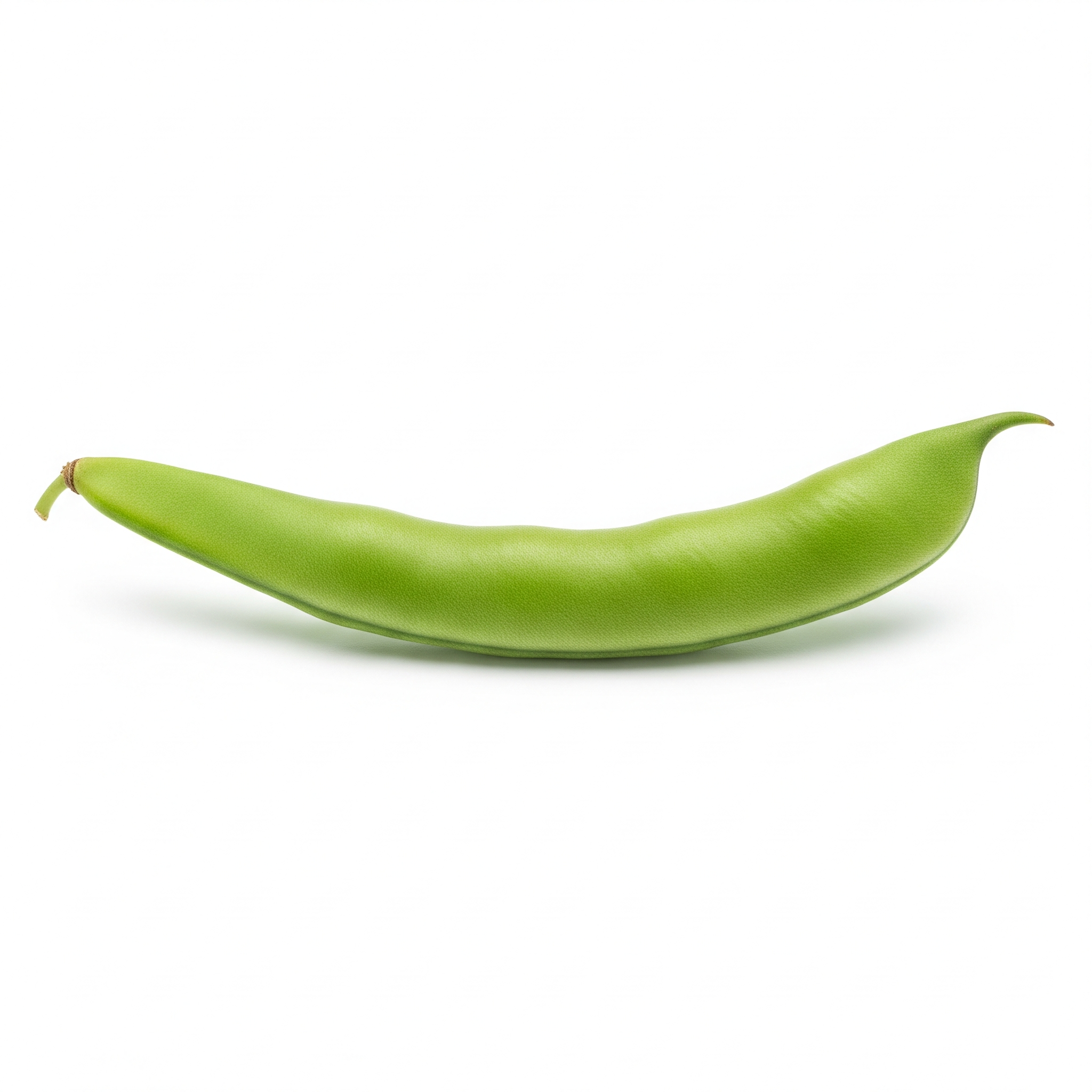
Archival print, museum-grade paper
Buy Poster
Stoneware mug, dishwasher safe
Buy Mug
Soft cotton tee, unisex sizes
Buy ShirtBeyond their culinary role, runner beans have become a symbol of summer in British and European gardens, often featured in cottage landscapes and allotments. Their vibrant flowers are celebrated in ornamental horticulture, while in Central America, the species—known as 'ayocote'—holds traditional significance in food and medicine. The runner bean’s dual identity as both a food and decorative plant has woven it into the cultural fabric of multiple continents.
Domesticated in the highlands of southern Mexico and Guatemala by indigenous peoples, runner beans have a rich history stretching back centuries. They arrived in Europe in the 17th century, quickly adopted for both their edible pods and ornamental flowers. Modern breeding has produced a diversity of cultivars, with ongoing selection for yield, pod quality, and flower color. The species remains closely related to its wild ancestor, P. coccineus, and continues to evolve through horticultural innovation.
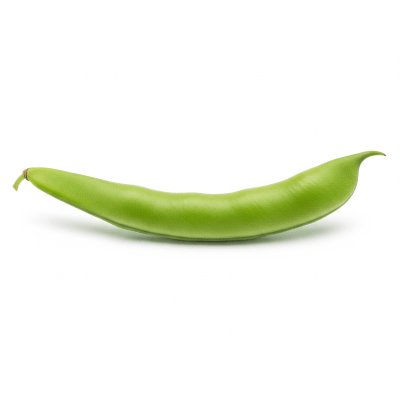
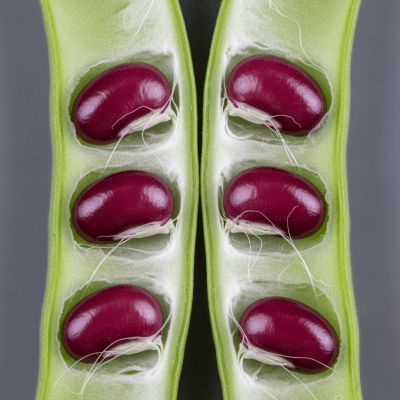
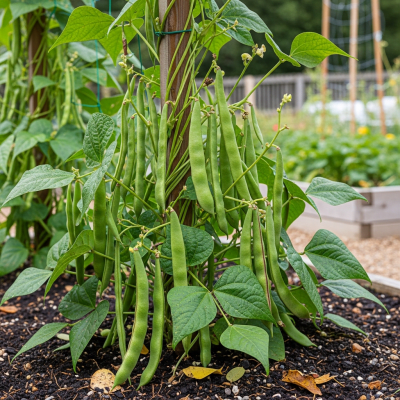
Runner beans are vigorous climbers, reaching heights of 2–4 meters with twining stems and trifoliate leaves. In frost-free climates, they are perennial, but most cultivation treats them as annuals due to cold sensitivity. Plants flower prolifically, producing long pods over the summer. Harvest typically occurs within a few months of planting, with yields ranging from 2–5 tons per hectare for fresh pods. Support structures are essential for healthy growth and maximum productivity.
Like all legumes, runner beans form symbiotic relationships with soil bacteria to fix atmospheric nitrogen. This natural process enriches the soil, reducing the need for synthetic fertilizers and supporting sustainable crop rotation. Runner beans contribute to improved soil fertility, benefiting subsequent plantings and promoting ecological balance in gardens and farms.
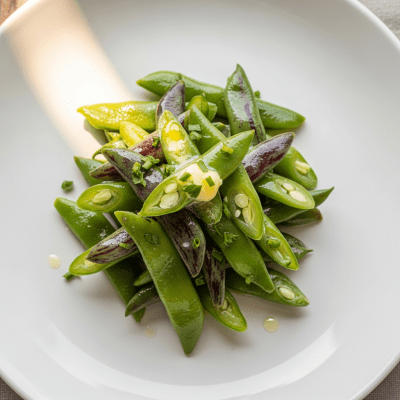
Runner beans are enjoyed primarily as fresh pods, boiled or steamed and served as a side dish, especially in the UK and Europe. Mature seeds, when cooked, add protein and fiber to soups, stews, and traditional dishes in Central America and beyond. The seeds are large and nutritious, offering a composition similar to other beans—rich in protein, fiber, and minerals. Ornamental varieties are grown for their flowers, but all runner beans must be thoroughly cooked to ensure safety and maximize nutritional benefits.
Runner beans are commercially produced in the UK, Europe, and North America, traded in fresh, frozen, and canned forms. They play a significant role in local and export markets, with smaller-scale cultivation supporting subsistence agriculture in their native regions. While specific trade codes vary, runner beans are recognized as a valuable crop for both food and ornamental use in global commerce.
Runner beans exhibit moderate resistance to bean rust and mosaic viruses, but can be susceptible to aphids, slugs, and fungal rots. Their tolerance for cooler climates helps reduce some disease pressures, though regular monitoring and good cultural practices are essential for healthy crops. Breeding efforts continue to improve resistance traits and overall plant resilience.