Wisteria
Wisteria is a genus of woody, climbing vines in the legume family, celebrated for their breathtaking cascades of fragrant, pea-like flowers and their role as iconic ornamental plants in gardens worldwide.
Wisteria is a genus of woody, climbing vines in the legume family, celebrated for their breathtaking cascades of fragrant, pea-like flowers and their role as iconic ornamental plants in gardens worldwide.
Wisteria traces its origins to East Asia—primarily China, Japan, and Korea—as well as North America. First described in the early 19th century and named for Dr. Caspar Wistar, its most famous species, Wisteria sinensis and Wisteria floribunda, were introduced to Western horticulture in the 1800s. The genus quickly captivated gardeners with its dramatic floral displays, leading to its widespread cultivation as an ornamental vine. While specific cultivar pedigrees are often undocumented, major horticultural institutions have catalogued notable species and varieties.
Botanically, Wisteria belongs to the family Fabaceae (Leguminosae), which encompasses all legumes. Within Fabaceae, it is classified as a genus, with approximately 8–10 recognized species. Though it shares the family’s hallmark traits—such as podded fruit and nitrogen fixation—Wisteria stands apart as an ornamental legume, cultivated for beauty rather than food or forage. Its close relatives include other ornamental legumes like lupin, as well as agricultural staples such as beans and peas.
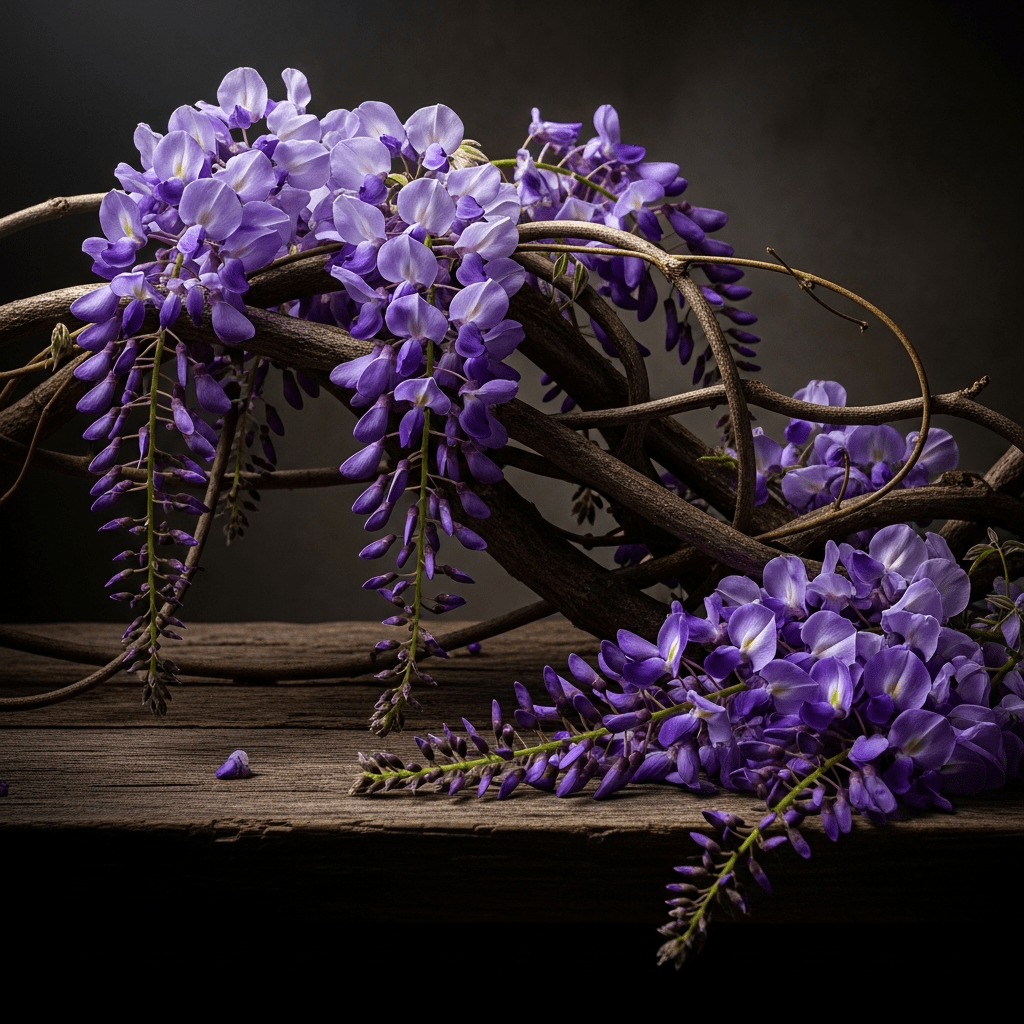
Wisteria vines are visually striking, with robust, woody stems and lush, pinnate leaves composed of 9–19 leaflets. In spring or early summer, they erupt into spectacular, pendulous racemes of pea-like flowers in shades of violet, blue, pink, or white, often perfuming the air with a sweet fragrance. When supported, mature plants can climb up to 10–20 meters (33–66 feet), gracefully draping arbors, pergolas, and trellises. After flowering, Wisteria produces elongated pods containing several seeds—all parts of which are toxic.
Wisteria is cultivated almost exclusively for its ornamental value. Its vigorous climbing habit allows it to cover and embellish structures, creating living curtains of blooms. In the landscape, it is prized for its longevity and ability to transform gardens with dramatic, seasonal color. While it can fix atmospheric nitrogen and modestly enrich soil, its primary function is aesthetic. Careful pruning is essential to control its exuberant growth and to encourage abundant flowering. Due to its toxicity, Wisteria is never used for culinary or forage purposes.
Bring this kind into your world illustrated posters, mugs, and shirts.
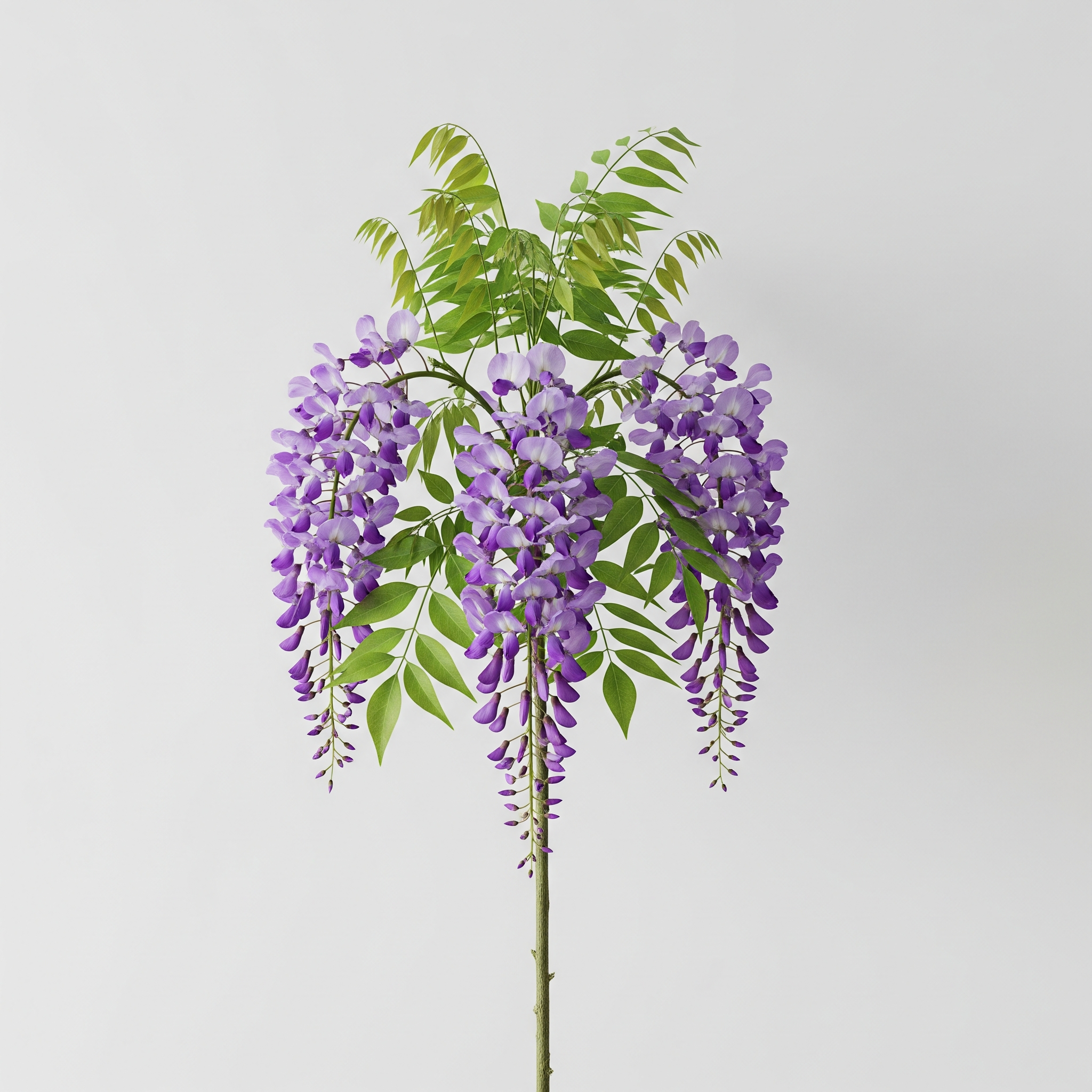
Archival print, museum-grade paper
Buy Poster
Stoneware mug, dishwasher safe
Buy Mug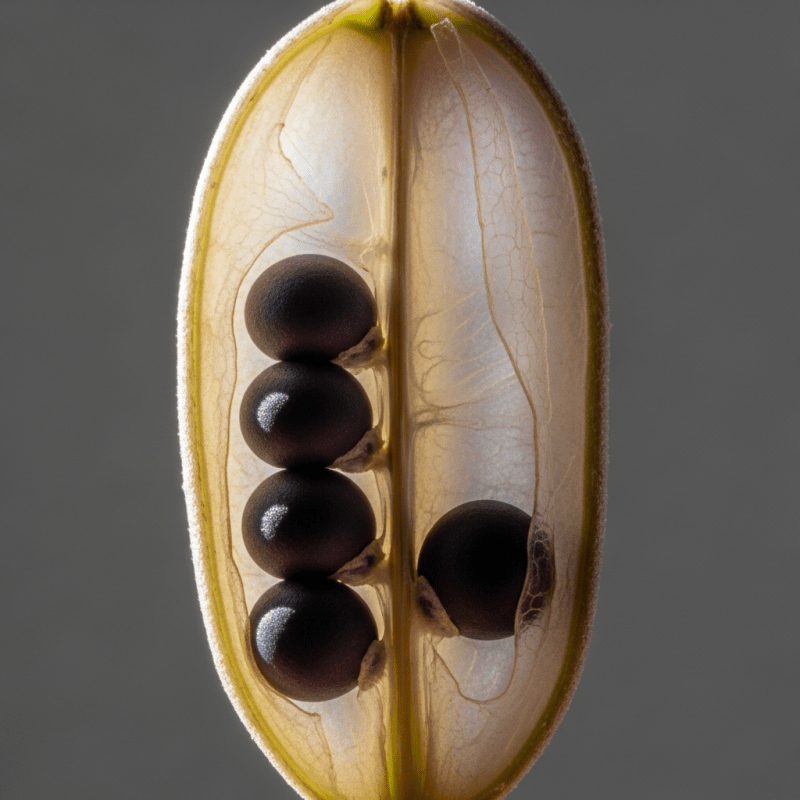
Soft cotton tee, unisex sizes
Buy ShirtWisteria holds deep cultural resonance, especially in East Asia. In Japan, "Fuji" (Wisteria) is celebrated in art, poetry, and annual festivals, symbolizing elegance and the fleeting beauty of spring. Traditional gardens often feature Wisteria arbors as focal points, and its blossoms appear in paintings, textiles, and folklore. In Western horticulture, Wisteria is admired for its romantic charm and is a favorite in classic garden design. Its dramatic flowering has inspired countless works of art and continues to enchant gardeners and visitors worldwide.
Wisteria’s journey from wild vine to garden icon began in the early 19th century, when botanists formally described the genus and named it after Dr. Caspar Wistar. Wisteria sinensis and Wisteria floribunda were introduced to Western horticulture in the 1800s, sparking a wave of interest in ornamental climbing plants. Unlike food legumes, Wisteria’s domestication focused on aesthetic traits—flower color, raceme length, and cold tolerance—rather than yield or edibility. While breeding records are sparse, horticultural institutions have catalogued species and notable cultivars, ensuring its enduring popularity in gardens worldwide.
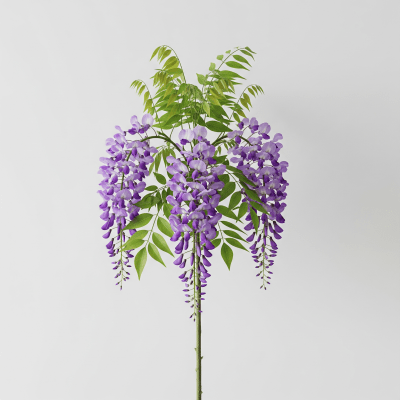
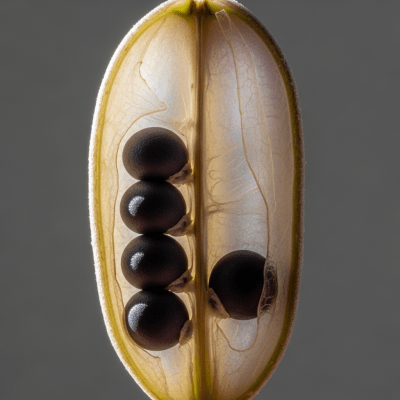
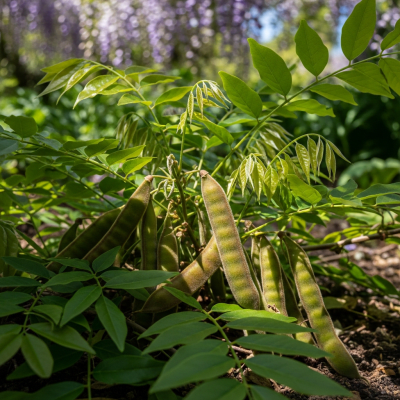
Wisteria is a deciduous, perennial vine with a vigorous climbing habit. Supported by trellises or arbors, it can reach heights of 10–20 meters. Its lifecycle begins with leafy growth in spring, followed by a spectacular burst of pendulous flowers. After blooming, the plant sets seed pods, which mature by late summer. Wisteria’s extensive root system and woody stems contribute to its longevity and resilience. Pruning is vital to manage its exuberance and promote flowering, as unchecked growth can lead to invasiveness and structural damage.
Like all true legumes, Wisteria forms root nodules that host nitrogen-fixing bacteria, enabling it to convert atmospheric nitrogen into forms usable by plants. While this trait modestly enhances soil fertility, Wisteria’s primary value remains ornamental. Its nitrogen fixation is less significant in agricultural contexts, but in garden settings, it can contribute to healthier soils over time—especially when planted near other ornamentals.
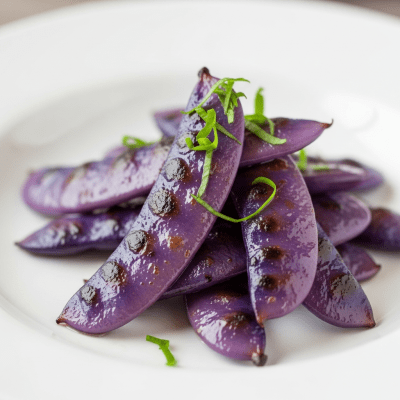
Wisteria is not used in cuisine; all parts of the plant, including flowers, pods, and seeds, are toxic and should never be ingested. Unlike edible legumes, Wisteria offers no nutritional value and is cultivated solely for its beauty. There are no traditional dishes or culinary preparations involving Wisteria.
Wisteria is a staple of the ornamental horticulture market, with numerous cultivars sold for their dramatic floral displays and growth habits. Nurseries and garden centers offer selections based on flower color, raceme length, and cold tolerance, catering to landscape designers and home gardeners. While trade codes are not typically assigned to Wisteria as an agricultural commodity, its commercial importance is reflected in its widespread availability and enduring demand for garden and park installations.
Wisteria is generally robust and resistant to most pests and diseases. However, it can be susceptible to fungal blights, crown gall, and root rot, particularly in poorly drained soils. Good cultural practices—such as planting in well-drained locations and regular pruning—help minimize these risks and maintain plant health. Its vigorous growth and resilience make it a reliable choice for ornamental landscapes.
Major species include Wisteria sinensis (Chinese wisteria), Wisteria floribunda (Japanese wisteria), and Wisteria frutescens (American wisteria). Regional names reflect its global appeal: "Fuji" in Japanese, "Zǐténg" in Chinese, and "Wisteria vine" in English. Botanical synonyms such as Rehsonia and Kraunhia appear in older literature but are now obsolete. Cultivar names are typically appended in single quotes, such as Wisteria floribunda ‘Alba’ for white-flowered forms. Mislabeling between species and hybrids is common in horticultural trade, so careful identification is recommended.