Origin Story

Originating in Africa's Sahel region—especially present-day Nigeria and neighboring West African countries—the Black-eyed Pea was domesticated thousands of years ago from wild Vigna unguiculata populations. Its spread across continents reflects centuries of farmer selection and adaptation, with no single breeder but rather a legacy shaped by communities responding to local needs and climates.

Classification

The Black-eyed Pea belongs to the Fabaceae family, subfamily Faboideae, genus Vigna, species Vigna unguiculata, subspecies unguiculata. Though commonly called "cowpea," the Black-eyed Pea specifically refers to varieties marked by a black hilum. It is classified botanically as a pulse—a dry edible seed—within the broader legume group, and is distinct from true peas (Pisum sativum).

Appearance or Form

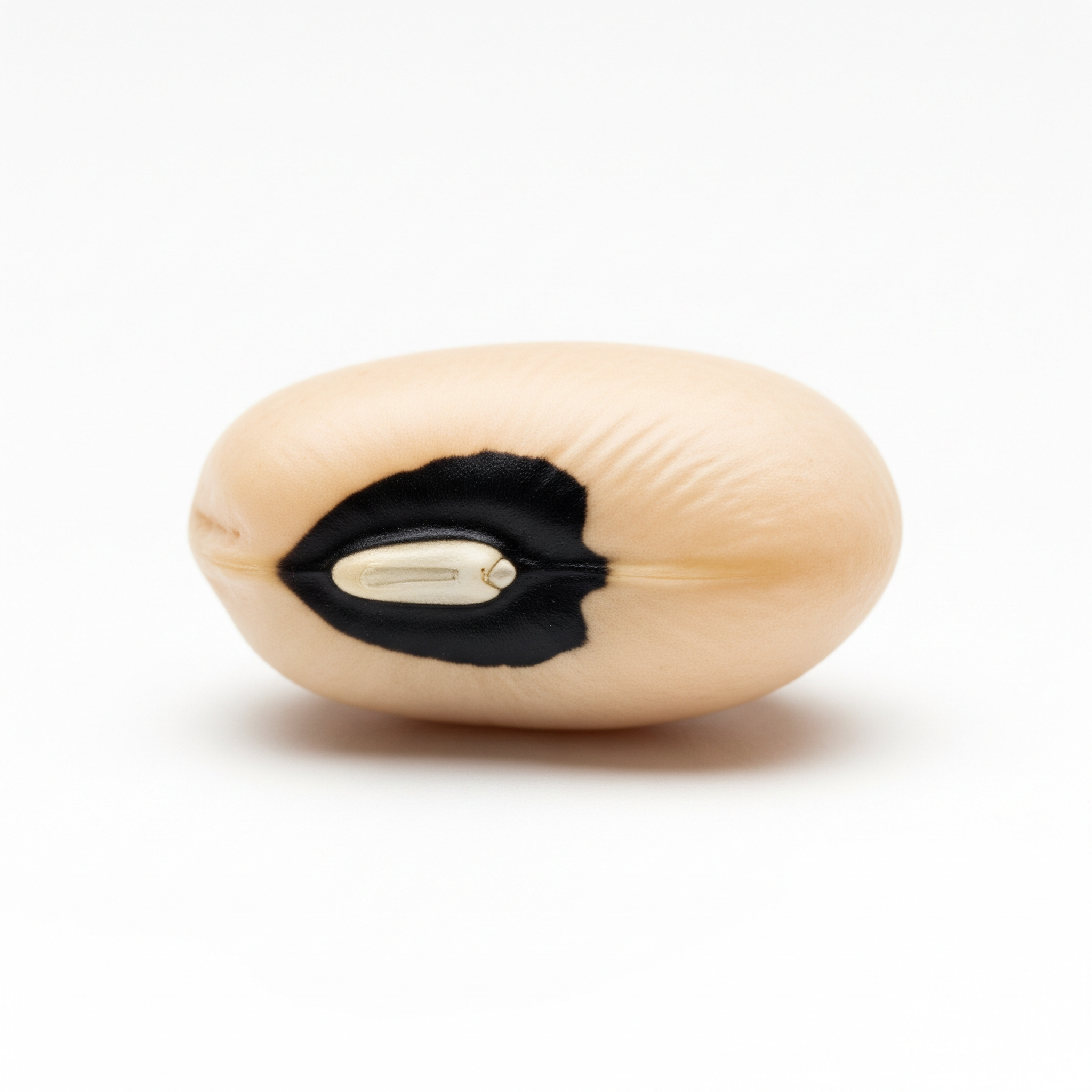
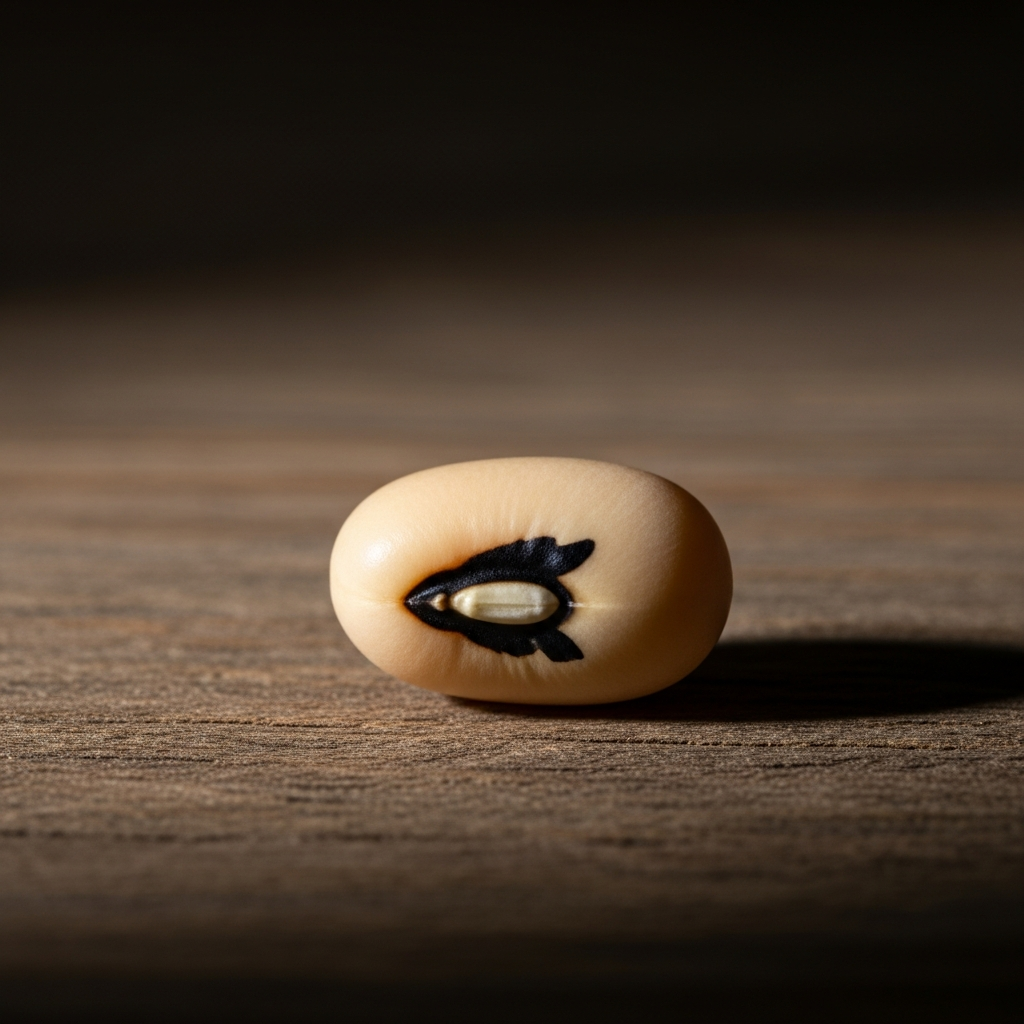
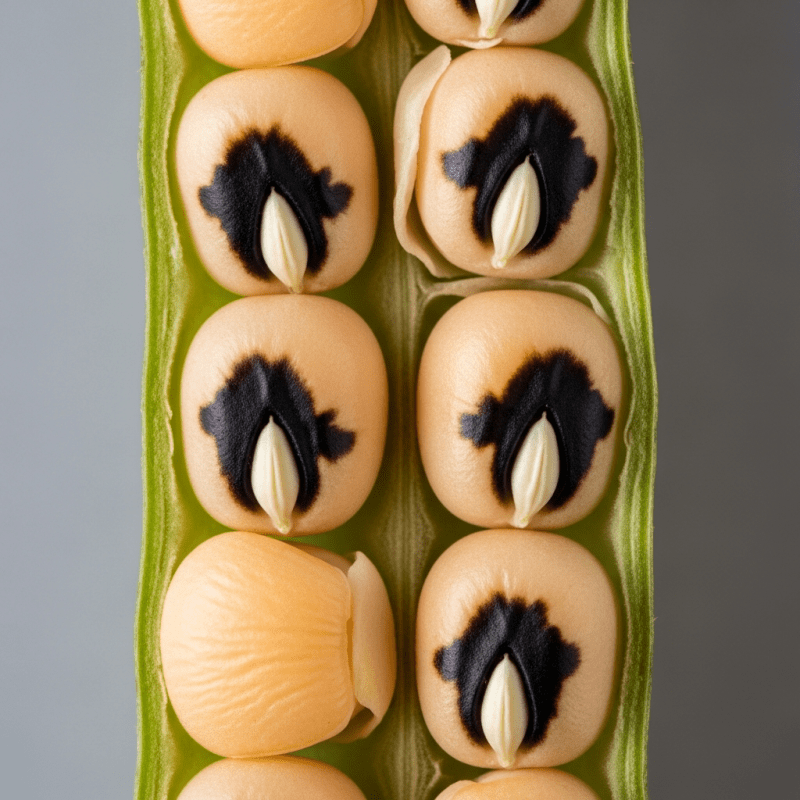
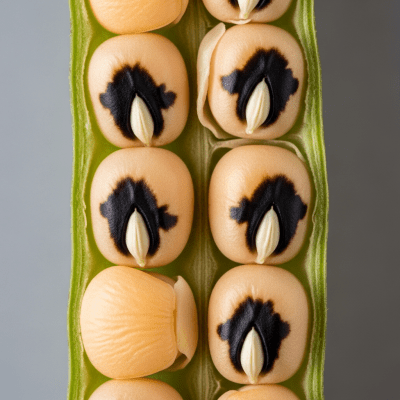
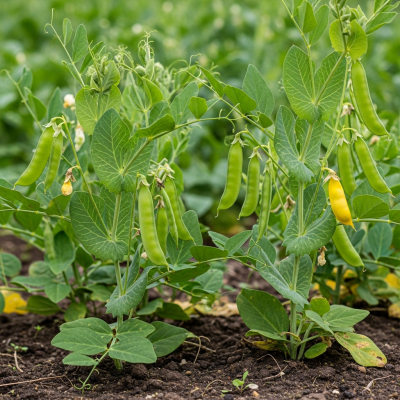
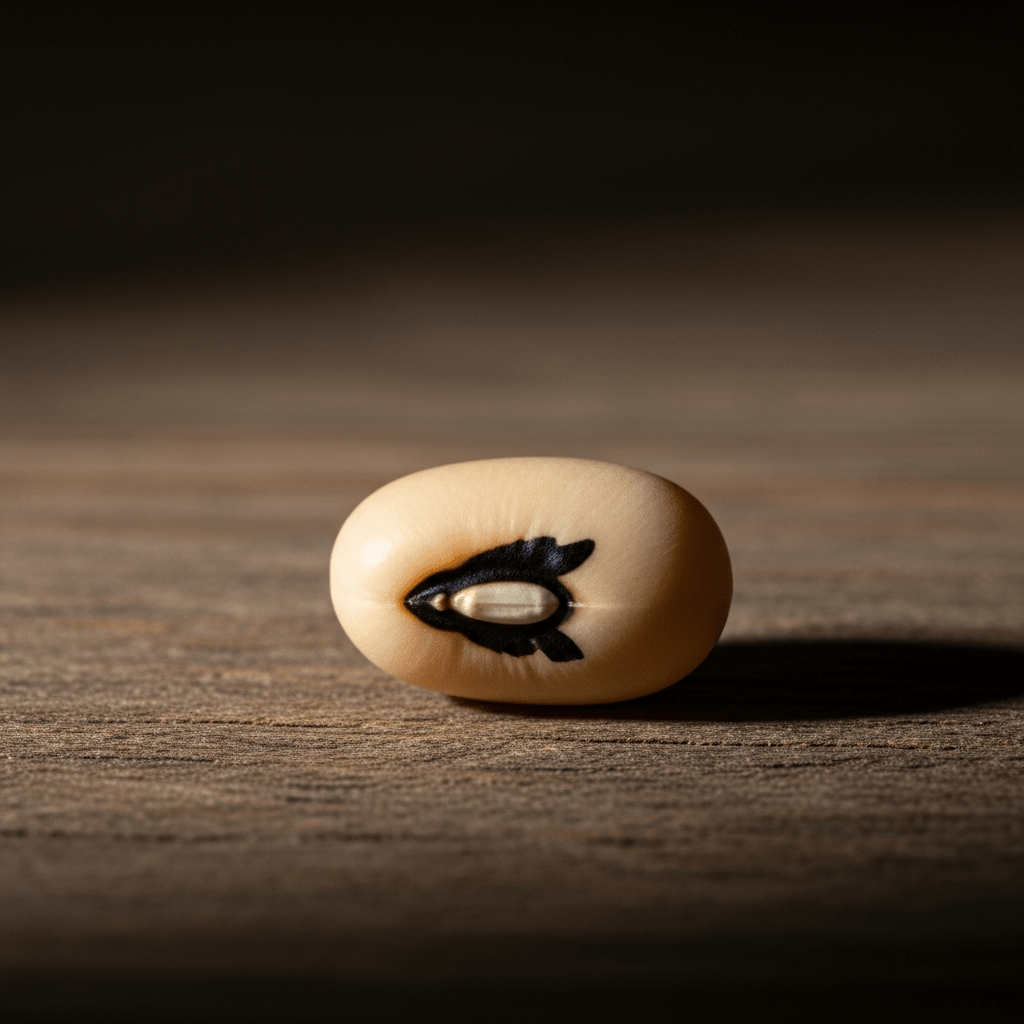
The Black-eyed Pea plant is an annual herb with bushy or trailing stems, typically reaching 20–80 cm in height. Its leaves are trifoliate and range from ovate to lanceolate. Delicate, papilionaceous flowers—white to pale purple—give way to slender, cylindrical pods up to 30 cm long. Each pod contains 6–15 kidney-shaped seeds, cream or pale yellow in color, each marked by a prominent black "eye." The seeds are smooth, firm, and visually distinctive among pulses.

Behavior or Usage

Black-eyed Peas are grown for their edible seeds, which are consumed dried, canned, or fresh in a variety of dishes. The plant thrives in semi-arid regions, tolerates drought, and is often used in crop rotations for its soil-enriching nitrogen fixation. Beyond human food, it serves as forage for livestock and as green manure to improve soil fertility. Young pods and leaves are also eaten as vegetables in some cultures.

Merchandise & Prints

Bring this kind into your world � illustrated posters, mugs, and shirts.

Black-eyed Pea Black-eyed Pea Poster

Black-eyed Pea Poster

Archival print, museum-grade paper

Black-eyed Pea Black-eyed Pea Mug

Black-eyed Pea Mug

Stoneware mug, dishwasher safe

Black-eyed Pea Black-eyed Pea Shirt

Black-eyed Pea Shirt

Soft cotton tee, unisex sizes

Attributes & Insights

Taxon-Specific Insights

🌍Cultural Significance

Across continents, the Black-eyed Pea is woven into culinary traditions and folklore. In the Southern United States, eating Black-eyed Peas on New Year's Day is believed to bring good luck and prosperity, famously featured in the dish Hoppin’ John. In West Africa, they are central to dishes like akara (bean cakes), and in South Asia, they appear in stews and curries. The crop symbolizes resilience and abundance in regions where food security is paramount.

📌Notable Facts

  • Black-eyed Peas can mature in as little as 60 days, making them a fast-growing staple in challenging climates.
  • The plant is exceptionally drought-tolerant, thriving where other crops may fail.
  • Its ability to fix atmospheric nitrogen naturally improves soil fertility for future crops.
  • Despite its name, the Black-eyed Pea is not a true pea but a member of the Vigna genus.
  • It is known by a remarkable array of regional names, reflecting its global reach.

Domestication And History

Black-eyed Peas were domesticated from wild Vigna unguiculata in the Sahel region of Africa, with archaeological and genetic evidence pointing to Nigeria and surrounding areas as the center of origin. The crop's domestication predates recorded history, shaped by generations of farmer selection for resilience and yield. Modern breeding has further diversified its varieties, with institutions like IITA, USDA, and national programs contributing to its global spread and improvement.

Visual Variations

High resolution studio photograph of a single Black-eyed Pea
Close-up macro image of the Black-eyed Pea (legumes) cut in half, displaying its internal structure and details such as seed arrangement, pod interior, or cross-section textures
Photograph of the Black-eyed Pea (legumes) growing naturally on its plant in an outdoor agricultural or garden setting, showing leaves, pods, and surrounding soil or greenery
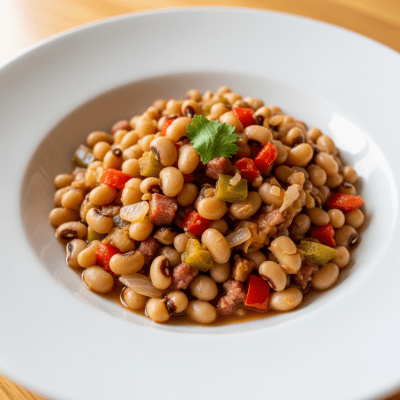
Image of cooked or prepared Black-eyed Pea (legumes) as it appears in a traditional dish or common culinary usage, presented on a clean plate with minimal garnish

Composition & Context

Taxon-Specific Insights

Growth Habit And Lifecycle

This annual plant exhibits bushy or trailing growth, depending on the variety, and typically reaches 20–80 cm in height. After sowing, Black-eyed Peas mature rapidly—usually within 60–90 days. The lifecycle includes trifoliate leaf development, flowering (white to pale purple), pod formation, and seed maturation. Pods contain multiple seeds, each with the characteristic black "eye." The plant completes its cycle in one growing season, making it ideal for regions with short or unpredictable rainfall.

Nitrogen Fixation And Soil Benefits

Like many legumes, Black-eyed Pea forms a symbiotic relationship with Rhizobium bacteria in its roots, enabling it to fix atmospheric nitrogen. This process enriches the soil, reducing the need for synthetic fertilizers and enhancing fertility for subsequent crops. Its use as green manure and in crop rotations is especially valuable in resource-limited and semi-arid farming systems.

Culinary Uses And Nutrition

Black-eyed Peas are a staple pulse, valued for their versatility and nutrition. They are featured in iconic dishes such as Hoppin’ John (Southern US), akara (West Africa), and various stews and curries worldwide. Seeds are boiled, fried, or ground into flour; young pods and leaves are also consumed as vegetables. Nutritionally, Black-eyed Peas are rich in protein, fiber, vitamins, and minerals, making them an important source of sustenance and dietary diversity.

Market And Trade

Black-eyed Peas are marketed globally as dried beans, canned goods, and fresh produce. Major producers and exporters include Nigeria, Niger, Brazil, and the United States. The crop is vital in subsistence farming, local markets, and international trade, and is also used as forage and green manure. Its commercial significance is reflected in its role in food security and agricultural sustainability across diverse regions.

Disease And Pest Resistance

Black-eyed Peas exhibit moderate resistance to common pests like aphids and bruchid beetles, as well as diseases such as Fusarium wilt and mosaic viruses. However, susceptibility varies among cultivars. Post-harvest, bruchid beetles are a major threat to seed storage, necessitating dry and protected conditions. The plant's natural tolerance to heat and drought further enhances its resilience in challenging environments.

Regional Varieties And Names

The Black-eyed Pea is known by many names worldwide: "cowpea" (English), "frijol carita" (Spanish, Latin America), "lobia" (Hindi), "niebe" (French-speaking West Africa), "chawli" (Marathi), and "black-eyed bean" (UK, Australia). In the United States, the 'California Blackeye' is a notable cultivar. Scientific synonyms include Vigna sinensis and Vigna unguiculata var. unguiculata. Regional varieties and aliases reflect its deep integration into local cuisines and agricultural traditions.

Faq

  • Is the Black-eyed Pea the same as cowpea?
    Yes, "Black-eyed Pea" refers to a specific variety of cowpea distinguished by its black hilum.
  • How are Black-eyed Peas used in cooking?
    They are boiled, fried, or ground into flour for dishes like Hoppin’ John, akara, and stews; young pods and leaves are also edible.
  • Can Black-eyed Peas improve soil health?
    Yes, they fix nitrogen in the soil, benefiting subsequent crops and supporting sustainable agriculture.