Mung Bean
The mung bean (Vigna radiata) is a small, green legume prized for its rapid growth, nutritional richness, and central role in Asian cuisine and agriculture.
The mung bean (Vigna radiata) is a small, green legume prized for its rapid growth, nutritional richness, and central role in Asian cuisine and agriculture.
Mung bean traces its roots to the Indian subcontinent, where it was domesticated as early as 1500 BCE. Archaeological evidence suggests its wild ancestor is Vigna radiata var. sublobata. Over centuries, the crop spread across Southeast Asia, East Asia, and Africa, carried by trade routes and migration, becoming a staple pulse in diverse cultures. Its ancient history means the original breeders are unknown, but modern institutions continue to refine its traits for global agriculture.
Mung bean belongs to the botanical family Fabaceae (Leguminosae), subfamily Faboideae, genus Vigna, species Vigna radiata. It is classified as a pulse—a dried edible seed—within the broader legume group. Historically, synonyms such as Phaseolus aureus and Phaseolus radiatus have been used, but Vigna radiata is now the accepted scientific name.
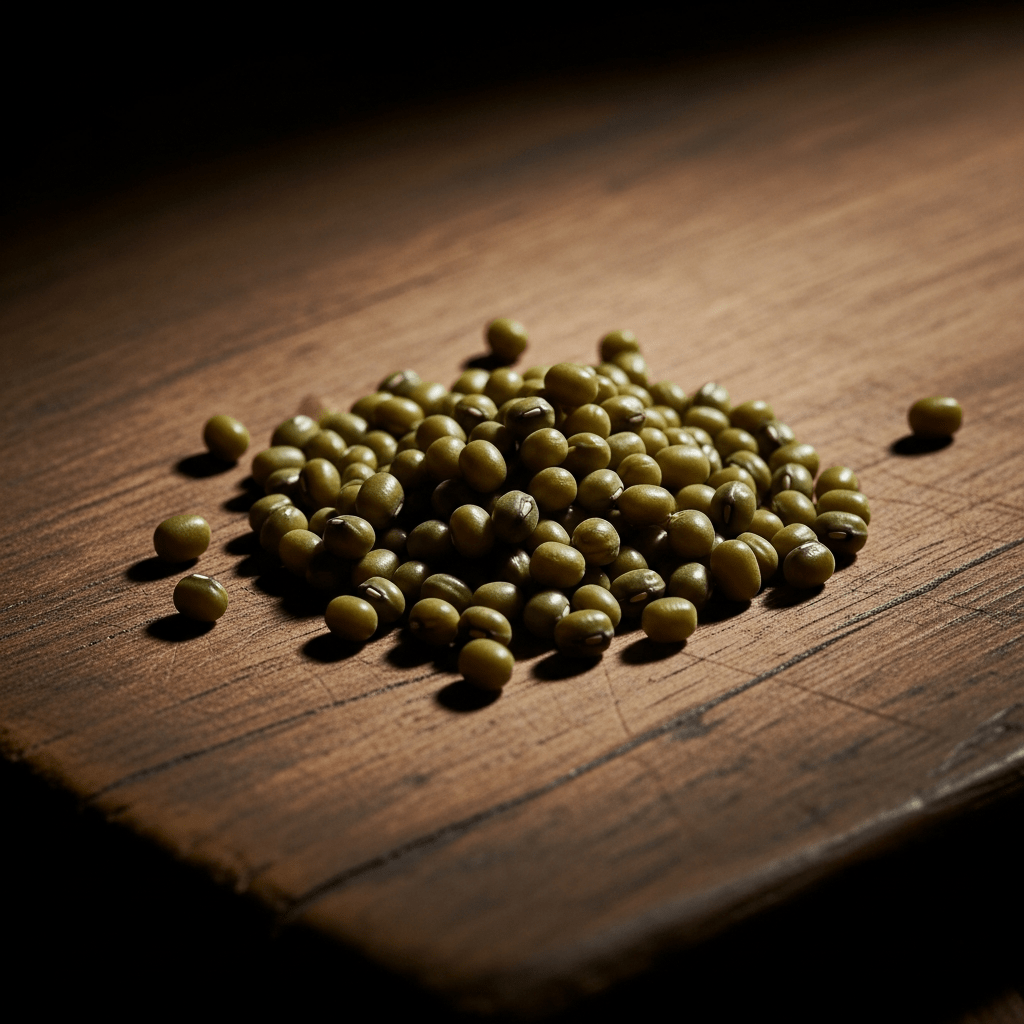
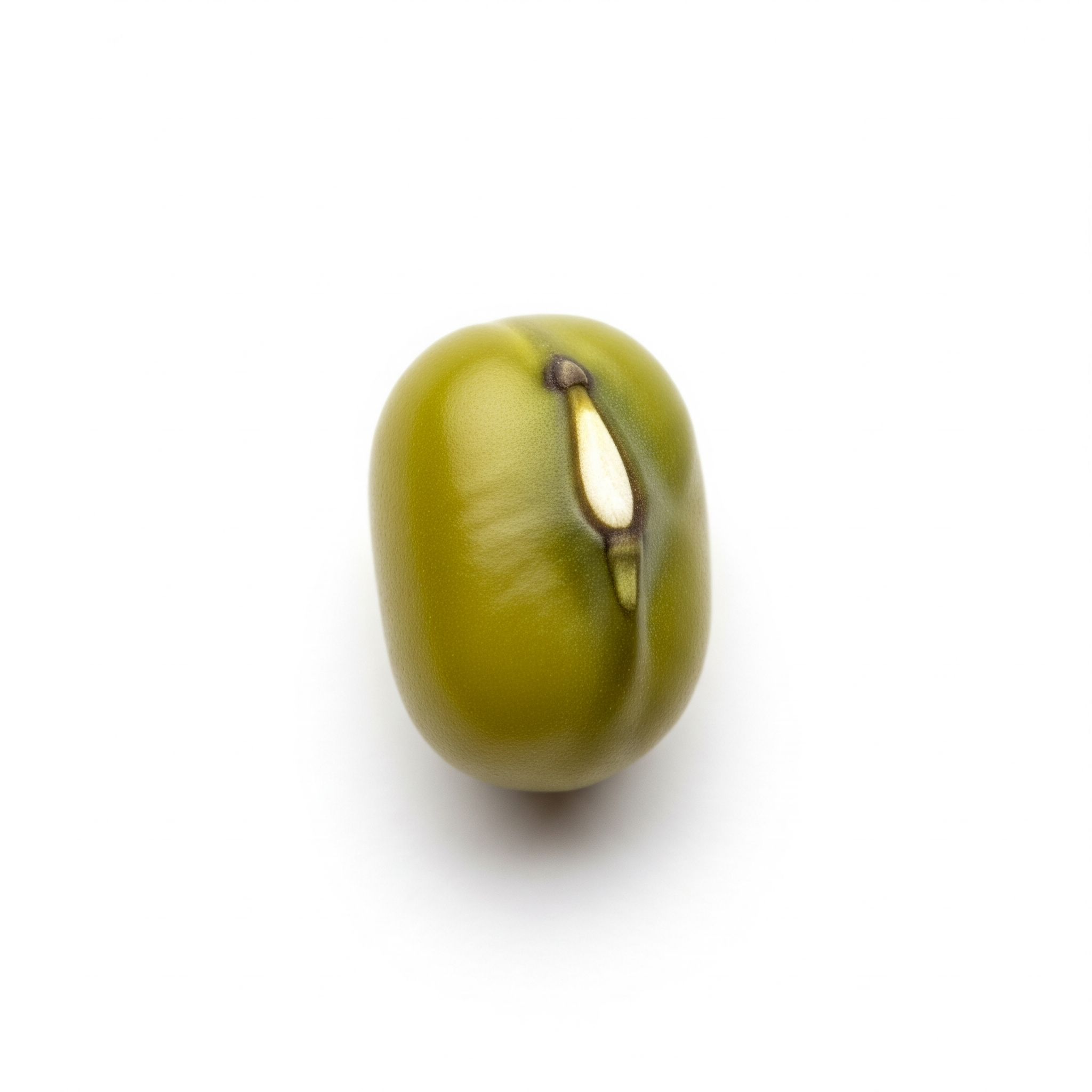
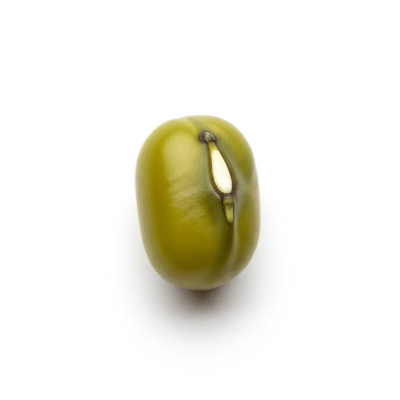
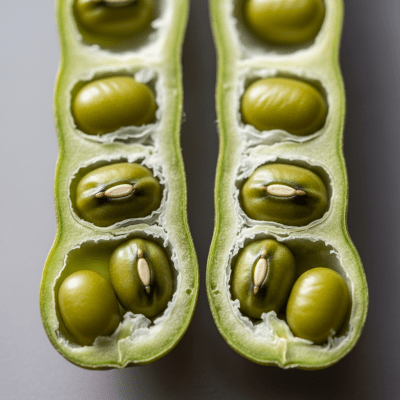
Mung bean plants are annual and herbaceous, typically reaching 30–120 cm in height. Their leaves are trifoliate, ovate to lanceolate, and covered with fine hairs, giving a soft texture. The small, yellow flowers cluster on axillary racemes, leading to slender, cylindrical pods (6–12 cm long) filled with 10–15 seeds. The seeds themselves are small (3–5 mm), round to oval, and most commonly green, though yellow, brown, and black varieties exist. When sprouted, the beans reveal crisp, translucent shoots prized for their texture and freshness.
Mung bean is cultivated for its versatility: as a food crop, forage, green manure, and cover crop. Its rapid growth and nitrogen-fixing ability make it valuable in crop rotations, improving soil fertility. In the kitchen, mung beans are enjoyed whole, split, ground into flour, or sprouted. They feature in soups, curries, desserts, snacks, salads, and stir-fries, and their starch is processed into translucent noodles. The plant’s adaptability to various climates and soils makes it a reliable choice for farmers and home gardeners alike.
Bring this kind into your world illustrated posters, mugs, and shirts.
Archival print, museum-grade paper
Buy Poster
Stoneware mug, dishwasher safe
Buy Mug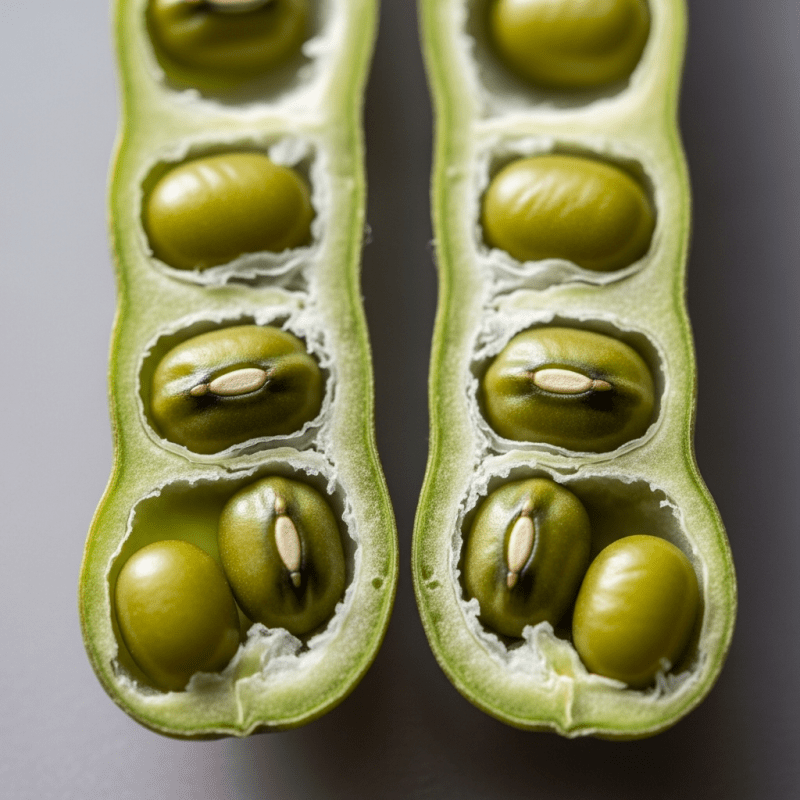
Soft cotton tee, unisex sizes
Buy ShirtMung bean holds a prominent place in the culinary traditions of South, Southeast, and East Asia. In India and Pakistan, "moong dal" is a staple in everyday meals and festive sweets. In China, mung bean cakes and glass noodles are iconic, while in Korea and the Philippines, sprouts and beans enrich salads and savory dishes. Its role extends beyond food: mung beans are used in rituals, folk medicine, and seasonal celebrations, symbolizing nourishment and renewal in many cultures.
Domesticated in the Indian subcontinent over 3,500 years ago, mung bean’s wild ancestor is Vigna radiata var. sublobata. Its cultivation spread across Asia and Africa through ancient trade and migration. Modern breeding, led by institutions like ICRISAT and the Indian Institute of Pulses Research, has produced improved varieties for yield, disease resistance, and climate adaptation, ensuring its continued relevance in global agriculture.
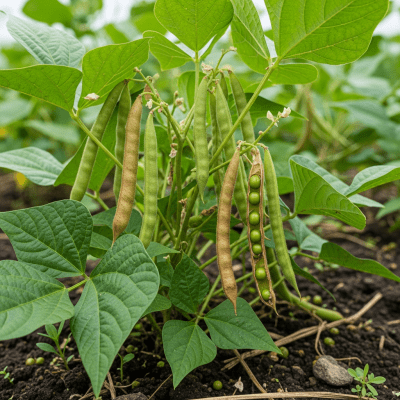
Mung bean is an annual plant with a bushy or erect growth habit, depending on the variety. It typically reaches maturity in 60–90 days, making it a short-duration crop. The lifecycle includes rapid vegetative growth, flowering with small yellow blossoms, pod formation, and seed maturation. Its adaptability allows cultivation in tropical and subtropical climates, thriving in temperatures from 20–35°C and well-drained loamy soils.
Like other legumes, mung bean forms a symbiotic relationship with soil bacteria to fix atmospheric nitrogen. This process converts inert nitrogen into forms usable by plants, naturally enriching the soil and reducing the need for synthetic fertilizers. As a result, mung bean is valued in crop rotations and as a green manure, supporting sustainable agriculture and improving yields for subsequent crops.
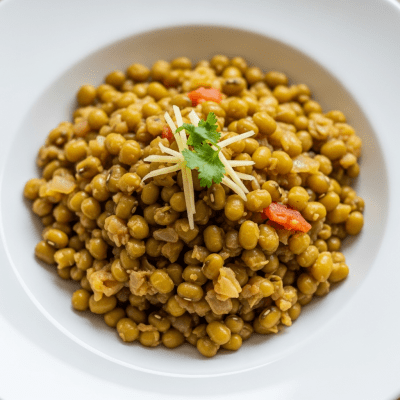
Mung bean is enjoyed in many forms: whole seeds, split dal, flour, and especially sprouts. In South Asia, it stars in soups, curries, and desserts like moong dal halwa. In China and Southeast Asia, mung bean starch is transformed into glass noodles and cakes. Sprouted mung beans are crisp, mildly sweet, and packed with vitamins and minerals, especially vitamin C and plant protein. Its versatility and nutritional profile make it a staple in vegetarian and health-conscious diets worldwide.
Mung bean is a major pulse crop in India, China, Myanmar, Thailand, and Indonesia, and is traded internationally as both food and forage. Its commercial uses extend to green manure and cover cropping, thanks to its rapid biomass accumulation and soil benefits. The FAO trade code for mung bean is Pulses, dry (Code: 0179), with specific sub-codes for Vigna radiata in national databases. Its adaptability and demand ensure a steady presence in global markets.
Mung bean is susceptible to several diseases, including mung bean yellow mosaic virus (MYMV), powdery mildew, and Cercospora leaf spot. Common pests include bruchids (seed beetles), aphids, and thrips. Ongoing breeding programs focus on improving resistance, particularly to MYMV and bruchids. Proper storage under dry, cool conditions helps minimize insect infestation and moisture-induced spoilage, preserving seed quality for consumption and planting.
Mung bean is known by many names: "moong" or "mung" in India and Pakistan, "green gram" in South Asia and Africa, "lǜ dòu" (绿豆) in China, "mash" in Iran, "monggo" in the Philippines, "payaru" in Sri Lanka, "cheong kong" in Korea, and "haricot mungo" in Francophone Africa. Notable cultivars include 'Jade-AU', 'Berken', and 'VC 1973A', each bred for specific agronomic traits. Regional confusion sometimes arises with black gram (Vigna mungo), a separate species.