Faba Bean
The faba bean (Vicia faba), also known as broad bean, is a globally important pulse crop valued for its large, edible seeds, high protein content, and soil-enriching nitrogen fixation.
The faba bean (Vicia faba), also known as broad bean, is a globally important pulse crop valued for its large, edible seeds, high protein content, and soil-enriching nitrogen fixation.
Faba bean originated in the Near East, with archaeological evidence tracing its domestication to at least 6000 BCE in the Mediterranean basin. Unlike many crops, no truly wild populations have been found, marking it as a cultigen. From its ancient beginnings, faba bean spread across Europe, North Africa, and Asia, becoming a staple in diverse agricultural and culinary traditions.
Faba bean belongs to the botanical family Fabaceae (Leguminosae), within the subfamily Faboideae and genus Vicia. Its accepted scientific name is Vicia faba. As a legume, it shares key traits with other pulses, such as podded fruit and the ability to fix atmospheric nitrogen, distinguishing it within the broader legume taxonomy.
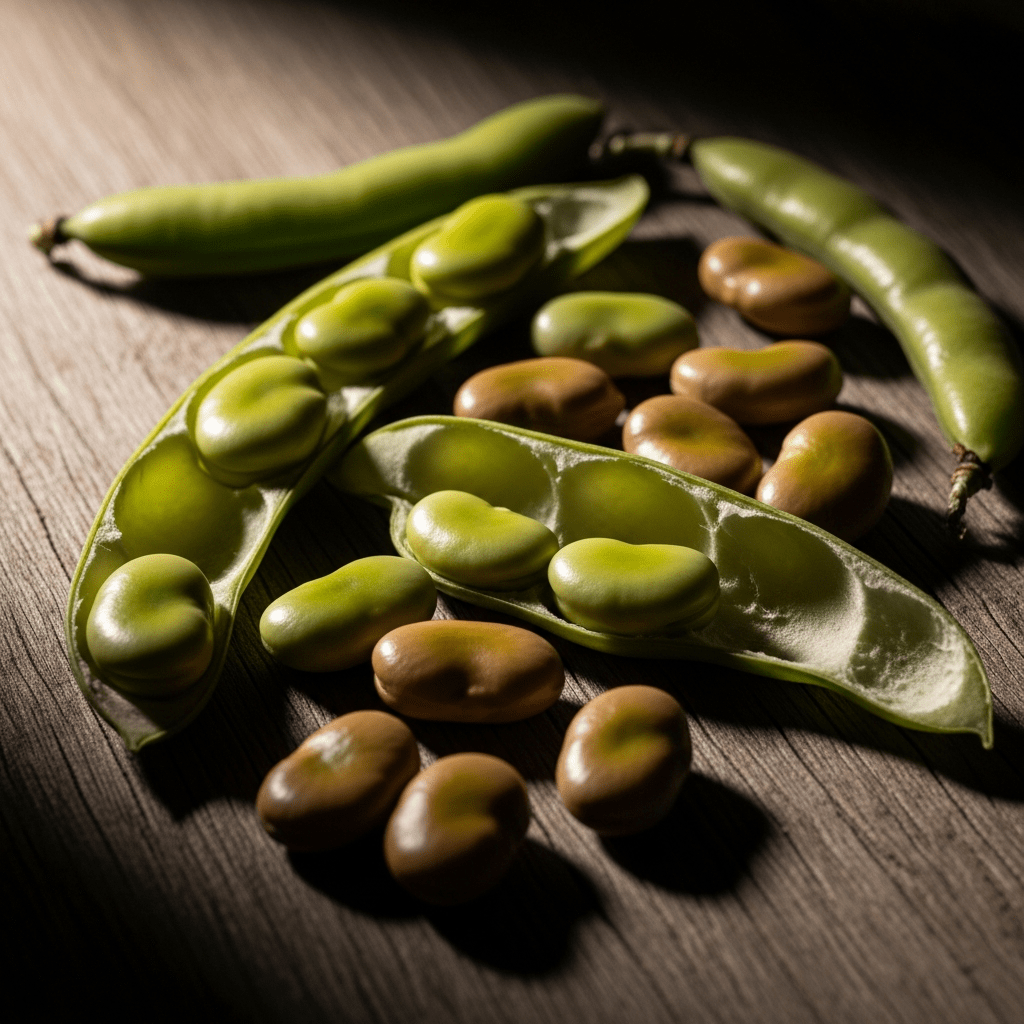
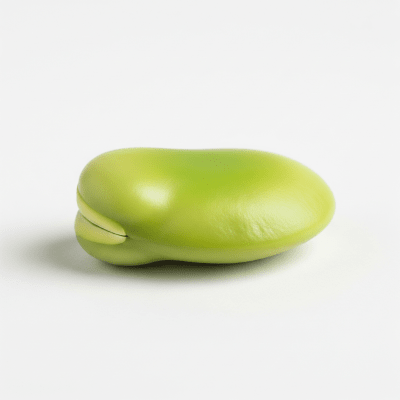
Faba bean plants are robust and upright, growing 0.5–1.8 meters tall. Their square, hollow stems support clusters of large, white flowers marked with black or purple spots. The thick, leathery pods contain 3–8 broad, flattened seeds, which vary in color from white and green to brown and black. The seeds are notably large, ranging from 200 to 2000 mg each, and the foliage consists of pinnate leaves with 2–7 leaflets.
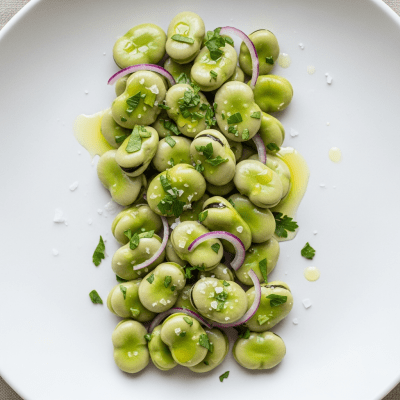
Faba beans are cultivated for both human and animal consumption. Young pods and seeds are enjoyed as vegetables, while mature seeds are dried or processed into flour for soups, stews, and falafel. The crop is also used as animal feed and green manure, contributing to sustainable farming by improving soil fertility through nitrogen fixation. Its adaptability to cool, temperate climates makes it a versatile choice for crop rotations and soil improvement.
Bring this kind into your world illustrated posters, mugs, and shirts.

Archival print, museum-grade paper
Buy Poster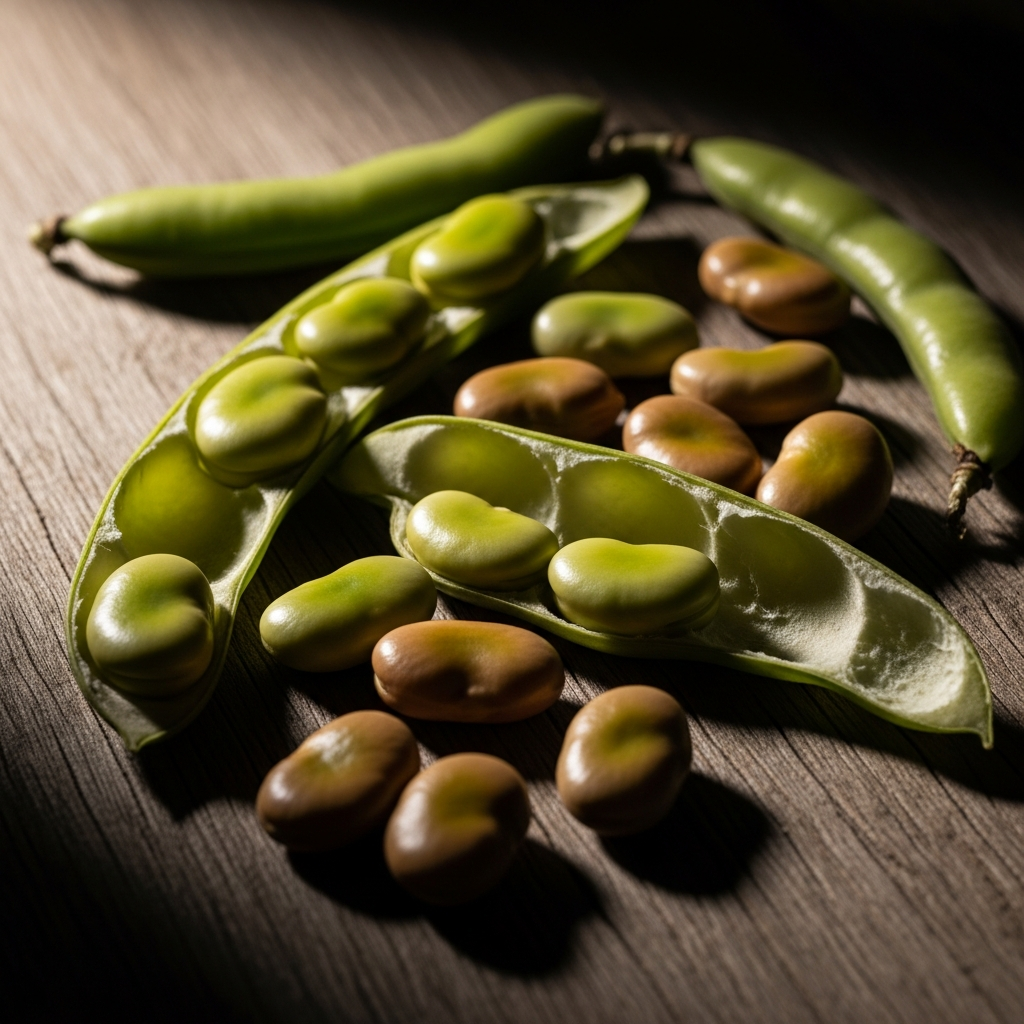
Stoneware mug, dishwasher safe
Buy Mug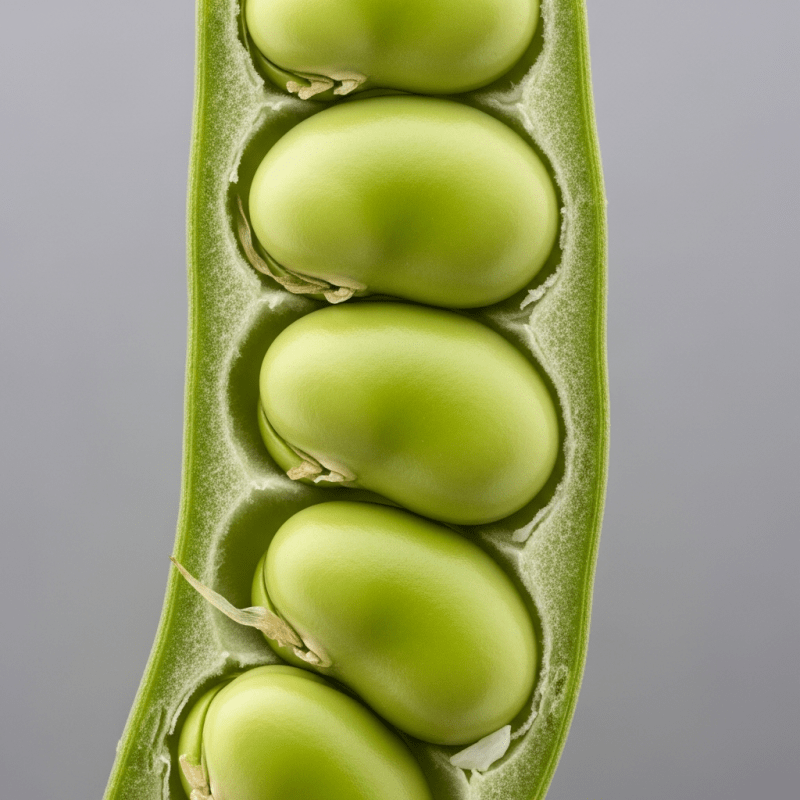
Soft cotton tee, unisex sizes
Buy ShirtFaba bean holds a prominent place in Mediterranean, Middle Eastern, African, and Asian cuisines, featuring in traditional dishes such as Egyptian ful medames and Italian fava purée. Its presence is woven into regional folklore, agricultural rituals, and seasonal celebrations. In some cultures, faba beans symbolize luck or fertility, and their cultivation has shaped local foodways for millennia.
Faba bean was domesticated in the Near East, with archaeological finds dating to at least 6000 BCE in the Mediterranean region. Its lack of a known wild progenitor sets it apart from other pulses. Over centuries, the crop spread throughout Europe, North Africa, and Asia, adapting to diverse climates and agricultural systems. Modern breeding has produced numerous cultivars, with significant programs in the UK, China, Egypt, and Australia, each contributing to its genetic diversity and resilience.

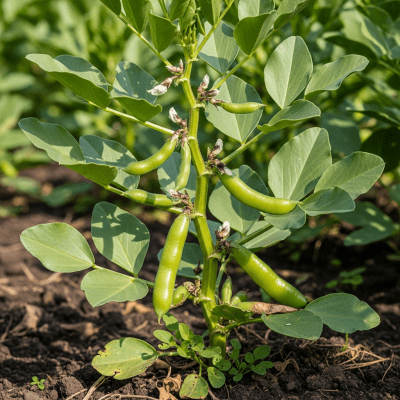
Faba bean is an annual, erect herbaceous plant, typically reaching heights of 0.5–1.8 meters. It features square, hollow stems and pinnate leaves. The lifecycle begins with germination in cool-season conditions, followed by vegetative growth, flowering, and pod development. Maturity duration varies by variety and environment, with harvest occurring once pods are fully developed and seeds reach their characteristic size and color. The plant tolerates mild frost but is sensitive to heat, drought, and waterlogging.
As a legume, faba bean forms symbiotic relationships with root bacteria, enabling it to fix atmospheric nitrogen. This process enriches the soil, reducing the need for synthetic fertilizers and supporting sustainable agriculture. Faba beans are often grown in rotation with cereals or other crops to suppress weeds, improve soil structure, and enhance overall field fertility.
Faba beans are enjoyed fresh, dried, or processed. Young pods and seeds are eaten as vegetables, while mature beans are staples in soups, stews, falafel, and flour-based dishes. They are a nutritional powerhouse, offering 20–35% protein, ample dietary fiber, folate, iron, and magnesium. Some varieties contain vicine and convicine, which can cause favism in susceptible individuals; low-vicine cultivars are available for safer consumption. Faba beans also serve as animal feed and green manure, broadening their agricultural utility.
Faba bean is traded internationally, with major producers including China, Egypt, Ethiopia, Australia, and the UK. Recognized by FAO and USDA as a distinct pulse commodity, it holds commercial importance in both food and feed markets. Trade codes facilitate its movement across borders, and its adaptability to various climates supports widespread cultivation and export.
Faba bean is susceptible to several diseases, notably chocolate spot (Botrytis fabae), rust (Uromyces viciae-fabae), and root rot. Insect pests and waterlogging can also threaten crops. Breeding programs have developed cultivars with improved resistance to these challenges, though careful management is still required to maintain healthy yields and minimize losses.
Faba bean is known by a wide array of regional names: broad bean (UK, Commonwealth), fava bean (USA, Italy), horse bean (smaller-seeded types), field bean (agricultural contexts), habas (Spanish), baqilla (Arabic), bakla (Turkish), bob (Russian), feve (French), bób (Polish), and soramame (Japanese). Taxonomic synonyms include Faba vulgaris and various Vicia faba varieties. This diversity reflects its widespread cultivation and cultural integration across continents.