Adzuki Bean
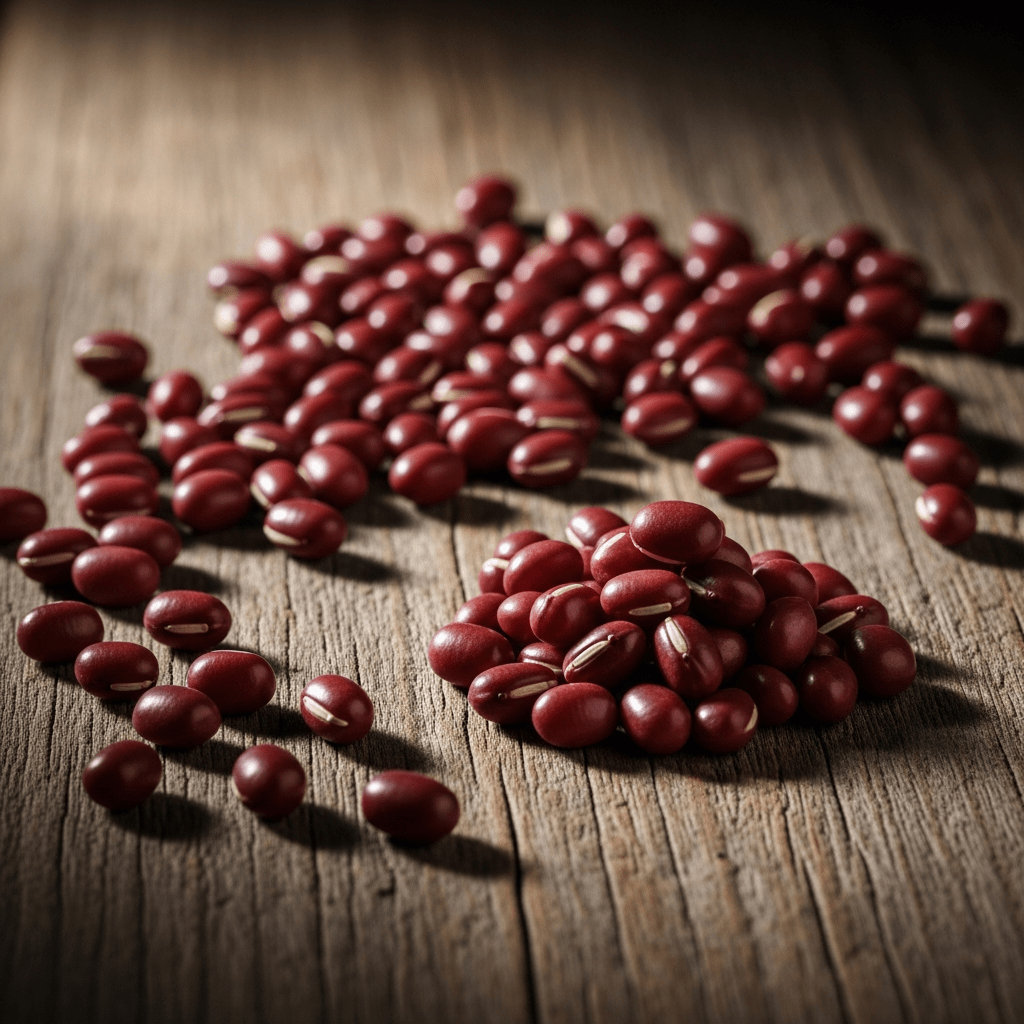
The adzuki bean (Vigna angularis) is a small, typically red legume celebrated in East Asian cuisine for its sweet flavor, nutritional value, and versatility in both savory and confectionery dishes.
The adzuki bean (Vigna angularis) is a small, typically red legume celebrated in East Asian cuisine for its sweet flavor, nutritional value, and versatility in both savory and confectionery dishes.
Adzuki beans trace their origin to East Asia, with archaeological evidence of cultivation in China dating back to around 3000 BCE. China is recognized as the primary center of domestication, with secondary centers in Japan and Korea. Over millennia, farmers have selected adzuki beans for seed color, size, and maturation period, shaping the diversity seen today. Modern breeding continues in these regions, but much of the crop's history is rooted in ancient landraces and local selections rather than named cultivars or documented pedigrees.
Belonging to the Fabaceae family, the adzuki bean is classified botanically as Vigna angularis. It sits within the subfamily Faboideae and the genus Vigna, alongside other important pulses. While sometimes called a "red bean" or "azuki bean," it is distinct from kidney beans and other legumes, and is recognized for its role as a pulse—an edible dry seed within the legume family.
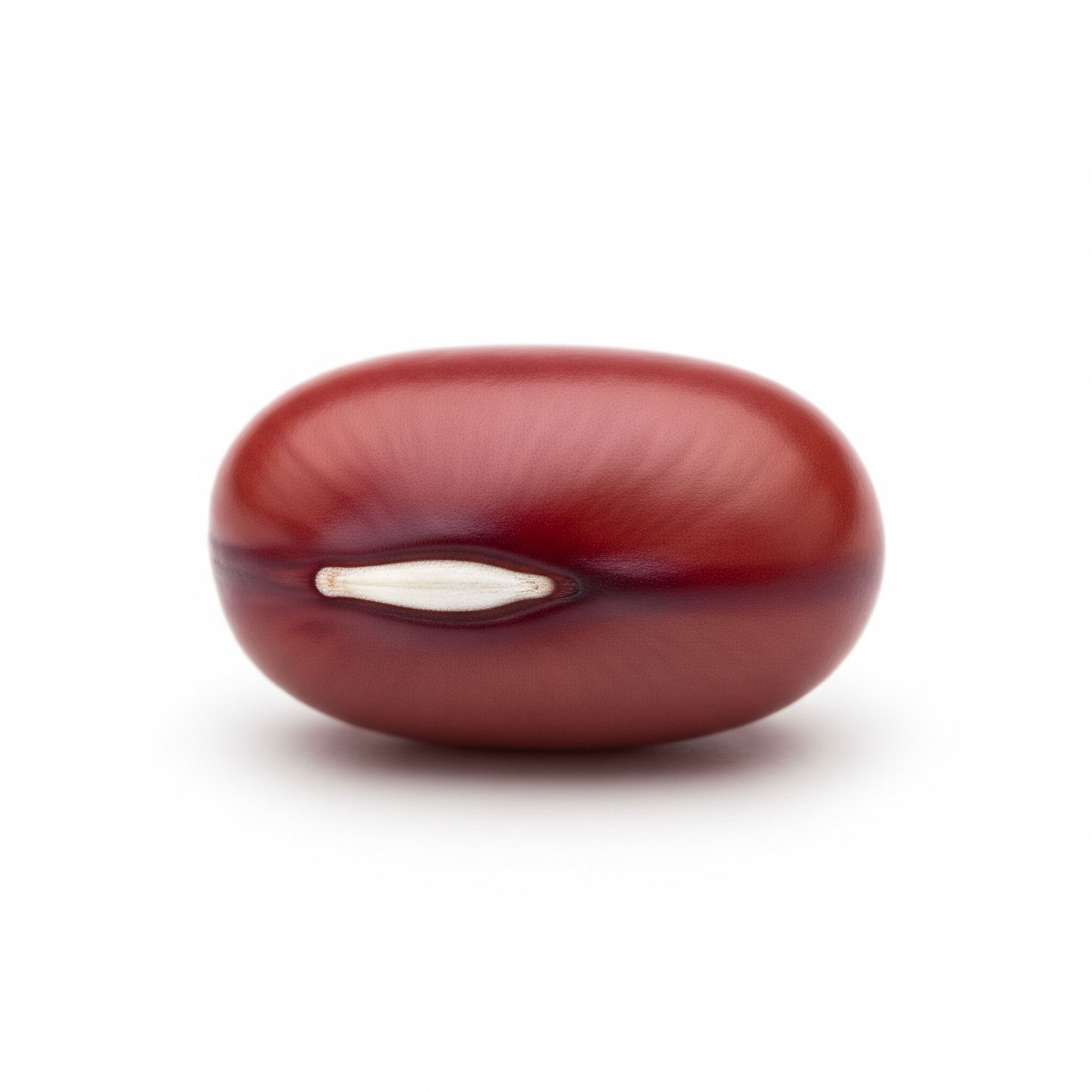
Adzuki bean plants are annual, erect or semi-erect herbs reaching 30–90 cm in height. Their leaves are trifoliate, ovate to lanceolate, and softly hairy. The small, pale yellow flowers cluster in axillary racemes, giving way to slender pods 5–13 cm long, each containing 6–12 seeds. The seeds themselves are petite (5–8 mm), most commonly a deep red, but can also be white, black, gray, or mottled, depending on variety. The beans have a smooth texture and a subtly sweet taste when cooked.
Adzuki beans are valued for their adaptability and utility. They thrive in temperate and subtropical climates, maturing in 60–120 days. Farmers grow them for food, forage, and as a green manure crop, thanks to their nitrogen-fixing ability. In the kitchen, adzuki beans are used whole or processed into flour, sprouts, and fermented products, making them a staple in both sweet and savory dishes. Their rapid cooking time and sweet flavor set them apart from other pulses.
Bring this kind into your world illustrated posters, mugs, and shirts.
Archival print, museum-grade paper
Buy Poster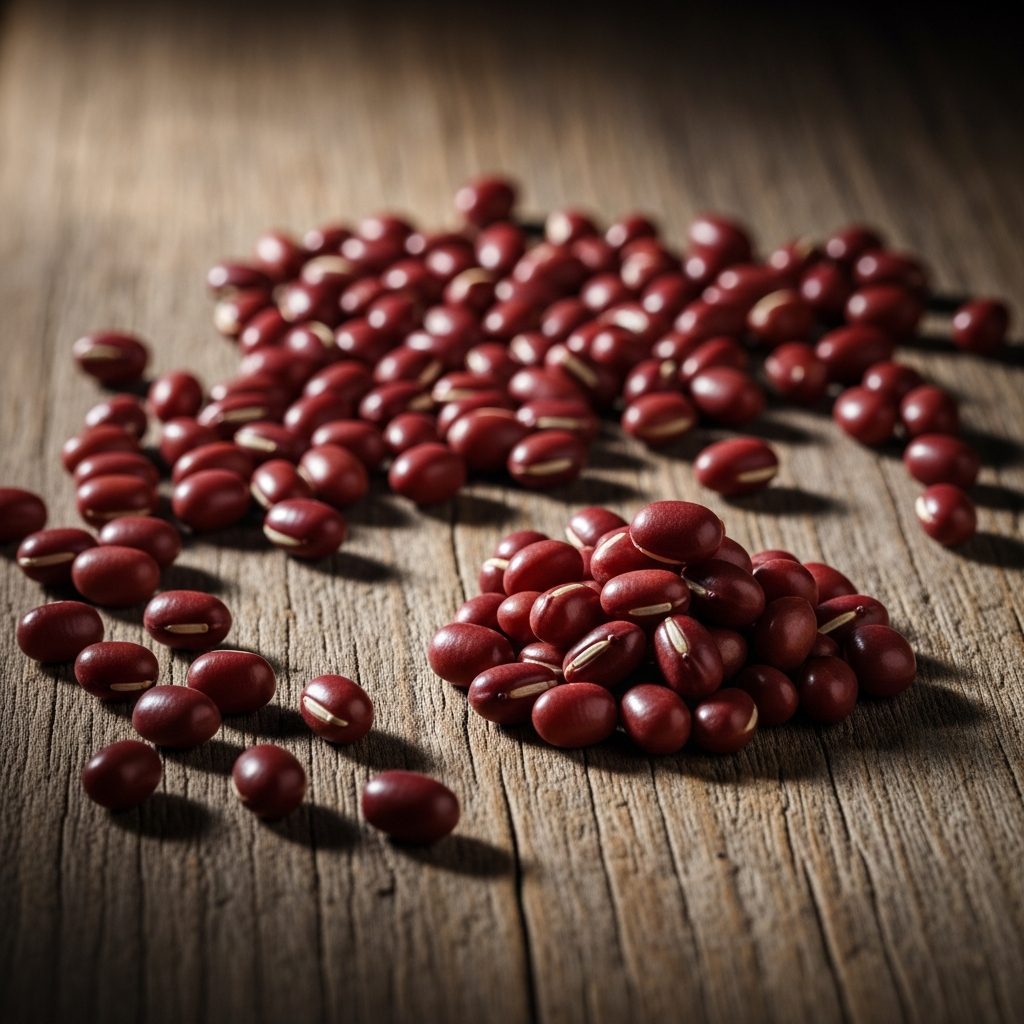
Stoneware mug, dishwasher safe
Buy Mug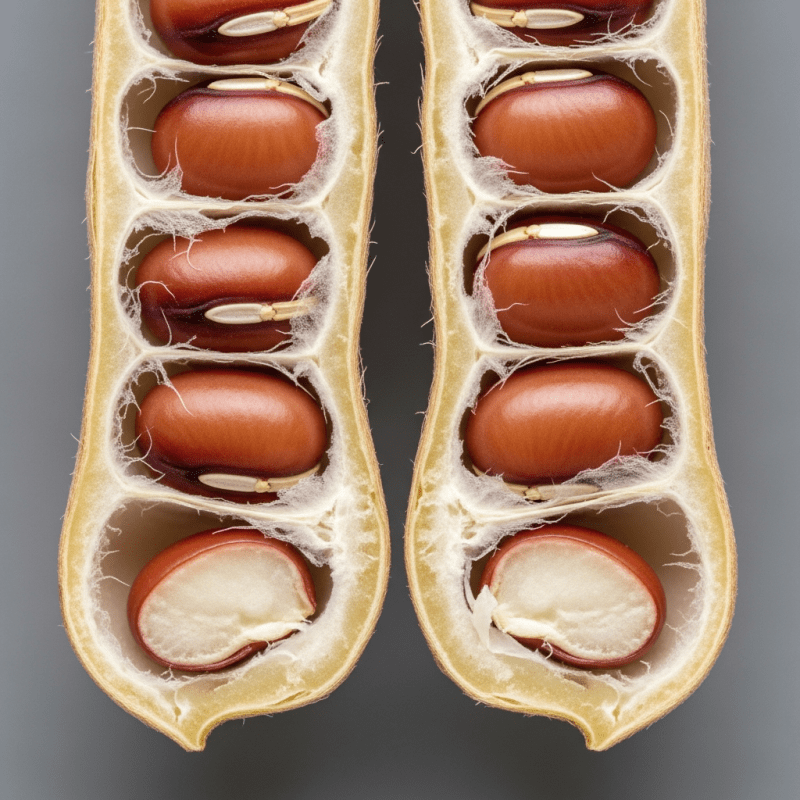
Soft cotton tee, unisex sizes
Buy ShirtDeeply woven into East Asian traditions, adzuki beans are a symbol of celebration and good fortune. In Japan, they are the heart of anko (sweet red bean paste), featured in iconic confections like mochi and dorayaki. Chinese cuisine incorporates adzuki beans in festive sweets, mooncakes, and red bean buns, while in Korea they appear in desserts such as patbingsu and rice cakes. Their presence in rituals, holidays, and everyday fare highlights their enduring cultural importance.
Adzuki beans were domesticated in East Asia, with evidence of cultivation in China as early as 3000 BCE. Ancient farmers selected for traits such as seed color, size, and maturation period, leading to the diverse varieties grown today. Unlike many modern crops, adzuki bean pedigrees are largely undocumented, as most varieties are landraces or local selections. In recent decades, breeding programs in China, Japan, and Korea have focused on yield, disease resistance, and adaptation, but the crop's history remains rooted in centuries-old agricultural traditions.
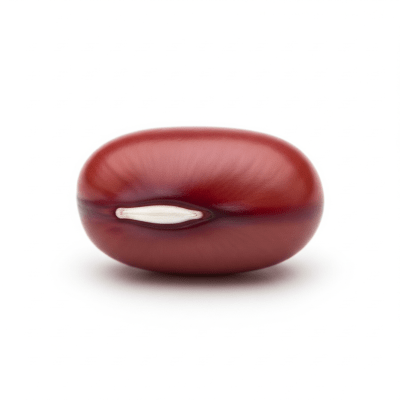

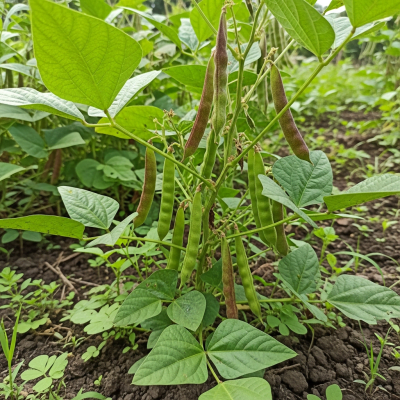
The adzuki bean is an annual, erect or semi-erect herbaceous plant. It grows to 30–90 cm tall, with trifoliate leaves and small, pale flowers. Pods develop in axillary racemes, maturing over 60–120 days depending on variety and climate. Each pod contains 6–12 small seeds. The plant is moderately drought-tolerant but sensitive to waterlogging and salinity, making well-drained, loamy soils ideal for cultivation. After harvest, seeds are stable if kept dry and cool, though bruchid beetles can cause post-harvest losses if not managed.
Like other legumes, adzuki beans form a symbiotic relationship with Rhizobium bacteria in their roots, enabling them to fix atmospheric nitrogen. This biological process enriches the soil, reducing the need for synthetic fertilizers and supporting sustainable agriculture. Adzuki beans are often used as green manure or in crop rotations, helping maintain soil fertility and structure for future plantings.
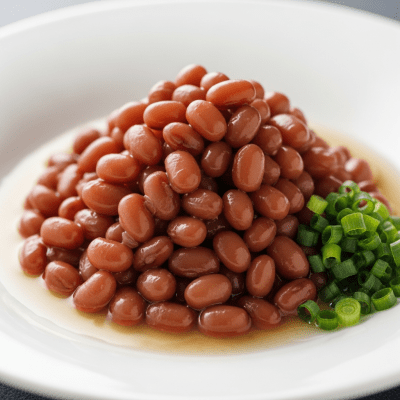
Adzuki beans are prized for their sweet flavor and rapid cooking time. In Japan, they are the main ingredient in anko (sweet red bean paste), featured in confections like mochi, dorayaki, and taiyaki. Chinese cuisine uses them in sweet soups, mooncakes, and buns, while Korean dishes include patbingsu and rice cakes. Adzuki beans are also cooked whole in savory soups and stews, or processed into flour, sprouts, and fermented products. Nutritionally, they offer protein, fiber, minerals, and vitamins, making them a wholesome addition to diverse diets.
Adzuki beans are commercially significant in China, Japan, South Korea, and Taiwan, with exports reaching North America, Europe, and Southeast Asia. They are often labeled as "red beans" in trade, though this can cause confusion with kidney beans. Market grades depend on seed size, color, and purity. The FAO commodity code for adzuki beans is 1767, while the USDA groups them under "dry edible beans." Their international demand supports a vibrant trade, especially for use in traditional sweets and specialty foods.
Adzuki beans show resistance to some soil-borne pathogens and moderate tolerance to common legume pests. However, they are susceptible to anthracnose (caused by Colletotrichum species), powdery mildew, and the bean weevil (Callosobruchus chinensis). Effective management and breeding for disease resistance are ongoing priorities, especially in regions with high pest pressure. Proper storage is essential to prevent losses from bruchid beetle infestation.