
Acacia
Acacia is a diverse genus of legumes renowned for its ecological versatility, ornamental beauty, and economic value, especially in Australia, Africa, and the Americas.
Acacia is a diverse genus of legumes renowned for its ecological versatility, ornamental beauty, and economic value, especially in Australia, Africa, and the Americas.
First described by Carl Linnaeus in 1753, Acacia’s name is rooted in the Greek word akis, meaning point or barb, reflecting the spiny nature of many species. The genus originated and diversified across Australia, Africa, and the Americas, with Australia hosting the greatest species richness. Taxonomic revisions in recent decades have split Acacia into several segregate genera, but the name is retained for the Australian group. Domestication and selection have occurred regionally, focusing on uses such as edible seeds, gum production, and ornamental landscaping.
Acacia belongs to the Fabaceae (Leguminosae) family, one of the largest and most ecologically significant plant families. Within Fabaceae, Acacia is classified as a genus, though recent phylogenetic research has led to the recognition of segregate genera like Vachellia, Senegalia, Acaciella, and Mariosousa in some regions. The genus is characterized by its pod-bearing fruit and ability to fix atmospheric nitrogen, aligning it with the core traits of legumes.
Acacias display remarkable morphological diversity, ranging from compact shrubs under one meter to towering trees exceeding thirty meters. Their leaves may be finely bipinnate or transformed into phyllodes—flattened leaf stalks common in Australian species. The small, fragrant flowers are typically yellow or cream, clustered in globular heads or cylindrical spikes, while the fruit is a pod containing seeds that vary in size and edibility. Many species feature spines or thorns, contributing to their distinctive texture and silhouette.
Acacia species serve multiple roles in human and ecological systems. They are widely planted as ornamentals for their striking foliage and blooms, used in land rehabilitation and erosion control due to their rapid growth and nitrogen-fixing abilities, and valued as forage for livestock in arid regions. Commercially, Acacia provides timber, fuelwood, and non-timber products like gum arabic—a key export commodity. In Australia, certain species are harvested for edible seeds, integral to Indigenous diets and increasingly popular as bush foods.
Bring this kind into your world illustrated posters, mugs, and shirts.

Archival print, museum-grade paper
Buy Poster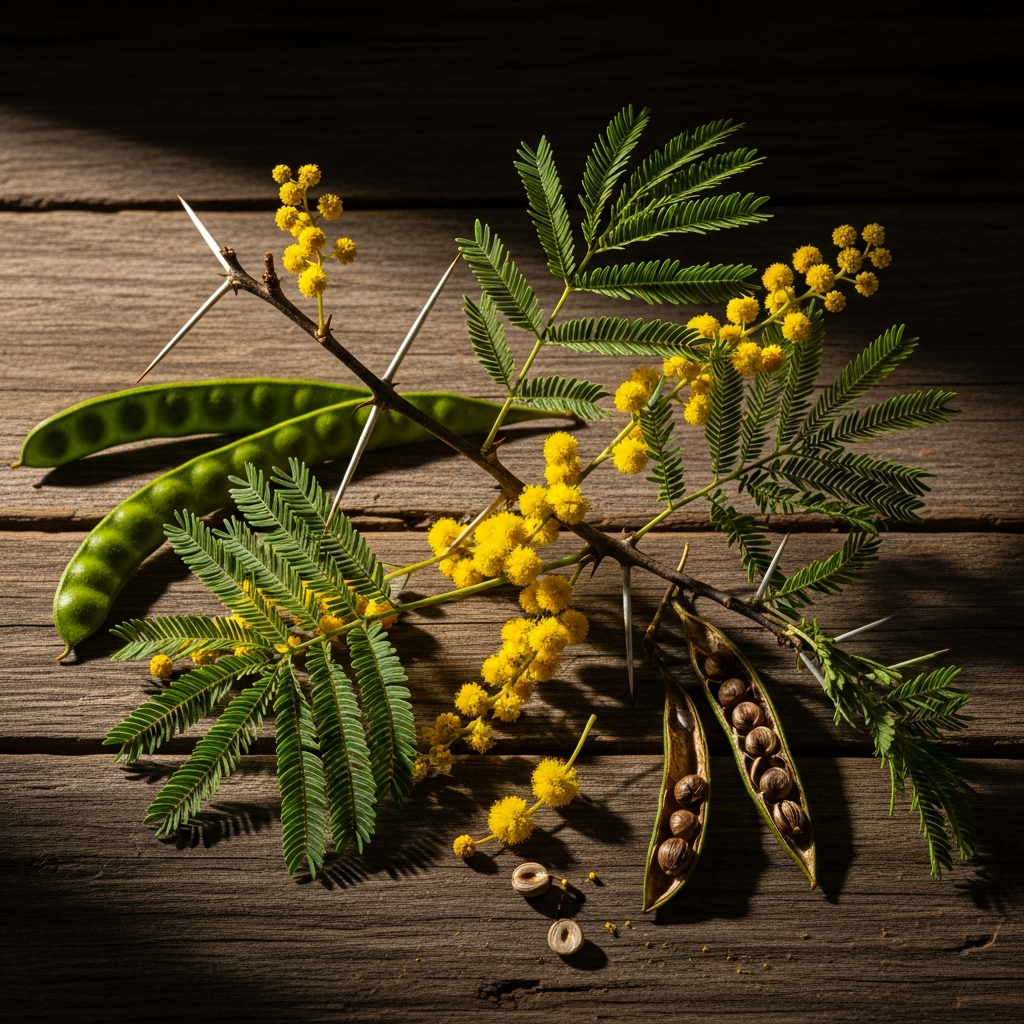
Stoneware mug, dishwasher safe
Buy Mug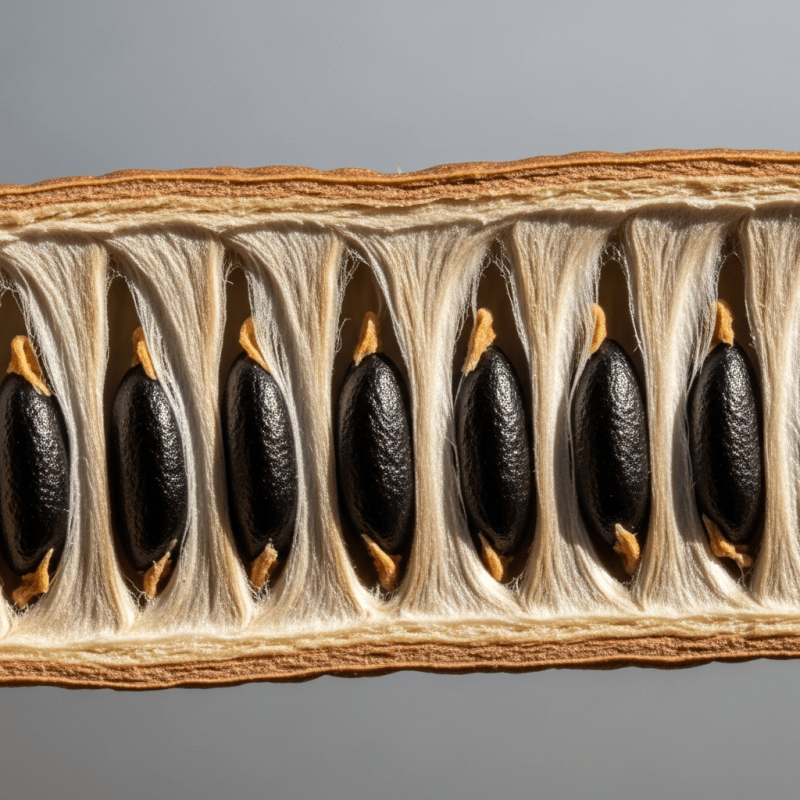
Soft cotton tee, unisex sizes
Buy ShirtAcacia holds deep cultural resonance, especially in Australia, where "wattle" is a national symbol and features in art, literature, and celebration (such as Wattle Day). In Africa, "thorn trees" are iconic in savanna landscapes and folklore. Gum arabic from Acacia senegal is historically significant in trade and cuisine, while ornamental acacias like Acacia dealbata (mimosa) are cherished in horticulture worldwide. Indigenous Australian communities have long utilized Acacia seeds as staple foods, embedding the plant in traditional knowledge and culinary heritage.
Acacia is a naturally occurring genus, with regional domestication and selection for specific traits such as edible seeds, gum production, and ornamental value. The genus has no single wild progenitor or breeder, as it is widely distributed and diversified. Historical uses date back centuries, with gum arabic trade linking Africa to global markets and Indigenous Australians cultivating and harvesting wattle seeds. Taxonomic history is complex, marked by Linnaeus’s initial description and subsequent revisions that split the genus based on genetic studies.
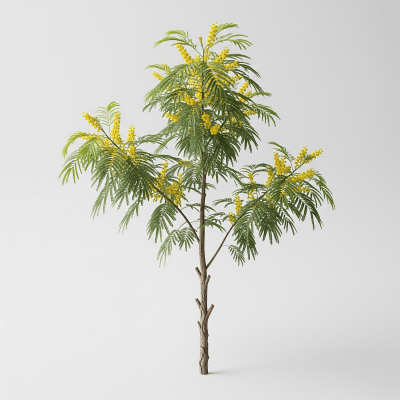
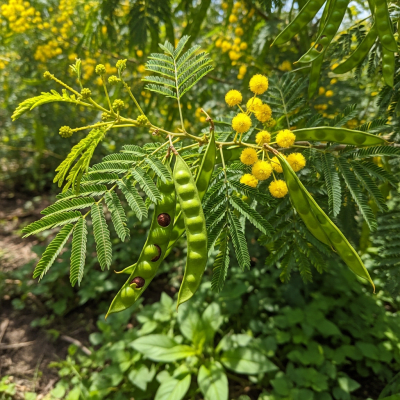
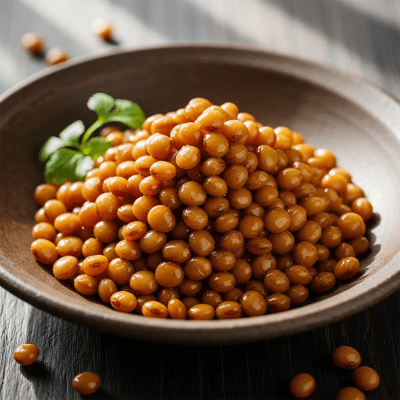
Acacia species exhibit a wide range of growth habits, from small, short-lived shrubs to robust, long-lived trees. Their lifecycle and maturity duration vary greatly by species and environment. Many acacias are adapted for rapid establishment, making them ideal for land rehabilitation. Leaves may be bipinnate or phyllodes, and flowering occurs in dense, showy clusters. Fruit develops as pods, with seeds requiring scarification for germination in some species. Longevity and growth rates are highly variable, reflecting the genus’s ecological breadth.
Like all true legumes, Acacia forms symbiotic relationships with root nodule bacteria (such as Rhizobium), enabling the plant to fix atmospheric nitrogen. This process enriches the soil, improves fertility, and supports sustainable agriculture, especially in degraded or nutrient-poor environments. Acacia’s nitrogen-fixing ability makes it a valuable component in crop rotations, land restoration, and erosion control projects.
Several Acacia species, especially in Australia, yield edible seeds that are roasted, ground into flour, or used whole in cooking. These seeds are rich in protein and have been a staple in Indigenous diets for millennia. Gum arabic, derived from African Acacia species, is widely used as a food stabilizer and emulsifier. While nutritional profiles vary by species, Acacia products contribute fiber, minerals, and functional ingredients to diverse diets and culinary traditions.
Acacia’s commercial importance spans ornamental landscaping, forage, timber, fuelwood, and non-timber products. Gum arabic is a major export from Africa, regulated under FAO commodity code 0579, and is essential in food, pharmaceuticals, and cosmetics. Australian wattle seed is increasingly marketed as a bush food. Acacia wood is prized for its durability in furniture and construction, while ornamental varieties are popular worldwide. Trade names and regulatory codes vary by product and region.
Most Acacia species are resilient to pests and diseases, benefiting from their adaptability and robust growth. However, some are susceptible to fungal pathogens and insect pests, which can affect seeds, foliage, or wood. Disease and pest resistance traits vary by species, with drought-tolerant types generally less vulnerable in arid environments. Management practices and species selection help mitigate risks in cultivation and restoration projects.
Acacia is known by many regional and vernacular names: "wattle" in Australia, "thorn tree" in Africa, and "gum tree" for gum-producing species. Taxonomic synonyms and segregate genera include Vachellia, Senegalia, Acaciella, and Mariosousa, with usage varying by region and authority. Notable ornamental species are Acacia dealbata (silver wattle, also called "mimosa" in horticulture) and Acacia baileyana (Cootamundra wattle). Trade names such as "gum arabic" and "Australian wattle seed" reflect key commercial products. Some species, like Acacia nilotica, are now classified as Vachellia nilotica in certain taxonomies.