Velvet Bean
Velvet bean (Mucuna pruriens) is a vigorous climbing legume prized for its multifaceted roles in agriculture, nutrition, and traditional medicine, especially in tropical and subtropical regions.
Velvet bean (Mucuna pruriens) is a vigorous climbing legume prized for its multifaceted roles in agriculture, nutrition, and traditional medicine, especially in tropical and subtropical regions.
Native to southern Asia—particularly India and Southeast Asia—velvet bean has a centuries-old history in indigenous farming systems. Its cultivation spread naturally across Africa, the Americas, and other tropical regions, adapting to diverse climates and soils. Unlike many commercial crops, velvet bean’s domestication was gradual and decentralized, shaped by local selection for traits such as reduced seed toxicity and improved agronomic performance. Today, numerous landraces and regional varieties reflect this rich, grassroots heritage.
Velvet bean belongs to the botanical family Fabaceae (Leguminosae), within the subfamily Faboideae and genus Mucuna. Its accepted scientific name is Mucuna pruriens. Like all legumes, it is characterized by podded fruits and the ability to fix atmospheric nitrogen, placing it among the most ecologically valuable plant groups. Velvet bean is classified as both a food and forage legume, with some varieties cultivated for pharmaceutical use.
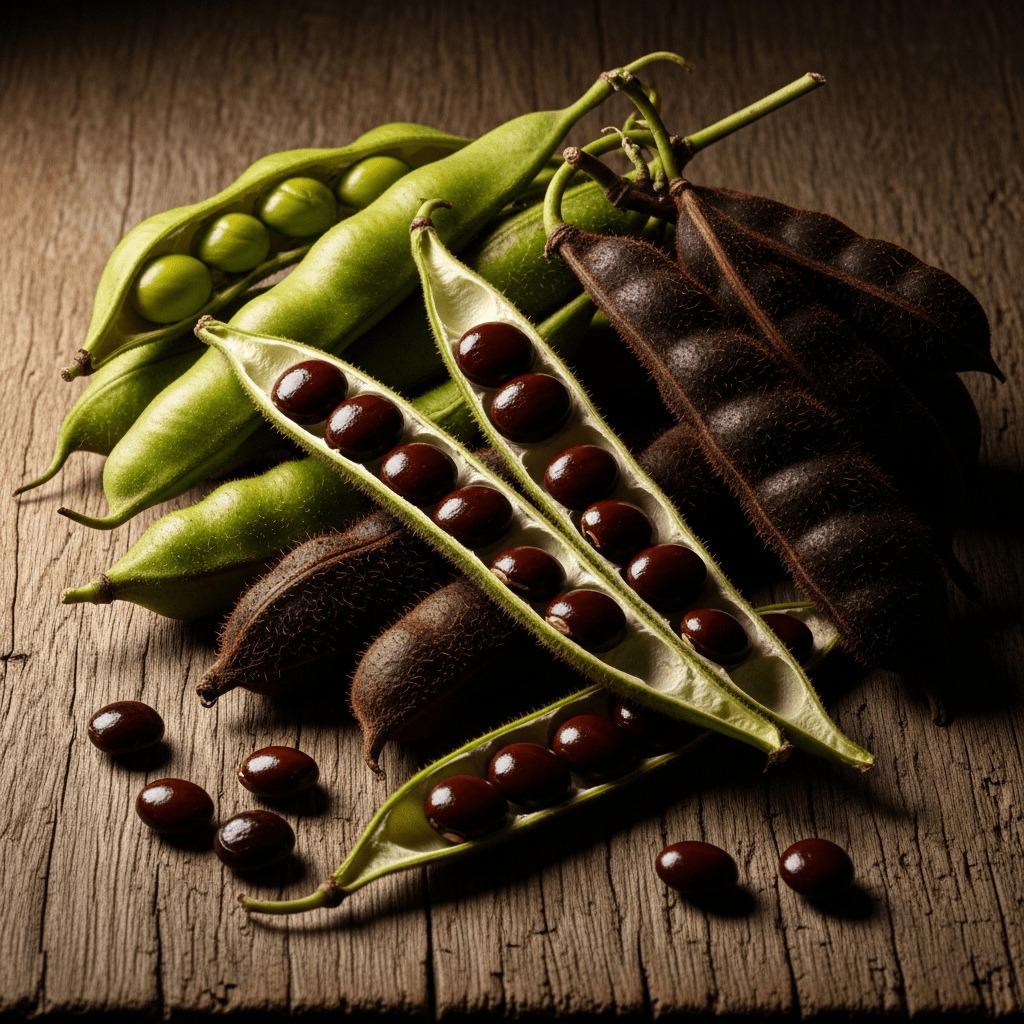
Velvet bean is a robust annual or short-lived perennial vine, often reaching lengths of 3–18 meters. Its trifoliate leaves are lush and green, while the flowers range from purple to white, adding ornamental appeal. The elongated pods (10–15 cm) are covered in dense, irritant hairs (trichomes) that can cause severe itching upon contact—a distinctive trait. Seeds are large, oval, and vary in color from white and brown to black and mottled, depending on the variety.
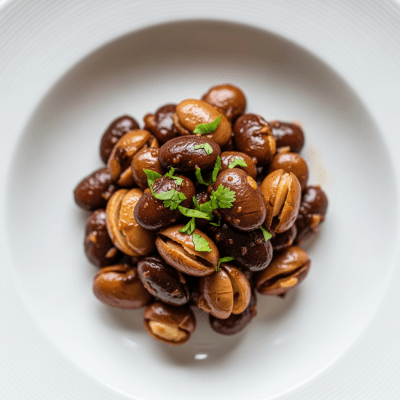
Velvet bean is valued for its rapid growth, high biomass production, and exceptional nitrogen-fixing ability. As a green manure and cover crop, it enriches soil fertility, suppresses weeds, and helps restore degraded land. In livestock systems, it serves as nutritious forage—fed as fresh green matter, hay, or silage—though raw seeds are avoided due to toxicity. For human consumption, seeds are detoxified by boiling or fermentation before being eaten whole, ground into flour, or used in traditional dishes. The plant is also cultivated for pharmaceutical extraction of L-DOPA, a compound used in treating neurological disorders.
Bring this kind into your world illustrated posters, mugs, and shirts.
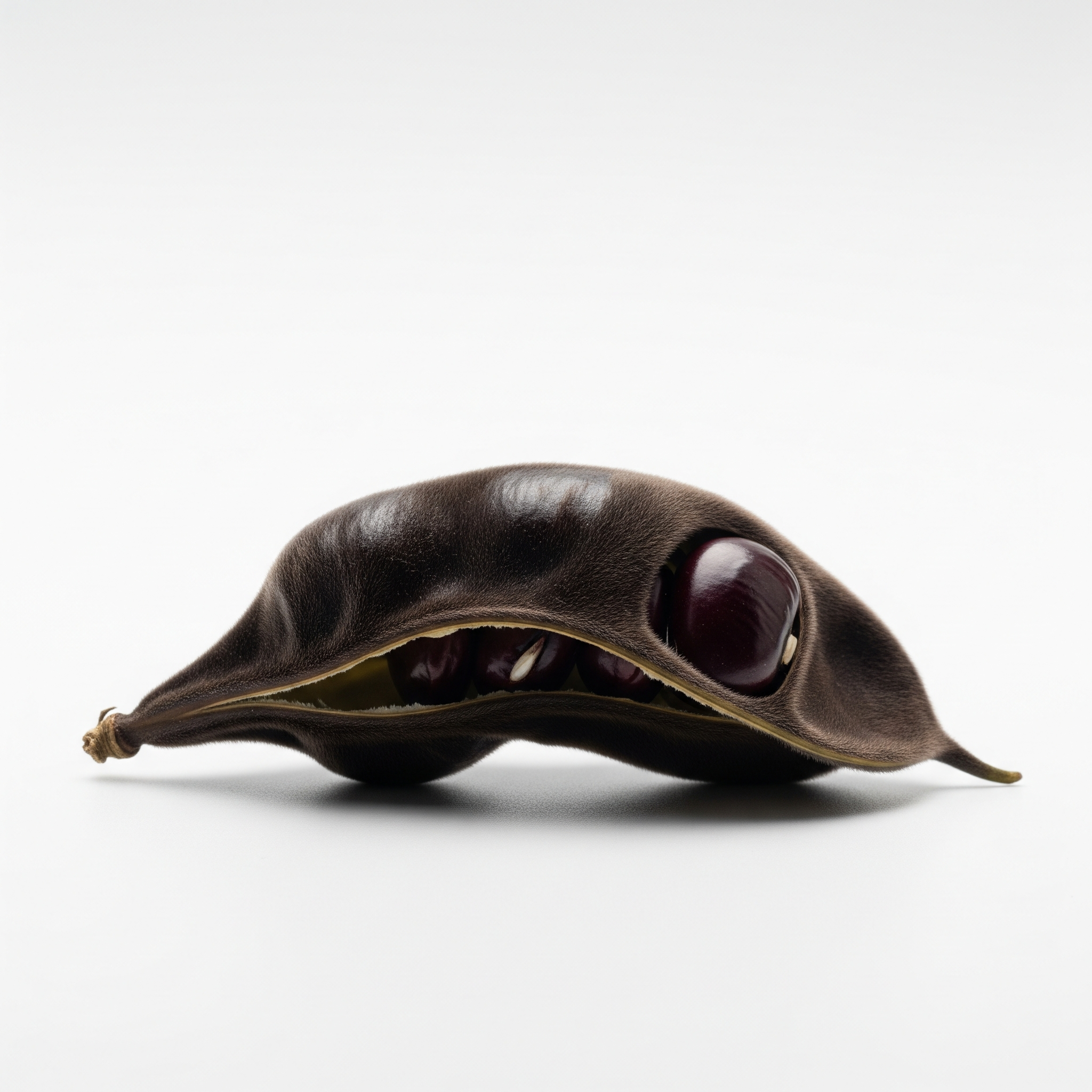
Archival print, museum-grade paper
Buy Poster
Stoneware mug, dishwasher safe
Buy Mug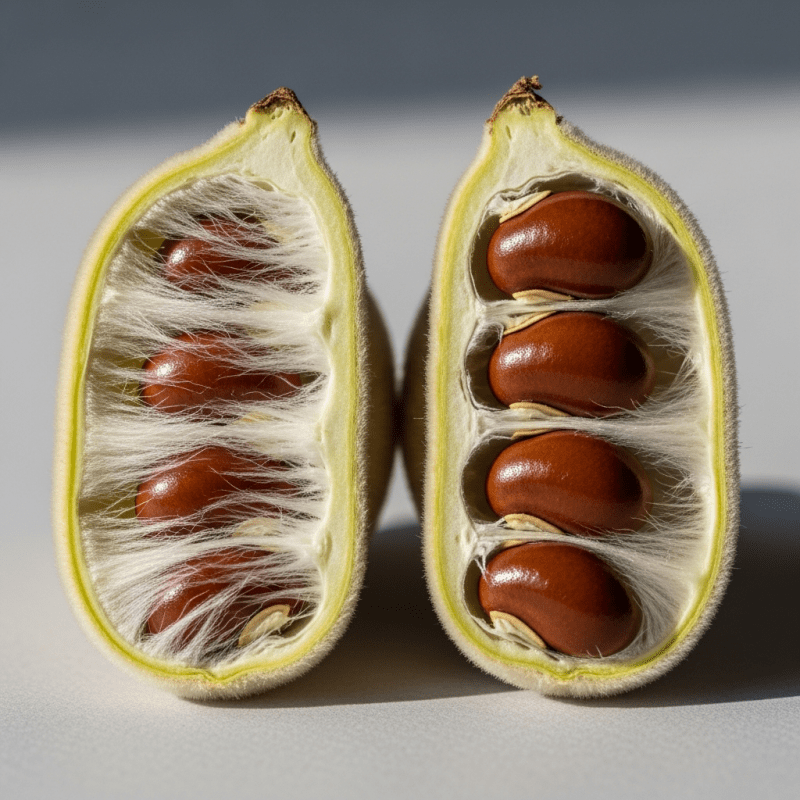
Soft cotton tee, unisex sizes
Buy ShirtVelvet bean holds a special place in traditional medicine, especially in Ayurveda, where its seeds are used for their L-DOPA content to treat conditions such as Parkinson’s disease. In West Africa, it features in local cuisine after careful processing, and its resilience has made it a staple in sustainable farming practices across the tropics. The plant’s irritant pods have inspired folklore and cautionary tales, while its role in soil restoration and livestock feeding is celebrated in agricultural communities.
Velvet bean’s domestication traces back to ancient agricultural systems in southern Asia, where it was valued for soil improvement and nutrition. Over centuries, its cultivation spread to tropical Africa and the Americas, adapting to local conditions and uses. Selection for reduced seed toxicity and improved agronomic traits occurred at the community level, resulting in a diversity of landraces. Modern breeding efforts in India, Nigeria, and Brazil have focused on forage and green manure types, but the crop remains rooted in traditional, decentralized cultivation.
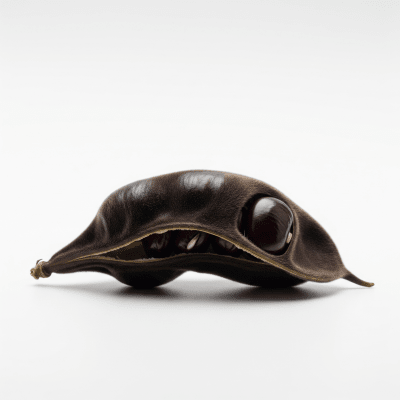
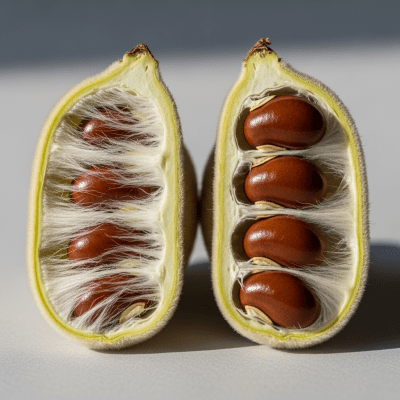
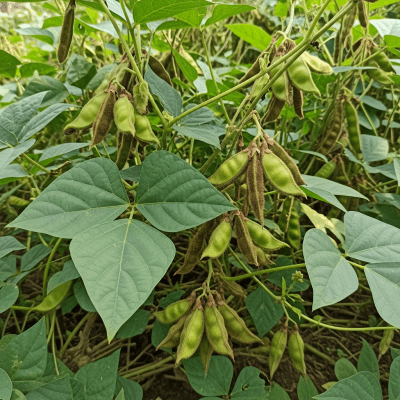
Velvet bean grows as a vigorous annual or short-lived perennial vine, rapidly climbing and sprawling up to 18 meters. It develops trifoliate leaves, striking flowers, and elongated pods during its lifecycle. The plant matures quickly, producing abundant biomass and seeds within a single growing season. Its resilience allows it to thrive in poor soils and under drought or acidic conditions, making it a reliable choice for tropical farming systems.
Like other legumes, velvet bean forms a symbiotic relationship with soil bacteria to fix atmospheric nitrogen, enriching the soil and reducing the need for synthetic fertilizers. Its rapid growth and dense foliage suppress weeds and prevent erosion, while its high biomass contributes organic matter to improve soil structure and fertility. Velvet bean is especially valued as a green manure and cover crop in sustainable agriculture, helping restore degraded lands and support crop rotations.
Velvet bean seeds are consumed in parts of Asia, Africa, and Latin America, but only after thorough boiling or fermentation to reduce anti-nutritional compounds such as L-DOPA and trypsin inhibitors. The seeds are eaten whole, ground into flour, or incorporated into traditional dishes. Nutritionally, velvet bean is high in protein and contains unique bioactive compounds. In Ayurveda and other traditional medicine systems, it is valued for its neurological benefits. As forage, it provides a protein-rich supplement for livestock, though raw seeds are avoided due to toxicity.
Velvet bean is primarily produced for local and regional use, with limited international trade. Most market activity centers on its roles as a forage crop, green manure, and source of pharmaceutical L-DOPA. There are no specific FAO or USDA commodity codes for velvet bean; it is often grouped under “other pulses” or “forage legumes” in trade statistics. Global production volumes are not well documented, reflecting its niche status in commercial agriculture.
Velvet bean generally exhibits good resilience in tropical climates but can be susceptible to pod borers and fungal infections. Its robust growth helps it outcompete many weeds and tolerate poor soils, drought, and acidity. Improved lines have been developed for greater pest and disease resistance, though careful management is still required in humid regions to prevent crop losses.
Velvet bean is known by many regional names and exists in several local forms. Scientific synonyms include Mucuna pruriens var. utilis (cultivated, less irritant), Mucuna pruriens var. pruriens (wild type), and Mucuna aterrima. Common aliases are velvet bean, cowitch, cowhage, atmagupta (Hindi), feijão-de-porco (Portuguese/Brazil), nescafé (Spanish), karas (Indonesia), Yoruba bean, and Agbala (West Africa). Regional variants differ in seed color, pod hairiness, and toxicity, with local culinary traditions adapting processing methods to ensure safe consumption.