Peanut
The peanut (Arachis hypogaea) is a globally important legume valued for its edible seeds, rich oil content, and versatile culinary uses.
The peanut (Arachis hypogaea) is a globally important legume valued for its edible seeds, rich oil content, and versatile culinary uses.
Peanuts originated in South America, specifically in the region spanning modern-day Bolivia, Paraguay, and Brazil. Archaeological findings indicate that domestication began over 3,500 years ago, with the crop emerging from hybridization between wild species Arachis duranensis and Arachis ipaensis. Following European exploration and colonization, peanuts spread worldwide, becoming a staple in agriculture and cuisine across Asia, Africa, and North America.
Botanically, the peanut belongs to the Fabaceae family, commonly known as legumes. Its scientific name is Arachis hypogaea. Unlike many other legumes, peanuts are classified as oilseeds due to their high fat content, though their podded fruit and nitrogen-fixing abilities firmly place them within the legume group. Cultivars are further grouped by growth habit and seed traits, including Runner, Virginia, Spanish, and Valencia types.
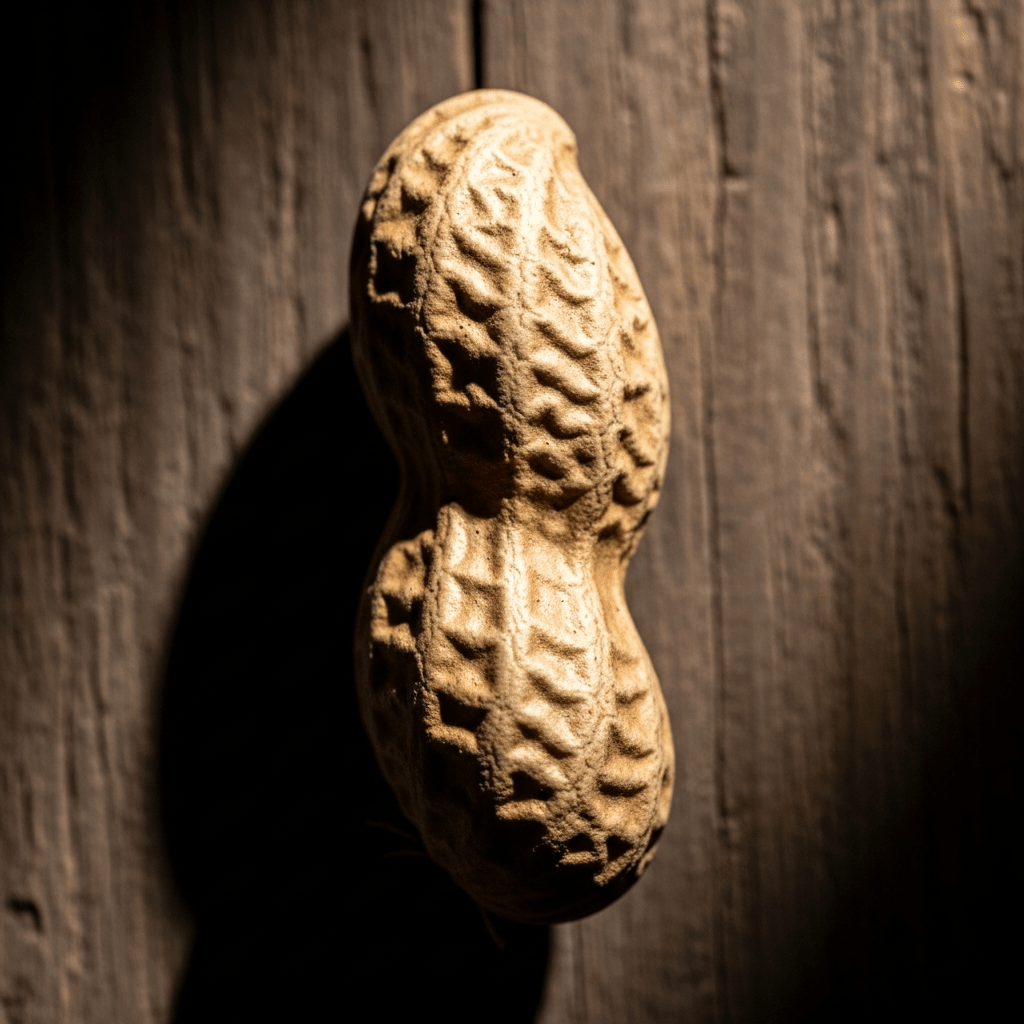
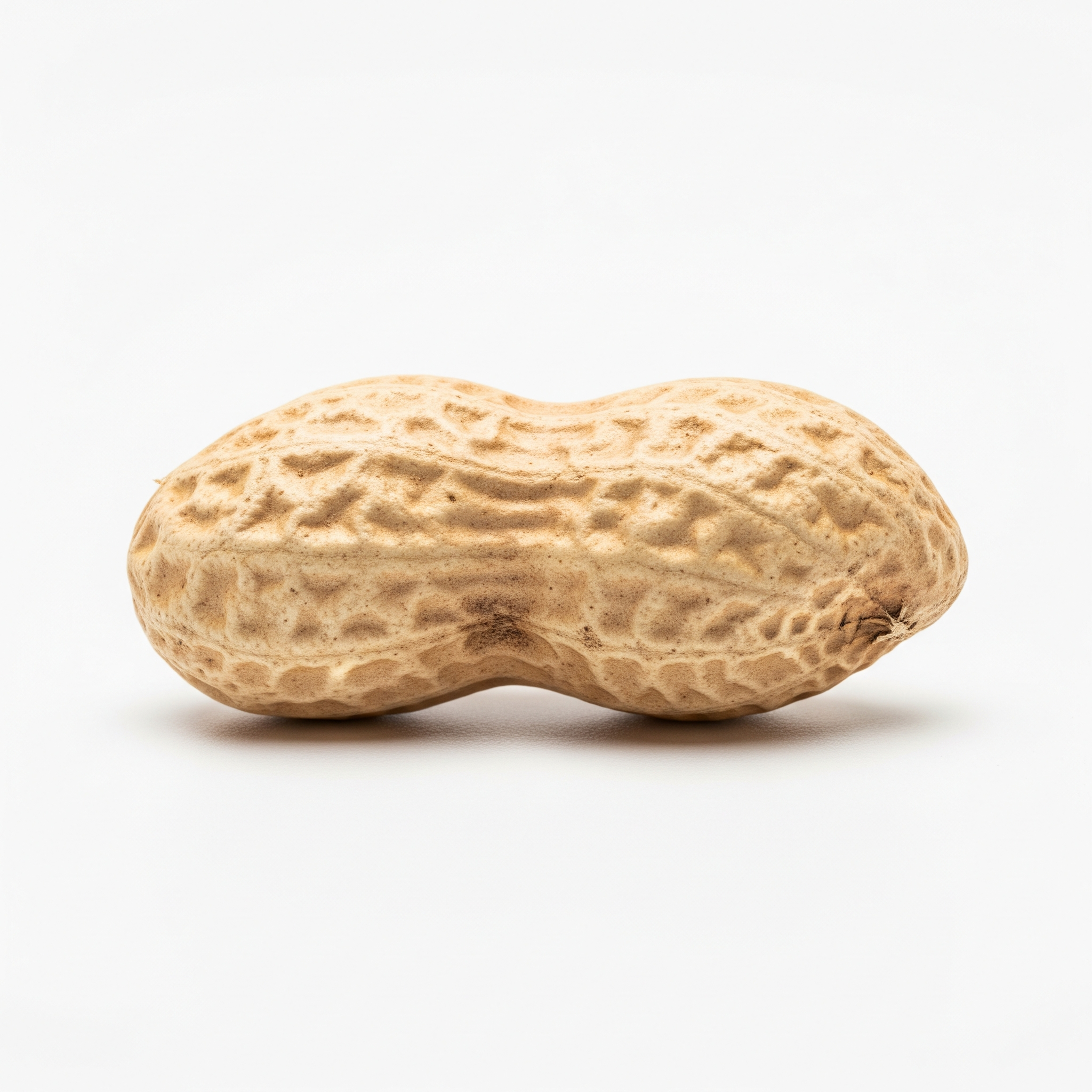
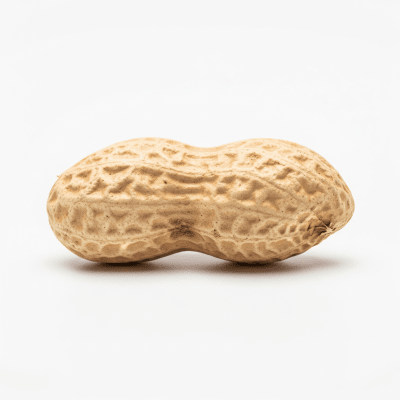
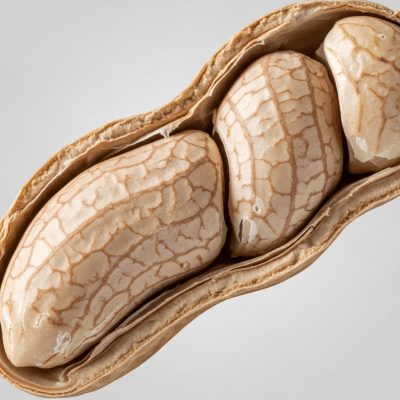
Peanut plants are low-growing, annual herbs reaching 30–50 cm in height. They feature pinnate leaves with four leaflets and small, yellow, self-pollinating flowers. After pollination, the fertilized ovary elongates and burrows into the soil, where the distinctive pods mature underground—a process called geocarpy. The pods are rough, netted, and typically 3–7 cm long, containing one to four seeds. Peanut seeds vary in color from tan and red to purple or black, depending on the variety.
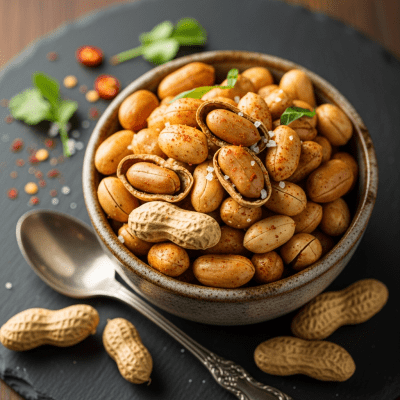
Peanuts are cultivated for their seeds, which are consumed raw, roasted, boiled, or processed into products like peanut butter and oil. The plant’s underground pod development protects seeds from many pests and environmental stresses. By-products such as peanut cake and hulls are used in animal feed and soil amendment, while the crop’s nitrogen-fixing roots enrich soil for subsequent plantings.
Bring this kind into your world illustrated posters, mugs, and shirts.
Archival print, museum-grade paper
Buy Poster
Stoneware mug, dishwasher safe
Buy Mug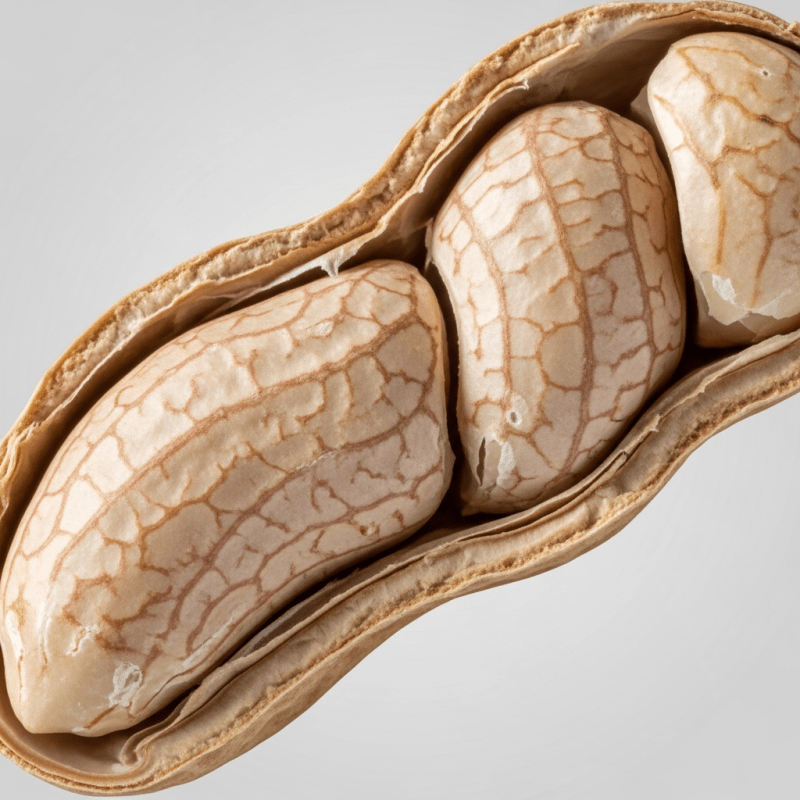
Soft cotton tee, unisex sizes
Buy ShirtPeanuts hold a prominent place in global cuisine and culture. They are central to dishes such as African groundnut stew, Asian satay, and American peanut brittle. In the United States, peanuts are synonymous with peanut butter—a staple food—and are celebrated in festivals and folklore. The crop’s widespread use and adaptability have made it a symbol of agricultural innovation and resilience in many societies.
Peanut domestication began in South America over 3,500 years ago, with archaeological evidence pointing to early cultivation in the Andean foothills. The crop’s unique genetic makeup stems from hybridization between two wild species, resulting in an allotetraploid plant. After European contact, peanuts spread rapidly across continents, adapting to diverse climates and farming systems. Modern breeding programs have focused on disease resistance, yield improvement, and oil quality, led by institutions such as ICRISAT and the USDA.
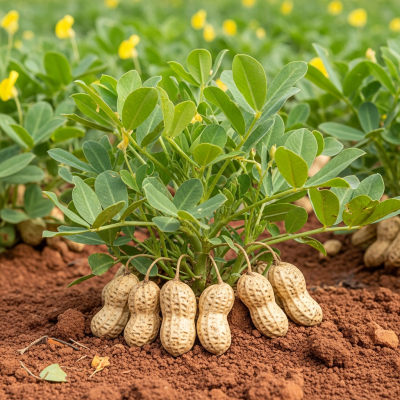
Peanut plants are annuals with a prostrate or erect growth habit, depending on the variety. After germination, the plant produces leafy stems and yellow flowers above ground. Upon fertilization, the ovary extends downward, embedding itself in the soil, where pods mature over 90–150 days. The lifecycle concludes with harvest when pods reach full size and seeds attain optimal oil and protein content.
Like other legumes, peanuts form a symbiotic relationship with nitrogen-fixing bacteria (Bradyrhizobium) in their roots. This process converts atmospheric nitrogen into forms usable by plants, reducing the need for synthetic fertilizers and enhancing soil fertility. Peanut cultivation is often integrated into crop rotations to improve soil health and support sustainable agriculture.
Peanuts are enjoyed in countless culinary forms: eaten raw, roasted, boiled, or ground into peanut butter. They feature in global dishes such as groundnut stew (Africa), satay sauce (Asia), and peanut brittle (Americas). Nutritionally, peanuts are rich in protein, healthy fats, fiber, vitamins, and minerals, making them a valuable food for energy and heart health. Peanut oil is prized for cooking due to its mild flavor and high smoke point.
Peanuts are a major cash crop, with leading producers including China, India, Nigeria, the United States, and Sudan. The crop is traded internationally under codes such as FAO 0242 and USDA ARHY, with strict quality standards, especially regarding aflatoxin contamination. Peanuts and their products are vital to food industries, oil production, and animal feed markets worldwide.
Peanuts face several disease threats, notably early and late leaf spot, peanut rust, and aflatoxin-producing molds. Breeding programs have developed varieties with improved resistance to leaf spot, rust, nematodes, and enhanced oil quality. Proper storage and handling are crucial to prevent mold growth and aflatoxin contamination, which can impact food safety and trade eligibility.
Peanuts are known by many names worldwide: groundnut (Africa, South Asia, UK), goober (Southern US), monkey nut (UK), pindar, maní (Spanish), arachide (French), and amendoim (Portuguese). Key regional varieties include Spanish, Virginia, Runner, and Valencia types, each distinguished by pod shape, seed color, and culinary use. Trade codes and local terminology may vary by country and market.