Origin Story
Lizards trace their origins back to the Mesozoic Era, evolving millions of years ago alongside early dinosaurs. Their ancestors emerged as part of the Squamata order, diversifying through time to adapt to a wide range of environments across continents. This long evolutionary history has shaped their remarkable diversity seen today.
Classification
Classified within the suborder Lacertilia (also known as Sauria), lizards belong to the order Squamata under the class Reptilia. This group excludes snakes and amphisbaenians, focusing on true lizards across families such as Gekkonidae (geckos), Agamidae (agamas), Iguanidae (iguanas), Scincidae (skinks), Varanidae (monitors), and Chamaeleonidae (chameleons). Scientific naming follows binomial nomenclature, organizing species by genus and species for clarity and study.
Appearance or Form
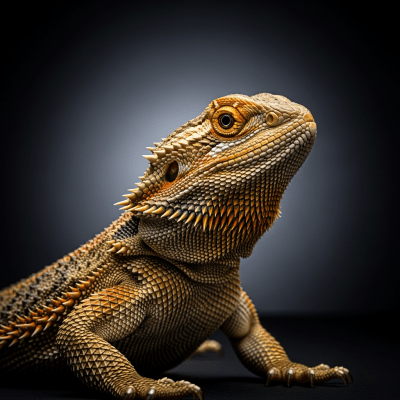
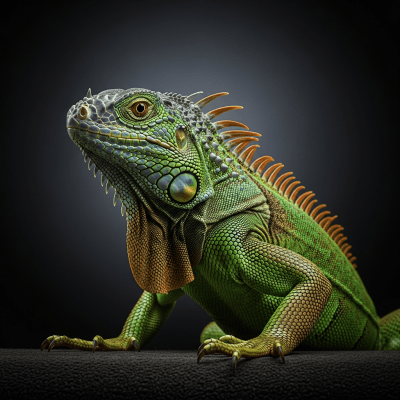
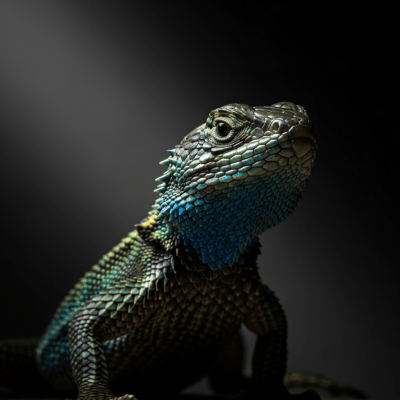
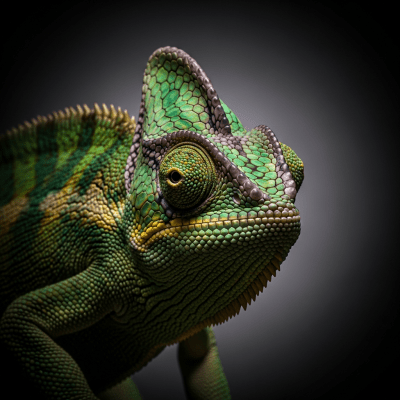
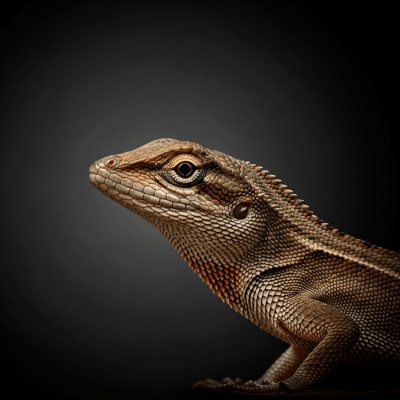
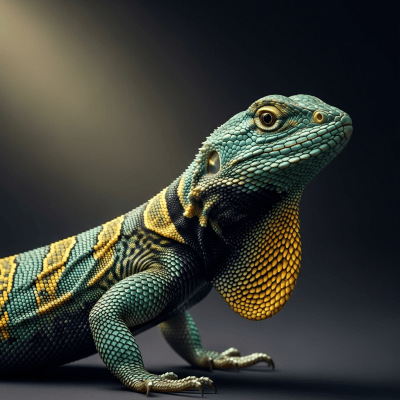
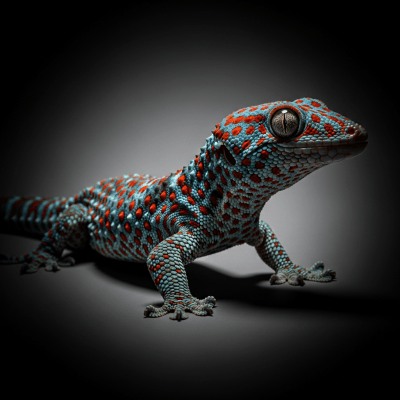
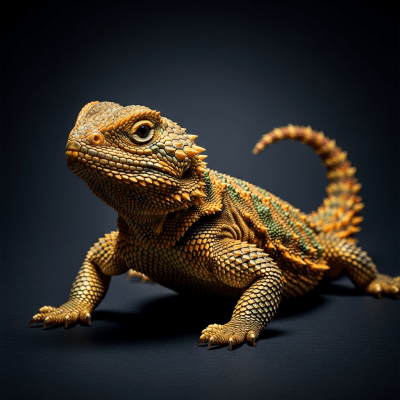
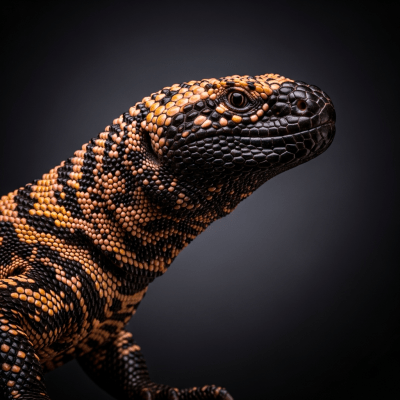
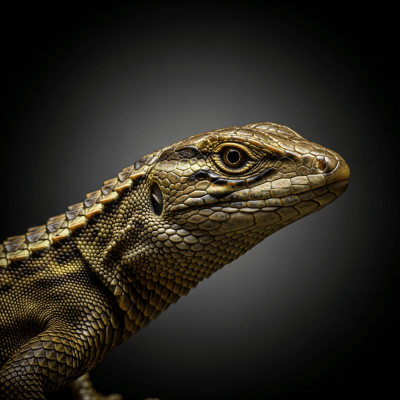
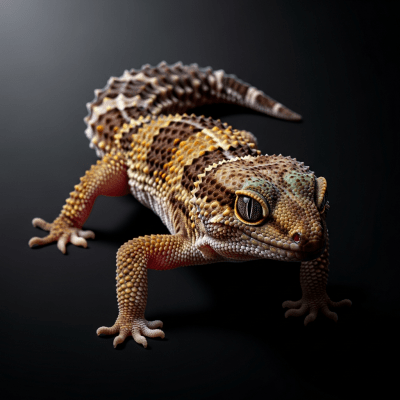
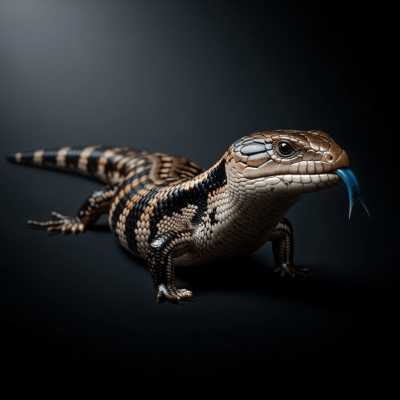
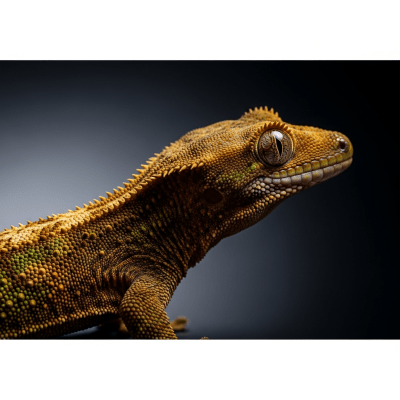
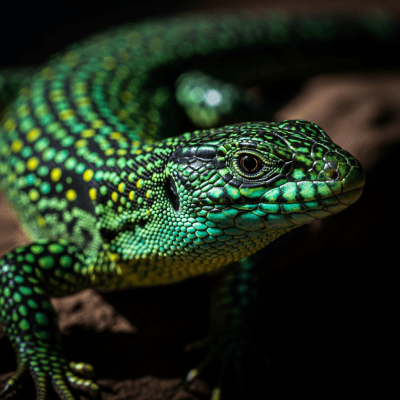
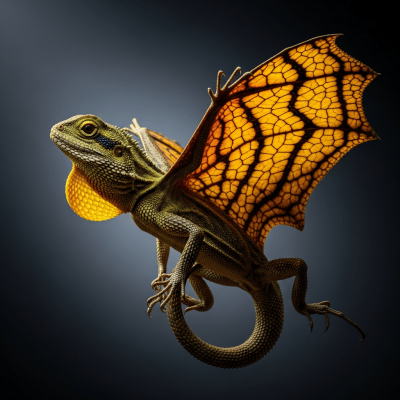
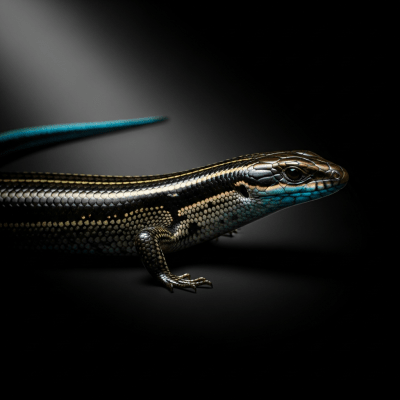
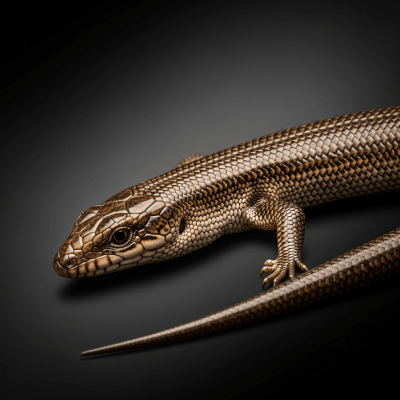
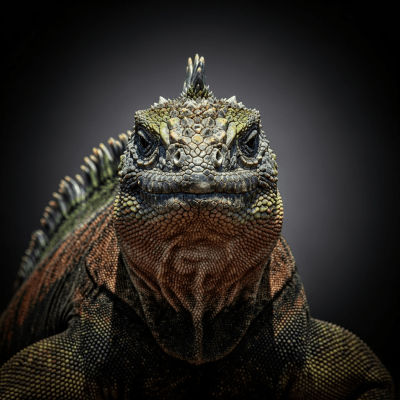
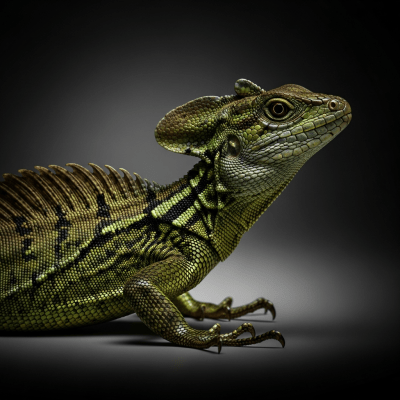
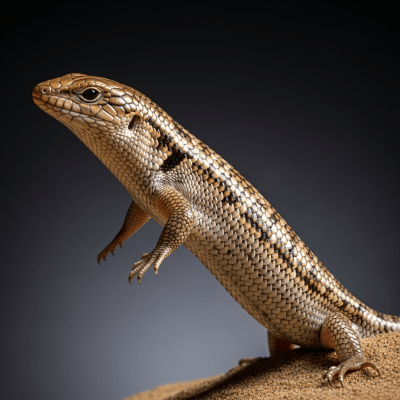
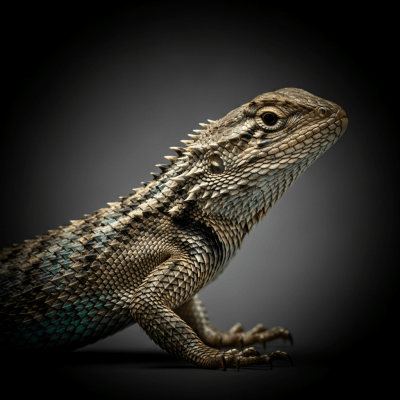
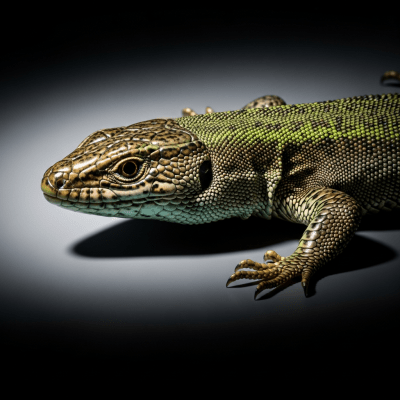
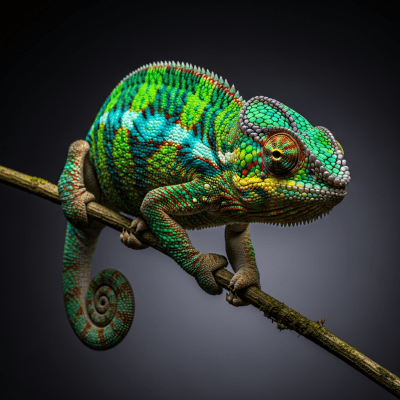
Lizards exhibit a wide range of physical forms, but commonly possess scaly skin, external ear openings, and movable eyelids. Most have four well-developed limbs, though some species have reduced limbs or are limbless. Their sizes vary dramatically—from tiny geckos to the large Komodo dragon. Coloration and scale texture often reflect their habitat, aiding in camouflage or display.
Behavior or Usage
Lizards display diverse behaviors including territorial displays, complex mating rituals, and varied feeding strategies ranging from insectivory to herbivory. Many are adept climbers or burrowers, adapting to arboreal, terrestrial, or fossorial lifestyles. Humans interact with lizards through pet keeping, ecological study, and cultural symbolism, while some species contribute to pest control in their environments.