Origin Story

First described scientifically by Duméril & Bibron in 1837, the Brown Anole originates from Cuba and the Bahamas. Over time, it has been introduced to the southeastern United States—especially Florida—and various Caribbean islands, primarily through accidental and intentional releases linked to the pet trade, establishing itself as a widespread invasive species beyond its native range.

Classification

The Brown Anole belongs to the genus Anolis within the family Dactyloidae. It is part of the suborder Lacertilia, encompassing true lizards, and is scientifically known as Anolis sagrei. Synonyms include Norops sagrei and Anolis sagrei sagrei, reflecting historical taxonomic variations.

Appearance or Form

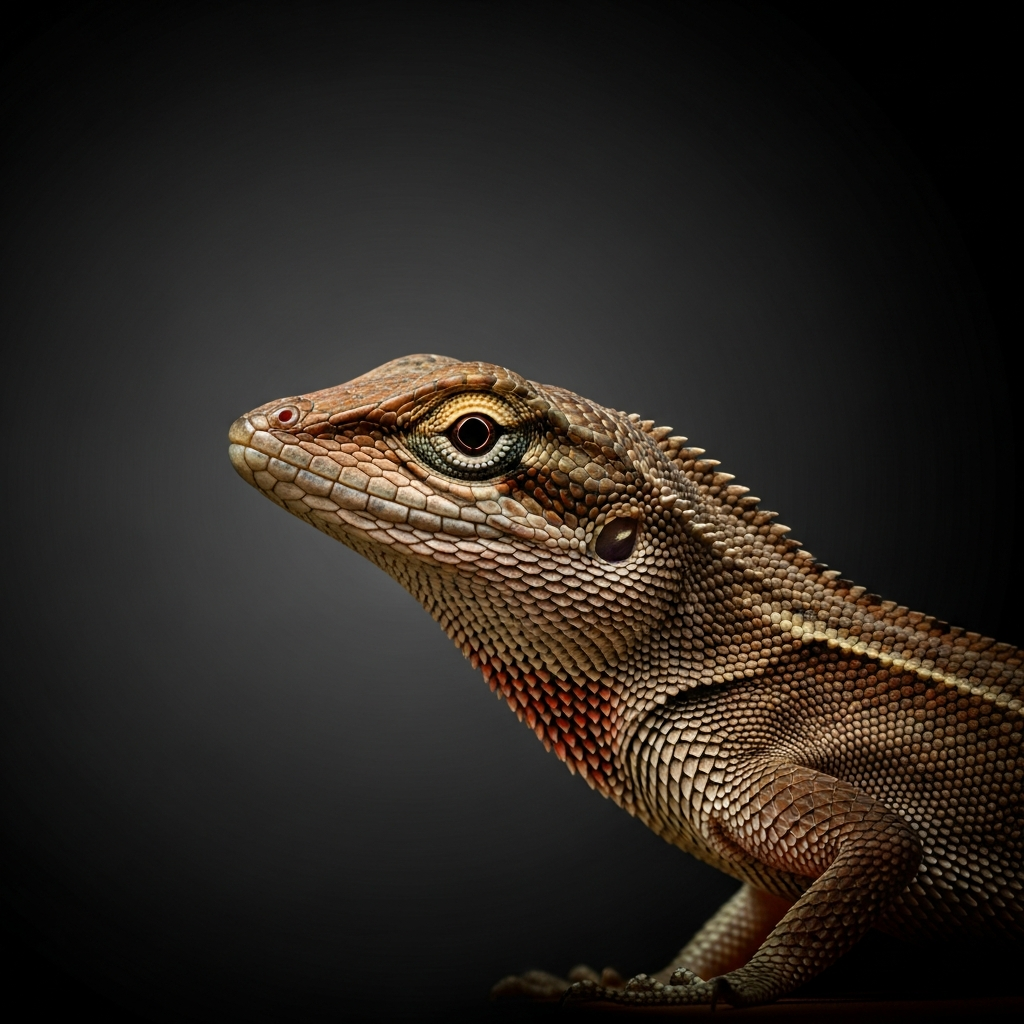
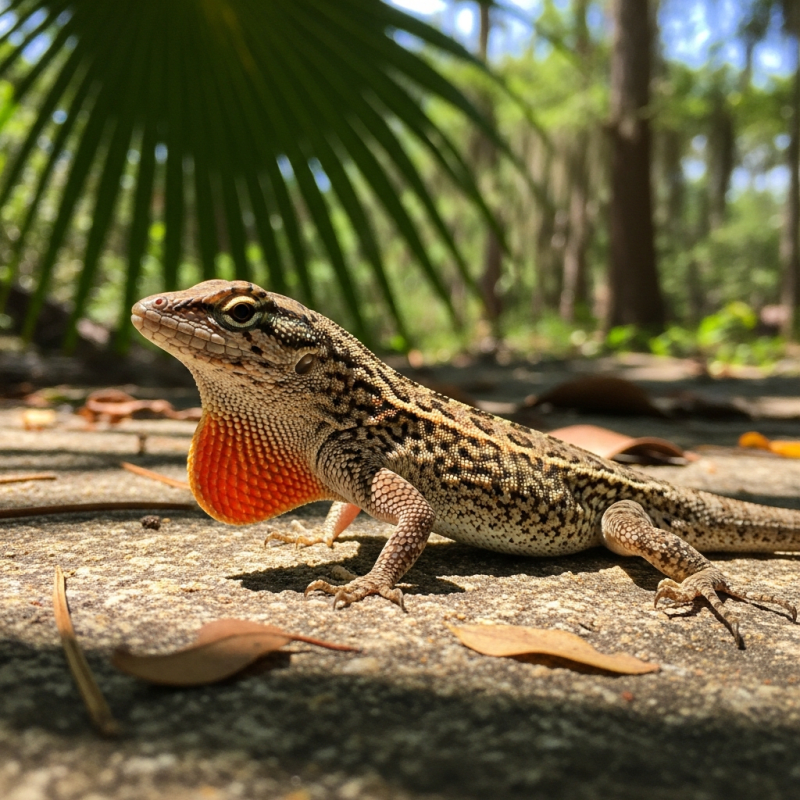
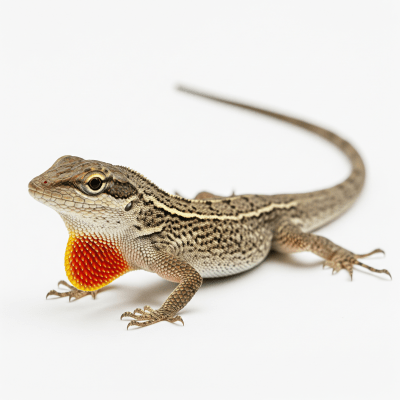
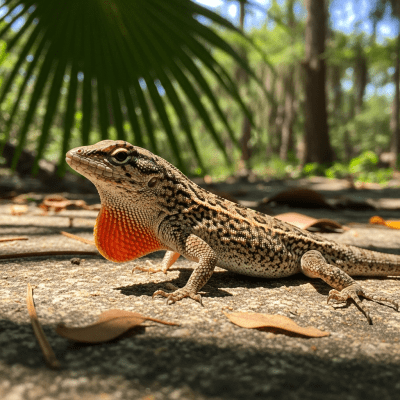
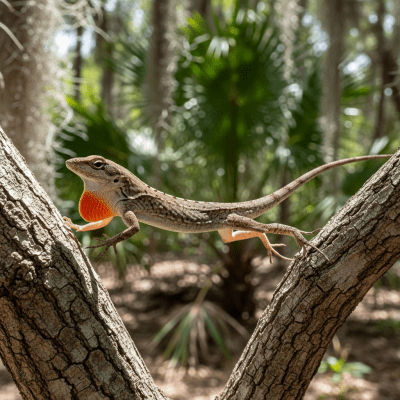
This species typically measures between 12.5 and 20.3 centimeters in total length, with males larger than females. Its robust body features short limbs and a tail often exceeding the body length. Coloration ranges from grayish to dark brown, often marked with darker patterns and a lighter dorsal stripe. Males are distinguished by a prominent orange-red dewlap edged with yellow, a key visual trait used in communication.

Behavior or Usage

The Brown Anole is diurnal and highly adaptable, occupying terrestrial, arboreal, and urban environments. It interacts dynamically within ecosystems, often outcompeting native anole species. Its behavior includes territorial displays using its vivid dewlap. While it has no direct utility to humans beyond ecological impact, it plays a significant role in shaping local reptile communities where introduced.

Merchandise & Prints

Bring this kind into your world � illustrated posters, mugs, and shirts.

Brown Anole Brown Anole Poster

Brown Anole Poster

Archival print, museum-grade paper

Brown Anole Brown Anole Mug

Brown Anole Mug

Stoneware mug, dishwasher safe

Brown Anole Brown Anole Shirt

Brown Anole Shirt

Soft cotton tee, unisex sizes

Attributes & Insights

Taxon-Specific Insights

🌍Cultural Significance

Though not prominent in traditional art or mythology, the Brown Anole holds cultural relevance in regions where it has become common, especially in Florida, where it is colloquially referred to simply as "anole." Its presence in the pet trade as a hardy and affordable reptile has further embedded it in popular culture among beginner reptile enthusiasts.

📌Notable Facts

  • The Brown Anole can rapidly displace native anole species through aggressive competition.
  • Males display a vivid orange-red dewlap edged with yellow, used for communication and territorial defense.
  • It thrives in a wide range of habitats, including urban and disturbed areas.
  • Despite its resilience, it is vulnerable to extreme cold temperatures.
  • It lays single eggs repeatedly during the breeding season, enabling quick population growth.

🌍Habitat And Distribution

The Brown Anole naturally inhabits Cuba and the Bahamas but has established populations across the southeastern United States, particularly Florida, and various Caribbean islands. It occupies diverse habitats including forests, shrublands, urban areas, and disturbed environments, demonstrating remarkable adaptability to both terrestrial and arboreal microhabitats.

Visual Variations

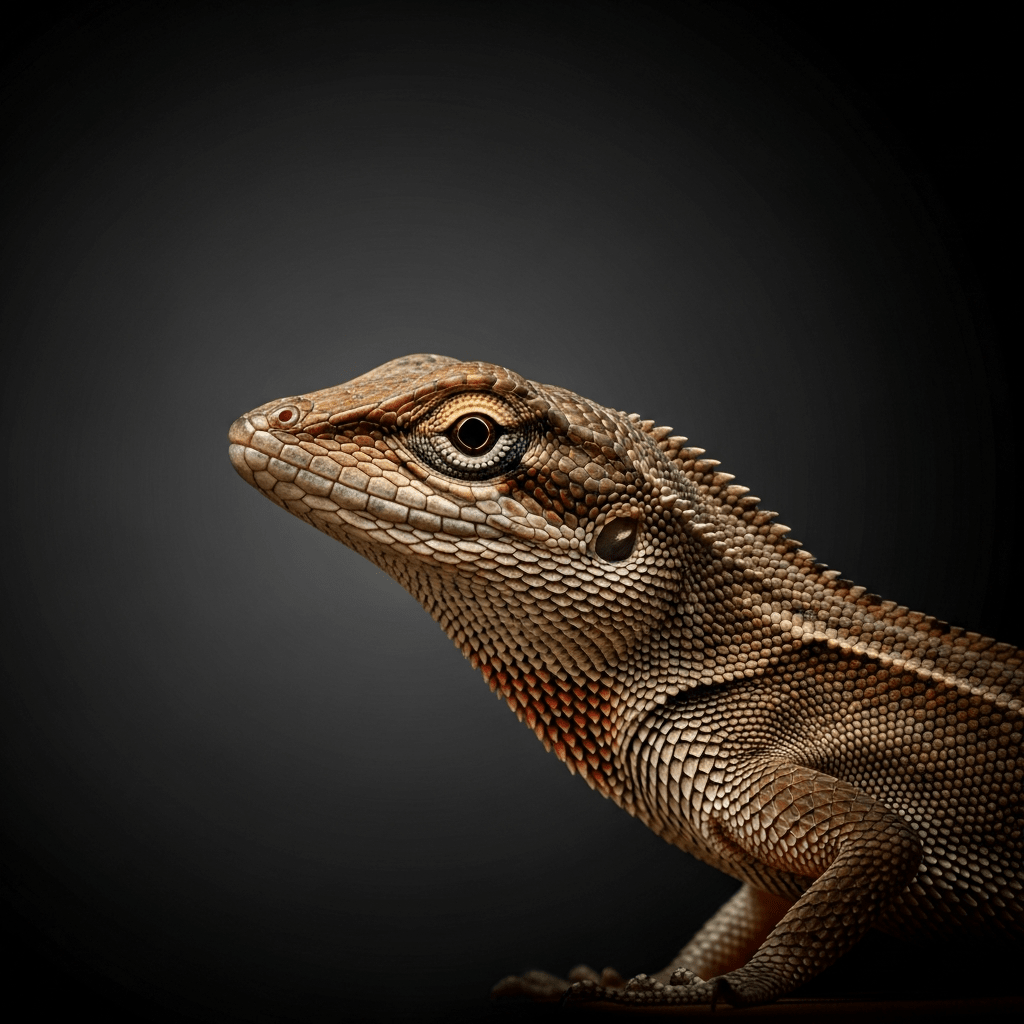
High quality studio photograph of a Brown Anole, part of the taxonomy lizards
Detailed image of a Brown Anole (lizards) in its natural habitat
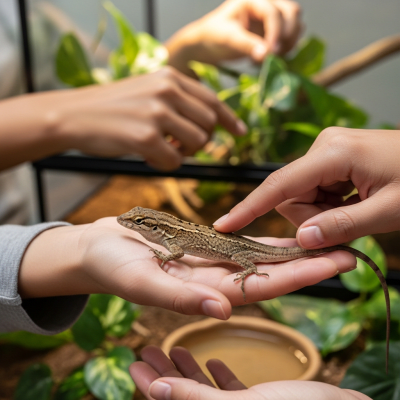
Image of a Brown Anole interacting with humans in a responsible pet-keeping context
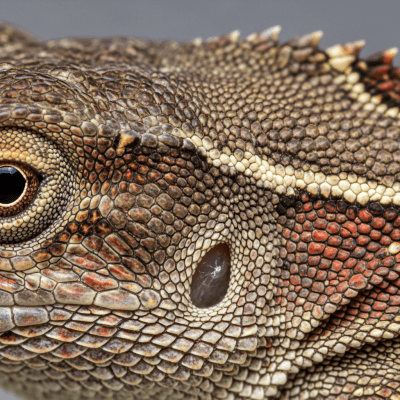
Macro close-up image of the skin texture and scale pattern of a Brown Anole, part of the taxonomy lizards
A dynamic action scene featuring a single Brown Anole (lizards) running, climbing, or catching prey in its typical environment

Composition & Context

Taxon-Specific Insights

🍽️Diet And Feeding

While specific diet details are not provided, Brown Anoles typically feed on small insects and arthropods, employing active hunting during daylight hours. Their diurnal activity supports foraging across varied environments, contributing to their success in both native and introduced ranges.

🦎Reproduction And Lifecycle

The Brown Anole is oviparous, laying single eggs at intervals throughout the breeding season. This reproductive strategy allows for rapid population expansion. Males are larger than females, and the species exhibits sexual dimorphism. Details on lifespan are not specified but their reproductive output supports their invasive potential.

🛡️Conservation Status

The Brown Anole is not currently considered threatened and thrives as an invasive species in many areas. Its resilience to habitat disturbance and predation aids its spread, though it remains susceptible to extreme cold. Conservation efforts focus more on managing its impact on native species rather than protecting the Brown Anole itself.

🏡Pet Care And Husbandry

Widely available in the pet trade, the Brown Anole is favored for its hardiness and suitability for beginner reptile keepers. While specific care requirements are not detailed here, they generally require environments mimicking their natural diurnal and arboreal habitats with appropriate temperature and lighting. No major health issues or captive breeding challenges are noted.

Faq

Q: Where is the Brown Anole originally from?
The Brown Anole is native to Cuba and the Bahamas.

Q: Is the Brown Anole harmful to native species?
Yes, it often outcompetes native anoles, especially in introduced areas like Florida.

Q: Can the Brown Anole be kept as a pet?
Yes, it is commonly kept as a hardy and inexpensive pet suitable for beginners.