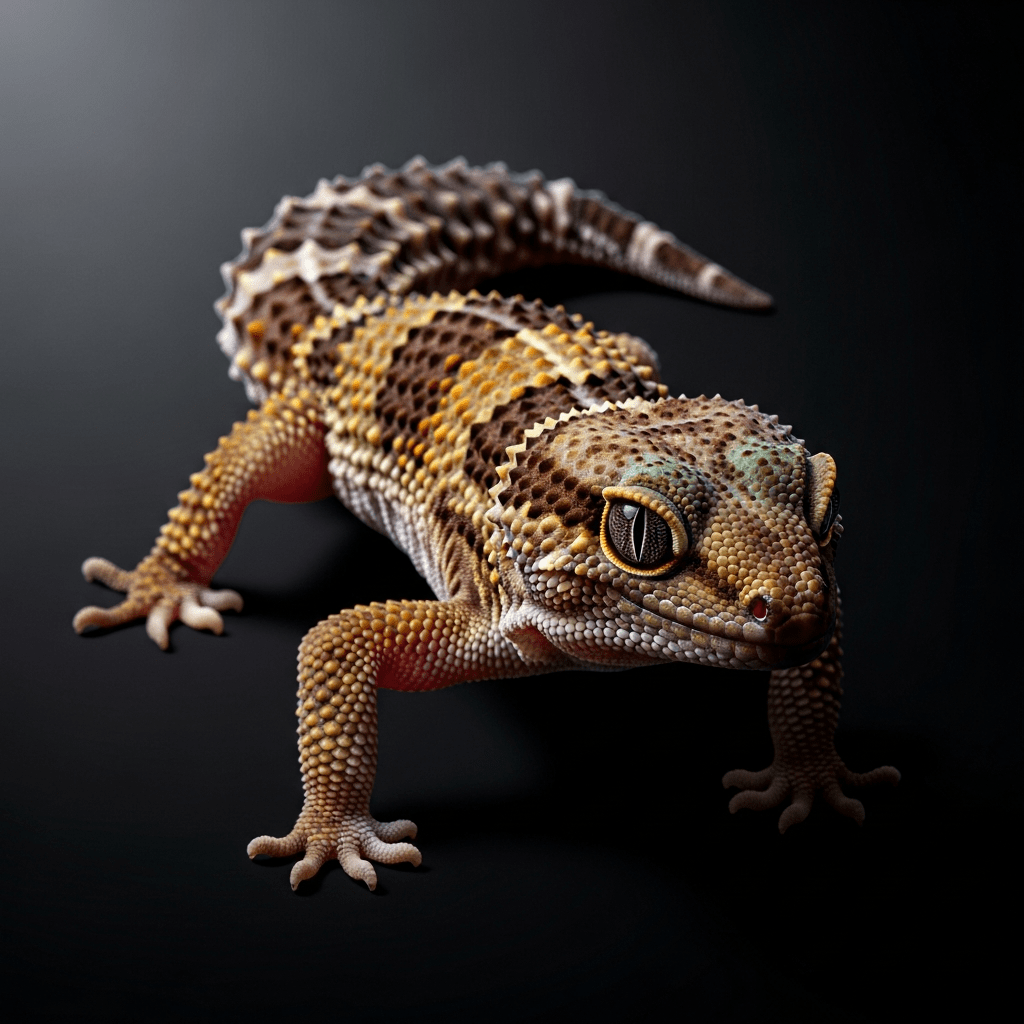
African Fat-Tailed Gecko
The African Fat-tailed Gecko (Hemitheconyx caudicinctus) is a medium-sized, terrestrial gecko native to West Africa, distinguished by its robust, fat-storing tail and calm, nocturnal nature.
The African Fat-tailed Gecko (Hemitheconyx caudicinctus) is a medium-sized, terrestrial gecko native to West Africa, distinguished by its robust, fat-storing tail and calm, nocturnal nature.
First described by J.E. Gray in 1842, the African Fat-tailed Gecko originates from the arid and semi-arid regions of West Africa, including countries such as Senegal, Mali, Nigeria, Ghana, and Cameroon. While wild populations thrive in this native range, captive breeding for color morphs began in the late 20th century among private reptile enthusiasts.
This species belongs to the family Eublepharidae, within the genus Hemitheconyx. It is part of the broader lizard suborder Lacertilia, which encompasses all true lizards distinguished by features like movable eyelids and external ear openings. Historically, it has also been referred to by the synonym Eublepharis caudicinctus.
The African Fat-tailed Gecko typically measures between 18 and 23 centimeters in total length. It features a broad, segmented tail that serves as a vital fat storage organ, aiding survival during scarce periods. Its coloration ranges from brown to tan with dark bands and occasional white stripes, providing effective camouflage in its natural environment. Unlike many geckos, it has movable eyelids, granular skin texture, and short limbs, contributing to its distinctive appearance.
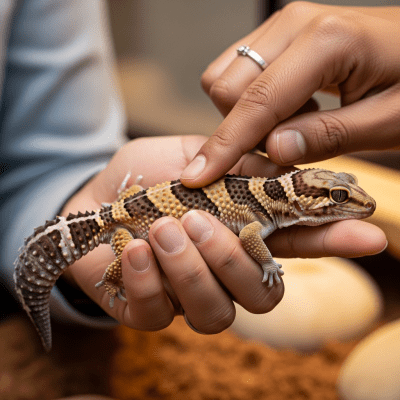
Nocturnal by nature, this gecko is primarily active during the night, foraging for insects such as crickets and mealworms. Its docile temperament makes it approachable and popular among reptile keepers. In the wild, it thrives in terrestrial habitats with arid conditions, relying on its fat-storing tail to endure periods of food scarcity.
Bring this kind into your world illustrated posters, mugs, and shirts.
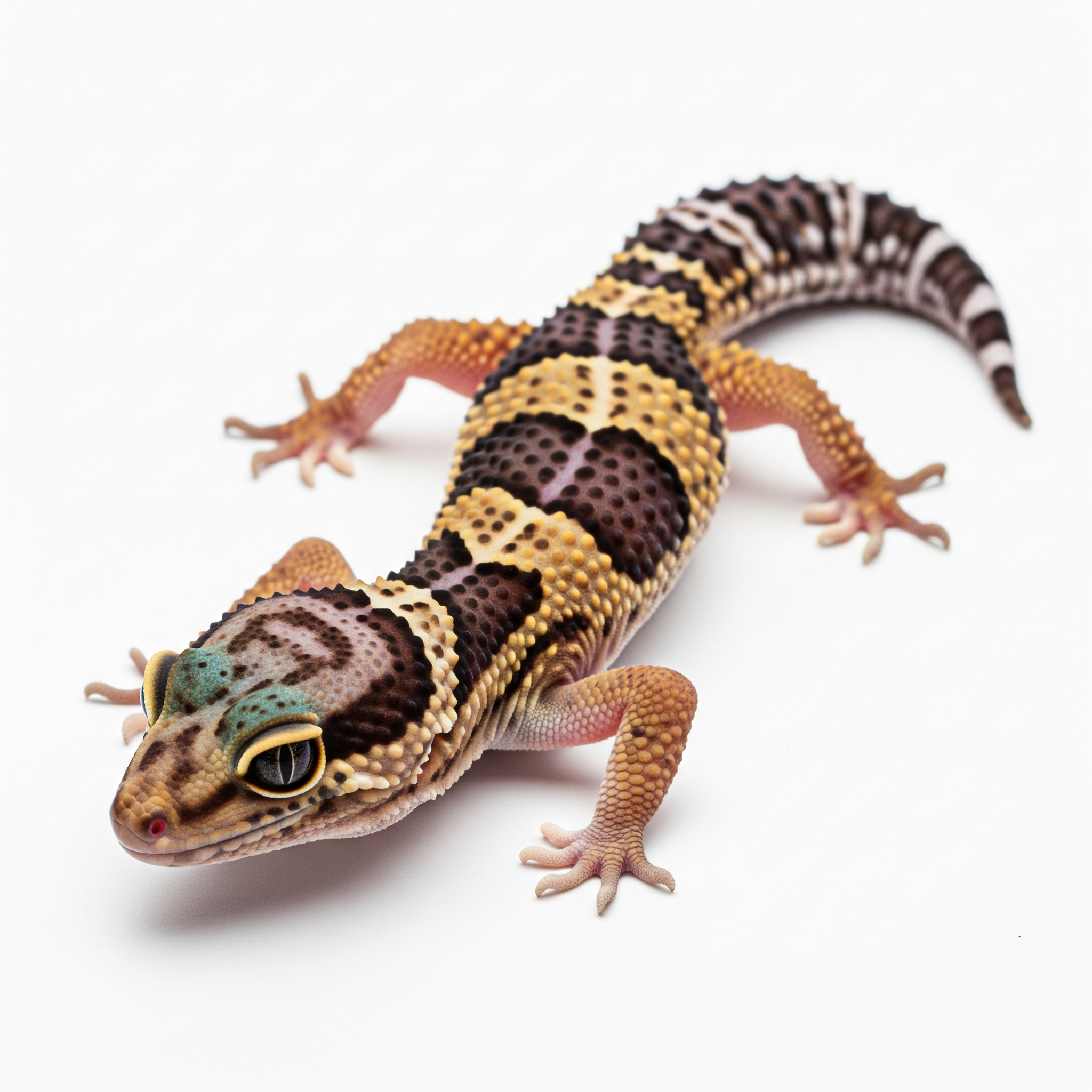
Archival print, museum-grade paper
Buy Poster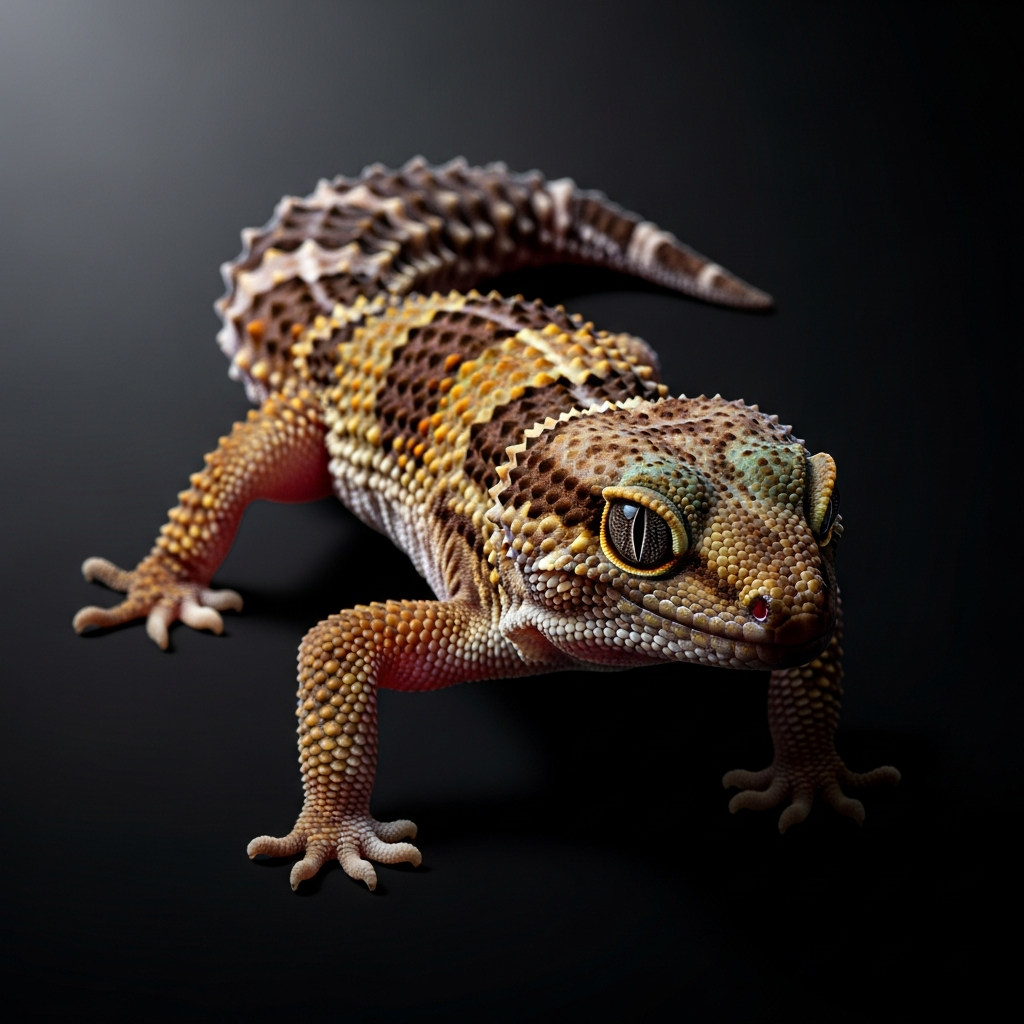
Stoneware mug, dishwasher safe
Buy Mug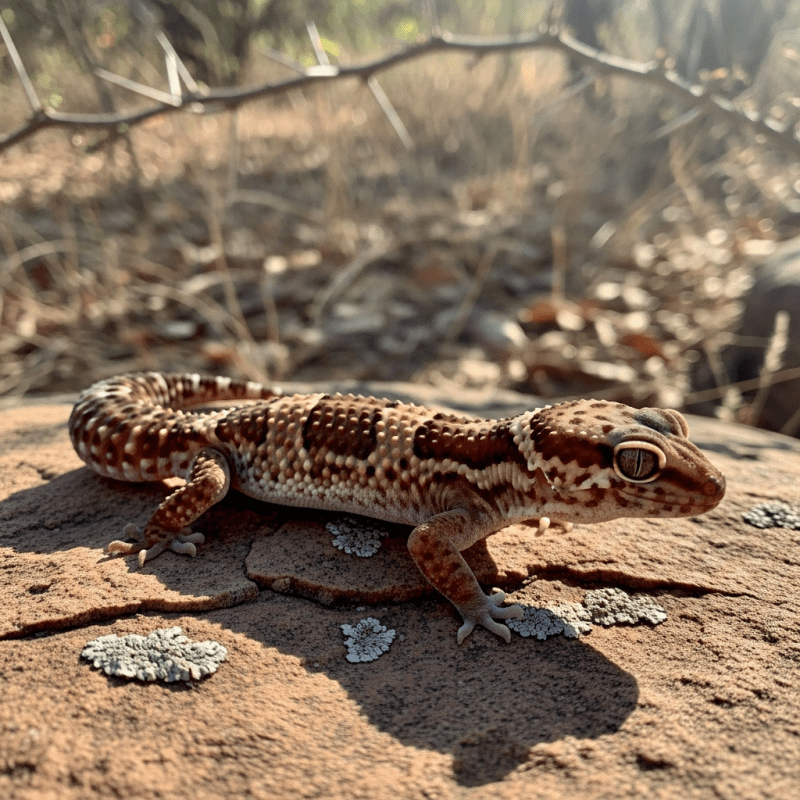
Soft cotton tee, unisex sizes
Buy ShirtWhile the African Fat-tailed Gecko holds no notable place in culinary traditions or mythology, it has become a beloved species in the global pet trade. Its gentle disposition and manageable size have made it a common subject in herpetoculture, inspiring selective breeding programs that have produced various color morphs cherished by hobbyists.
The African Fat-tailed Gecko inhabits terrestrial environments across West Africa, including Senegal, Mali, Nigeria, Ghana, and Cameroon. It favors arid and semi-arid regions where it can find shelter under rocks and debris. Its natural habitat is characterized by stable temperatures and low to moderate humidity, conditions that it requires for optimal health.

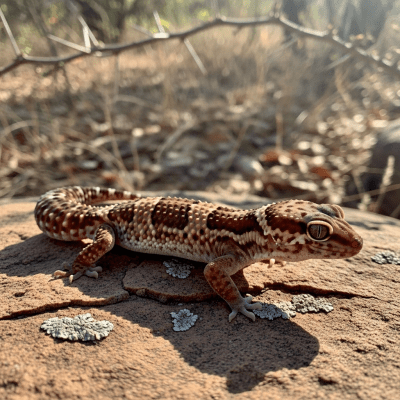

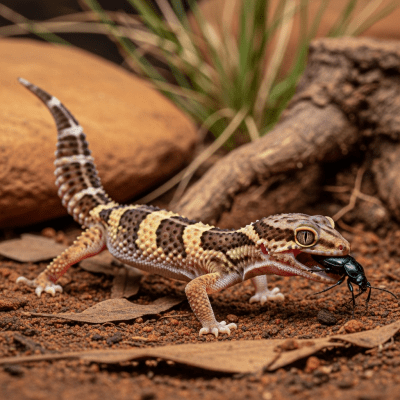
This gecko is insectivorous, feeding primarily on crickets, mealworms, and other small invertebrates. In the wild, it actively hunts at night, using its keen senses to locate prey. In captivity, a varied diet of appropriately sized insects supplemented with vitamins ensures proper nutrition.
The African Fat-tailed Gecko is oviparous, typically laying clutches of two eggs. Sexual maturity is reached between 8 and 12 months of age. Breeding in captivity has been well established, with selective breeding producing various color morphs. The species undergoes a moderate growth rate and can live up to 15 years or more under proper care.
Currently, the African Fat-tailed Gecko faces no major threats in the wild and is not considered endangered. Its tolerance to arid environments supports stable populations. However, habitat degradation and collection for the pet trade require monitoring to ensure sustainable wild populations. Captive breeding efforts help reduce pressure on wild stocks.
As a popular pet, the African Fat-tailed Gecko requires stable temperatures between 24 and 30°C and moderate humidity levels to thrive. Its enclosure should mimic its natural terrestrial habitat with hiding spots and substrate suitable for burrowing. A diet of live insects supplemented with vitamins is essential. Selective breeding has introduced various color morphs, adding appeal to hobbyists. With proper care, these geckos can live 10 to 15 years or longer in captivity.