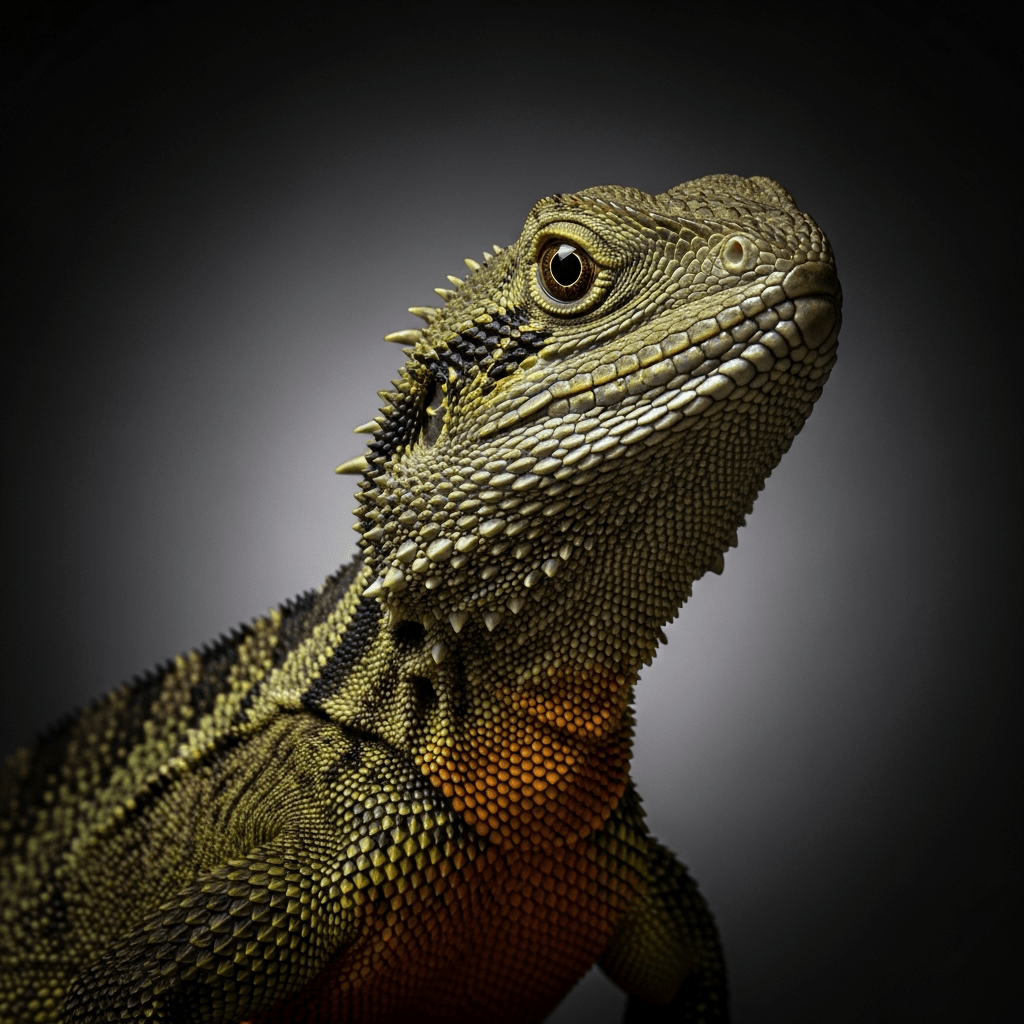
Australian Water Dragon
The Australian Water Dragon (Intellagama lesueurii) is a large, semi-aquatic lizard native to eastern Australia, distinguished by its striking crest and exceptional swimming abilities.
The Australian Water Dragon (Intellagama lesueurii) is a large, semi-aquatic lizard native to eastern Australia, distinguished by its striking crest and exceptional swimming abilities.
First described by John Edward Gray in 1831, the Australian Water Dragon originates from the waterways and surrounding habitats of eastern Australia. It has no domesticated strains and was identified through early herpetological surveys in the region.
This species belongs to the family Agamidae within the genus Intellagama. Historically known as Physignathus lesueurii, it is part of the diverse group of agamid lizards renowned for their crests and robust forms.
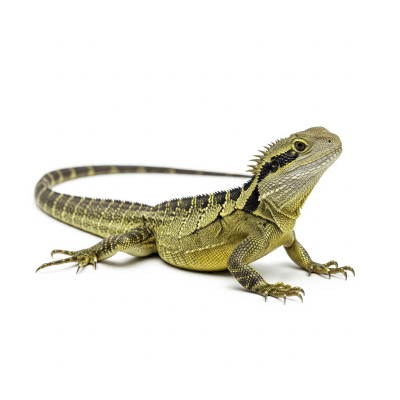
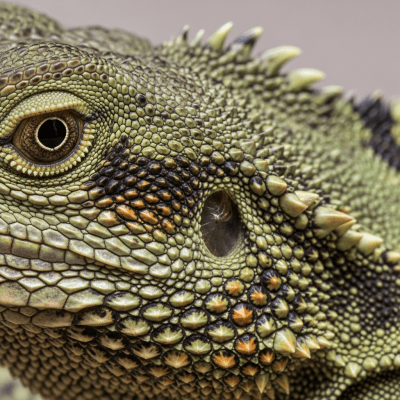
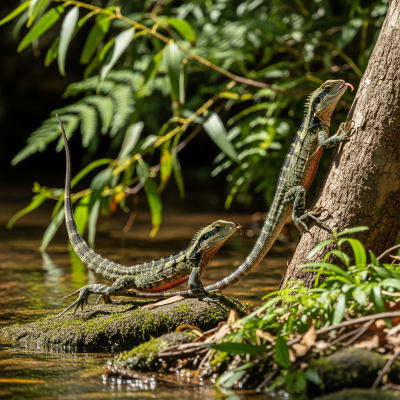
The Australian Water Dragon features a robust body with a long tail often exceeding twice its body length. Adults range from 60 to 90 cm in total length, with males noticeably larger than females. Its coloration varies from olive-green to brownish-grey, marked by distinctive black bands on the body and tail. Males display a vivid red or orange flush on the chest and belly. Prominent nuchal and dorsal crests accentuate its profile, while strong limbs enable adept climbing and swimming.
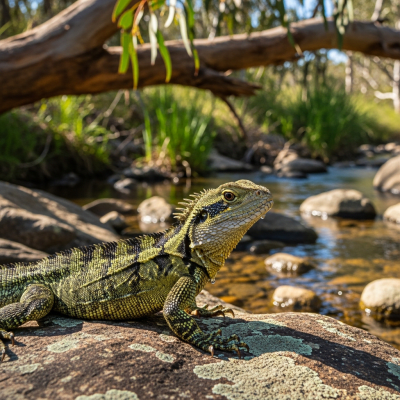
Diurnal by nature, this lizard frequently basks in the sun and is an excellent swimmer, capable of remaining submerged for extended periods. It thrives along waterways and urban parks, demonstrating remarkable adaptability to both natural and human-altered environments.
Bring this kind into your world illustrated posters, mugs, and shirts.
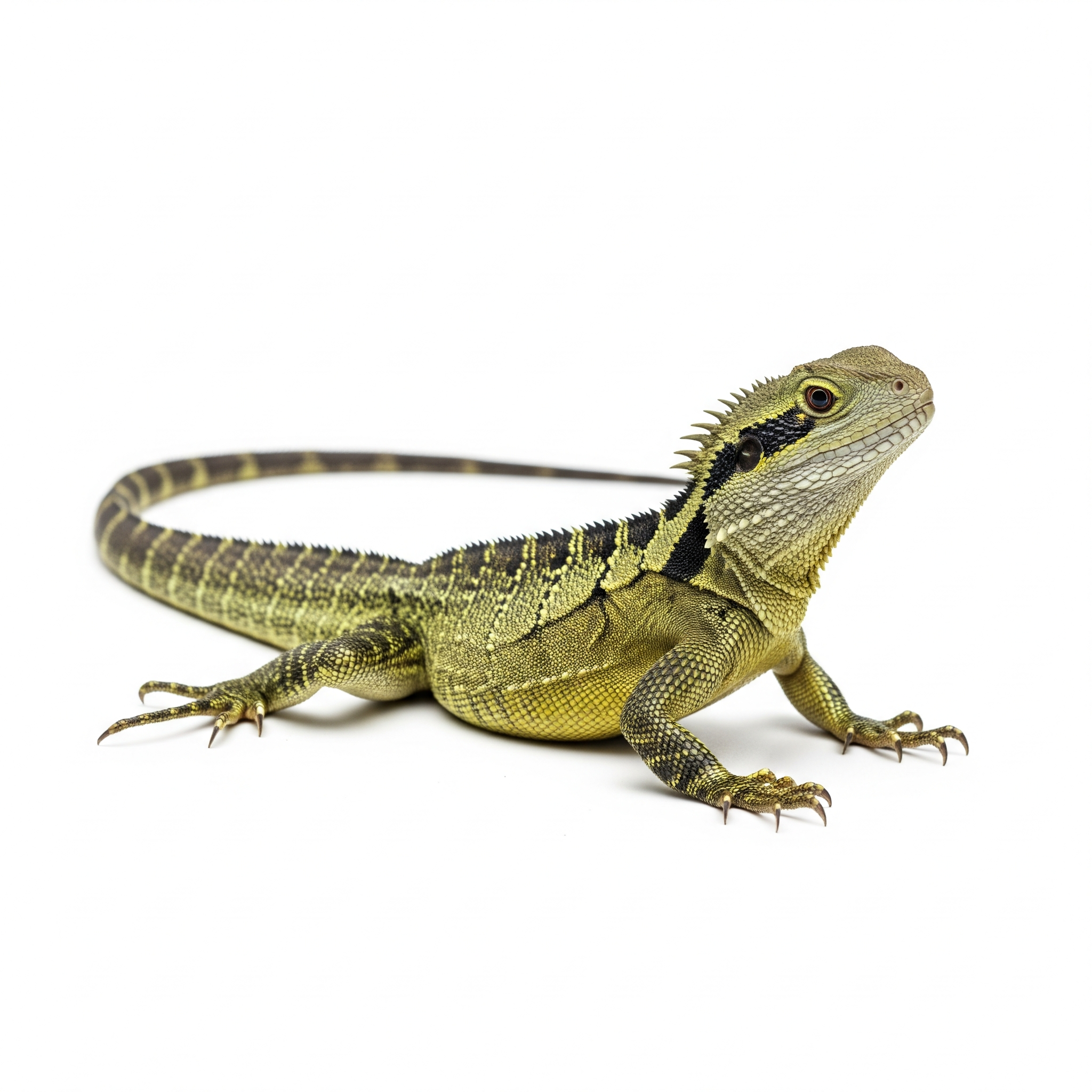
Archival print, museum-grade paper
Buy Poster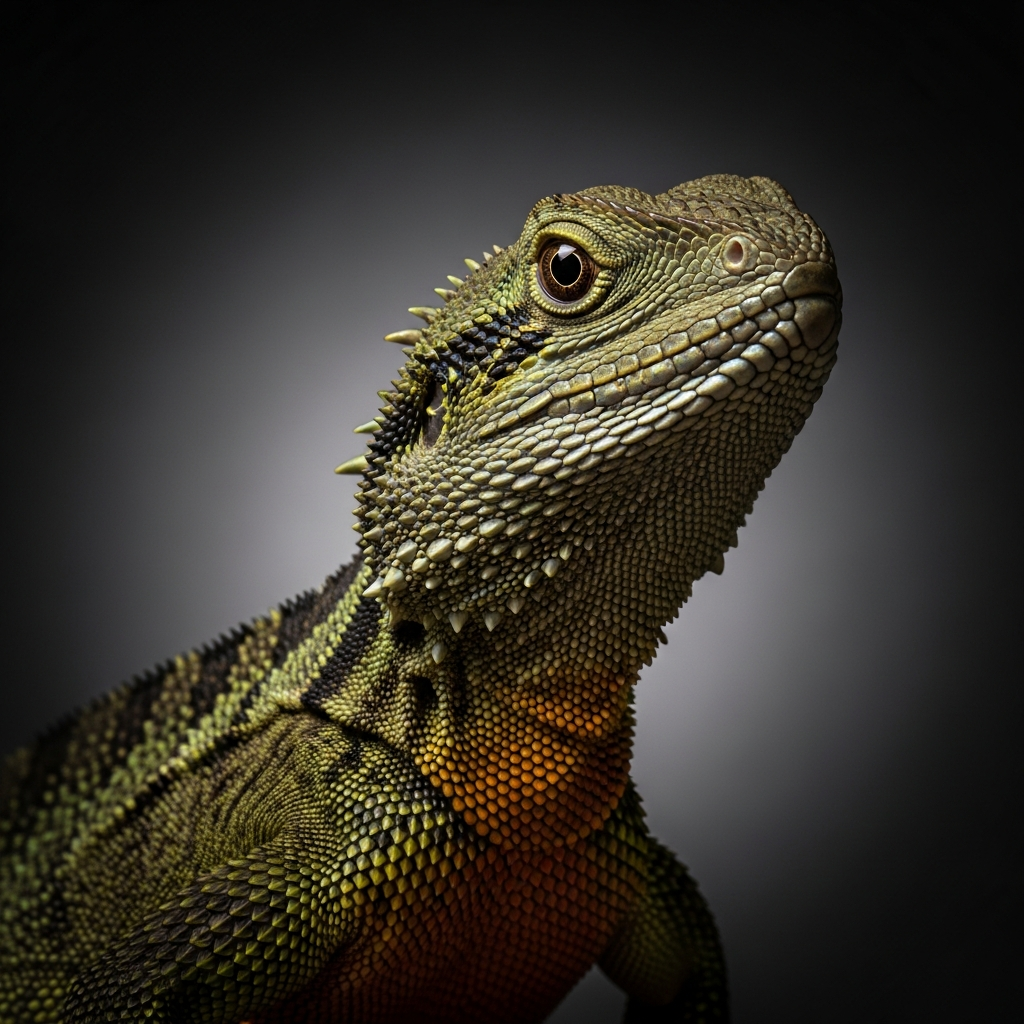
Stoneware mug, dishwasher safe
Buy Mug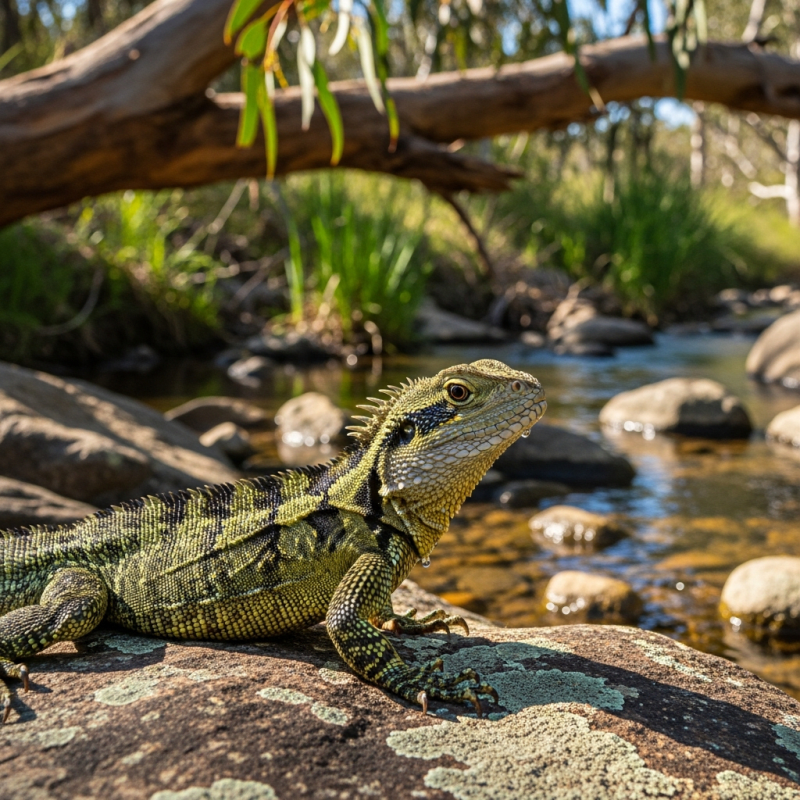
Soft cotton tee, unisex sizes
Buy ShirtWhile not prominent in culinary or commercial markets, the Australian Water Dragon holds value in herpetoculture as a captivating display species. It is a popular fixture in educational and zoological collections, where it helps foster appreciation for native Australian wildlife.
The Australian Water Dragon inhabits semi-aquatic environments along waterways and urban parks throughout eastern Australia. It favors riparian zones where it can bask, forage, and dive into water to evade threats, showcasing adaptability to both natural and modified landscapes.
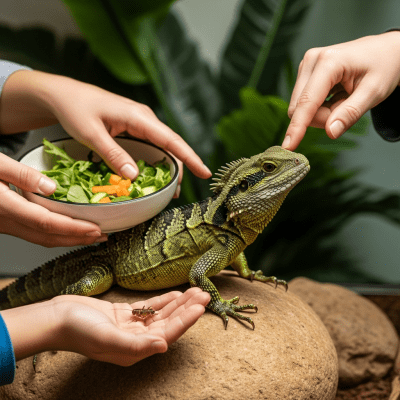
While specific diet details are not provided here, Australian Water Dragons are generally omnivorous, feeding on a variety of insects, small animals, and plant matter found near their watery habitats.
Australian Water Dragons reproduce by laying eggs (oviparous). They experience rapid growth during juvenile stages and have an estimated lifespan of 10 to 20 years in the wild, reaching maturity as they develop their distinctive crests and coloration.
Protected by law in Australia, the Australian Water Dragon faces no immediate widespread threats. Its adaptability to urban environments aids its survival, and it is not subject to commercial trade, supporting stable population levels.
In captivity, Australian Water Dragons require environments that mimic their natural semi-aquatic habitats, including access to water for swimming and basking spots with ample sunlight or UV lighting. They are valued in herpetoculture but must be cared for with attention to temperature, diet, and space to support their active, diurnal lifestyle.